Coasteering means exploring a rocky coast with no boat and no beach: you swim in the swell, clamber over black volcanic rock, jump from ledges into deep blue water and squeeze through gaps and caves. Madeira is an excellent place to try it. The island plunges steeply into the Atlantic, so the water is deep and clear right up to the rocks, the lava formations are dramatic and the south coast is sunny and sheltered for much of the year. A guided coasteering trip from Funchal keeps things safe and fun, with a wetsuit, buoyancy aid and helmet for everyone, and a guide who chooses a route to suit the conditions and the group.
What happens
After meeting the guides and getting kitted out, you walk or drive to the entry point on the coast. The session then follows a rhythm of swimming between rocks, climbing out, scrambling along ledges and jumping back in from heights chosen to suit each person. There is no pressure to jump from the highest rock, and most groups include people who prefer the lowest ledge.
Between the jumps the guides point out sea life, volcanic features and small caves. A snorkel stop gives you a chance to look at fish and rocky reefs in clear water, and gear is normally provided.
Who it suits
Coasteering is a good choice for confident swimmers who enjoy a bit of adrenaline and do not mind cold water. It is more physical than a boat trip and more playful than a hike, and it works well for friends, couples and teenagers. Operators usually set minimum ages and ask guests to be comfortable in deep water, so check the requirements before you book.
If you have a health condition, a fear of heights or a recent injury, talk to the operator first. The activity depends on the sea state, and guides will change the location or cancel if the swell is too big, which is the correct decision on this exposed coast.
Practical tips
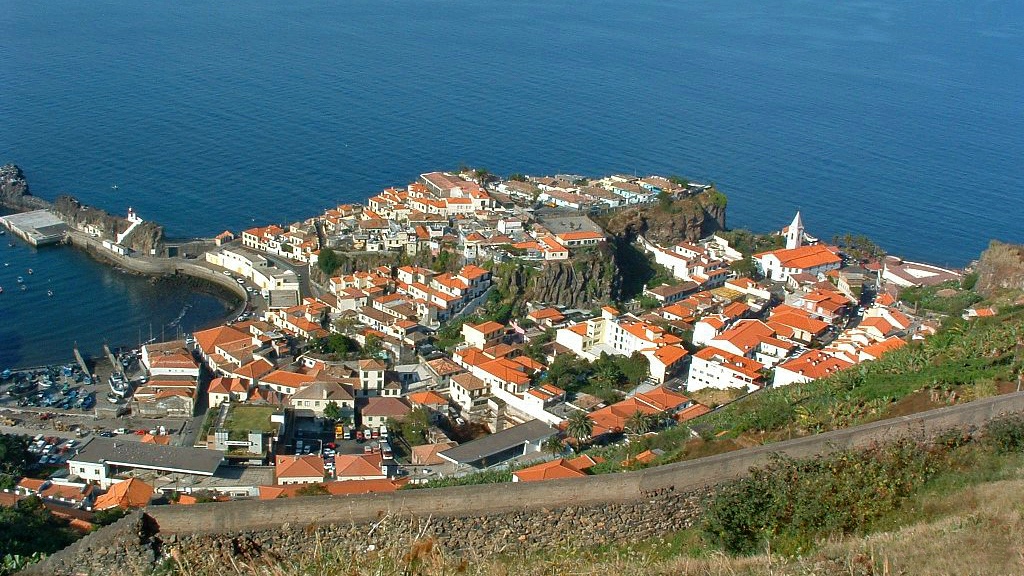
Wear swimwear under the wetsuit, and bring a towel, a dry change of clothes and sunscreen. Footwear with grip is provided or required, depending on the operator, so follow the instructions. Avoid wearing jewellery, and secure glasses with a strap. After the session you will be tired and hungry, so plan a late lunch in Funchal or Câmara de Lobos, where the fishing harbour has simple restaurants with fresh fish.
The combination of a morning in the water and a seafood lunch is hard to beat, and it goes well with a lazy afternoon by a hotel pool.
Respecting the coast
The shoreline is part of a living environment, with algae, limpets and small creatures clinging to the rocks. Guides teach participants how to move across the surface without damaging it, how to read the swell and where to enter and exit safely. Follow their instructions closely, never jump from a spot they have not checked and keep the group together.
If you enjoy the experience, you may want to try other water activities on the island, such as a kayak and snorkel trip in the marine reserve or a boat cruise to see the cliffs from the sea.
What to expect
The experience
A guided session of swimming, scrambling and ledge jumping along the volcanic coast, with a snorkel stop and all safety kit provided.
Best time
Calm days from late spring to early autumn, when the sea is warmer and the swell is lower.
How long
Plan on two to three hours with briefing and kit-up.
Tips
Wear swimwear under the wetsuit and bring a towel, sunscreen and dry clothes.
Quick picks
- Best for
- Confident swimmers and teenagers who want a break from hiking.
- Families
- Suitable for older children who swim well, subject to age limits.
- Couples
- A shared splash of adventure followed by a seafood lunch.
- Pair with
- Lunch in Câmara de Lobos or a sunset catamaran cruise.
- Time needed
- A morning.
Good questions
What is coasteering?+
It is a guided activity that combines swimming, scrambling and jumping along a rocky coastline, using a wetsuit, helmet and buoyancy aid for safety.
Do I need to be a strong swimmer for coasteering?+
Yes. You should be comfortable swimming in deep, moving water, although buoyancy aids and guides help keep everyone safe.
Do I have to jump from high rocks?+
No. Guides choose a range of ledges, and you can pick a lower jump or skip it altogether.
Is snorkelling included in the coasteering trip?+
This trip combines coasteering with a snorkel stop, and equipment is normally provided. Check the details when you book.
What happens if the sea is rough?+
The guides will change the location or cancel for safety if the swell is too large. Check the operator’s weather policy when you book.