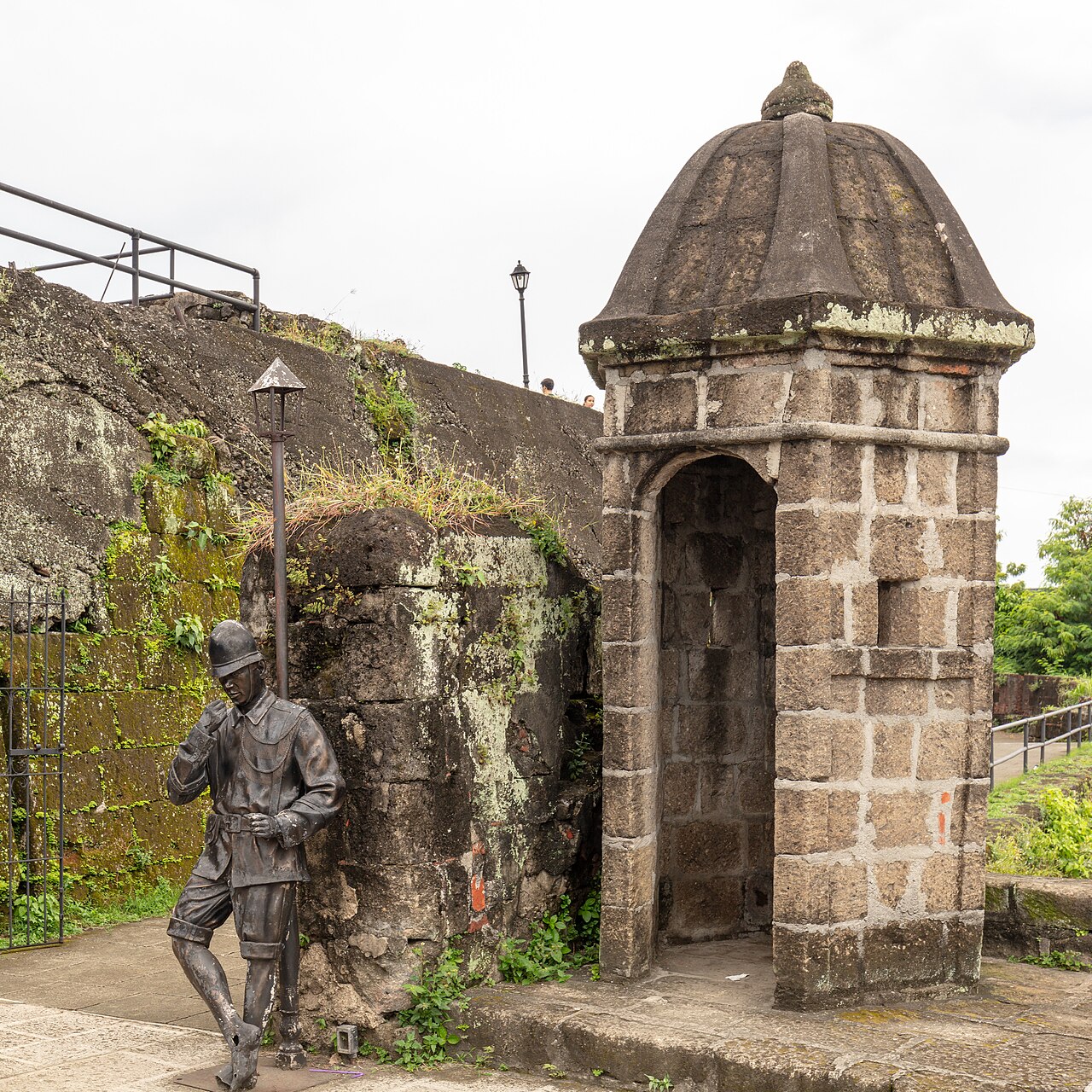
Manila has a reputation as a city to pass through on the way to the beaches, and that is a mistake. Give it two or three days and it rewards you with four centuries of history, some of the best food in Asia and two excellent day trips. The trick is to plan around the traffic, cluster your sightseeing by area and book a few key things ahead. Here is how to put a first trip together.
How the city fits together
Metro Manila is a cluster of cities, and visitors mostly use four areas. Intramuros, the walled Spanish city, sits on the south bank of the Pasig River; Ermita and Malate run south from it along Manila Bay, with Rizal Park and the National Museum; Binondo, the Chinatown, lies just across the river to the north; and Makati, the modern business district, is thirty minutes or more by car to the south-east. Think of Intramuros, Ermita and Binondo as one walkable historic zone, and Makati as a separate base for dining and shopping.
How many days
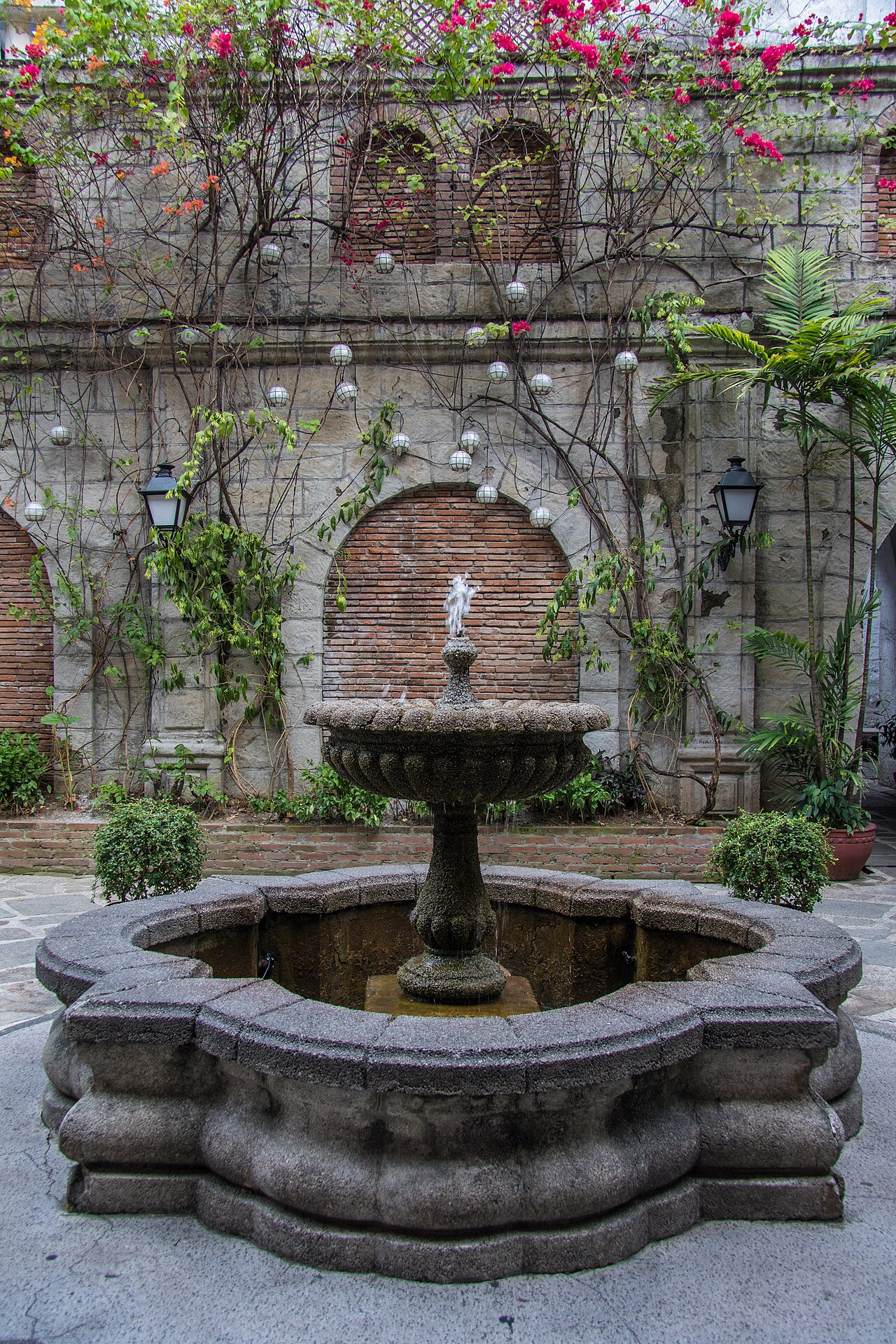
Two full days covers the essentials. Spend day one in Intramuros, ideally on the Bambike tour in the morning, which ends at Fort Santiago, then Casa Manila and San Agustin Church after lunch and sunset on the walls. Spend day two at the National Museum in the morning and in Binondo in the afternoon, with the food tour. A third day adds a day trip to Tagaytay or Pagsanjan Falls, and a fourth lets you do both or add the street food tour and Art in Island.
What to book ahead
The Bambike tour and the Binondo and street food tours fill up, especially at weekends, so book a few days ahead. The Tagaytay and Pagsanjan day trips need a booking too, and both pick up from hotels in Ermita, Malate, Makati and Pasay. The Fort Santiago, Museo de Intramuros and Art in Island tickets on this site are non-refundable, so buy them once your days are fixed. The National Museum is free and open daily from 9:00 to 18:00.
Getting around
Traffic is the defining fact of Manila life, so plan sightseeing for mornings, middays and weekends, and avoid crossing the city in the weekday evening rush. Grab, the ride-hailing app, is the easiest and most transparent way to get around, and metered taxis are fine if the driver uses the meter. The light rail lines help for some trips, such as the LRT-1 along Taft Avenue near Intramuros and the MRT-3 and LRT-2 to Cubao, but trains are crowded at peak times. Within Intramuros and Binondo, walk or ride.
Day trips and the volcano
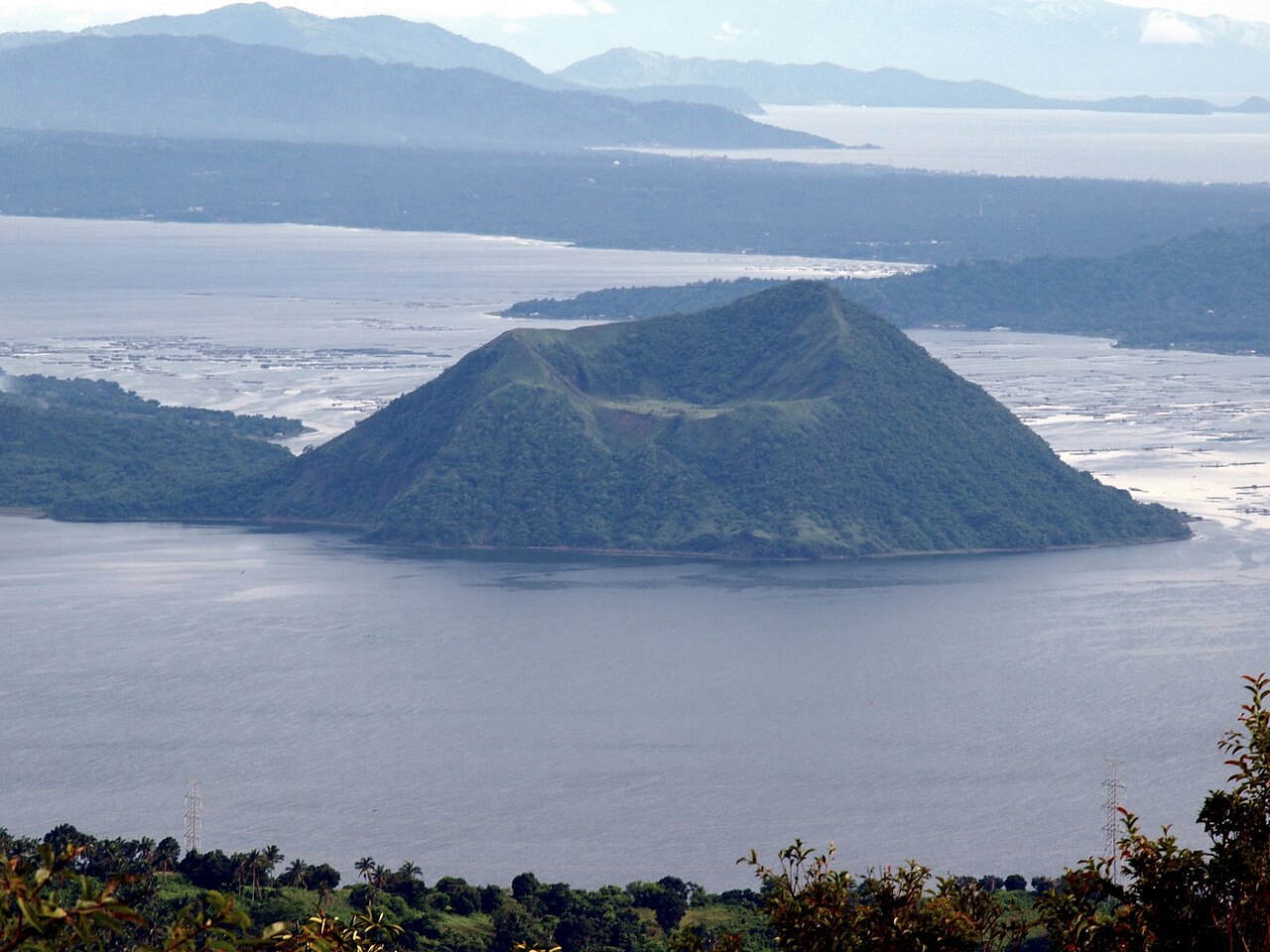
Taal Volcano, about two hours south, was at Alert Level 1 at the end of October 2026, after an eruption on 8 October sent a plume about four kilometres high. Volcano Island has been closed since January 2020 and crater hikes are not allowed, so see Taal from the Tagaytay ridge, as the tour on this site does, and ignore any offer of an island landing. Pagsanjan Falls, in Laguna, is a full day with a canoe ride up a gorge; after heavy rain, boatmen may stop short of the main falls.
When to go
The dry season, from about December to May, brings the most reliable weather, with March to May the hottest. The wet season, roughly June to November, brings heavy rain and typhoons that can disrupt plans, so keep a flexible day. Indoor options such as the National Museum and Art in Island are perfect on wet afternoons.
Practical tips
Carry small notes for street food, tips and jeepney fares. Dress modestly for churches, with shoulders and knees covered. Drink bottled water, wear sunscreen and a hat, and keep your phone and bag close in crowds. English is widely spoken, and Filipinos are famously warm and helpful, so do not hesitate to ask for directions.