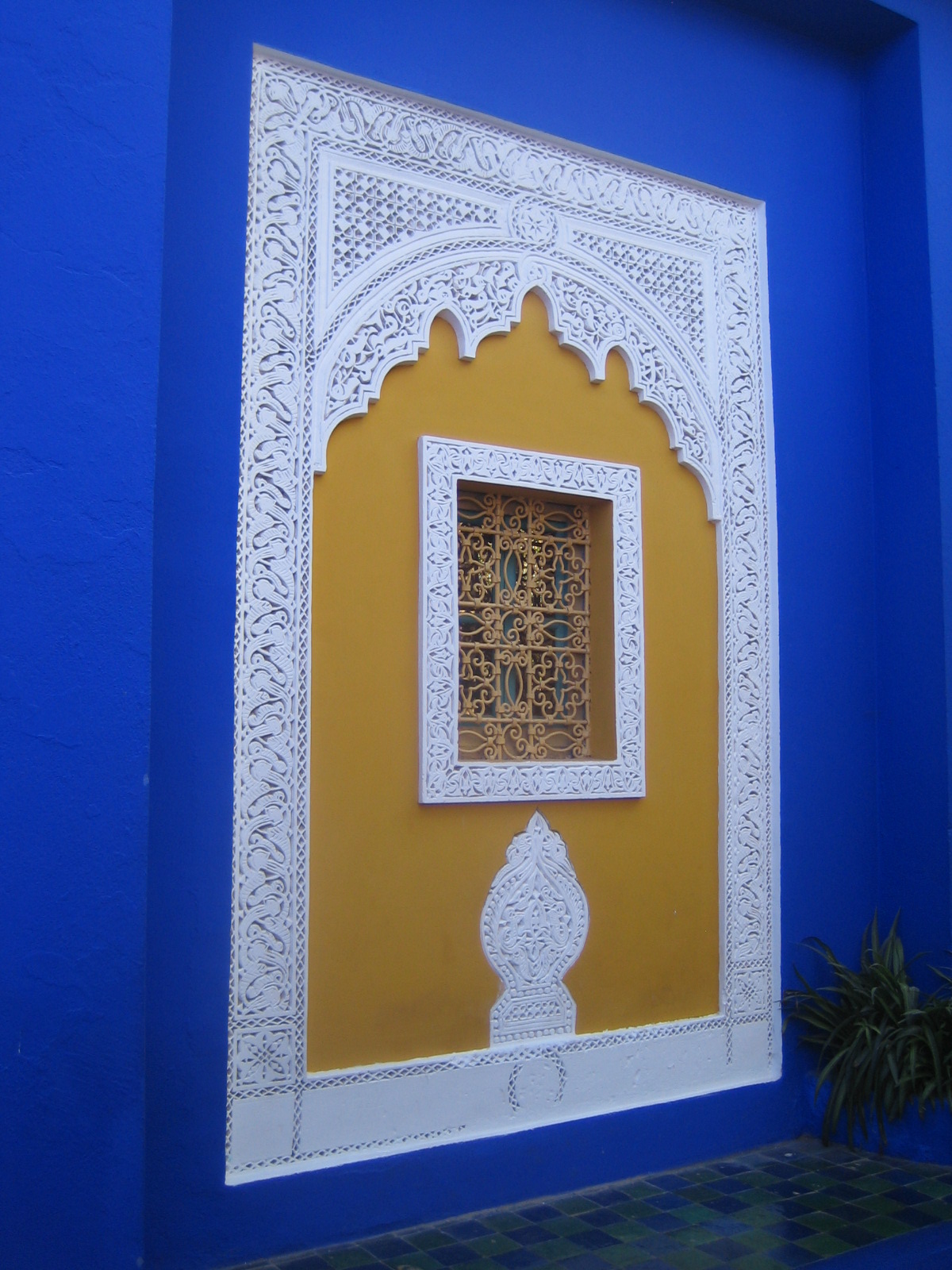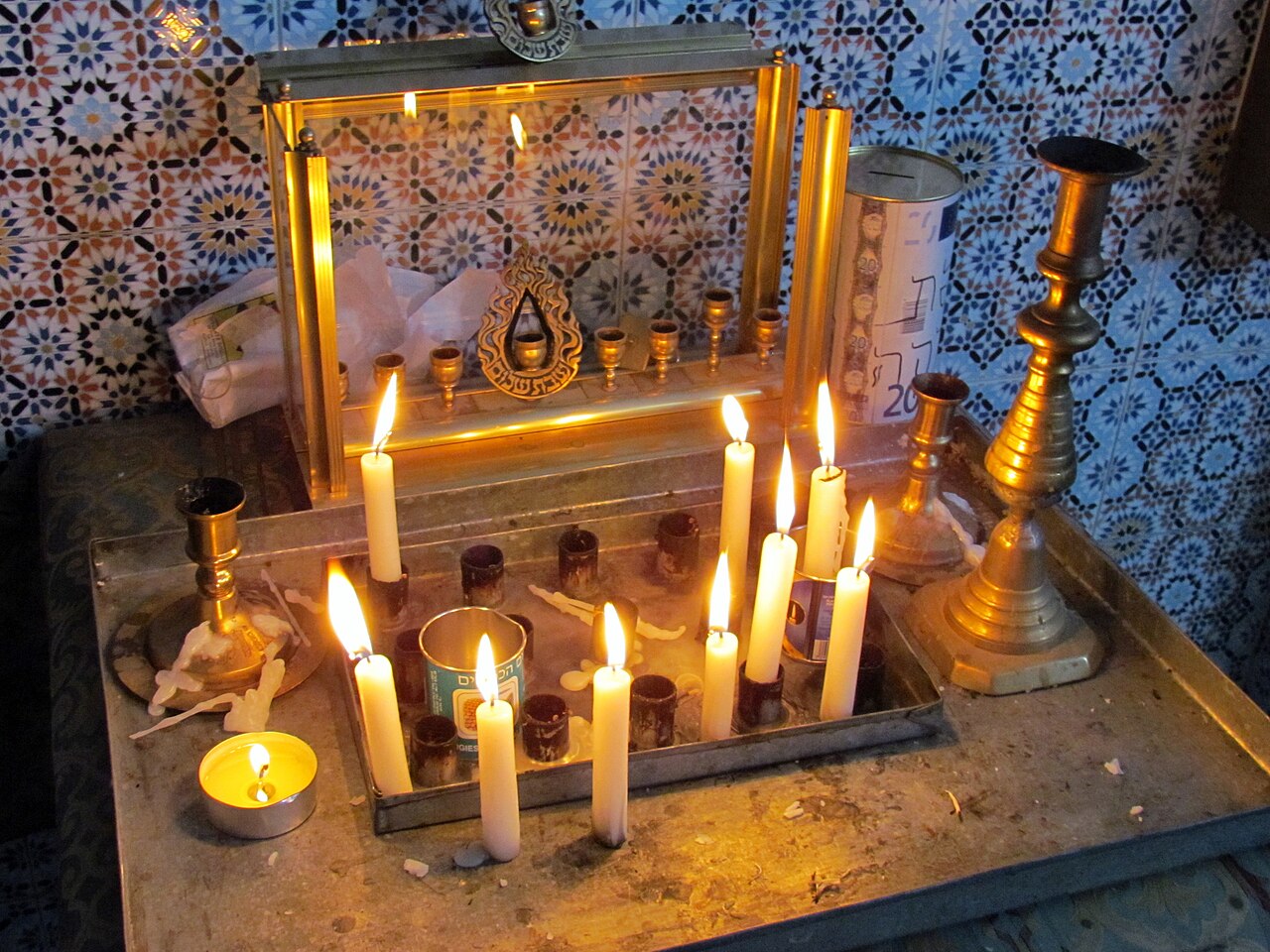
The Mellah tells a chapter of Marrakech's history that many visitors miss. It was created in 1558 under the Saadian sultan Moulay Abdallah as a walled quarter for the city's Jewish community, next to the royal Kasbah and close to what is now the Bahia Palace, with two gates. For centuries it was home to a large and active community of merchants, craftsmen, rabbis and bankers, many of them in close commercial partnership with the court and the city's Muslim traders. Most of the community emigrated in the decades after the 1950s and 1960s, and only a small number of Jewish families remain in Marrakech today, but the quarter keeps their memory. The Lazama Synagogue, also spelled Salat al Azama, is the best-known: founded according to tradition by exiles from Spain at the end of the fifteenth century and rebuilt since, it is a working synagogue set around a blue-and-white tiled courtyard, with a small museum of Moroccan Jewish life upstairs. The tourism council also lists the Negidim synagogue. The Miaara Jewish Cemetery, with tens of thousands of whitewashed graves and the tombs of revered rabbis, is one of the largest in Morocco and a moving place to visit. The Mellah's spice market and covered souk are full of color, and the jewelry souk nearby holds an auction in the afternoon. A restoration program begun in 2014 has renovated souks, houses and walls, and in 2017 the quarter officially regained its historic name. Entry to the streets is free; the synagogue and cemetery ask a modest fee or donation, and dress should be respectful.
How to explore: enter from the Place des Ferblantiers, next to the Bahia Palace and El Badi, and follow the main lane into the quarter. Visit the Lazama Synagogue first (men may be asked to cover their heads, and caretakers provide kippot), then walk to the Miaara Cemetery on the eastern edge. The covered spice market is the place to buy ras el hanout, saffron and dried herbs, though prices for visitors start high and bargaining is expected.
Being a respectful visitor: the synagogue and cemetery are religious sites; follow the caretakers' instructions, avoid visiting on the Sabbath and Jewish holidays when access may be restricted, and dress modestly. Many houses in the Mellah are lived in by Muslim families today, so keep photographs of homes and residents discreet. Unofficial guides may offer to lead you to the synagogue; it is signposted and you can find it with a map app, but a licensed guide adds valuable history.
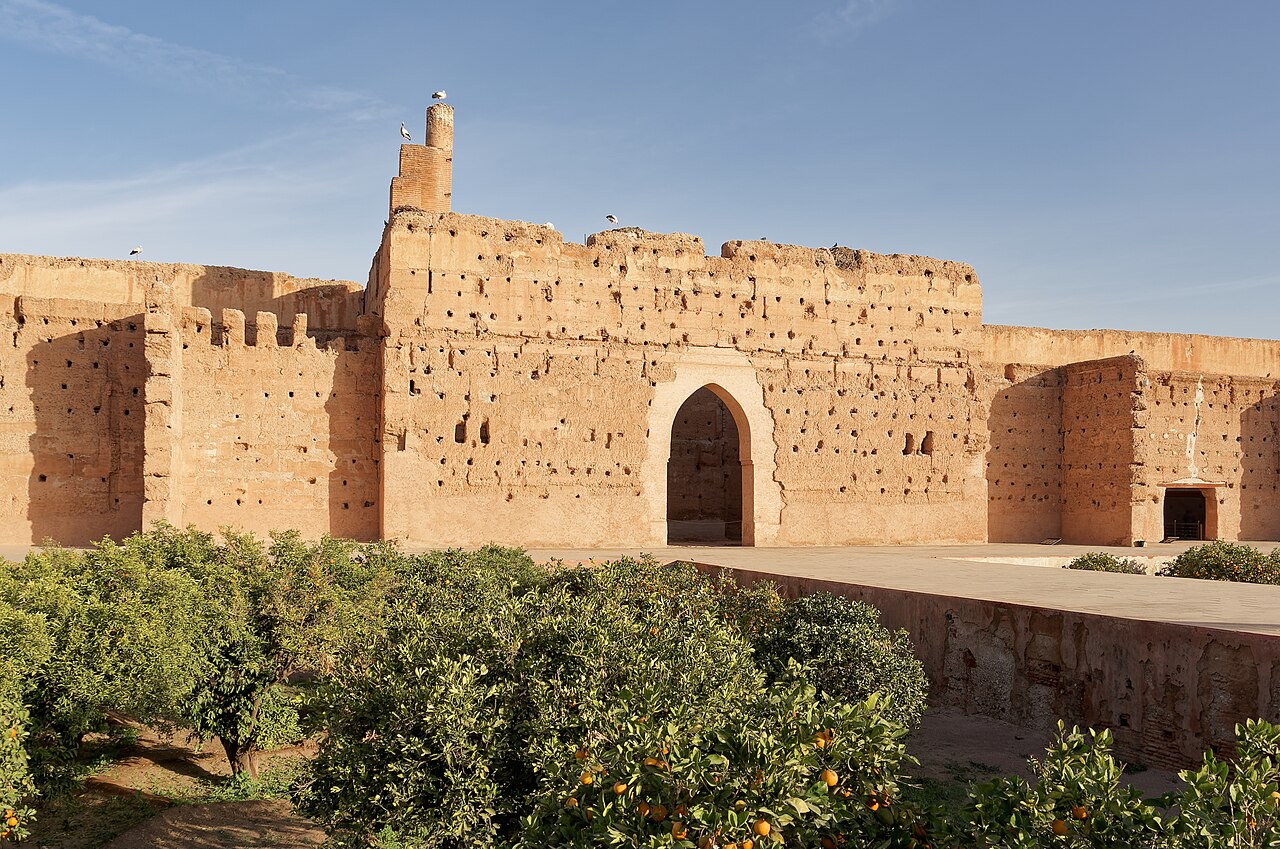
Pairing: the Mellah sits between the Bahia Palace and El Badi Palace, so it slots perfectly into a morning in the southern Medina. Combine it with lunch on a Kasbah rooftop, or join a heritage walk with a licensed guide who can explain the long history of Muslim and Jewish life in the city. Pilgrims from Israel, France and North America visit the rabbis' tombs in the cemetery, especially around the hiloula commemorations, and the quarter can be busy on those dates.
What to expect
The experience
A self-guided or guided walk through the historic Jewish quarter, with a working synagogue and museum, a vast cemetery and a covered spice market.
Best time
Weekday mornings, combined with the Bahia and El Badi palaces; avoid the Sabbath for the synagogue.
How long
One to two hours.
Tips
Dress modestly, carry small change for donations, and bargain at the spice market.
Quick picks
- Best for
- History lovers and travelers interested in Moroccan Jewish heritage.
- Families
- A short, interesting visit for older children; the spice market appeals to all ages.
- Couples
- A quieter morning walk with spice shopping and a rooftop lunch.
- Pair with
- The Bahia Palace, El Badi Palace and the Place des Ferblantiers.
- Time needed
- One to two hours.
Good questions
When was the Mellah of Marrakech founded?+
In 1558, under the Saadian sultan Moulay Abdallah, according to the regional tourism council.
Can visitors enter the Lazama Synagogue?+
Yes, outside services and the Sabbath, with a modest entry fee or donation and modest dress.
Where is the Mellah?+
In the southeastern Medina, next to the Bahia Palace and El Badi Palace, entered from the Place des Ferblantiers.
Is the Miaara Jewish Cemetery open to visitors?+
Yes. It is one of the largest Jewish cemeteries in Morocco; a caretaker usually asks for a small fee or donation.
Do I need a guide?+
No, but a licensed guide adds history and context. Avoid unofficial guides who approach you in the street.