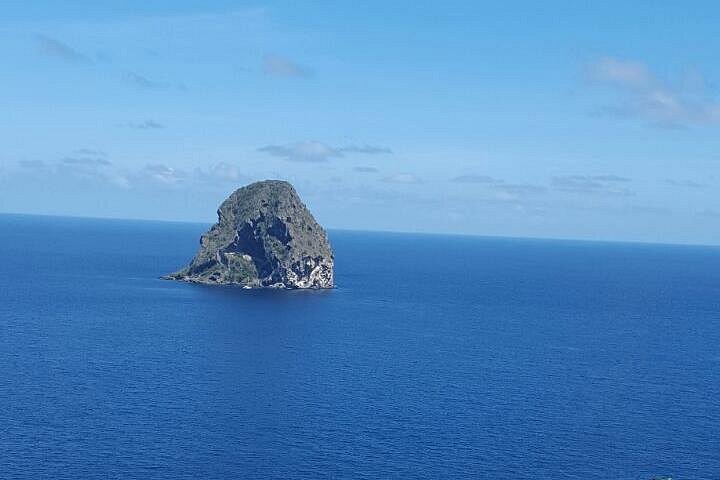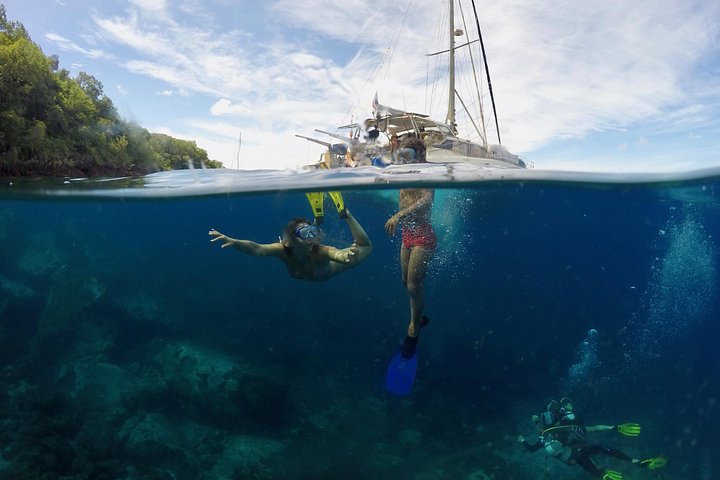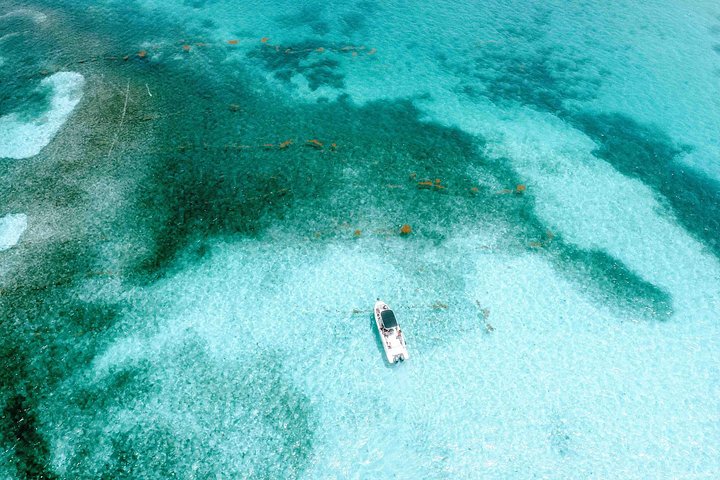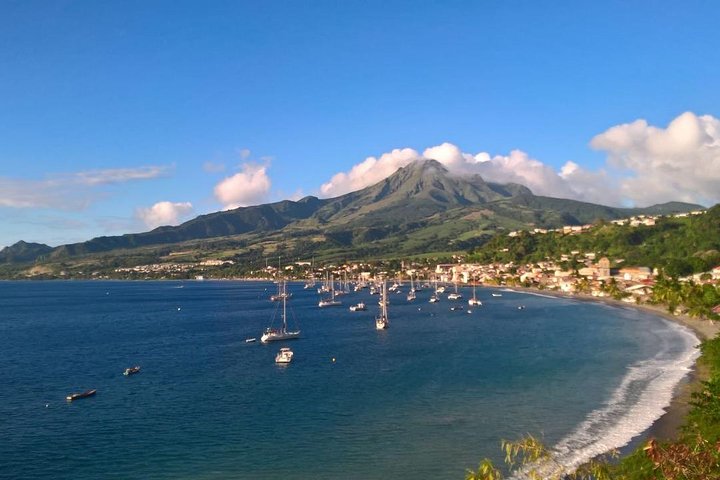
The reefs and bays around Les Anses-d'Arlet are popular by day, but after dark they become a different place. The Snorkeling Nocturne and Bioluminescence outing takes you into the water in the evening, when nocturnal marine life emerges and, under the right conditions, tiny plankton glow with a cold blue light whenever the water is disturbed. It is a rare, quiet activity that appeals to couples, photographers and anyone who has already done a daytime snorkel and wants something less ordinary. Conditions vary with the moon, the sea and the season, so the display cannot be promised, but the night swim itself is an experience worth having. Confirm the meeting point and start time when you reserve.
Why it works
Most visitors only see the sea in daylight, and the contrast after dark is dramatic. With a torch or the guide's lights you can see creatures that hide during the day, such as crustaceans, sleeping fish and animals that feed under cover of night. Bioluminescence, produced by microscopic organisms that flash when disturbed, can turn each hand movement into a trail of light.
It is most noticeable on dark nights with little moonlight and calm water, so the guide may suggest particular dates or ask you to wait for the sky to darken before getting in.
What to know before you go
You should be a confident swimmer and comfortable in open water in low light. Confirm what equipment is provided, including masks, snorkels, lights and flotation, and whether a wetsuit or rash vest is included. Water temperatures are warm, but an evening breeze can feel cool when you climb out, so bring a towel, a warm layer and a dry change of clothes. Keep close to the guide, follow instructions about lights and avoid touching the reef or marine life, because many creatures are more sensitive at night.
Making it work
The outing is an evening activity, which makes it an easy addition to a beach stay in the south, close to Grande Anse d'Arlet and Petite Anse. Combine it with a relaxed dinner at a waterfront restaurant before or after, and plan transport home in advance, since local roads are narrow and unlit at night.
It is a good romantic plan for couples, a memorable activity for older teenagers and a good counterpart to daytime outings such as the turtle trip or the catamaran snorkel day. If you are staying elsewhere, allow plenty of travel time, as the south coast roads are slow after dark.
Good to know
The moon phase matters. Around the full moon the sky is bright and bioluminescence is harder to see, while around the new moon the effect is strongest. Weather, wind and recent rain also affect water clarity and swell, and an operator may reschedule if conditions are unsafe.
Do not use sunscreen or insect repellent in large amounts before entering the water, because it can harm the marine environment and may reduce the effect. If you plan to photograph, remember that standard cameras struggle in the dark, so it is usually better to enjoy the moment and keep the camera on the beach.
What to expect
The experience
An evening snorkel from the beach or a boat, with guides and lights, looking for night life and glowing plankton.
Best time
After sunset, with the darkest nights around the new moon giving the best chance of bioluminescence.
How long
A few hours in the evening; confirm the start time and length when you reserve.
Tips
Bring a towel and a warm layer, stay close to the guide and plan your return transport in advance.
Quick picks
- Best for
- Couples and curious travelers who want something different from a daytime snorkel.
- Families
- Better for confident older children and teenagers; ask about minimum ages and night-time rules.
- Couples
- A quiet, atmospheric activity in dark water under the stars.
- Pair with
- A waterfront dinner in Les Anses-d'Arlet, or a turtle snorkel by day.
- Time needed
- An evening.
Good questions
Will I see bioluminescence?+
It depends on the moon, the weather and the season. Dark, calm nights give the best chance, but the display cannot be guaranteed.
Do I need to be a strong swimmer?+
You should be comfortable in open water at night. Ask what flotation and lights are provided.
Is it safe at night?+
The activity is led by a guide, who sets the route and the rules. Follow their instructions and stay close to the group.
What should I bring?+
A towel, a warm layer, a dry change of clothes and water. Confirm what equipment is included.
When is the best time of the month?+
Around the new moon, when the sky is darkest, although conditions vary and the guide can advise on dates.