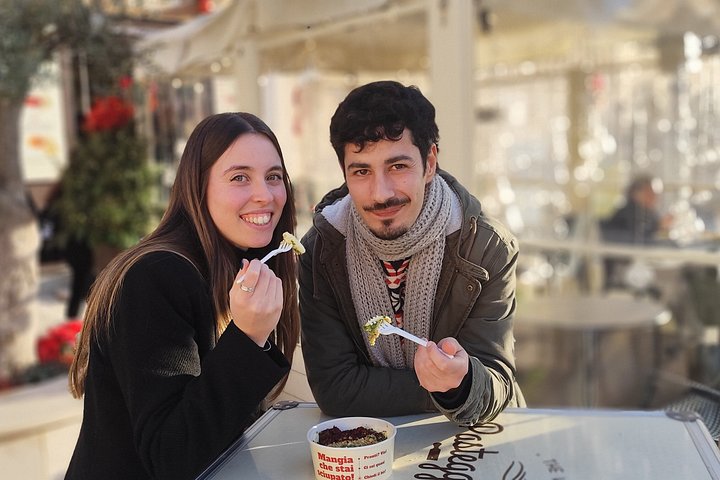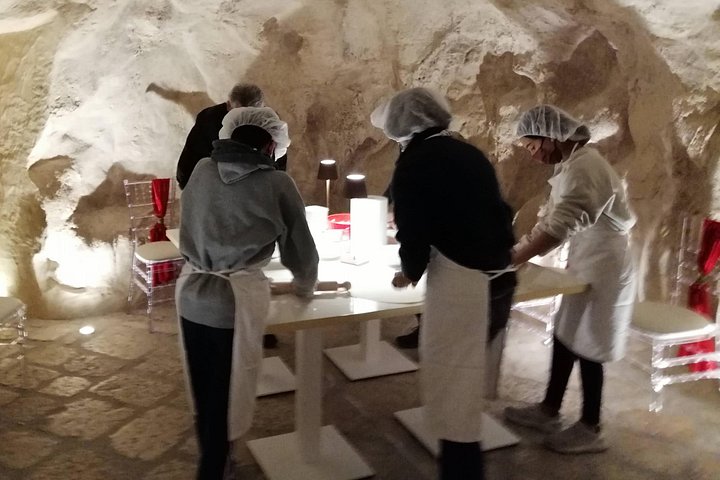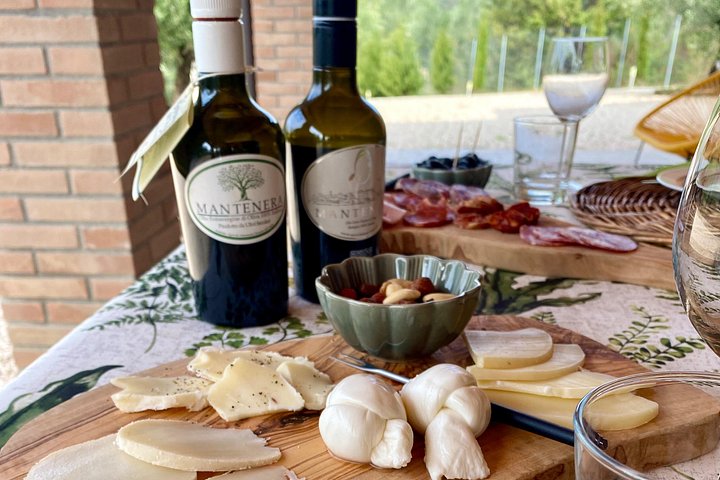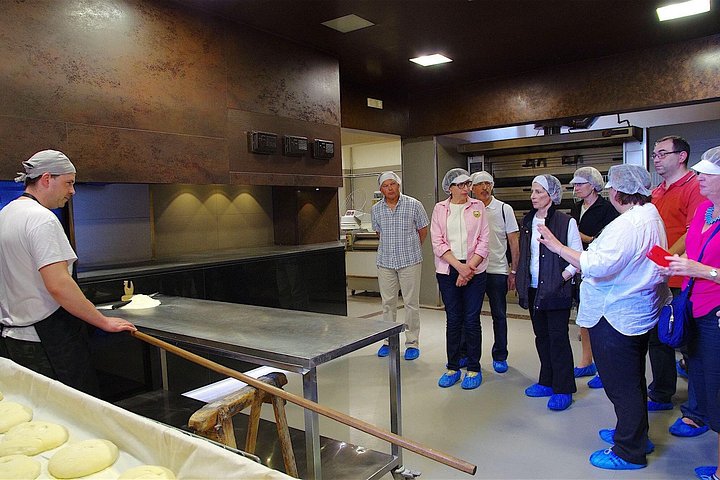
No food is more closely tied to Matera than its bread. Pane di Matera is a large, high-domed loaf made from durum wheat semolina, baked until the crust is deep amber and the crumb is soft and yellow, and protected under a European quality scheme. It once travelled in rural baskets and kept for days, and families would mark their loaves with a wooden stamp before taking them to the communal oven. This workshop teaches you how it is made. Led by a local baker, you knead dough, shape it and learn about fermentation and baking, then finish with a tasting that includes the bread with local products and wine. The product is unrated so far, so confirm duration, ingredients and group size when you book. The session is hands-on and sociable, a good fit for couples, friends and curious families, and it shows a side of the city that guided walks miss. You will hear about the role of bread in daily life, the way the loaf was shaped by scarcity and ingenuity, and the traditions still observed today, such as the stamp that identifies each household's loaf. The smell of baking bread in a stone-walled space is a pleasure in its own right, and the tasting at the end rewards the effort.
Dough is a lesson in patience. Durum semolina behaves differently from the soft wheat flour used in many northern Italian breads, and the guide will show you how the dough should feel, how long it needs to rest and how the oven heat changes the crust. If you enjoy baking at home, take notes on hydration and timing. Ask whether you can bring a loaf back to your accommodation, since some workshops let you take your own bread, and a fresh Matera loaf is a perfect picnic companion.
Wear clothes you do not mind getting floury, and tie back long hair. Wash hands before you start, and listen to instructions about oven safety. If you have gluten allergies, this is not the right activity, since the product is built around wheat. For vegetarians, the bread itself is straightforward, though tasting boards may include cured meats, so mention preferences in advance.
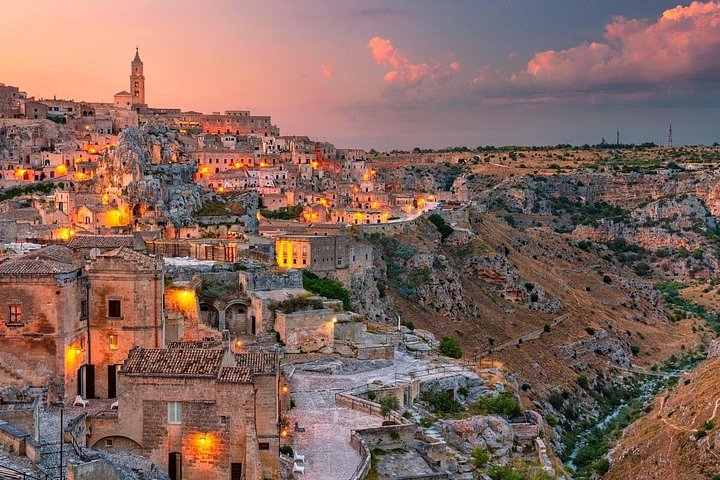
The workshop is typically a short half-day activity, and it works well in the morning or early afternoon. It pairs with a cooking class if you want a full culinary day, though you may prefer to choose one hands-on experience and a lighter tasting walk. It also pairs naturally with a walk to the viewpoint afterwards, where you can see the old town rising from the canyon and think about how many of those households once baked in the same communal ovens.
Book ahead in busy months. Kids who like helping in the kitchen tend to have a great time, and the result is a souvenir you can actually eat.
If bread fascinates you, look out for the loaf stamps in shop windows and craft stalls around the old town. They are a charming reminder of the days when households marked their dough, and they make a thoughtful, lightweight souvenir after a morning of baking.
Finally, buy a loaf of the real thing from a bakery before or after the workshop and compare it with yours. Tasting the two side by side tells you how much skill goes into the daily bread of the city, and it gives you a better appreciation of the loaves that you will see stacked in bakery windows.
What to expect
The experience
A hands-on workshop making Pane di Matera with a local baker, followed by a tasting with wine.
Best time
Morning or early afternoon, followed by a leisurely lunch.
How long
Around 2 to 3 hours; confirm when you book.
Tips
Wear clothes that can get floury, mention dietary needs in advance, and ask whether you can take your loaf home.
Quick picks
- Best for
- Food lovers and families who enjoy hands-on activities.
- Families
- A fun activity for children who like baking; confirm age policy.
- Couples
- A relaxed, creative shared experience.
- Pair with
- A food walking tour or a cooking class on a different day.
- Time needed
- Around 2 to 3 hours; confirm when you book.
Good questions
What is Pane di Matera?+
A large durum wheat loaf with a deep golden crust, protected under a European quality scheme and closely tied to the city's identity.
Do I take my bread home?+
Ask the operator. Some workshops let you take your loaf, and others bake it for the tasting.
Is it gluten free?+
No. The workshop is based on wheat bread, so it is not suitable for people avoiding gluten.
Is wine included?+
The title mentions tasting and wine. Confirm the details with the operator.
Is it good for kids?+
Often yes. Children who like baking tend to enjoy it. Check the age policy when you book.