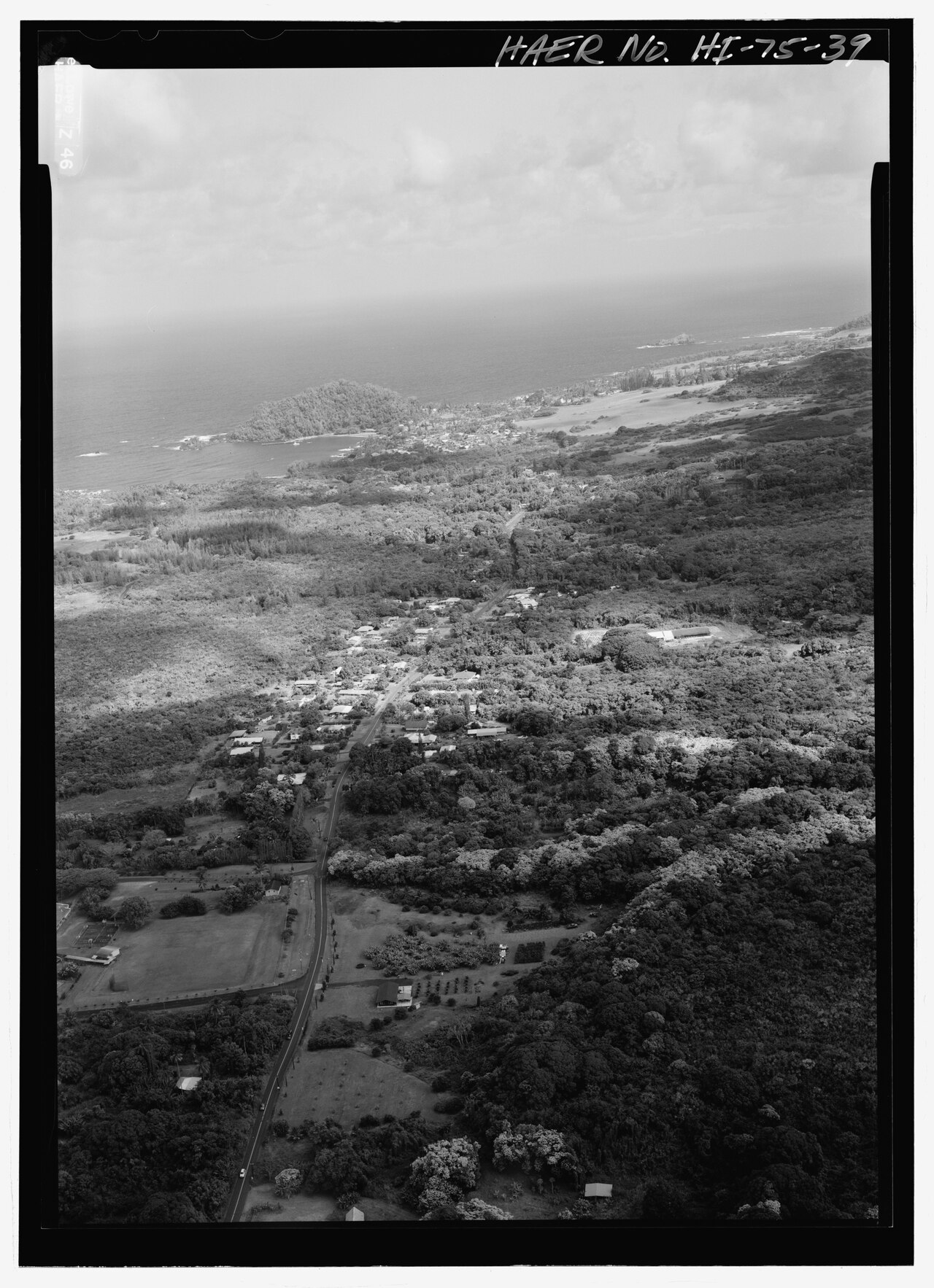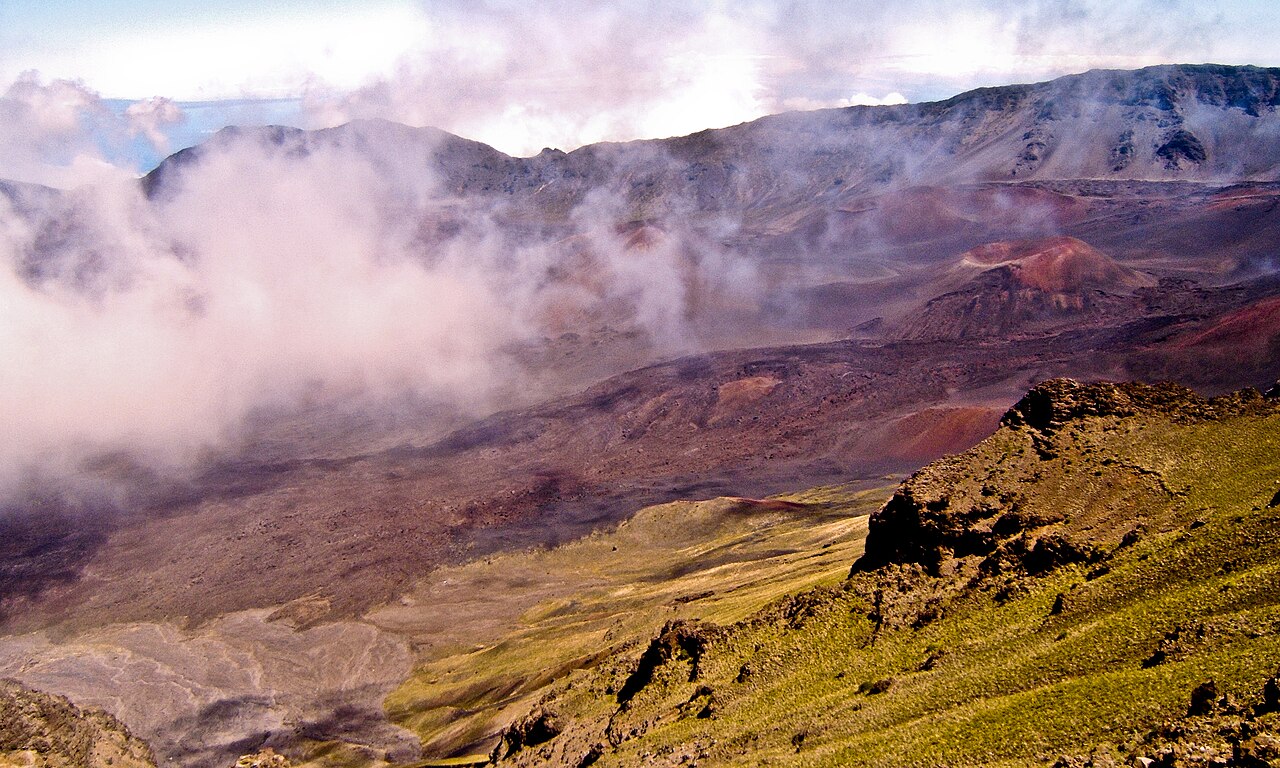
Beyond Makena, the road narrows and the landscape turns to black lava, scrub and sky. This is the part of Maui that last felt the touch of volcanic activity, and it feels wild, dry and spacious compared with the resorts a few miles north. La Perouse Bay, named for the French explorer who landed here in 1786, offers rugged shoreline walks, hidden coves and spinner dolphins in the morning. The adjoining Ahihi-Kinau Natural Area Reserve protects fragile reefs and tide pools, so rules and closures apply. A guided boat tour or snorkel trip is a rewarding way to see the area.
The setting explains the thrill. Haleakala's southwest rift zone sent lava toward the sea in the not-too-distant geological past, and the flows left a jagged coast of a'a and pahoehoe rock that stretches for miles. The vegetation is low and tough, the sun is strong, and the wind can blow hard. At La Perouse Bay, a small parking area leads to a rocky shore and the beginnings of the King's Highway trail, an ancient Hawaiian footpath across the lava. Walking it gives a sense of how people once traveled the coast.
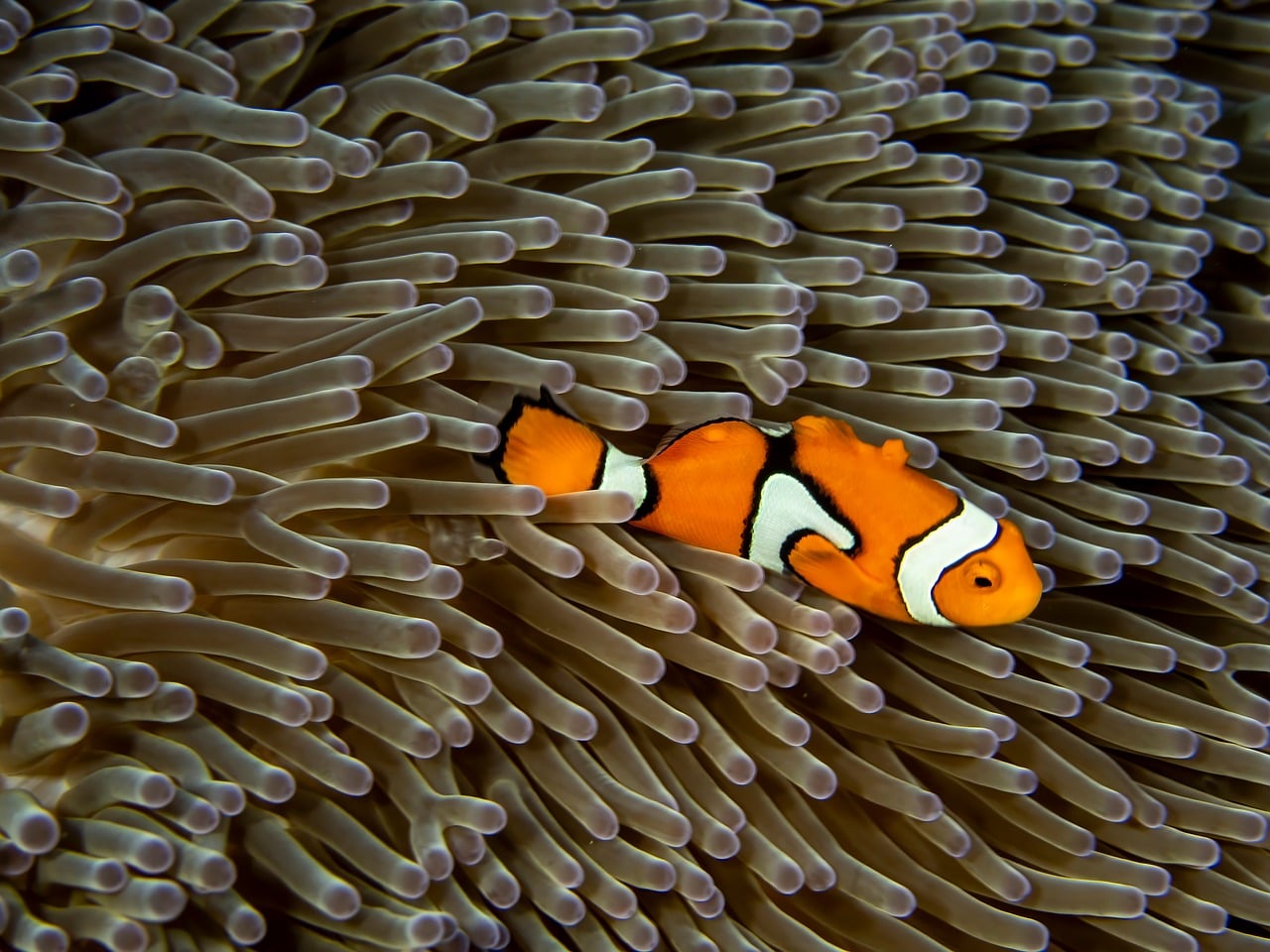
In the water, the area has a reputation for clear conditions and marine life. Spinner dolphins often rest in the bay in the morning, and snorkelers can find fish, turtles and sometimes dolphins, though they are protected and must be approached with restraint. Boats from Maalaea and Kihei also run along this coast, visiting sea caves and coves that cannot be reached by land. The linked option is a half-day boat tour that visits sea caves and La Perouse Bay for snorkeling, giving a comfortable way to see the shoreline.
Ahihi-Kinau Natural Area Reserve nearby is managed by the state to protect its unique coral and tide pool ecosystems, so access can be limited, and some areas are closed to the public. Check current rules before you go, stay on designated paths and never remove rocks, shells or coral. There are no services here: no shops, water or shade, and cell coverage can be unreliable. Bring plenty of water, a hat, sun protection and sturdy shoes.
If you drive, be ready for rough road sections and parking that fills early. Rental agreements sometimes limit driving beyond a certain point, so read the terms. Visit in the morning, when the water is calmer and the sun is less intense, and leave time for the drive back to the resorts. The coast is also culturally significant, with archaeological features and ancient trails, so keep to the paths and respect any signage.
A good plan is to start early with a boat or kayak trip and then walk a stretch of the King's Highway before the heat builds. The contrast of black lava and bright blue water is memorable, and many visitors consider this the most untouched part of the island. Whatever you do, leave nothing behind, because the reef and land here are fragile.
If you want to go beyond the shoreline, consider timing the visit with the sun in mind. Early light softens the black rock and keeps temperatures manageable, while midday on the lava can feel like an oven. A wide-brimmed hat, reef-safe sunscreen and a refillable bottle matter more here than almost anywhere else on the island. Photographers will find the contrast of dark stone, white surf and blue sky endlessly rewarding, and quiet visitors often spot seabirds, crabs and, in winter, humpback spouts out beyond the bay.
What to expect
The experience
A half-day guided boat and snorkel trip to sea caves and La Perouse Bay, or a self-guided shoreline visit with strict reserve rules.
Best time
Early morning, when the sea is calmer, the sun is gentler and dolphins are more likely to be resting.
How long
A half day, including travel from the resort areas.
Tips
Bring water, shade and sturdy shoes, follow reserve closures, keep clear of dolphins and check your rental agreement before driving on rough roads.
Quick picks
- Best for
- Adventurous travelers who want a wilder side of Maui.
- Families
- Better for older children, since the terrain is rough and there is little shade.
- Couples
- A scenic, adventurous morning followed by a quiet lunch in Wailea or Kihei.
- Pair with
- Makena Beach, Wailea Beach or a Molokini cruise.
- Time needed
- A half day.
Good questions
Why is it called La Perouse Bay?+
It is named after the French explorer Jean-Francois de Galaup, comte de La Perouse, who landed on this coast in 1786.
Can I snorkel at Ahihi-Kinau?+
The reserve has restrictions to protect the reef, and some areas are closed, so check the current rules before you go.
Is there shade or water?+
No. Facilities are minimal, so bring water, a hat, sun protection and snacks.
Will I see dolphins?+
Spinner dolphins often rest in the bay in the morning, but sightings are never guaranteed, and wildlife rules require that you give them space.
Is a boat tour worth it?+
A boat tour reaches sea caves and coves that are hard to reach from land and handles the rough road for you.