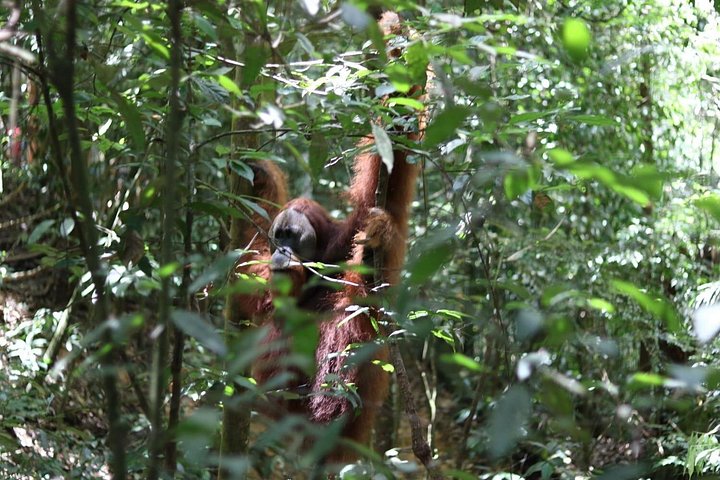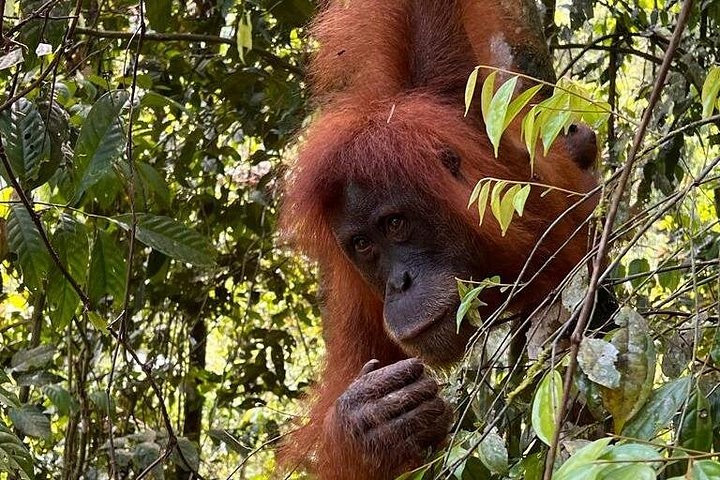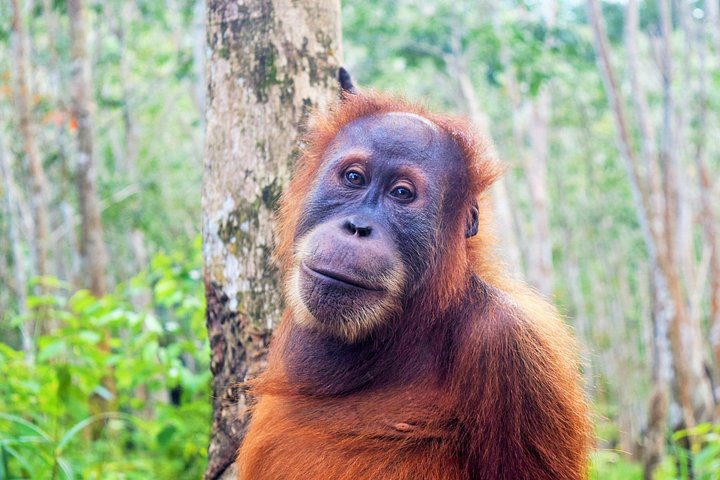
Not everyone has time for a trek in Bukit Lawang, and the Orangutan Haven day tour offers a shorter, easier introduction to the species. The visit focuses on conservation and care rather than jungle hiking. You learn about the threats to Sumatran orangutans, including deforestation, the palm oil industry and the illegal pet trade, and how rescue and rehabilitation centers work to return animals to the wild. It is a good choice for families, older travelers and anyone who wants information as well as animals. The tour is short, around two and a half hours, so it fits into a morning or afternoon. A guide explains the work of the organization, the stories of individual animals and the long-term goals of conservation. Depending on the program, visitors may see animals in enclosures or semi-wild settings, learn about the challenges of rehabilitation and ask questions about how the work is funded. Visits like this help support the organizations that care for rescued animals, so check how your fee is used.
What it is and is not
This is a conservation visit, not a jungle trek. You will not walk for hours or sleep in a camp, and sightings depend on the program rather than the forest. The experience is calmer and more educational than the Bukit Lawang trek, but it does not replace seeing orangutans in their natural habitat.
Choosing responsibly
Ask how the organization operates, whether animals are kept for tourists or for rehabilitation and what happens to them in the long term. Responsible programs do not allow touching, feeding or photographs with the animals. If the answers are unclear, choose a different activity.
Practical tips
Wear comfortable shoes, bring water and sunscreen and arrive on time. If you are traveling with children, prepare them to stay calm and quiet around animals. The tour combines easily with a Medan city tour, and it is a useful backup if rain or a tight schedule rules out a trek. Details and pickup arrangements vary, so confirm them with the operator.
Why conservation visits matter
Sumatran orangutans are critically endangered, with only a few thousand left in the wild, and the main causes are loss of forest to plantations, roads and illegal logging. Rescue centers and conservation groups work on several fronts, from treating injured animals to protecting habitat and educating communities. A short visit cannot solve these problems, but it can give you a clear picture of the stakes and a reason to choose sustainable products.
Consider how your own habits, from palm oil in food to paper and timber purchases, connect to forests half a world away, and share what you learn with friends when you return home.
Time and logistics
The visit is brief, so it fits easily into a morning before an afternoon flight or a free afternoon in Medan. Confirm the pickup point and what is included, and arrive a few minutes early.
Combining with other plans
If you have a free day in Medan, pair this short visit with the city tour in the morning and the cooking class in the afternoon for a balanced day. If you plan to trek in Bukit Lawang the next day, treat the visit as preparation: you will understand the animals better and be more thoughtful about how to behave in the forest.
What to expect
The experience
A short guided visit focused on orangutan conservation and care, about two and a half hours long.
Best time
Mornings are cooler.
How long
About two and a half hours.
Tips
Ask how the organization is funded and follow all rules about distance and feeding.
Quick picks
- Best for
- Travelers with limited time who want to learn about orangutan conservation.
- Families
- Easy and educational for children.
- Couples
- A thoughtful half-day stop.
- Pair with
- The Medan city tour or Tjong A Fie Mansion.
- Time needed
- About 2.5 hours.
Good questions
Is it a jungle trek?+
No. It is a short conservation-focused visit.
Will I see orangutans?+
Depending on the program, yes, but not in the wild.
Is it good for children?+
Yes, it is short and educational.
How long is it?+
About two and a half hours.
How do I choose responsibly?+
Ask about animal welfare, feeding rules and funding.