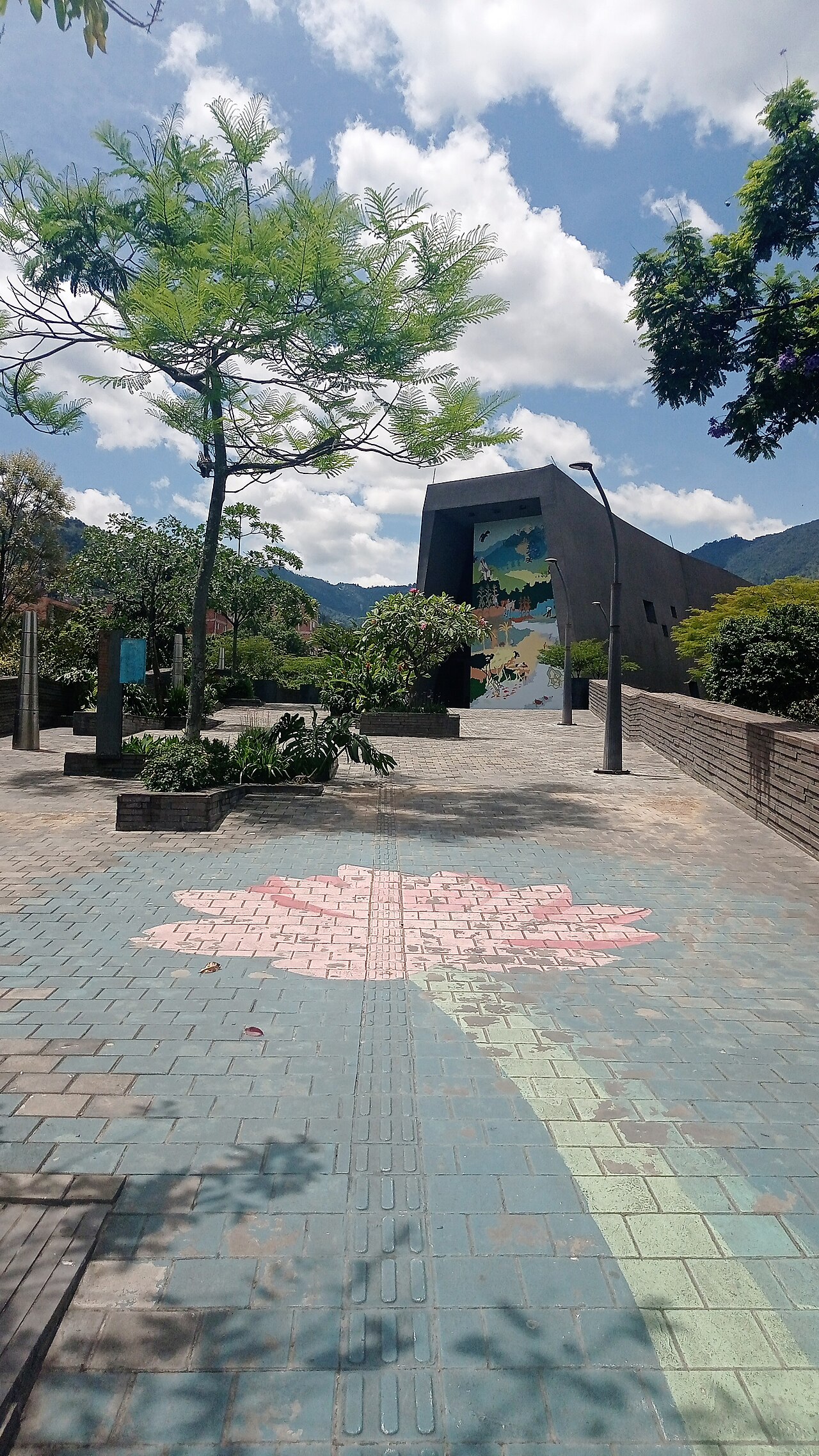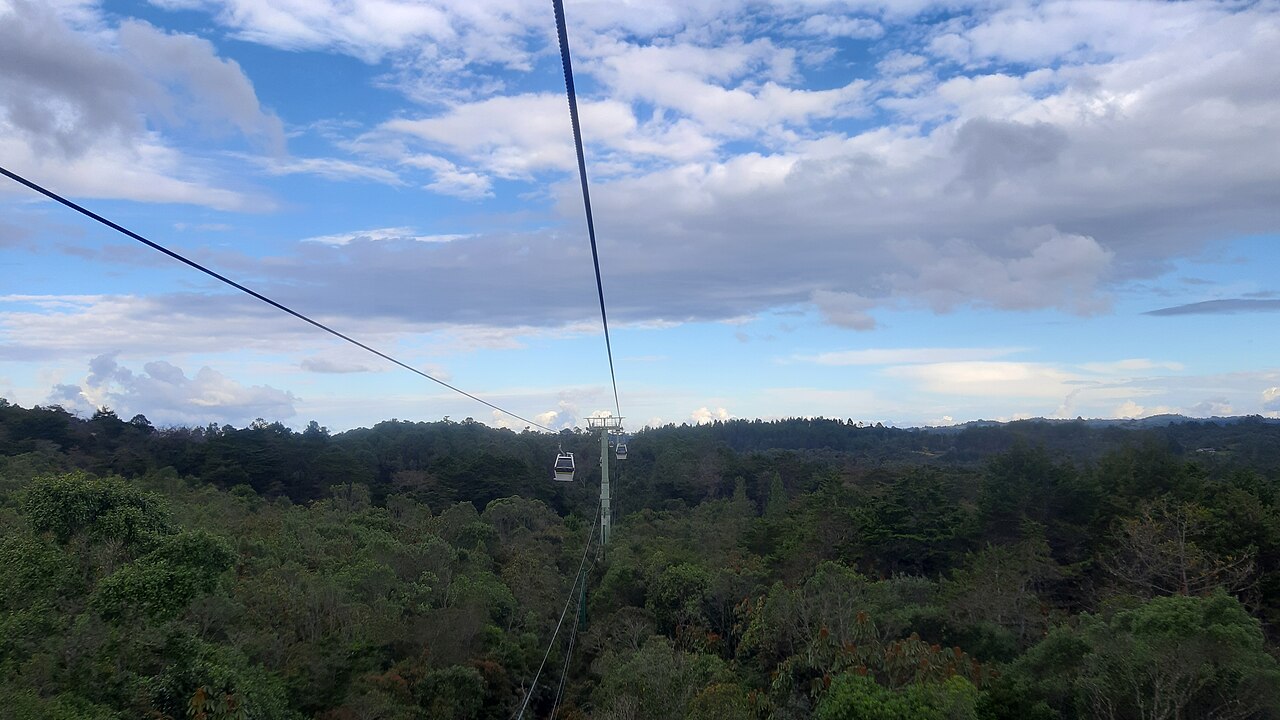
Comuna 13, officially San Javier, climbs the western slope of the Aburrá Valley in a stack of brick houses, steep alleys and bright murals. For years its name was shorthand for the worst of Medellín's violence, and the neighborhood's story since then, told by people who lived it, is the reason to come. Today the lanes around Las Independencias are covered in graffiti by local artists, with portraits, bird and flower motifs, and messages of resilience painted at the scale of whole house walls. The first public outdoor escalators in the city carry residents and visitors up the hill, and at the top a viewpoint looks across rooftops to the valley and the mountains beyond. Hip-hop dancers, break-dance crews and street vendors selling fruit, ice cream and micheladas work the stairways, which gives the district a festival feel on weekends. The sensible way to see it is on a guided tour. A guide explains who painted what and why, connects the murals to the history of the neighborhood, and keeps the group in the parts of Comuna 13 that are set up for visitors. The Viator tour we link leaves from Estación Poblado, includes the metro, cable car and bus rides, and runs roughly four and a half hours, so you travel together and do not have to work out the transport on your own.
Why a guide matters here: the murals are beautiful, but they are also memorials. Many carry names, dates and symbols that mean little without context, and the best guides grew up nearby or work with community groups, so they can speak about the 1990s and early 2000s, the military operations of 2002 and the slow work of rebuilding trust with firsthand authority. The official Medellín tourism board makes the same recommendation, advising visitors to join a guided tour, to act respectfully, to remember that people live in these houses and to buy from local vendors. A tour is also the easiest way to avoid wandering into streets that are residential and not part of the visitor circuit.
Planning the visit: wear sturdy shoes, because the streets are steep and the stairs are many even with the escalators, and bring water, sunscreen and a light rain layer. Morning tours are cooler and less crowded, and the escalators and viewpoint get busy later in the day, especially on weekends and holidays. Keep your phone and camera close in the crowds, carry only the cash you need and expect to be offered snacks, juices and souvenirs along the way. Tipping the guide and buying a drink or a piece of art from a local seller directly supports the neighborhood.
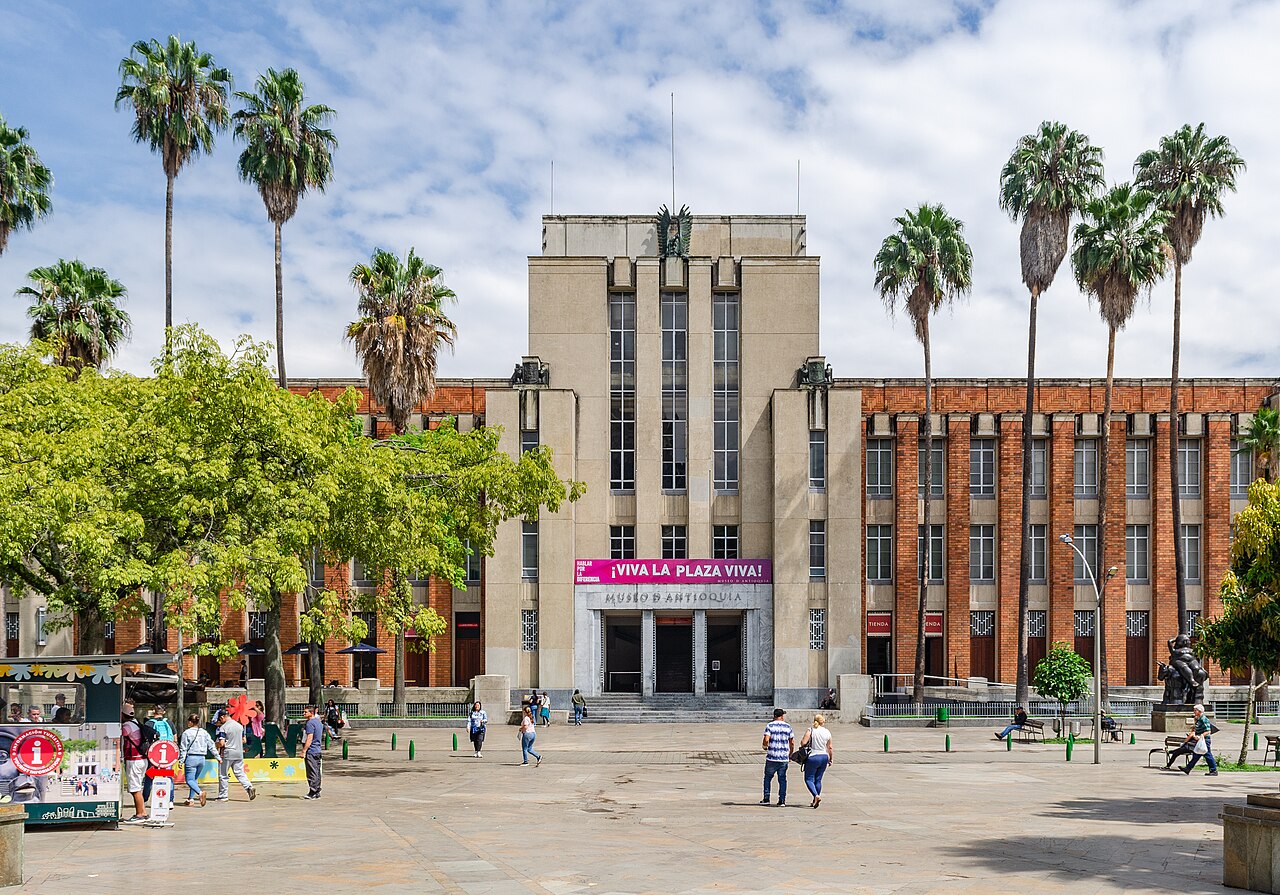
Making it a fuller day: pair the tour with the Casa de la Memoria museum, which covers the conflict in detail for free, or with an evening food tour to see another side of the city. Check the current status of the Metrocable line serving San Javier before you go, since cable lines close for annual maintenance, and your guide will adapt the route if one is out of service. If you prefer a private pace, several operators offer private versions of the same route.
What to expect
The experience
A small guided walk through the murals and stairways of Comuna 13, with outdoor escalators, a hilltop viewpoint, snacks and stories from the guide, reached by metro, cable car and bus from Poblado.
Best time
Morning, when the lanes are quieter and cooler; weekends and holidays bring crowds and street performers.
How long
About four to five hours including transport from the meeting point in El Poblado.
Tips
Wear grippy shoes, bring water and sun protection, keep valuables out of sight, respect the residents and tip your guide.
Quick picks
- Best for
- First-time visitors who want to understand modern Medellín through its art and its history.
- Families
- Fine for older children who can handle stairs and a long day; the stories are serious, so judge by age.
- Couples
- A shared look at the colorful viewpoint, then a snack and a fresh juice from a street vendor.
- Pair with
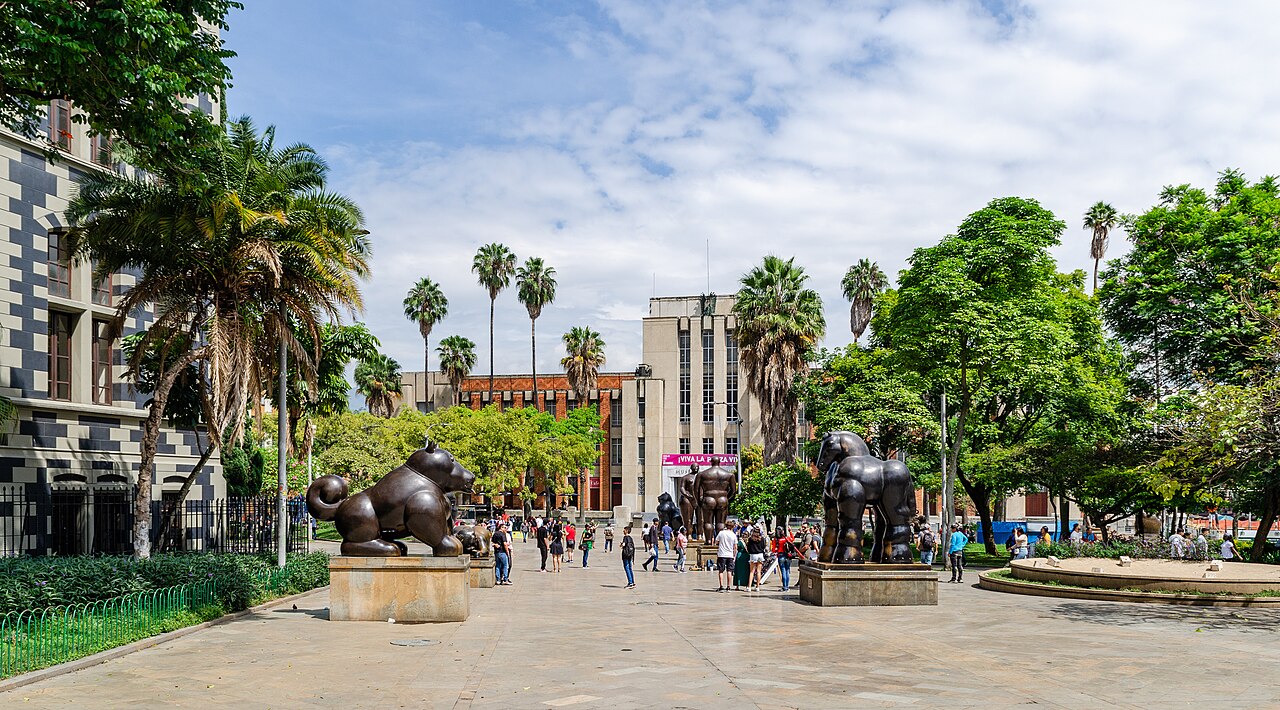
- The Casa de la Memoria museum, Plaza Botero or an evening food tour.
- Time needed
- A half day, plus time to rest before dinner.
Good questions
Is Comuna 13 safe to visit?+
The areas used by guided tours are set up for visitors and the official tourism board describes them as welcoming to respectful travelers. Go with a guide, keep valuables out of sight and stay on the visitor route rather than wandering into residential streets.
Do I need a guide for Comuna 13?+
It is strongly recommended. A guide gives the murals their meaning, explains the history and keeps you in the right streets. Local guides also make sure your money supports the neighborhood.
How do I get to Comuna 13?+
Independent visitors take the metro to San Javier and then a bus or taxi up the hill, but the Viator tour we link includes the metro, cable car and bus from its meeting point at Estación Poblado.
What are the outdoor escalators?+
They are the neighborhood's first public escalators, built so residents could climb the steep hillside without hundreds of steps. They now lead visitors toward the viewpoint over the valley.
How long does the tour take?+
Plan on roughly four to five hours door to door, including the rides up and down. Free cancellation is normally offered up to a day before.