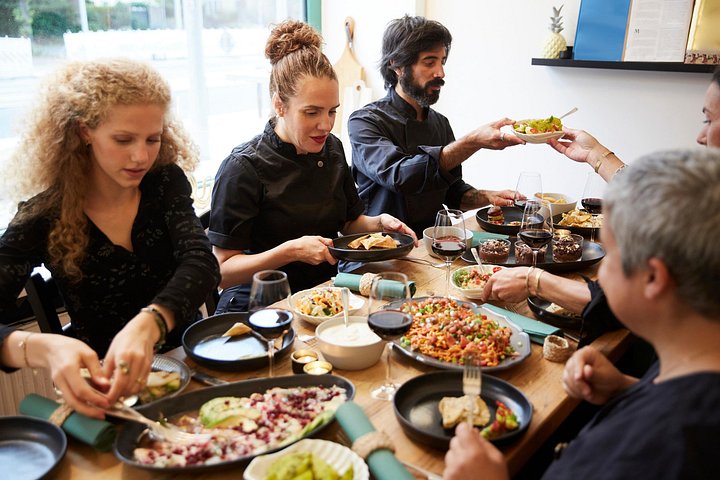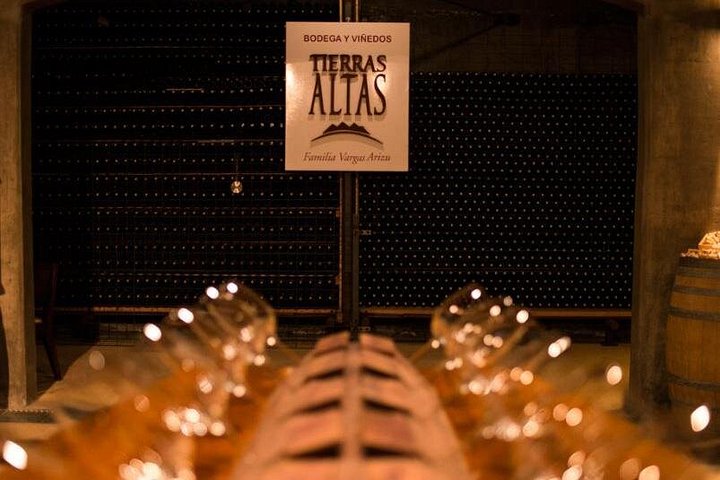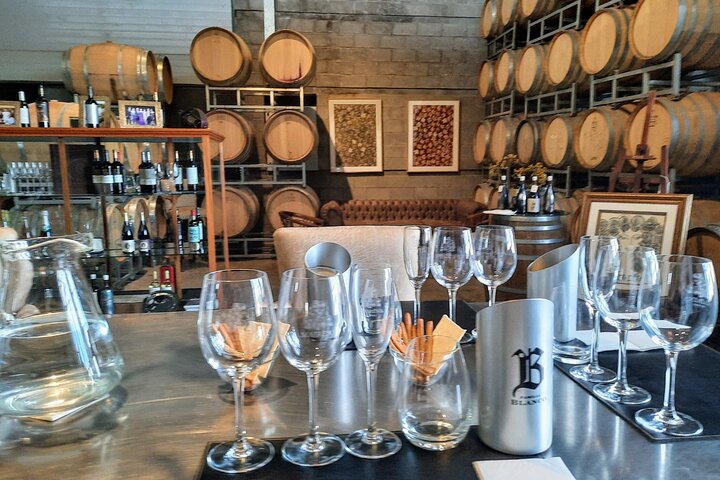
Asado is more than a barbecue in Argentina; it is a ritual. The fire is built slowly, the cuts are chosen with care, the cooking is patient, and the meal is shared with family and friends over several hours. Learning to make one with a local host is one of the most enjoyable ways to understand the culture. The experience we link is a hands-on asado with a wine tasting, led by a host who explains the process from lighting the fire to carving. You will usually learn about the cuts, the way embers are managed, the importance of salt and timing and how the meal is served in stages, starting with sausages and offal before the main cuts arrive. Wine is part of the lesson, and the tasting helps you see why Malbec and grilled meat are such an enduring pair. It is a social, relaxed activity that suits couples, small groups and families with older children, and it ends the way a good asado should: with a long meal at the table.
What you will learn
The foundations of fire management, how to read the heat, how long different cuts take and how to rest meat before serving. You will probably hear about the chimichurri that accompanies the meat and how to prepare it, along with side dishes such as grilled vegetables or salads. A good host will share the traditions behind the practice, such as the role of the parrillero, the person responsible for the grill, and the idea that nobody hurries an asado.
Even if you never plan to build a fire at home, the experience gives you a deeper appreciation of the meals you will eat for the rest of your trip.
Making the most of it
Arrive curious and hungry. Wear clothes that can handle a little smoke, and bring a layer in the cooler months. Ask questions throughout, as the host is usually keen to talk about food, family and local life. If you have dietary preferences, mention them in advance, since asado is meat-centred but good hosts can often add vegetables, cheeses and other items. Take notes on the wine pairings so that you can buy bottles later.
Practical notes
Confirm the meeting point, the start time and whether the session is at a private home, a garden or a dedicated space. Group sizes tend to be small, which gives the class a friendly feel. It is a good option for a rest day between wine tours and mountain trips, and it works in all seasons, including the cooler months when an outdoor fire is especially appealing.
Pair it with a cooking class if you want to cover empanadas and desserts as well, or save it as your farewell dinner. Remember to pace the wine, since the tasting and the meal can stretch over several hours.
A note on etiquette
In an Argentine asado, the person at the grill is respected, and the meal arrives in stages, so do not fill up on the first course. Sausages and grilled provolone usually come first, followed by the main cuts, and a salad or grilled vegetables appear along the way.
Pace your eating and drinking, and expect to sit at the table for hours. If you enjoy the experience, ask the host for the chimichurri recipe and where to buy good salt and herbs, then try it at home when you return and want to remember the trip.
What to expect
The experience
A hands-on asado with a local host, followed by a shared meal and wine tasting.
Best time
Evenings or long lunches; year-round, with winter fires especially appealing.
How long
Three to four hours.
Tips
Come hungry, ask questions and mention dietary preferences when booking.
Quick picks
- Best for
- Food lovers and couples who like hands-on experiences.
- Families
- Families with older children often enjoy the fire and the shared meal.
- Couples
- A warm, convivial evening for two.
- Pair with
- A wine tasting or the city food tour.
- Time needed
- Allow an afternoon or evening.
Good questions
Do I need cooking experience?+
No. The host explains each step, and the class is relaxed.
What is asado?+
It is the Argentine tradition of grilling meat over embers, usually shared with family and friends over several hours.
Is wine included?+
The experience we link includes a wine tasting. Check the details when you book.
Can vegetarians take part?+
Often yes with notice, though the focus is on meat. Tell the host in advance.
Where does it take place?+
Usually at the host's home or a dedicated space in or near the city. Confirm the meeting point when you book.