Menorca's history is told in its fortifications. The deep harbour of Mahon was strategically valuable, and over the centuries each ruling power built defences to protect it. Two sites at the harbour mouth give a clear picture of that story: the Fortress of Isabel II on La Mola headland, and Fort Marlborough across the water near Es Castell. La Mola is the larger and more imposing. Built in the nineteenth century, it is a huge stone fortress on the high headland on the north side of the harbour entrance. Its purpose was to prevent an enemy fleet from entering the harbour, and it was designed with thick walls, a dry moat, tunnels and gun batteries. Walking its ramparts and open parade grounds gives a sense of scale. Information panels and sometimes guided visits explain the construction and military life, and the views over the sea and the harbour are superb. Fort Marlborough sits on the south side. It was built by the British in the early eighteenth century, and extended by later forces. Much of it is underground, with a network of tunnels, galleries and chambers cut into the rock to protect soldiers from bombardment. Visitors can explore these passages and learn about the sieges and changes of flag that shaped the harbour.
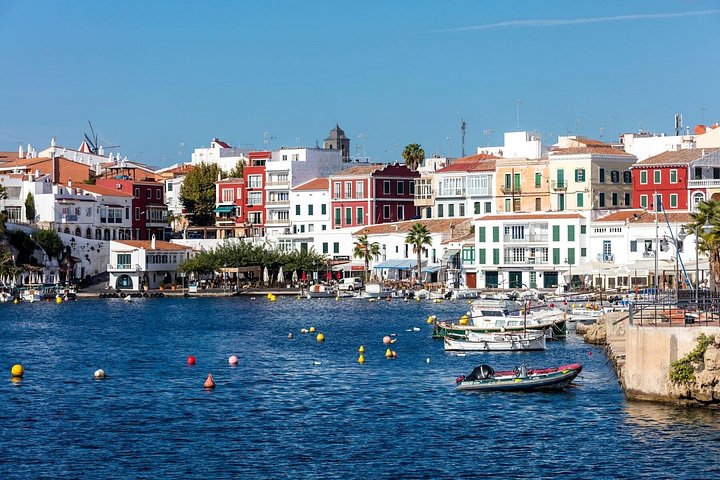
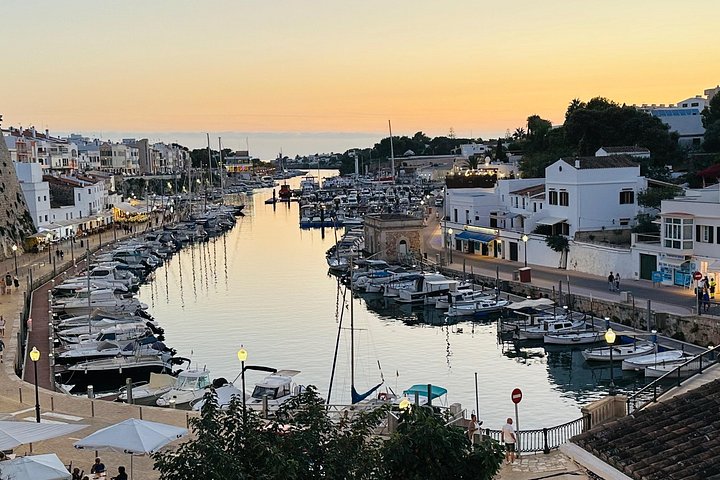
The two forts are near Es Castell, once called Georgetown under the British and often described as one of the first places in Spain to see the sunrise. The town has a waterfront with restaurants and a small marina, and the area is rich in British heritage, from street names to architectural details. A visit to the forts can be combined with a harbour cruise, which gives you views of both defences from the water.
Practical advice
Opening days and hours vary by season, so check locally before you go. La Mola is exposed, so bring a hat, sun cream and plenty of water; a windproof layer helps in the shoulder seasons. Wear comfortable shoes for uneven surfaces and steps. Fort Marlborough's tunnels are cool and can be dark and damp, so a light jacket is welcome. Allow around two hours for La Mola and an hour for the fort.
Families can enjoy the open spaces, the tunnels and the sense of adventure, though some areas have drops and uneven paths, so supervision is needed. The sites are not ideal for visitors with reduced mobility.
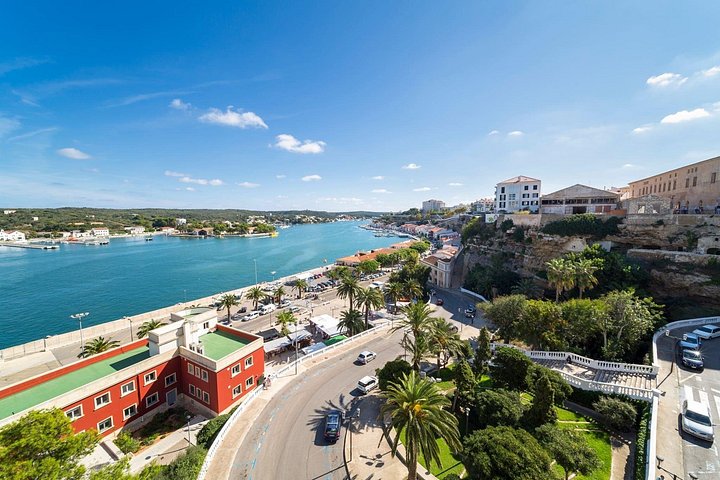
La Mola also has links to the Cami de Cavalls and the headland's natural environment. The area around the fortress includes scrub and cliffs with views across to the town. On a clear day you can see across the harbour to the old town of Mahon, stacked on its cliff.
If you have an interest in military history, the story of the siege and the shifting alliances is fascinating. If not, the scenery and the architecture still make the visit worthwhile. The forts show how Menorca's position at the crossroads of the western Mediterranean shaped everything from its buildings to its food and language.
Combine with a stroll in Es Castell, a seafood lunch on the water, and a boat trip to see the entrances from the sea. It makes for an easy and rewarding half day.
What to expect
The experience
Self-guided or guided visits to a nineteenth-century headland fortress and an eighteenth-century fort with underground tunnels.
Best time
Morning or late afternoon; La Mola is exposed to sun and wind.
How long
Two to three hours for both.
Tips
Check seasonal opening. Wear sturdy shoes. Carry water and a light layer.
Quick picks
- Best for
- History and military buffs, and anyone who loves a view.
- Families
- Children enjoy tunnels and open space, but watch for drops.
- Couples
- Sunset from La Mola followed by dinner in Es Castell.
- Pair with
- A harbour cruise and a seafood lunch on the water.
- Time needed
- Half a day.
Good questions
Who built La Mola?+
The Spanish, in the nineteenth century, to defend the harbour entrance.
Who built Fort Marlborough?+
The British, in the early eighteenth century, with later changes.
Is it suitable for children?+
Yes, with supervision, because of steps and drops.
Is there shade?+
Little at La Mola. Bring sun protection.
What else is nearby?+
Es Castell's waterfront and the harbour cruise.