Teotihuacan (Mexico City)
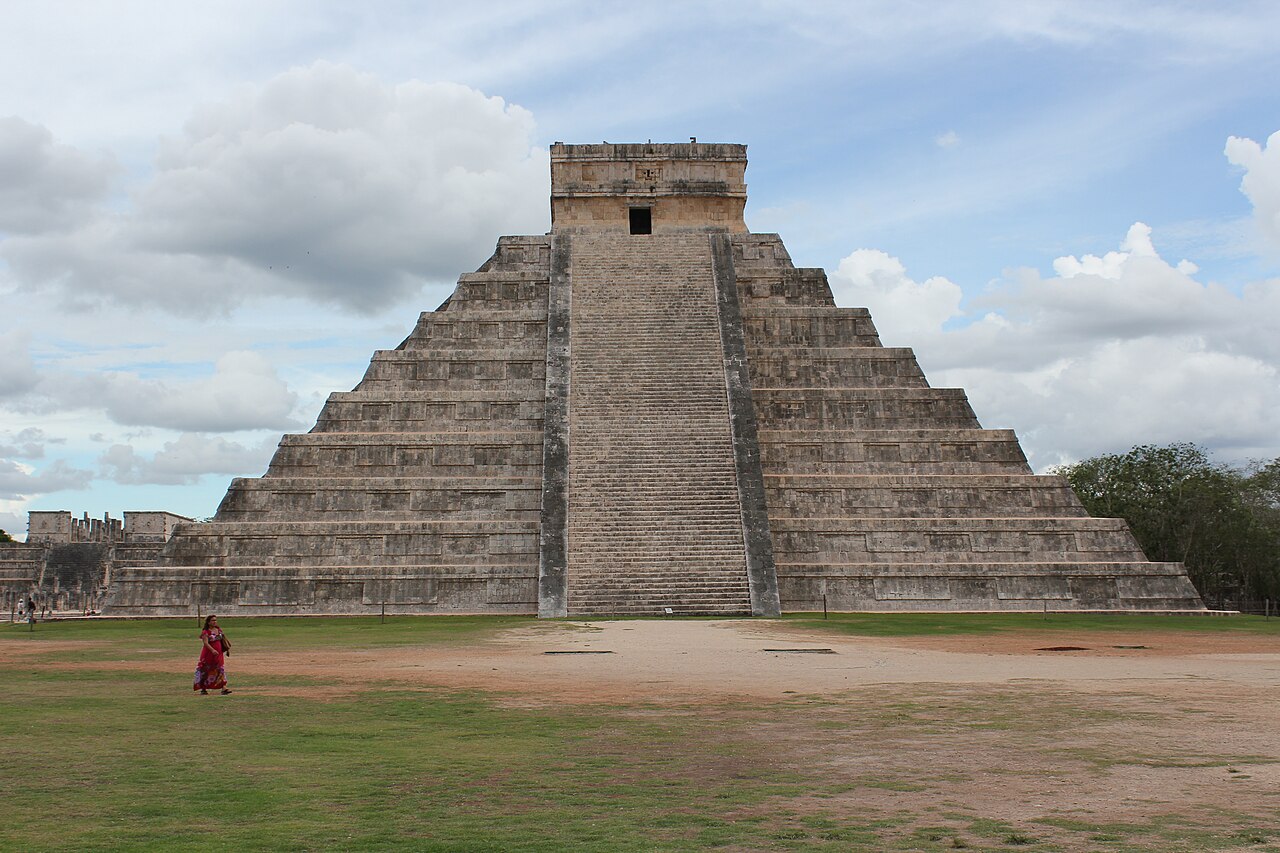
The city of the gods — the Americas' greatest ancient metropolis, its Avenue of the Dead running between the colossal Pyramids of the Sun and Moon, an hour from Mexico City. Dawn balloons float above it.
Mexico
Mexico City is the beating heart of Mexico and one of the great capitals of the world: an Aztec island city buried under a colonial one, now a vibrant metropolis of museums, murals, markets and some of the best food on Earth.
Its historic center holds the Zocalo, Templo Mayor and the largest cathedral in the Americas; Chapultepec Park gathers the National Museum of Anthropology and a hilltop castle; Coyoacan, Xochimilco and the university campus carry the stories of Frida Kahlo, Diego Rivera and Luis Barragan to the south; and the pyramids of Teotihuacan stand an hour from the city. Add tacos al pastor at midnight, mezcal in Roma and Condesa, mariachis at Garibaldi and a wave of acclaimed hotels, and the capital rewards every kind of traveler. This guide covers the essential sights, a range of hotels in the best neighborhoods and practical advice for planning your days.
Teotihuacan (Mexico City)
The city of the gods — the Americas' greatest ancient metropolis, its Avenue of the Dead running between the colossal Pyramids of the Sun and Moon, an hour from Mexico City. Dawn balloons float above it.
Zócalo & Centro Histórico
The heart of the Mexican world — the hemisphere's greatest square over the Aztec capital's bones: the sinking cathedral, Templo Mayor's excavated pyramid, Diego Rivera's palace murals, and seven centuries stacked in ten blocks.
Museo Nacional de Antropología
The greatest museum in the Americas — the Aztec Sun Stone, Pakal's jade mask and the colossal Olmec heads under Chapultepec's umbrella courtyard: every civilization the ruins belong to, explained in one unmissable day.
Frida Kahlo Museum — Casa Azul (Mexico City)
Frida's cobalt-blue house in Coyoacan — where she was born, painted, loved Diego, and died — kept intimate with her studio, dresses, and garden. Mexico City's hottest ticket: book online, well ahead.
Hand-picked: every experience here has strong traveler reviews and a verified booking link.
The city of the gods — the Americas' greatest ancient metropolis, its Avenue of the Dead running between the colossal Pyramids of the Sun and Moon, an hour from Mexico City. Dawn balloons float above it.
The excavated heart of Aztec Tenochtitlan, beside the Zocalo: the twin temples of Tlaloc and Huitzilopochtli, the great Coyolxauhqui stone and a museum of offerings that makes the lost island city real.
The heart of the Mexican world — the hemisphere's greatest square over the Aztec capital's bones: the sinking cathedral, Templo Mayor's excavated pyramid, Diego Rivera's palace murals, and seven centuries stacked in ten blocks.
The largest cathedral in the Americas, built over almost three centuries on the edge of the Aztec precinct, with a gilded Altar of the Kings, side chapels, plumb lines that show how far it has sunk and rooftop views.
The marble palace of Mexican art — the Tiffany-domed opera house whose upper floors hold the mural wars: Rivera's recreated Rockefeller mural, Orozco and Siqueiros at full fury, and the Alameda's white-and-gold icon.
A guided route through the great mural cycles of the Mexican Revolution's artists, from Rivera's history staircase at the National Palace to the courtyards of the Ministry of Education and San Ildefonso.
The mid-century skyscraper that proved a tall building could survive earthquakes, with a panoramic observation deck above the historic center and a bar and museum on the way up.
The greatest museum in the Americas — the Aztec Sun Stone, Pakal's jade mask and the colossal Olmec heads under Chapultepec's umbrella courtyard: every civilization the ruins belong to, explained in one unmissable day.
The only true castle in the Americas to house sovereigns — Maximilian's hilltop palace above Mexico City, now the National History Museum, with Tiffany-glass halls, heroic murals, and the capital's best viewpoint.
The silver tornado of Polanco — Carlos Slim's shimmering 16,000-tile museum, free forever: the largest Rodin trove outside Paris, old masters to Rivera, and the top floor's sculpture field under the curved skylight.
Frida's cobalt-blue house in Coyoacan — where she was born, painted, loved Diego, and died — kept intimate with her studio, dresses, and garden. Mexico City's hottest ticket: book online, well ahead.
Frida's village inside the city — cobbled plazas and painted walls where the coyote fountain plays: churro-and-tostada market stalls, the weekend arts bazaar, Cortés-era streets, and the bohemian afternoon every CDMX trip owes itself.
Hotels we would book ourselves, from splurges to good-value bases.
Reforma / Chapultepec, Mexico City
The capital's garden sanctuary — a hacienda-style courtyard oasis on Reforma beside Chapultepec, with Fifty Mils (one of the world's great bars), serene rooms, and five-star footing for museums and food crawls.
Check rates →Reforma / Diana Fountain, Mexico City
Reforma's glass tower of ritual luxury — butler service, Diana-fountain views down the grand boulevard, a high-rise pool and Remede spa, at the Angel-to-Chapultepec heart of the city.
Check rates →Polanco / Chapultepec, Mexico City
A Ricardo Legorreta landmark of vivid color and monumental geometry beside Chapultepec, with big public spaces, a pool, several restaurants and an easy walk to the Anthropology Museum.
Check rates →Polanco / Campos Eliseos, Mexico City
A bold, social design hotel in Polanco's Campos Eliseos district, with a pool, buzzing lobby bar and rooms that make a statement, close to Chapultepec and the dining scene.
Check rates →Polanco, Mexico City
The boutique pioneer that helped define Polanco's modern design scene, with a glass facade, minimalist rooms and a rooftop pool and bar above the neighborhood.
Check rates →Historic Center / Zocalo, Mexico City
A belle epoque landmark on the Zocalo, famous for its stained-glass canopy, birdcage elevators and a terrace over the square. The most atmospheric base for the historic center.
Check rates →Condesa, Mexico City
The design hotel that made the neighborhood — Grupo Habita's 1928 triangle on Parque España: a white-and-timber atrium, the rooftop's sushi-and-mezcal terrace under the jacarandas, and Condesa's café society at the door.
Check rates →Polanco, Mexico City
The mansion hotel of Polanco — a 1940s Spanish Revival home turned 19-suite hideaway on Parque Lincoln: museum-grade Mexican art, breakfast in the conservatory, and the quarter's luxury row at a residential whisper.
Check rates →Zona Rosa / Juarez, Mexico City
A long-running classic in the Zona Rosa district, with a heritage building, a bright atrium bar and a central location between Reforma, Chapultepec and Roma.
Check rates →The capital distilled — Centro's layers, Chapultepec's museums, Coyoacan and Frida, Teotihuacan's pyramids, and the food that binds it, with timed-ticket warnings and neighborhood logic.
The practical foundation — choosing between beach coasts and the capital, money and connectivity, health and safety perspective, and the etiquette that makes Mexico open up.
A practical comparison of the Historic Center, Reforma, Polanco, Roma and Condesa, Coyoacan and the Zona Rosa, with hotel picks and the trade-offs of each base.
Tacos al pastor, tamales, markets, cantinas, mezcal and fine dining: how to eat well in the capital, what to order, how to stay healthy and what to book ahead.
When to go to Mexico City for weather, air quality, festivals and crowds, with notes on the rainy season, Day of the Dead, jacaranda bloom and holiday periods.
The best day trips from Mexico City, including Teotihuacan, Puebla and Cholula, Tepoztlan, Taxco and Cuernavaca, with travel times, tour tips and how to combine them.