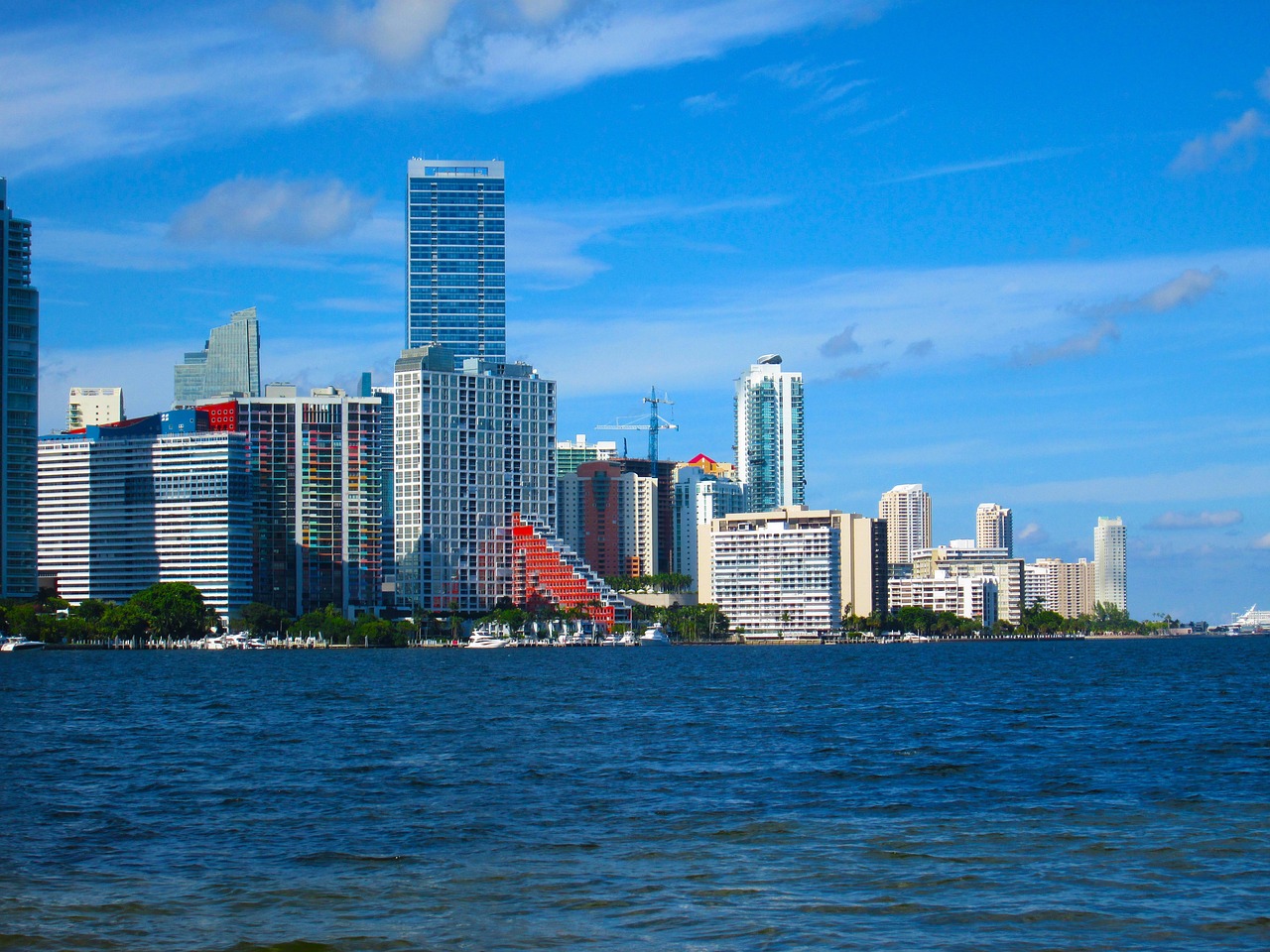
Vizcaya is what you get when an early-twentieth-century industrial heir decides to build himself a Venetian palazzo on Biscayne Bay. James Deering — vice president of International Harvester — finished it in 1916 with 34 rooms of European antiques, ten acres of formal Italian and French gardens, and an iconic stone barge anchored in the bay as a breakwater. The estate is now a National Historic Landmark. Self-guided tours wander through the main house (mostly furnished as it was in the 1920s), the orchidarium, and the gardens — fountains, statuary, hedge mazes, and the famous bay views. It's Miami's single most photographed location, especially around sunset.
Vizcaya is what you get when an early-twentieth-century industrial heir decides to build himself a Venetian palazzo on Biscayne Bay. James Deering — vice president of International Harvester — finished it in 1916 with 34 rooms of European antiques, ten acres of formal Italian and French gardens, and an iconic stone barge anchored in the bay as a breakwater. It cost roughly $15 million in 1916 dollars (about $430M today) to build, employing 10% of Miami's working population at the time.
The estate became a National Historic Landmark in 1994. Today self-guided tours wander through the main house (still mostly furnished as it was in the 1920s — Deering was meticulous about provenance), the orchidarium, the casino building, and the gardens — fountains, classical statuary, hedge mazes, and the famous Biscayne Bay views. Multiple movies and music videos have filmed here, but it's most famous as Miami's photogenic backdrop, particularly around sunset and for wedding shoots.
Plan 2-3 hours. The main house is air-conditioned (a relief in summer); the gardens are not. The audio guide adds significant context for $5 and is worth it — Deering was an unusual figure and the house tells his story through its objects.
What to expect
The experience
Self-guided through the main house and gardens. Audio guides available for purchase (recommended). Main house is climate-controlled; gardens are not.
Best time
Early morning (10am opening) for fewer crowds and cooler garden temperatures. Late afternoon for golden-hour photography. Avoid weekend midday in summer — heat and crowds peak together.
How long
Plan 2-3 hours minimum. Photography enthusiasts will want longer.
Tips
Wear comfortable shoes — many marble stairs and uneven garden paths. The orchidarium and the bay-facing stone barge are the standout photo spots. The on-site café is decent but limited; consider Coconut Grove for lunch after.
Quick picks
- Best for
- History buffs, photography enthusiasts, anyone who appreciates early-1900s craftsmanship.
- Families
- Kids 8+ engage with the audio tour. Younger ones tire quickly; the gardens are easier for them than the house.
- Couples
- One of Miami's most romantic afternoons. Late-day light + the bay barge backdrop = classic engagement photo.
- Time needed
- Half-day commitment, especially with a Coconut Grove lunch.
Good questions
How do I get to Vizcaya?+
Just south of downtown Miami on South Miami Avenue. The Vizcaya Metrorail station is across the street; rideshare drops are direct to the main entrance. Parking is available but limited on busy weekends.
Are tickets timed-entry?+
Yes — Vizcaya uses timed entry to manage crowding. Booking in advance is strongly recommended, especially weekends and high season (December-April).
Can I get married or photographed for engagements here?+
Yes — Vizcaya hosts a limited number of weddings and offers a separate photography permit for professional shoots. Permits must be arranged in advance via the estate's website.
Is the estate accessible?+
The main house has limited wheelchair accessibility due to its historic structure. The gardens are more accessible. Contact the estate in advance for specific accommodations.
What's the dress code?+
No formal dress code. Comfortable walking shoes recommended given the marble stairs and uneven garden paths.
Is photography allowed?+
Personal photography is permitted throughout. Commercial or professional shoots require a paid permit. Drones are prohibited.