Miami's sunshine is reliable, but so are its two great interruptions: the sudden afternoon thunderstorm and the heat that makes midday outdoors miserable. Neither has to wreck a trip. The city has a strong bench of indoor and shaded activities, and with a little planning you can slide them into your itinerary without losing momentum. This guide covers what to do, when to do it and how to make a flexible plan that works whatever the sky decides.
## Understand the pattern
In the warm months, mornings are often clear and bright, with clouds building in the early afternoon and storms rolling through between roughly midday and early evening. They tend to pass quickly, though they can be intense, with heavy rain, lightning and flooded streets. In winter, the weather is drier and cooler, but a front can still bring a gray day.
The midday heat in summer is a separate problem: high humidity makes it feel hotter than the thermometer says. The solution in both cases is to put outdoor activities in the morning and keep an indoor option ready for the afternoon.
## Museums that absorb a day
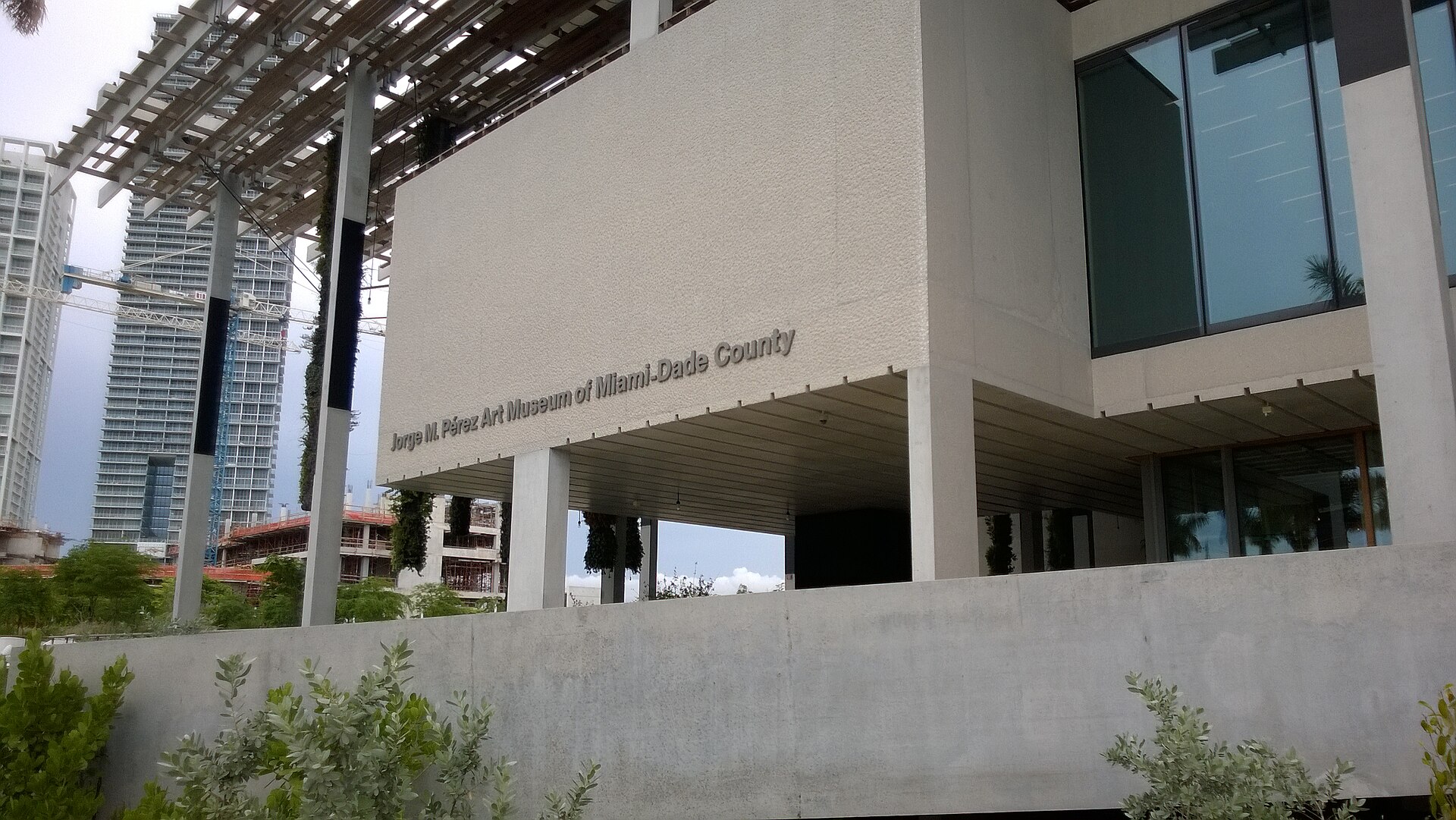
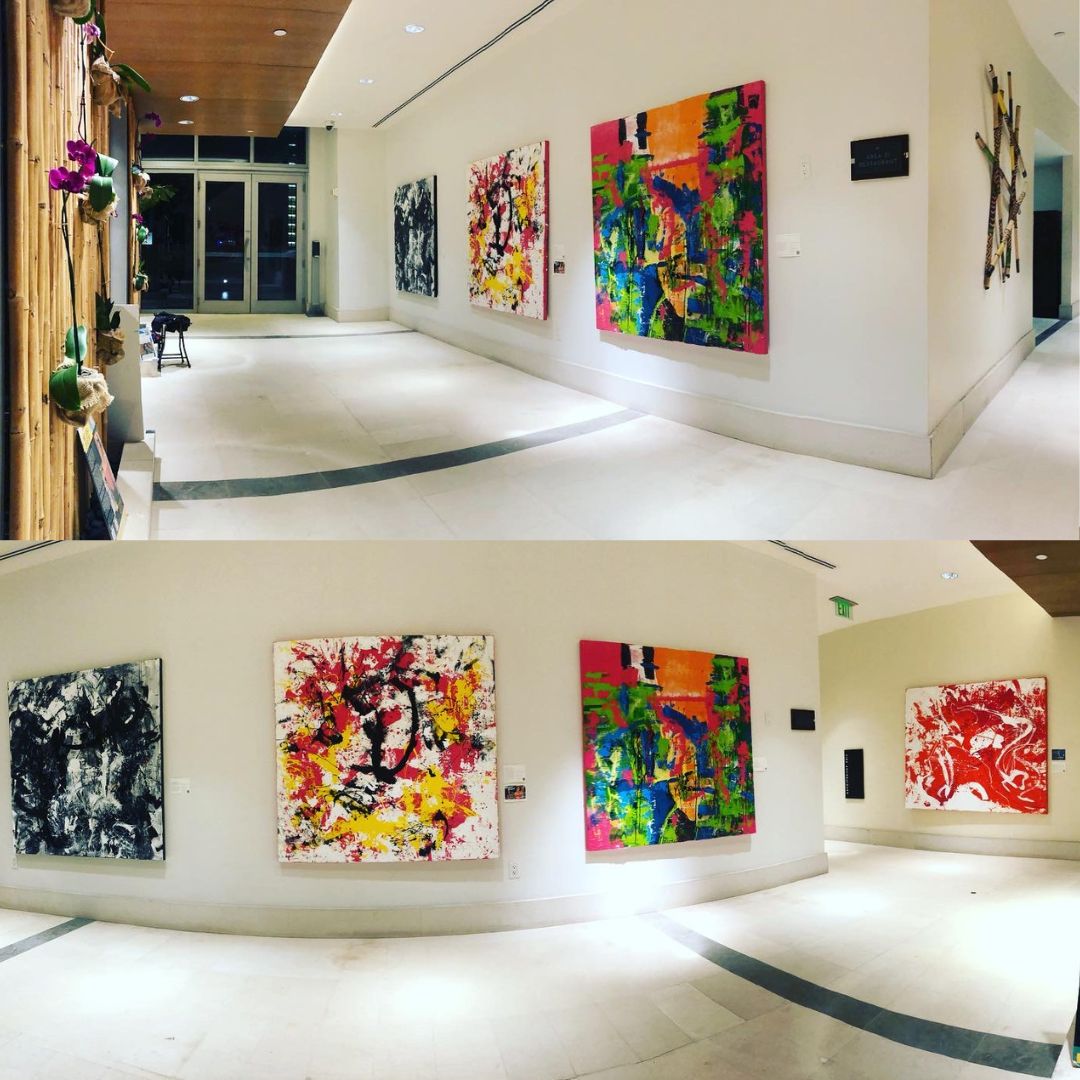
Miami's museums are some of the best bad-weather choices in Florida. The Frost Science Museum combines an aquarium, a planetarium and interactive exhibits, and it can fill half a day without difficulty. The Pérez Art Museum Miami sits on the bayfront with big windows, shaded terraces and contemporary collections. The Rubell Museum, the Bass Museum and the Museum of Graffiti suit art lovers, while HistoryMiami and the Freedom Tower tell the city's story in air-conditioned galleries. Pick one major museum and one smaller stop, and you have a satisfying day.
## Immersive and playful indoors
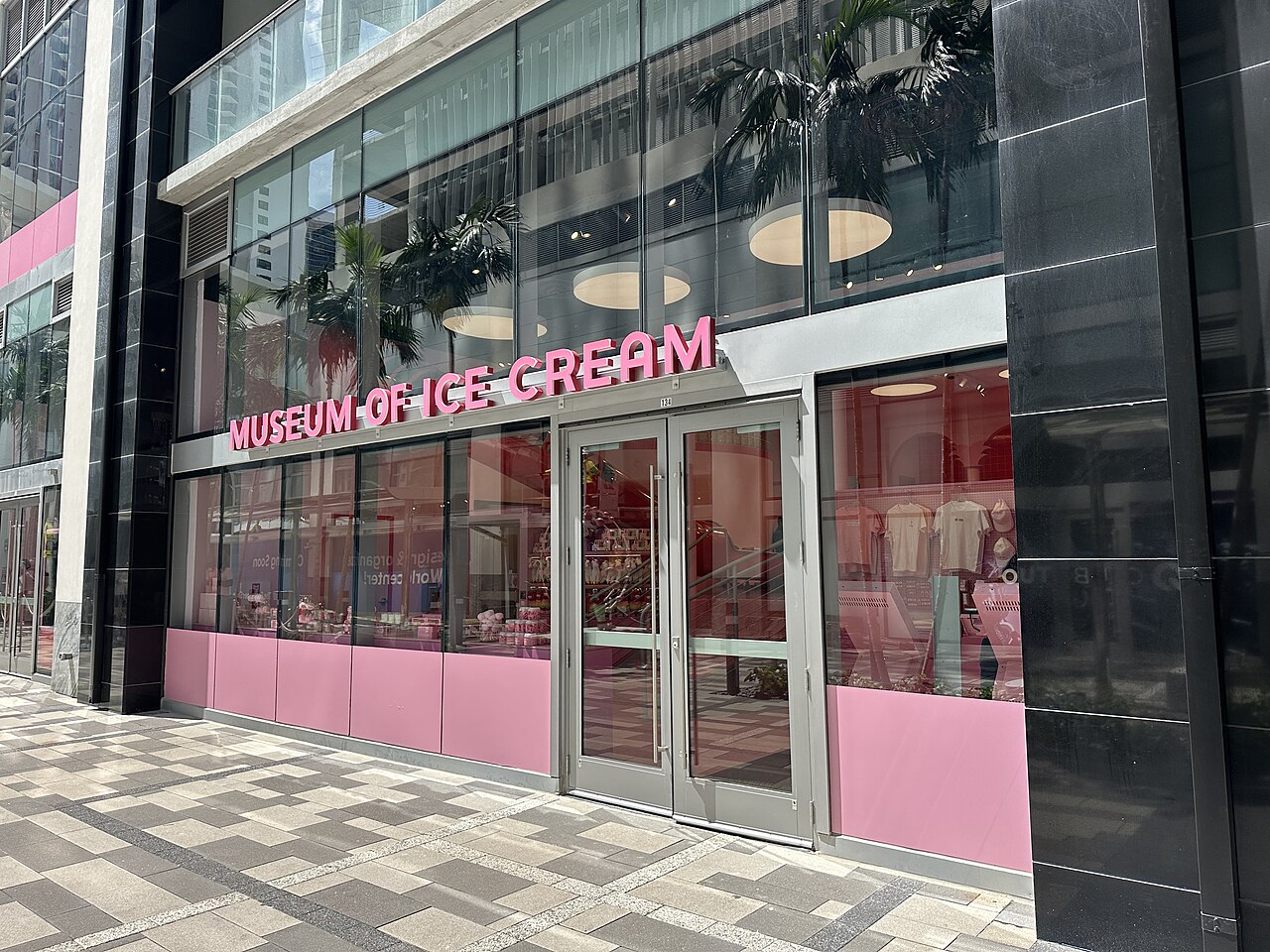
For something more interactive, Miami has a growing list of experiential venues. Superblue Miami offers immersive art installations, the Museum of Ice Cream is built for photographs and play, and the Paradox Museum bends perception with illusions and puzzles. An escape game, such as the one in Brickell City Centre, suits groups that want a team activity. These are good for families with older children, friends traveling together and anyone who wants entertainment rather than a history lecture.
## Shaded or covered outdoors
Not everything outdoors is off the table when it is hot. Vizcaya's covered loggias and gardens offer shade and breeze, though storms can close the gardens. The Fairchild Tropical Botanic Garden has tram rides and canopy cover, and Pinecrest Gardens has banyan shade and a splash zone for kids. A covered boat tour, such as a river cruise on a tiki boat, gives you air movement and a roof. In the early morning or evening, many of the city's best walks, including Lincoln Road and the Art Deco district, are pleasant even in summer.
## Food as an activity
Meals are a fine way to wait out a storm. A long lunch in Little Havana, a stroll through the food counters of a market hall, or a cafe crawl in Coral Gables turn bad weather into a feature. A guided food tour will usually continue in light rain, because most stops are indoors, but check the operator's weather policy. Cuban coffee, pastelitos and croquetas are more satisfying when the sky is dramatic.
## Sample plans
Clear morning, stormy afternoon
Spend the morning on the beach, a paddle or a bay cruise. Have lunch near the water, then head to a museum or immersive venue when the clouds build. Return outside once the storm passes for a late walk or sunset.
Wet all day
Choose one anchor museum, add a food stop and finish with a show, a game or a rooftop drink under cover. Keep a rideshare app ready, since streets can flood and taxis become scarce.
Scorching day
Start early with the outdoor highlight. Be indoors from about eleven until four, using museums, shops or a long lunch. Resume outdoors in the evening, when the light is better and the temperature eases.
## Practical tips
Carry a compact umbrella or light rain jacket in summer, wear shoes that dry quickly and avoid leather soles on wet marble. Drink water steadily, use sunscreen even on cloudy days and learn the nearest air-conditioned stop on any route. During hurricane season, which runs from June to November, check forecasts and keep your schedule flexible. If a named storm approaches, follow local guidance, and consider travel protection that covers weather delays.
## The upside
Bad weather has its rewards. Museums are less crowded when the beach is closed, restaurants have more space, and the humid air makes the colors of the city glow after the rain. Travelers who embrace a flexible plan often find that the rainy afternoon becomes the part of the trip they remember.