Landscape painters coined the superlative a century ago and nobody has successfully argued: Point Lobos, immediately south of Carmel on Highway 1, packs the Big Sur aesthetic into a walkable reserve — turquoise coves (China Cove's green glow is the famous one), one of only two natural Monterey cypress groves on earth along the Cypress Grove Trail, sea lions bellowing off Sea Lion Point, otters and harbor seals in every kelp-lined inlet, and whale spouts off the headlands in season. Trails are short and stackable (most under two miles, mostly gentle), the Whalers Cabin museum covers the cove's fishing centuries, and divers rate Whalers Cove among California's best. Arrive early — entry queues and lots fill by mid-morning, and a day-use reservation system has been phasing in; check current status before you go.
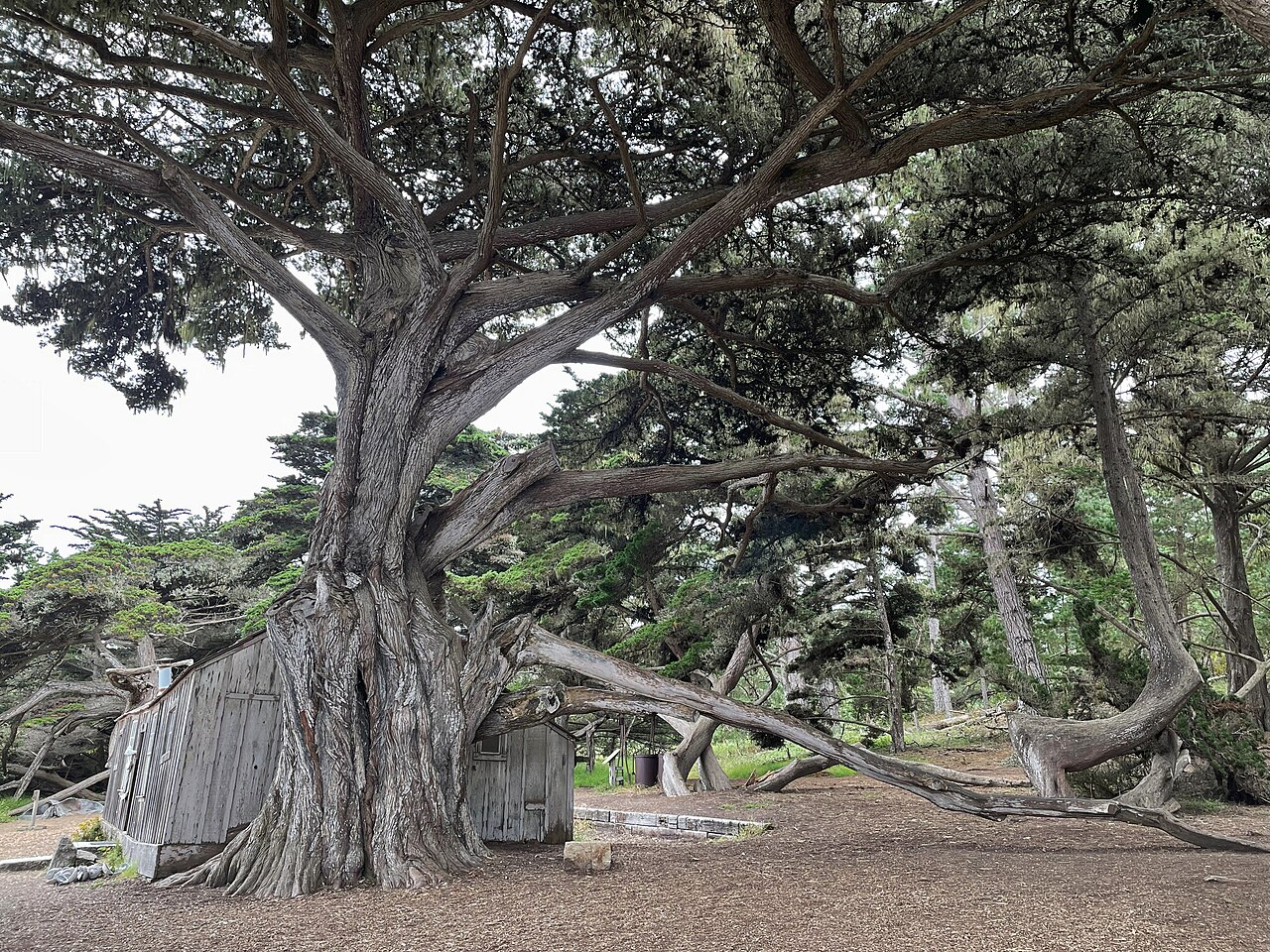
Point Lobos is where the Monterey cypress makes its last natural stand — the Allan Memorial Grove's wind-sculpted veterans on granite above the Pacific, one of just two native groves remaining anywhere — and where the Carmel coast concentrates everything it does into 550 walkable acres. The reserve's name (Punta de los Lobos Marinos, point of the sea wolves) came from the sea lion rookeries still bellowing offshore; its protection, dating to 1933, came early enough to keep the painters' subject intact.
The trail system is a tasting menu. Cypress Grove Trail (0.8 miles) loops the ancient trees and the headland views that launched a thousand canvases; Sea Lion Point's short walk delivers the rookery's audio-visual show; the South Shore Trail strings the painter coves — Weston Beach's patterned shale for tidepoolers, Hidden Beach's pocket sand; and Bird Island Trail finishes at the reserve's two jewels: China Cove, whose jade water over white sand looks retouched (seasonal beach access when stairs are open), and Gibson Beach below the bird colonies.
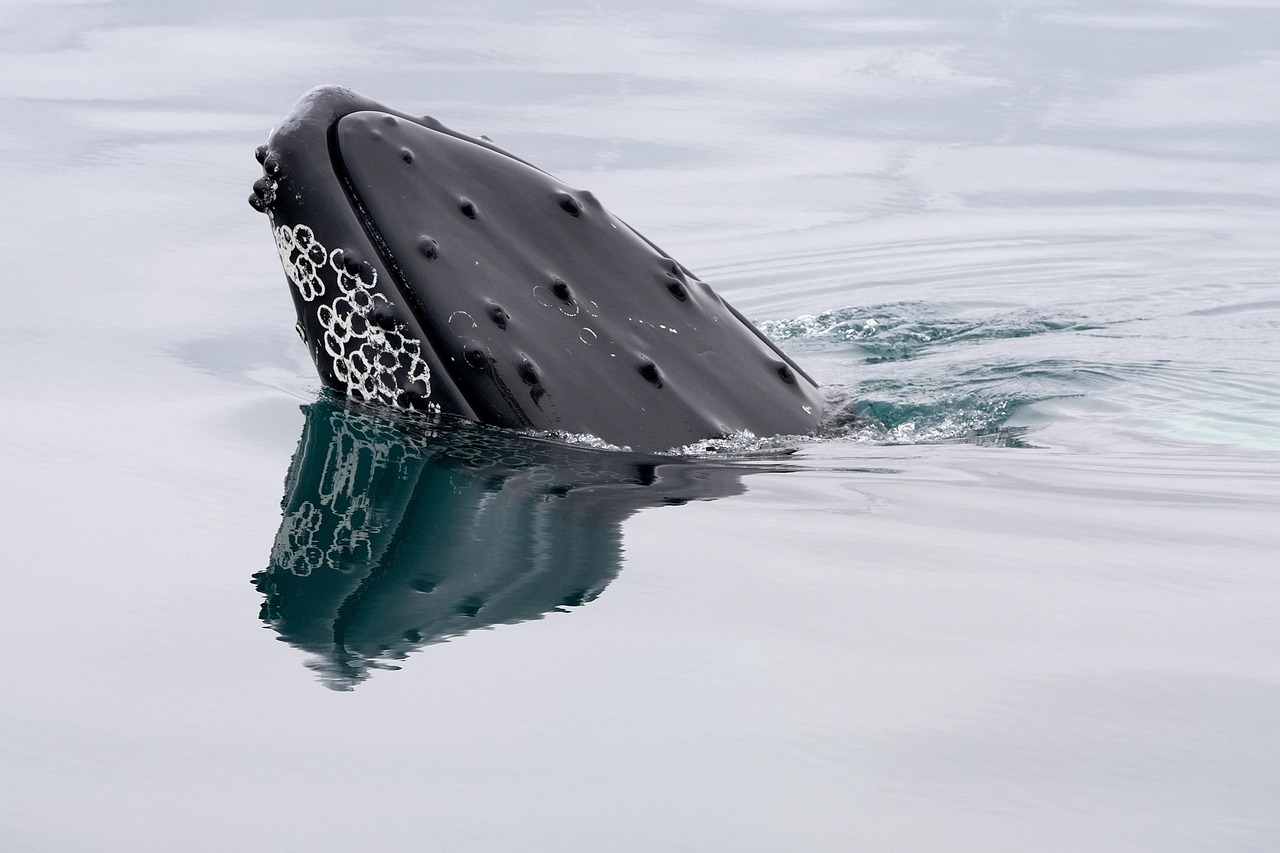
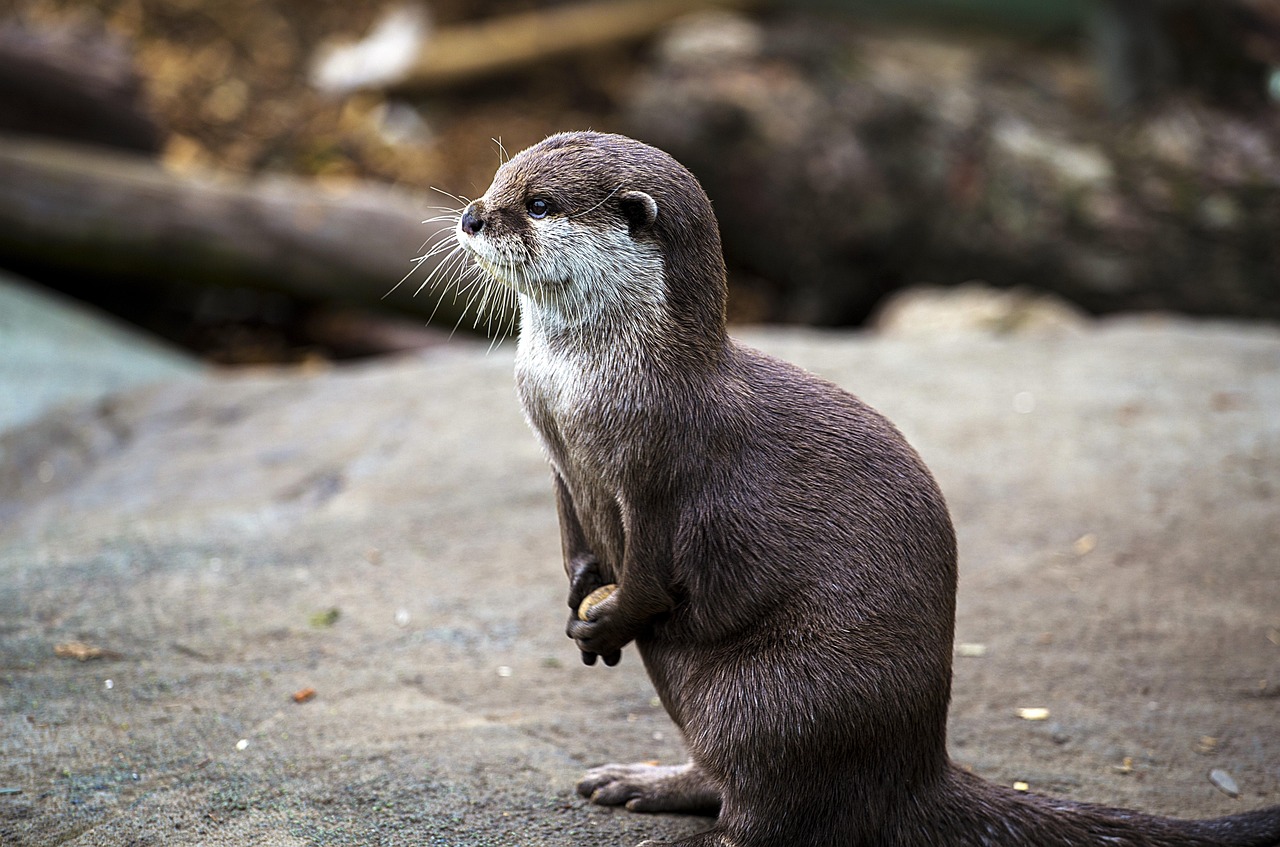
Whalers Cove adds the human layer — the 1850s Whalers Cabin museum tells the Chinese fishing, Portuguese whaling, and abalone eras — and its protected water hosts the dive community (reservations required for diving) and calm-day kayakers. Offshore, the show never stops: otters rafting in kelp, harbor seals on the ledges, gray whales close in winter.
Logistics are the one hard part
The reserve caps vehicles and the small lots fill by mid-morning year-round (weekends by 9:30); overflow walks in from the Highway 1 shoulder where permitted. A day-use reservation/shuttle system has been rolling out to manage exactly this — check the state parks page before visiting rather than gambling the morning. Go at opening or late afternoon, carry layers (the point makes its own fog), respect the no-dogs rule, and give it the two-to-four hours it deserves — it's the best half-day on the peninsula that isn't the aquarium.
What to expect
The experience
A 550-acre coastal reserve of short, stackable trails — the native cypress grove, China Cove's jade water, sea lion rookeries, tidepool shale, the Whalers Cabin museum, and diving in Whalers Cove. Vehicle entry capped; reservations phasing in.
Best time
Opening hour for parking, light, and wildlife; late afternoon for the painters' low sun. Winter adds close-in gray whales; spring wildflowers line the South Shore.
How long
Two hours covers the greatest hits; four does the full perimeter with tidepools.
Tips
Check the reservation/shuttle status on the parks page before going — the system has been phasing in. Arrive at opening regardless; lots fill by mid-morning. Stack Cypress Grove + Sea Lion Point + Bird Island for the essentials. No dogs. China Cove's stairs close seasonally — the overlook alone justifies the walk.
Quick picks
- Best for
- The peninsula's best natural half-day — Big Sur's beauty at stroll scale.
- Families
- Short loops, tidepools at Weston Beach, and sea lion noise — bring the binoculars and snack bag.
- Couples
- The Cypress Grove loop at golden hour is the coast's quietest romance.
- Pair with
- Carmel-by-the-Sea five minutes north, or the Big Sur drive continuing south.
- Time needed
- Two to four hours.
Good questions
Do I need a reservation?+
A day-use reservation and shuttle system has been phasing in to manage the reserve's vehicle cap — check the state parks page for current requirements before you visit. Early arrival remains the reliable strategy either way.
What's the one trail to do?+
Cypress Grove Trail — 0.8 miles through one of the last two native Monterey cypress groves on earth, with the headland views that made the reserve famous. Add Bird Island Trail for China Cove.
What wildlife will we see?+
Sea lions (hence the name), otters in the kelp, harbor seals, shorebirds and nesting colonies on Bird Island, tidepool life at Weston Beach, and gray whale spouts close offshore in winter-spring.
Can we swim at China Cove?+
When the beach stairs are open seasonally, the cove's sand is accessible — the water is beautiful and bracingly cold. The overlook delivers the famous view regardless.
Are dogs allowed?+
No — it's a natural reserve with sensitive wildlife; dogs are prohibited throughout.