Chateau Ramezay is the most atmospheric small museum in Old Montreal and the place to see what New France actually looked like indoors. The low stone house on Rue Notre-Dame, facing City Hall, was built in 1705 for Claude de Ramezay, governor of Montreal, and over the following two centuries it served almost every power that ruled the city: the French colonial administration, the fur-trading Compagnie des Indes, British governors after the Conquest, and, for a few months in 1775 and 1776, the American Continental Army, which occupied Montreal during its invasion of Canada. Benjamin Franklin came here in 1776 on an unsuccessful mission to win the Canadians to the American cause. The building became a museum in 1895, making it one of the oldest history museums in Quebec, and it was the first building in the province to be classified as a historic monument. The visit combines the house and its collections: furniture, portraits, documents and everyday objects from the colonial period onward, with a permanent exhibition that traces Montreal from its Indigenous roots through Ville-Marie to the modern city. The highlight for many visitors is downstairs, where the stone vaulted cellars recreate daily life in New France, from cooking to the fur trade. Outside, the Governor's Garden has been re-created in eighteenth-century style with a kitchen garden, orchard and ornamental beds, at its best from late spring to early autumn. Admission is modest, the museum is accessible by ramp and elevator, and the visit takes about an hour.
Why it matters: Old Montreal has many grand Victorian facades, but very few buildings survive from the French regime, and Chateau Ramezay is the most important of them. Walking through it gives a sense of scale that the bank towers and basilicas cannot: thick walls, low ceilings, small windows and the practical rooms of a colonial household. The American chapter surprises most visitors from the United States, who rarely learn that the Continental Army held Montreal for the winter of 1775 to 1776, and the museum tells the story with documents and objects from the period. The collections, gathered since the 1890s by the Antiquarian and Numismatic Society of Montreal, include some remarkable early portraits and artifacts.
How to visit well: go early in the day or late in the afternoon, when the Old Montreal crowds thin, and start in the cellars before going upstairs. The museum is small enough for a relaxed hour, and the garden adds fifteen minutes in season; it is a pleasant quiet corner in summer, when Place Jacques-Cartier next door is busy with street performers. Children usually enjoy the cellar reconstructions more than the formal rooms. Discounts are available for holders of various cultural and association cards.
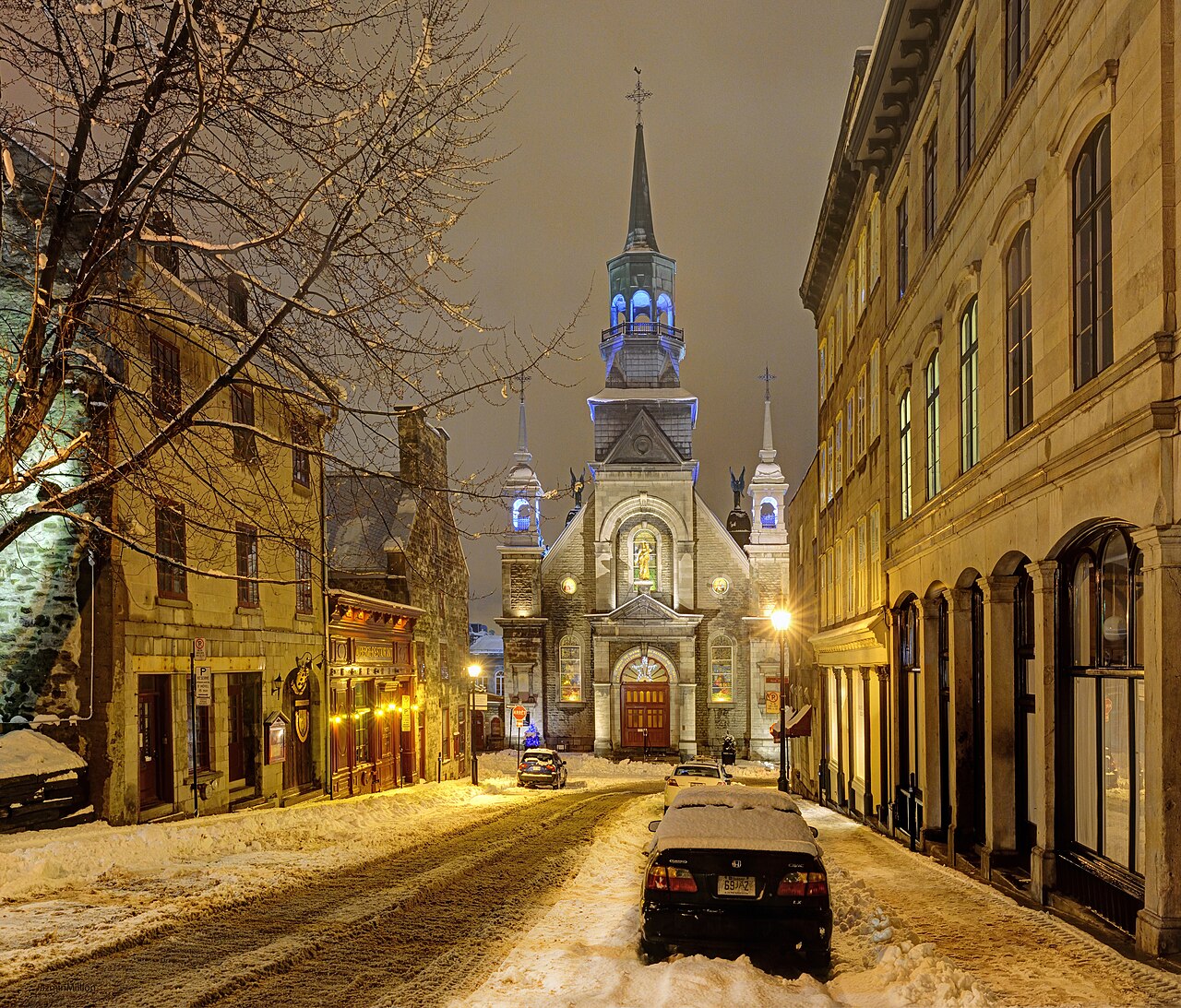
Practicals: the museum is at 280 Rue Notre-Dame Est, across from Montreal City Hall and a few steps from Place Jacques-Cartier, about five minutes on foot from Champ-de-Mars metro station on the orange line. Paid parking is available at the nearby Chaussegros-de-Lery municipal building. Hours vary by season, with shorter winter schedules, so check before you go. It combines naturally with the Marguerite-Bourgeoys site and Notre-Dame-de-Bon-Secours Chapel, a few minutes east, and with Pointe-a-Calliere for the full story of the city's founding.
What to expect
The experience
A historic house museum from 1705 with colonial furnishings, a permanent exhibition on Montreal history, reconstructed cellars and a re-created eighteenth-century garden.
Best time
Early or late in the day; the garden is at its best from late spring to early autumn. Winter hours are shorter.
How long
About an hour, a little more with the garden.
Tips
Start in the vaulted cellars. Look for the story of the American occupation of 1775 to 1776. Combine with City Hall, Place Jacques-Cartier and Bon-Secours Chapel. Metro Champ-de-Mars.
Quick picks
- Best for
- History buffs who want to step inside New France.
- Families
- The cellar reconstructions of colonial daily life appeal to school-age children.
- Couples
- A quiet hour and a stroll in the Governor's Garden before dinner in Old Montreal.
- Pair with
- Notre-Dame-de-Bon-Secours Chapel and Pointe-a-Calliere.
- Time needed
- One hour.
Good questions
What is Chateau Ramezay?+
A stone residence built in 1705 for Claude de Ramezay, governor of Montreal, which later housed British governors and the American Continental Army. It has been a museum since 1895.
Did Benjamin Franklin really visit?+
Yes. During the American occupation of Montreal in 1775 and 1776, Franklin came to the city on a mission to persuade Canadians to join the revolution. The museum tells this episode in its exhibitions.
How long does a visit take?+
About an hour for the house and cellars, plus a short walk in the Governor's Garden when it is in season.
Is it accessible?+
Yes. The museum reports that all exhibition rooms and the vaults are accessible by ramp and elevator, and the garden is accessible too.
Where is it?+
At 280 Rue Notre-Dame Est in Old Montreal, opposite City Hall and beside Place Jacques-Cartier, about five minutes on foot from Champ-de-Mars metro station.