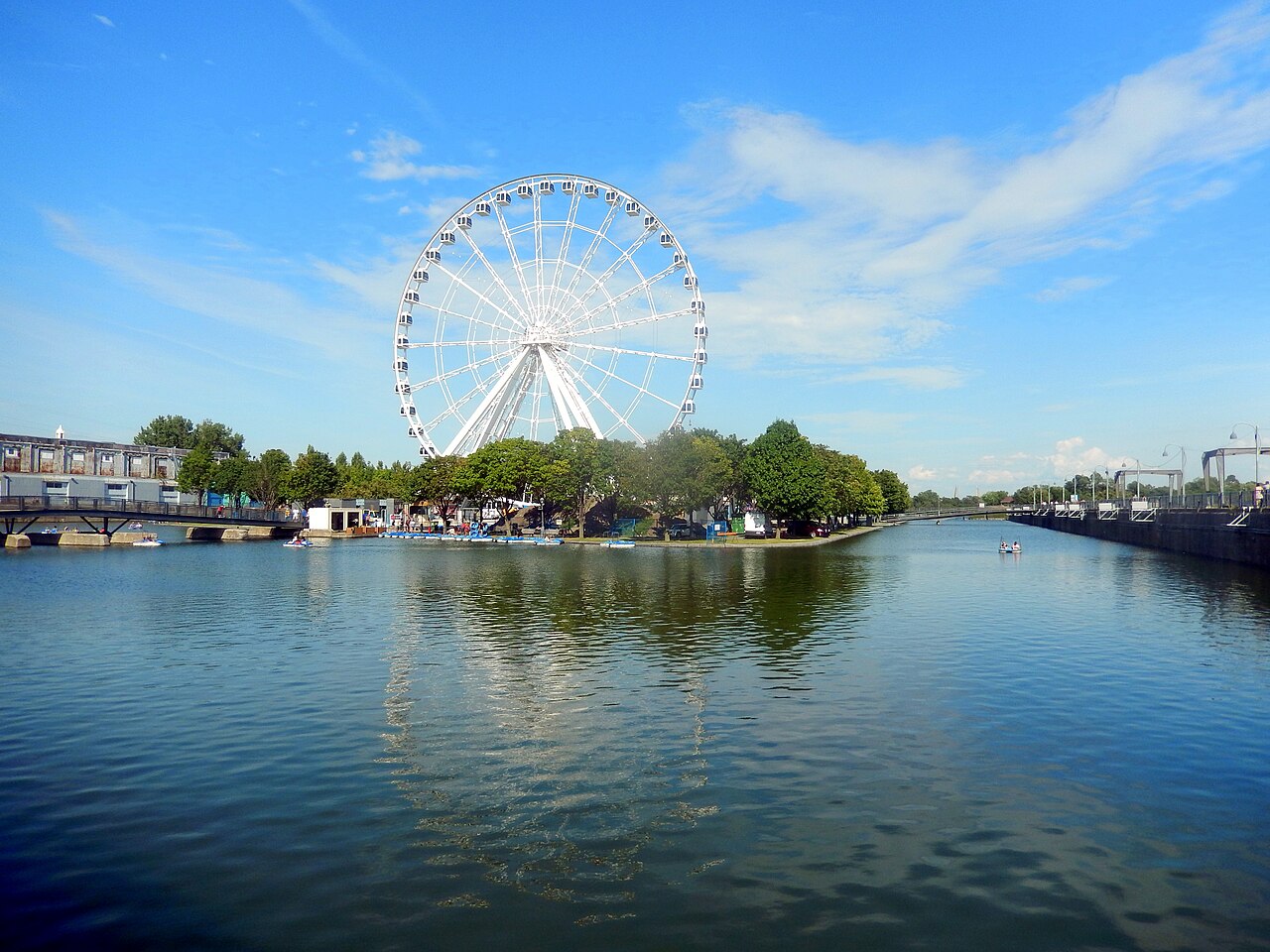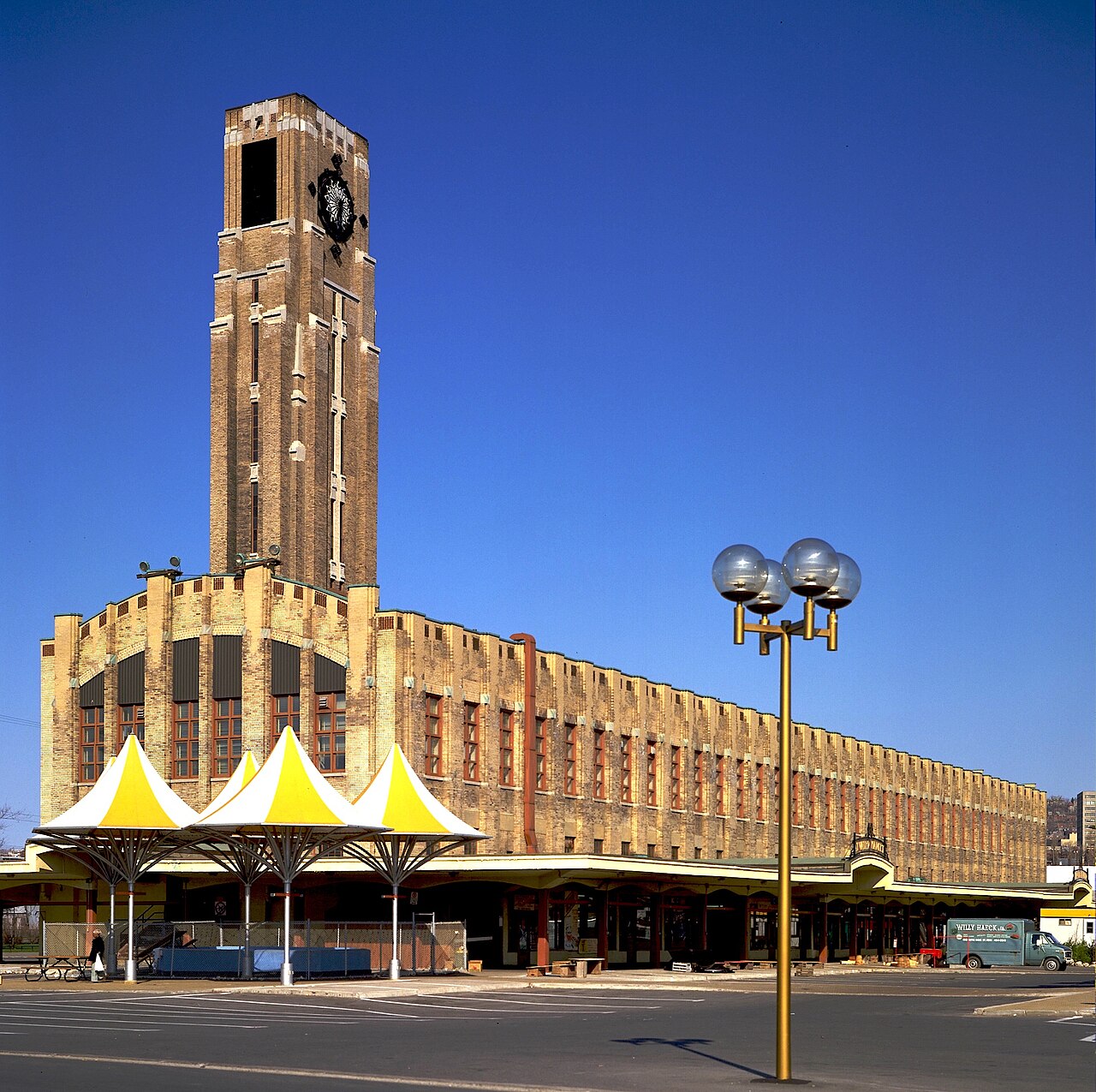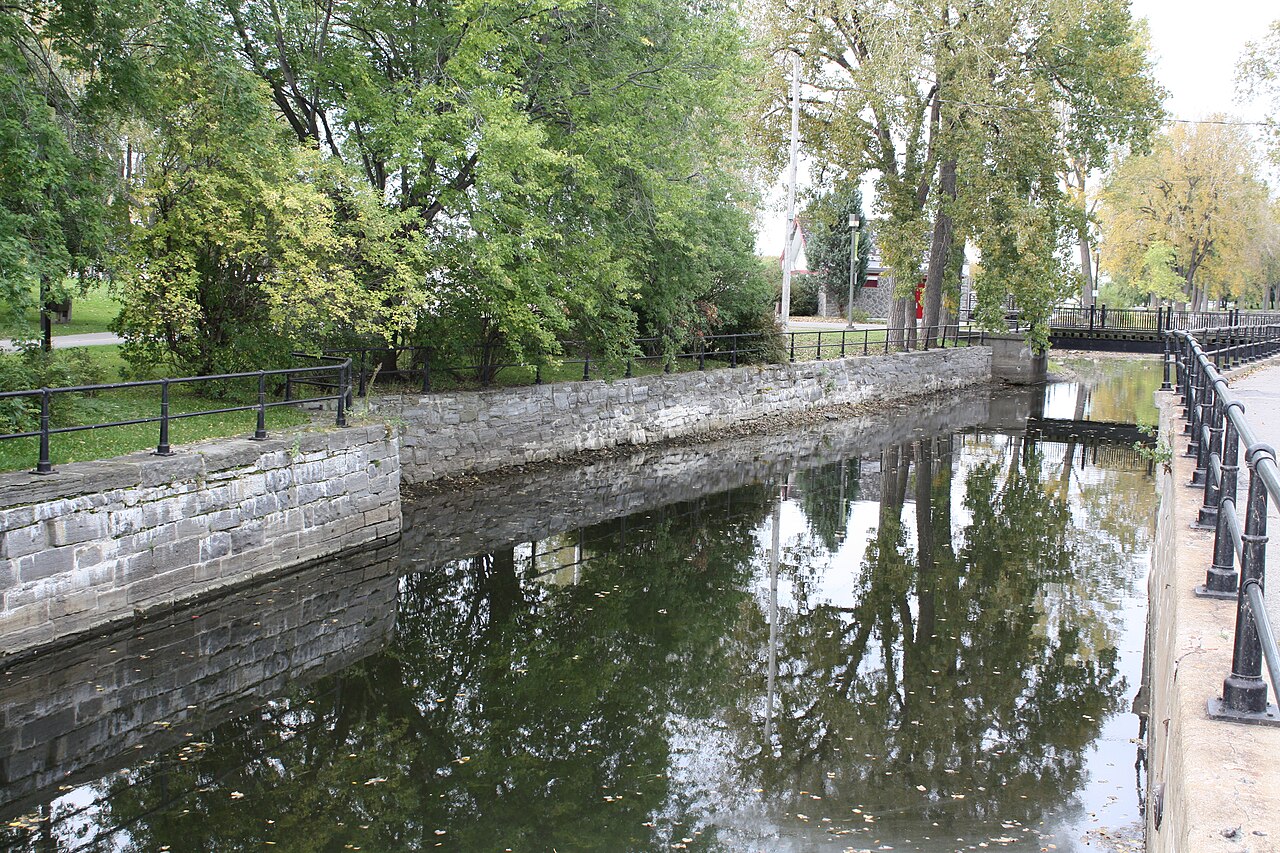
The Lachine Canal is where Montreal goes to walk, run, cycle and paddle, and it is also one of the most important historic sites in the country. Opened in 1825 to bypass the Lachine Rapids, the canal gave ships a route from the port into the Great Lakes and turned its banks into the cradle of Canadian industry, lined with flour mills, foundries, sugar refineries and factories that employed thousands of workers in the surrounding neighbourhoods. When the St. Lawrence Seaway opened in 1959 the canal lost its purpose, it closed to shipping in 1970, and for decades it lay abandoned. Since its reopening to pleasure boating in 2002, it has become one of the city's best-loved public spaces, managed by Parks Canada as a National Historic Site. Today a 13.5 km path follows the water from the Old Port to Lake Saint-Louis in Lachine, passing five locks, converted factories, the Redpath sugar refinery building, and the neighbourhoods of Griffintown, Saint-Henri, Pointe-Saint-Charles and Lachine. The towpath is shared by cyclists, walkers and skaters, with green banks for picnics and plenty of cafes and restaurants within a few blocks. Atwater Market sits right on the canal, making it the natural halfway stop. In the boating season you can rent kayaks or pedal boats, watch boats pass through the locks and take guided tours; in Lachine, the Fur Trade at Lachine National Historic Site tells the story of the voyageurs. Access to the path is free year-round.
Why go: the canal shows a side of Montreal that the Old Port and downtown do not: the working city of the nineteenth century, its industrial heritage and the way the old brick neighbourhoods have been reinvented. Saint-Henri and Griffintown, once working-class districts, now have some of the city's most interesting restaurants and bars, and the canal ties them together. It is also simply a beautiful ride or walk, flat and car-free, with constant views of water, bridges and old factory chimneys.
How to visit well: the best plan is a bicycle. Rent a BIXI near the Old Port and ride west along the canal to Atwater Market for lunch, about 4 km; strong riders can continue to Lachine and the lake for the full route, returning by the same path. Walkers can do the Old Port to Atwater section in about an hour. In summer, sit on the grassy banks near the market or rent a kayak; in autumn the light and colours are at their best. In winter the path is quieter, and some sections are good for winter walks; check Parks Canada for any work in progress or temporary detours.
Practicals: the path starts at the western end of the Old Port near Rue McGill. Lionel-Groulx metro station on the green and orange lines is a short walk from Atwater Market and the canal, and several other stations serve the eastern section. Parks Canada operates the locks and boating services seasonally; lockage hours and navigation information are on the official site. The canal is free to visit, though rentals and tours are paid.
What to expect
The experience
A free 13.5 km waterside path along a historic canal with locks, converted factories, green banks, cafes and seasonal boat rentals.
Best time
Late spring to autumn for cycling and boating; weekday mornings for the quietest path.
How long
Two to four hours by bike, or an hour on foot from the Old Port to Atwater Market.
Tips
Rent a BIXI and ride to Atwater Market for lunch. Watch boats pass through the locks in summer. Check Parks Canada for detours. Metro Lionel-Groulx.
Quick picks
- Best for
- Cyclists, walkers and anyone curious about Montreal's industrial past.
- Families
- A flat, car-free path that suits children on bikes, with picnic spots along the banks.
- Couples
- A sunny ride to Atwater Market, a picnic by the water and dinner in Saint-Henri.
- Pair with
- Atwater Market and the Old Port.
- Time needed
- Half a day.
Good questions
How long is the Lachine Canal path?+
About 13.5 km, from the Old Port of Montreal to Lake Saint-Louis in Lachine. It is flat and shared by cyclists, walkers and skaters.
Is it free?+
Yes. The path and green spaces are free year-round. Boat rentals, guided tours and lockage for boaters are paid services.
Why is it historic?+
Opened in 1825 to bypass the Lachine Rapids, it became the heart of Canadian industrialisation. It closed to shipping in 1970 and reopened to pleasure boating in 2002 as a National Historic Site.
Where should I stop along the way?+
Atwater Market is the classic halfway stop for lunch. Griffintown and Saint-Henri have many restaurants and cafes, and Lachine has the Fur Trade at Lachine historic site.
Can I rent a bike nearby?+
Yes. BIXI bike-share stations line the canal in the warm season, and several rental shops operate near the Old Port.