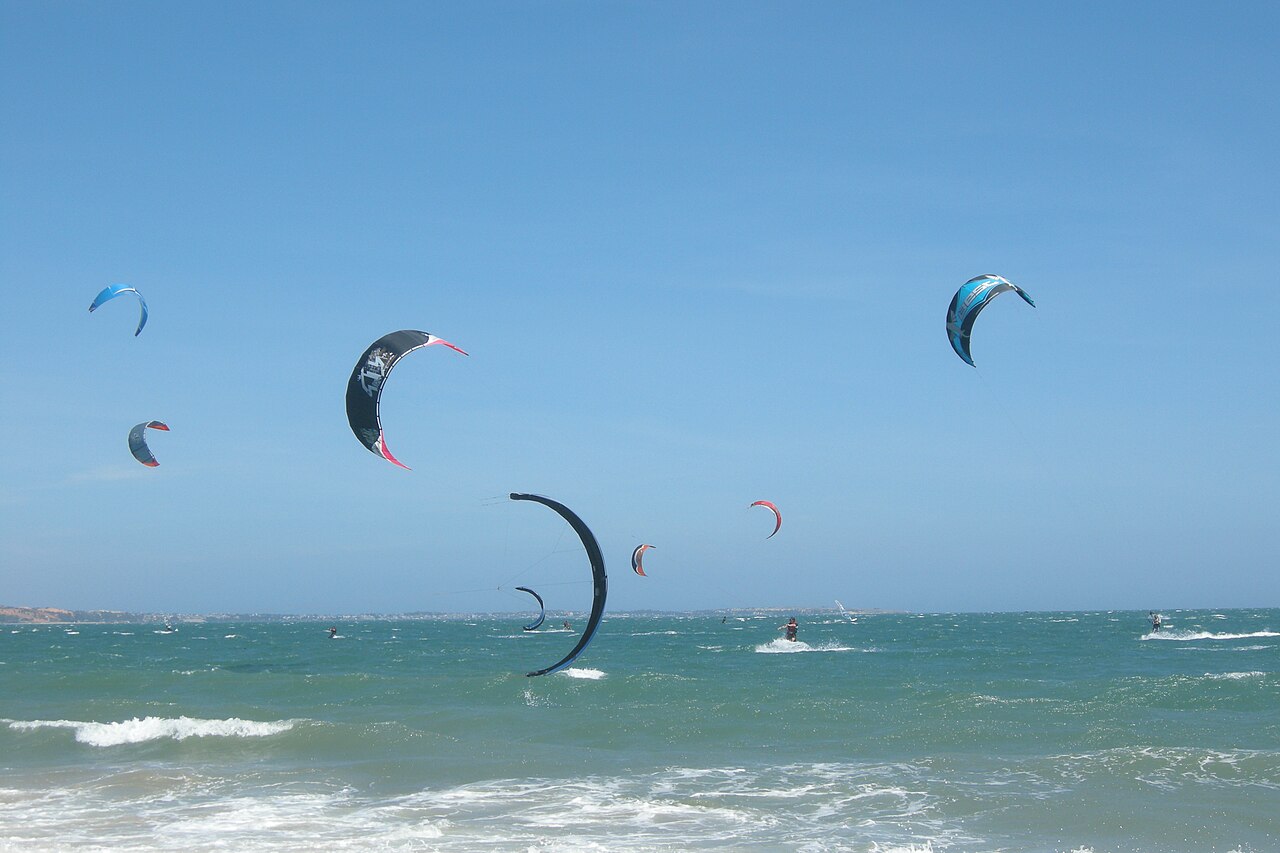
Mui Ne is the best-known kitesurfing destination in Vietnam, and one of the busiest in Southeast Asia. Reliable winds blow along the coast from roughly October to April, strongest in the early afternoon, and schools and clubs line the beach road. The bay has a wide, sandy beach and shallow water in front of many resorts, which makes learning easier. Beginners can book a multi-day course with a qualified instructor, while experienced riders can rent gear and head for the open water. Even if you do not ride, watching dozens of colourful kites over the bay is one of the sights of the season.
When to go
The main season runs from roughly October to April, when the north-east monsoon brings steady wind to the bay. Peak hours are typically late morning to mid-afternoon, so kitesurfers spend the mornings on lessons and the afternoons on the water. The wind is weaker and less reliable in the wetter months, when schools quieten and some close, so check the conditions if you travel outside the main season. The wind and tide vary by beach, and local instructors know which spot suits your level.
Learning
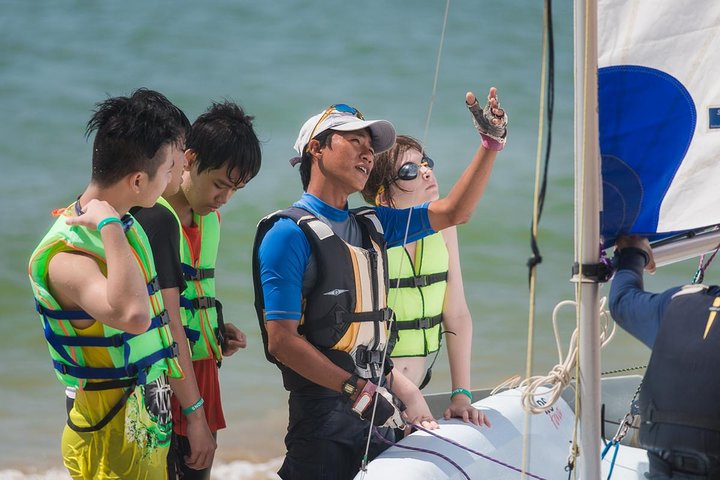
Certified schools offer beginner courses of several days, covering kite control on land, body dragging in the water and finally riding on the board. Look for a school with instructors certified by an international body, a clear safety briefing, radio helmets and a rescue boat. Group sizes should be small.
Most beginners need around six to ten hours of lessons before they can ride independently, though progress depends on fitness and wind. Equipment is provided, and you should bring a rash vest, sun cream and a hat. Advanced riders can rent gear and use the open water with local guidance.
Practical advice
Stay in a hotel with direct beach access if kitesurfing is your main reason for travelling, because many resorts have schools on their own sand. Book lessons early in your stay so you can use the best wind days. Keep a safe distance from swimmers and follow the rules of the beach.
Check your travel insurance covers water sports. Non-riders can enjoy the bay from a beachfront cafe, a sunset drink or a stand-up paddle session. The atmosphere is friendly and international, and evenings tend to be relaxed, with many schools sharing a bar or restaurant.
What to expect
The experience
Kitesurfing lessons and gear rental at beachfront schools along the Mui Ne bay.
Best time
October to April, with the strongest wind from late morning to mid-afternoon.
How long
Lessons typically run two to four hours, and a beginner course takes several days.
Tips
Choose a certified school with a rescue boat, book early in your stay, wear a rash vest and check your insurance.
Quick picks
- Best for
- Active travellers and wind sports fans who want a proper kitesurfing holiday.
- Families
- Older children and teenagers can learn with a qualified instructor, while younger ones enjoy watching.
- Couples
- A fun shared challenge, with sundowners on the beach afterwards.
- Pair with
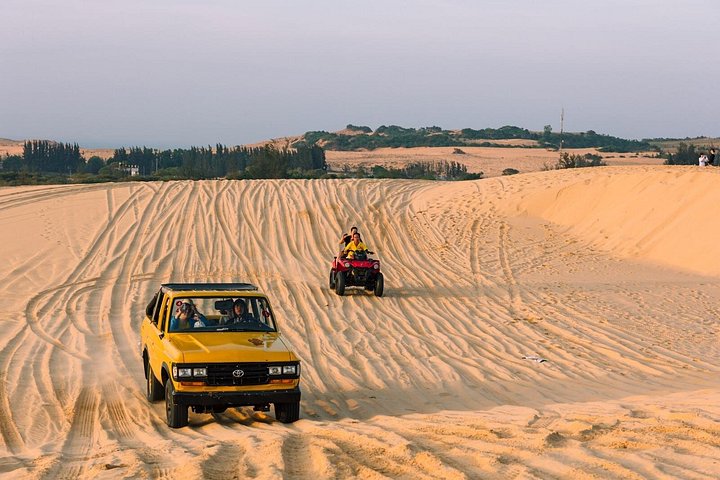
- A sunrise dune tour in the morning before the wind builds.
- Time needed
- A few days for a beginner course.
Good questions
When is the kitesurfing season?+
Roughly October to April, when steady thermal winds blow along the coast.
Can beginners learn in Mui Ne?+
Yes. Many certified schools run beginner courses, and the shallow bay makes learning easier.
How many lessons do I need?+
Most beginners need around six to ten hours of lessons before they can ride independently.
Do I need to bring equipment?+
No. Schools provide kites, boards and safety gear, but bring a rash vest and sun cream.
What if I travel outside the season?+
Winds are weaker and less reliable, and some schools close, so check conditions and book flexibly.