Four museums on this list do something beyond collecting: they hold national memory — war, terror, slavery and triumph, the movement — and they do it at a craft level that changed the field. Visited with intention, they form American museum-going's most meaningful trail.
New Orleans: the war, told whole
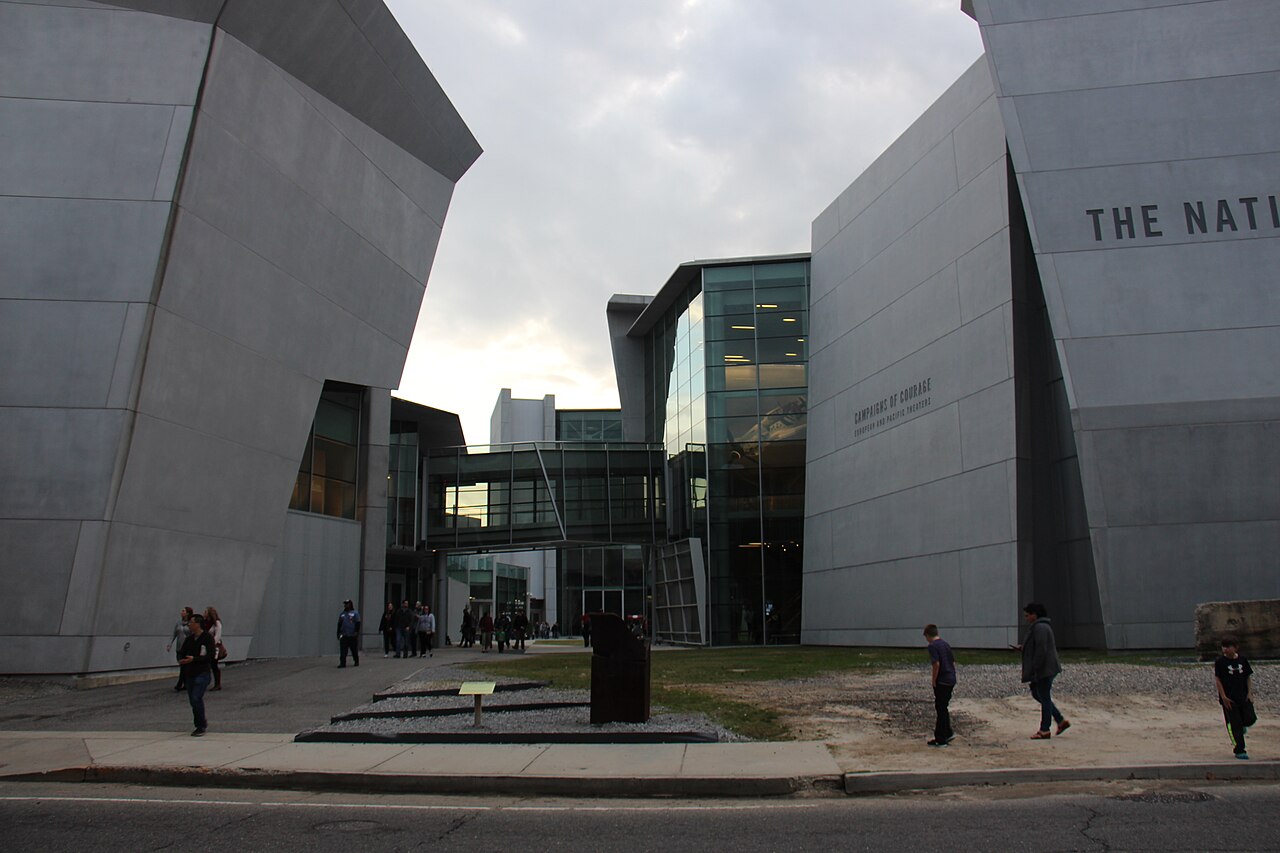
The National WWII Museum earns its visitor-poll crown on narrative discipline — the dog tag that assigns you a real serviceperson at entry, the Road to Berlin and Road to Tokyo campaigns walked in order, the warbirds at catwalk height — and on its refusal to end at the parade: the Liberation Pavilion closes the campus with the camps, the trials, and what the victory obligates. Give it the full day it demands, save Liberation for last because it's built as the ending, and let the Higgins Hotel across the street make the two-day version rational.
Washington: the climb
The African American History museum's masterstroke is sequence — elevators down six centuries, the History Galleries' climb from the Middle Passage through the cabin, the railcar, and the Till memorial chamber, surfacing at the Contemplative Court's falling water before the culture floors answer with the Mothership and Chuck Berry's Cadillac. Take the route as designed, book the pass the day trip dates exist, and don't schedule the afternoon tightly; the building spends you.
New York: restraint at bedrock
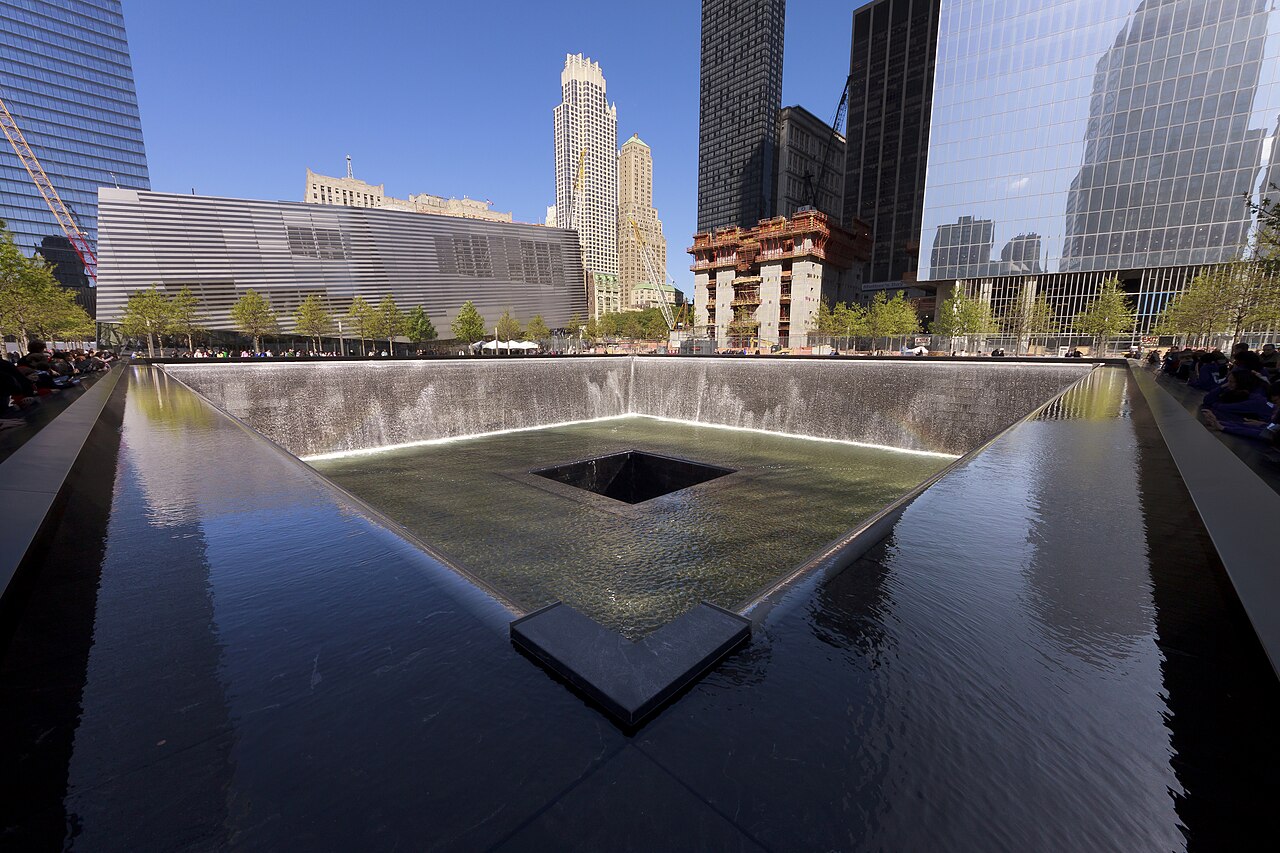
The 9/11 Memorial & Museum holds the hardest day in living memory with the lightest touch on the list — the pools' falling absence above, and below, the artifacts allowed to speak: the Survivors' Stairs, the Last Column's handwritten skin, the voicemails. Go early when the plaza is quiet, take the audio guide for the oral histories, use the bypass with children, and plan the harbor walk after — it isn't optional.
Dearborn: the receipts
The Henry Ford plays memory differently — through the actual objects: the Montgomery bus you may board and sit in, the Ford's Theatre chair, the Dallas limousine. Where the narrative museums stage the story, Dearborn hands you its physical evidence, and the Parks bus seat does in thirty seconds what chapters attempt. Pair it with Greenfield Village's living past for the full American-memory weekend in one campus.
Walking the trail
These four reward separation — one per trip, each given its full day, rather than a grief marathon. Order matters less than pacing, but travelers who've done all four report the same sequencing wisdom: pair each heavy museum with its city's lightness (the Quarter's music, the Mall's monuments at dusk, a Village Model T ride), take the quiet rooms when offered — the Contemplative Court, the memorial plaza, Greenfield's lamplit streets — and bring the kids: every one of these museums publishes family guidance because every one of them believes the story is theirs to inherit. That's the trail's whole point.