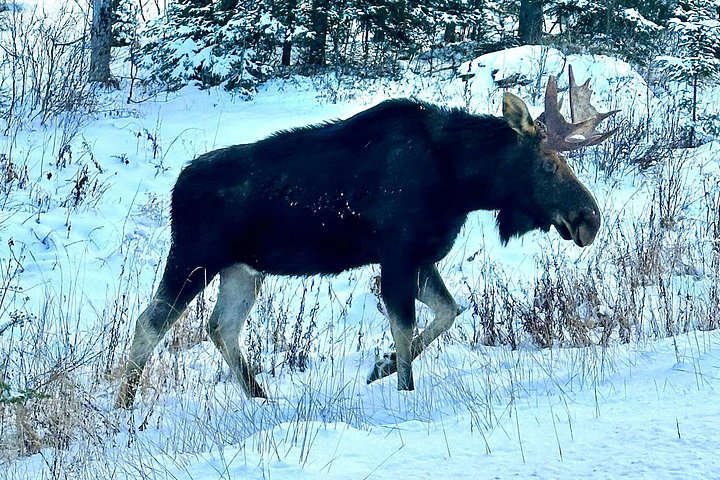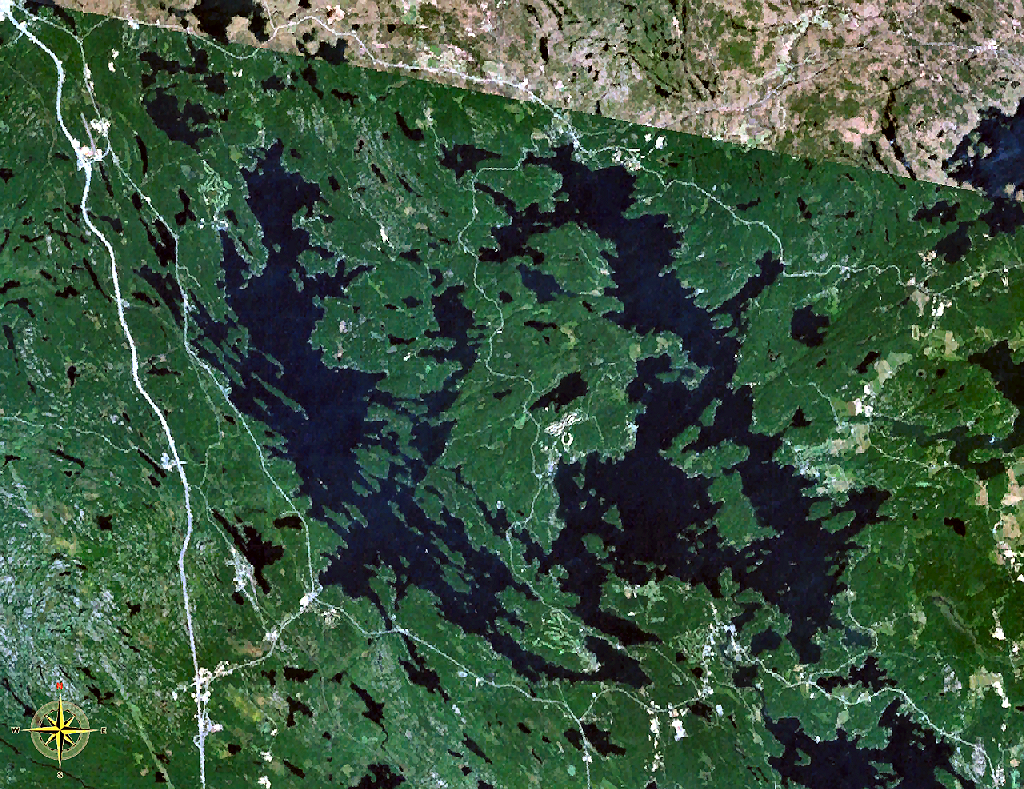
Algonquin Park Winter Adventure is a guided day trip that shows the park in its quietest season. The forest turns still and white, lakes freeze, tracks in the snow tell stories of the wildlife that stays, and the Highway 60 corridor is a different place from the summer crowds. Tours of this kind generally supply cold-weather gear such as snowshoes or ice cleats and organise a mix of trail time, scenic stops and a warm lunch. It suits visitors who come to Muskoka in the cold months, when many seasonal sights are closed, and who still want a headline outdoor experience. Winter is the season when Muskoka needs a plan, and this is a strong one.
What to expect
Most of the day is spent outdoors, walking or snowshoeing short trails in the Highway 60 corridor, pausing at lookouts and frozen lakes, and watching for tracks and winter birds. The pace is gentle, with plenty of time for photographs and warm-ups. Operators normally provide a guide, transport and equipment, though itineraries differ, so read the details before you book.
Winter conditions
The park's Visitor Centre stays open through the cold months, and the interpretive trails remain open but are not maintained, which means snow and ice underfoot. Cross-country ski trails typically open in December and close in March, weather permitting. Daylight is short, so tours start early and finish before dark. Temperatures can be well below freezing, and wind chill on open lakes is real.
What to wear
Layers are the key. Start with a thermal base, add insulating mid-layers and a windproof outer shell, and wear a warm hat, insulated gloves and waterproof boots with good grip. Bring a spare pair of socks, a scarf or neck warmer, sunglasses for snow glare and a thermos if you like hot drinks. Hand warmers help on the coldest days. Leave jeans and cotton at the hotel, as they hold moisture.
Planning tips
Check the forecast and road conditions on the morning of travel, and be flexible if a storm shifts the date. Commercial services such as dining, accommodation and fuel are outside the park from late October to mid-May, so fill up in Huntsville. Phone batteries drain faster in the cold, so carry a charger.
Who it suits
Couples, friends and families with older children who enjoy being outdoors in winter. It is less suited to anyone who dislikes the cold or has limited mobility on snow. Pair it with a night at a lakeside resort and, if you are lucky, skating or a spa afternoon to warm up.
What to expect
The experience
A guided winter day trip with cold-weather gear, trail time and scenic stops in Algonquin.
Best time
Winter, from December to March when snow cover is reliable.
How long
A full day, finishing before dark.
Tips
Dress in warm layers, wear waterproof boots, carry spare socks and keep your phone charged.
Quick picks
- Best for
- Visitors in the cold months who want a headline outdoor experience.
- Families
- Suits older children who like snow; ask about age guidance.
- Couples
- Quiet white forest and a warm lunch make a classic winter day.
- Pair with
- Pair with a cosy resort night and spa afternoon.
- Time needed
- A full day.
Good questions
Is gear provided?+
Tours of this kind normally supply items such as snowshoes or ice cleats, but you wear your own warm clothing and boots. Check the inclusions list.
How cold does it get?+
Well below freezing is normal, and wind chill on open lakes feels colder. Dress in layers and bring spare socks.
What is open in the park in winter?+
The Visitor Centre stays open and the interpretive trails are open but not maintained. Services outside the park are limited in the cold months.
Can I ski?+
Cross-country ski trails usually open in December and close in March, depending on snow. Check conditions before you go.
Will I see wildlife?+
You may see tracks and winter birds, with larger animals less certain. Quiet walking helps.