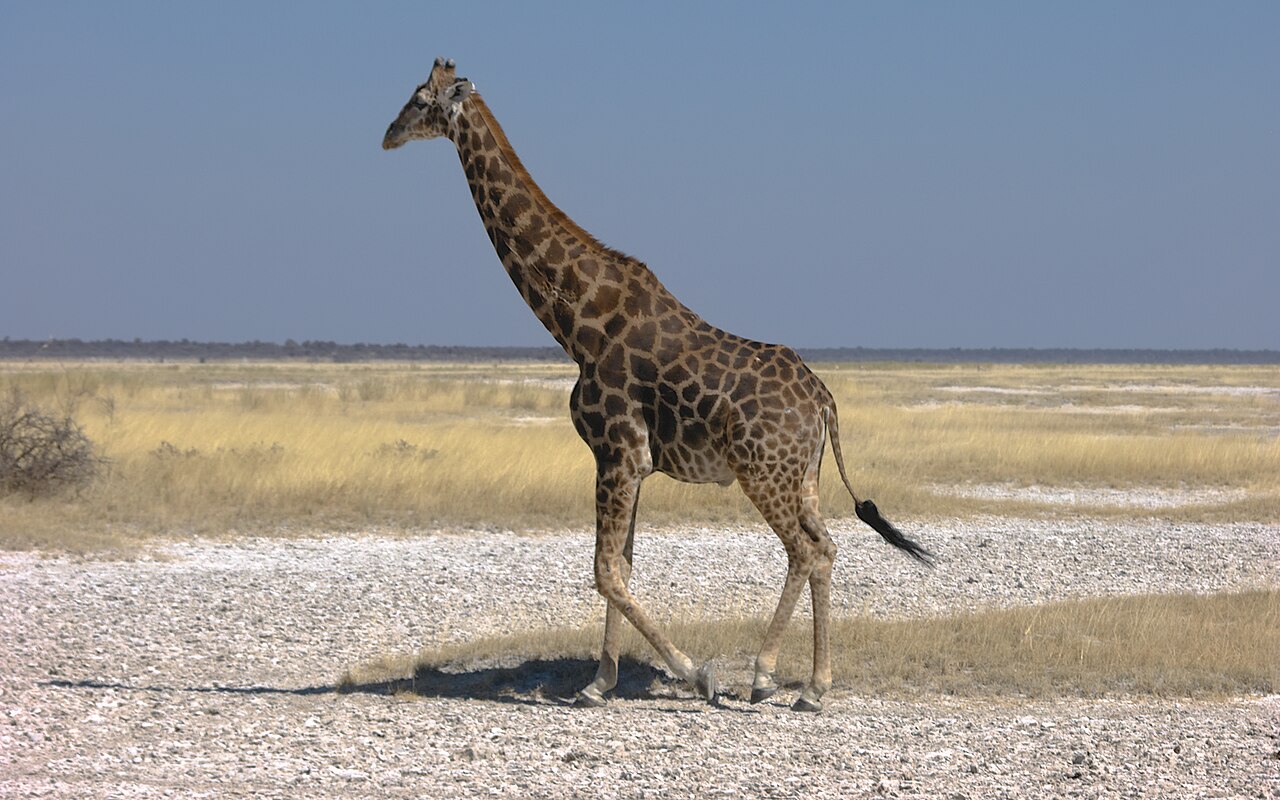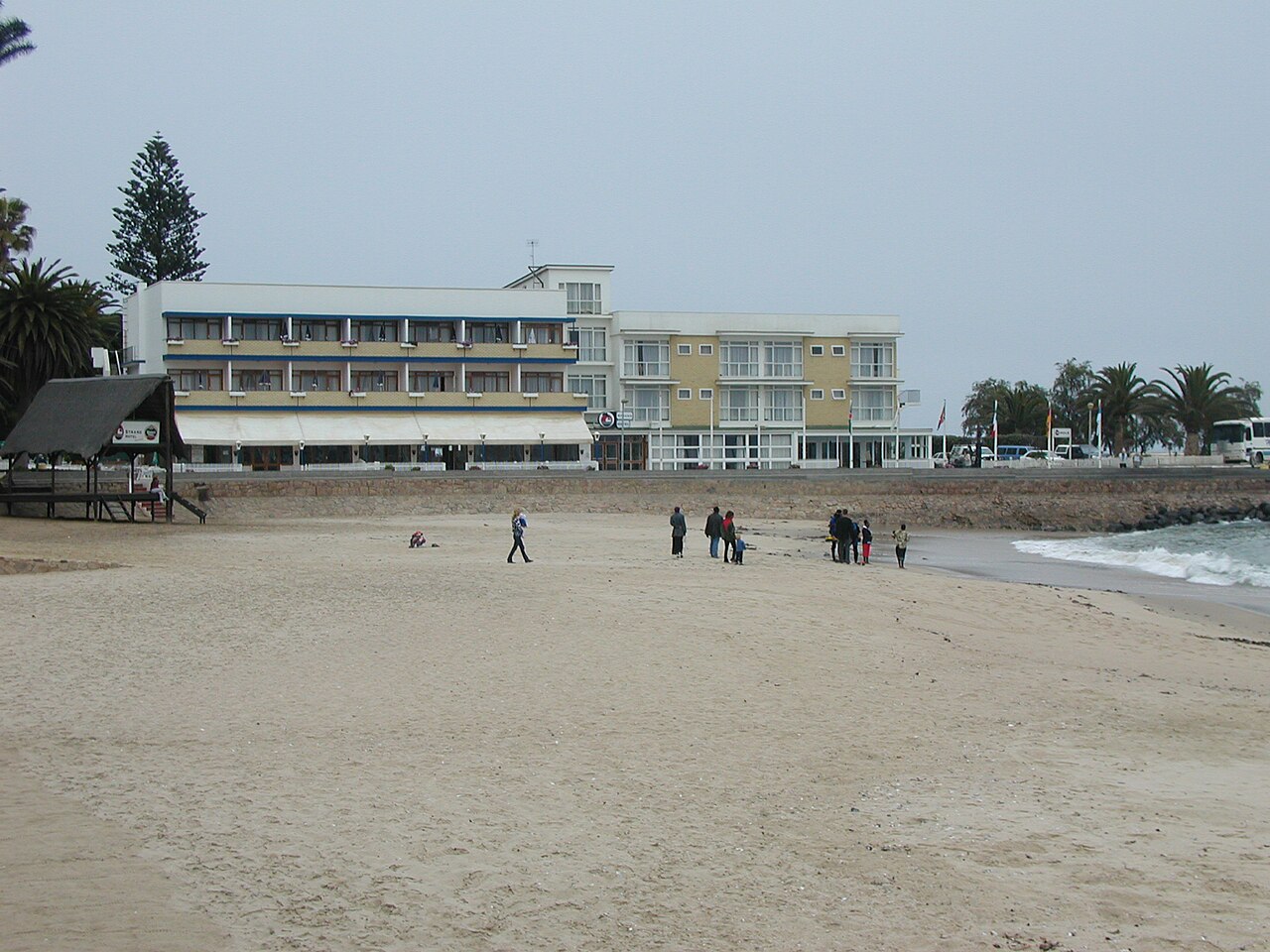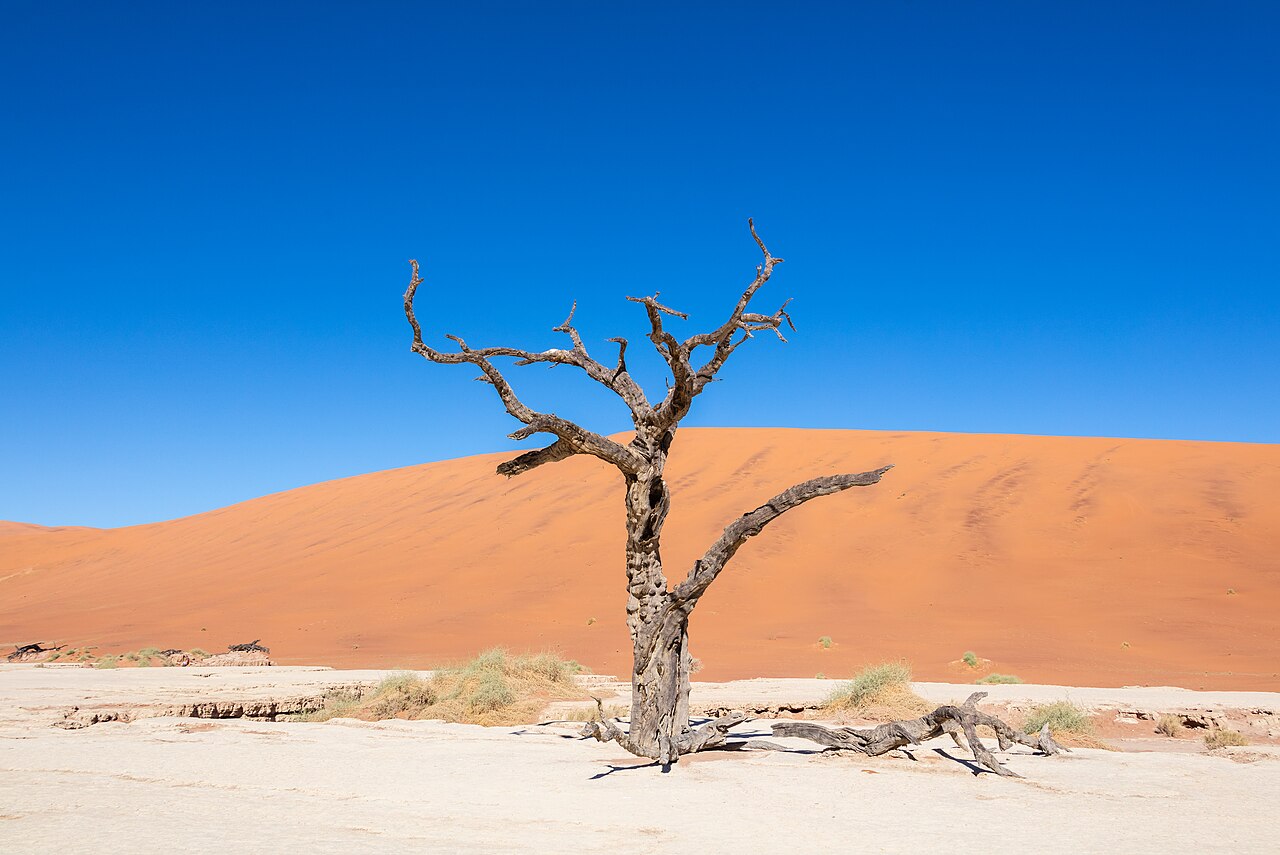
Namibia is big, empty and spectacular, and the main planning challenge is distance. Most first trips are built around two bases: Windhoek, the capital in the central highlands where international flights arrive, and Swakopmund, the seaside town on the Atlantic coast that serves as the country's adventure capital. Between and around them lie the headline sights: the red dunes of Sossusvlei, the seals and dolphins of Walvis Bay, the dunes of Sandwich Harbour and the waterholes of Etosha. This guide shows how they fit together.
What to book ahead
Book the big guided trips before you fly, especially in the dry season. The Sossusvlei three-day tour from Windhoek, the four-day Etosha safari and the Sandwich Harbour 4x4 tour all use small groups that fill up. The Walvis Bay catamaran cruise and the Living Desert tour are also worth reserving a few days ahead. Quad biking and sandboarding usually has more flexibility, but weekends and holidays are busy. Hotels in Swakopmund fill at Christmas and Easter, when Namibians head to the coast, so reserve early.
How to get around
Distances are long, and a hire car is the classic way to see the country, but gravel roads and big distances are not for everyone. If you would rather not drive, guided multi-day trips from Windhoek or Swakopmund take the strain out of it, and in Windhoek and Swakopmund themselves, taxis and tour pickups cover most needs. Driving between Windhoek and Swakopmund takes several hours, so treat it as a travel day and do not plan too much on either side. Always carry water, fuel up whenever you can and avoid driving after dark because animals wander onto roads.
How many days
Ten days is a comfortable first trip: two in Windhoek, three for Etosha, three for Sossusvlei, and three or four around Swakopmund and Walvis Bay. With a week, pick two of the three big excursions. With only four or five days, base yourself in Swakopmund, taking the Sandwich Harbour tour, the Walvis Bay cruise, the Living Desert tour and perhaps a day at Cape Cross, and leave Etosha and Sossusvlei for a return trip.
Where the sights fit
Windhoek is the place to start and finish: spend a morning on the Christuskirche, the Independence Memorial Museum, the Alte Feste and the Tintenpalast. From Windhoek, Etosha is a trip north and Sossusvlei is a trip south-west. Swakopmund works as the coastal hub: the Sandwich Harbour 4x4 tour and the Walvis Bay dolphin and seal cruise both start in Walvis Bay, a short drive south; Cape Cross, with up to 210,000 seals in the November and December breeding season, is a drive north. In town, the Kristall Galerie and the Swakopmund Museum are good indoor stops for foggy afternoons, and the Living Desert tour and quad biking both start from the Desert Explorers centre.
When to go and what to pack
The dry season is the classic time for wildlife, because animals gather at waterholes. November is early summer, with warm to hot days inland, possible first rains and green landscapes, while the coast is often cool and foggy. Pack layers, a windproof jacket for boat and dune trips, sun protection, sturdy shoes, binoculars and a camera with a zoom lens.
The honest adjustments
Do not try to see everything: Namibia rewards slow travel, and long drives eat time. Allow buffer days, accept that wildlife sightings are never guaranteed and check opening hours for museums, since several close on public holidays. Choose guided options for the long, remote stretches and independent time for towns.