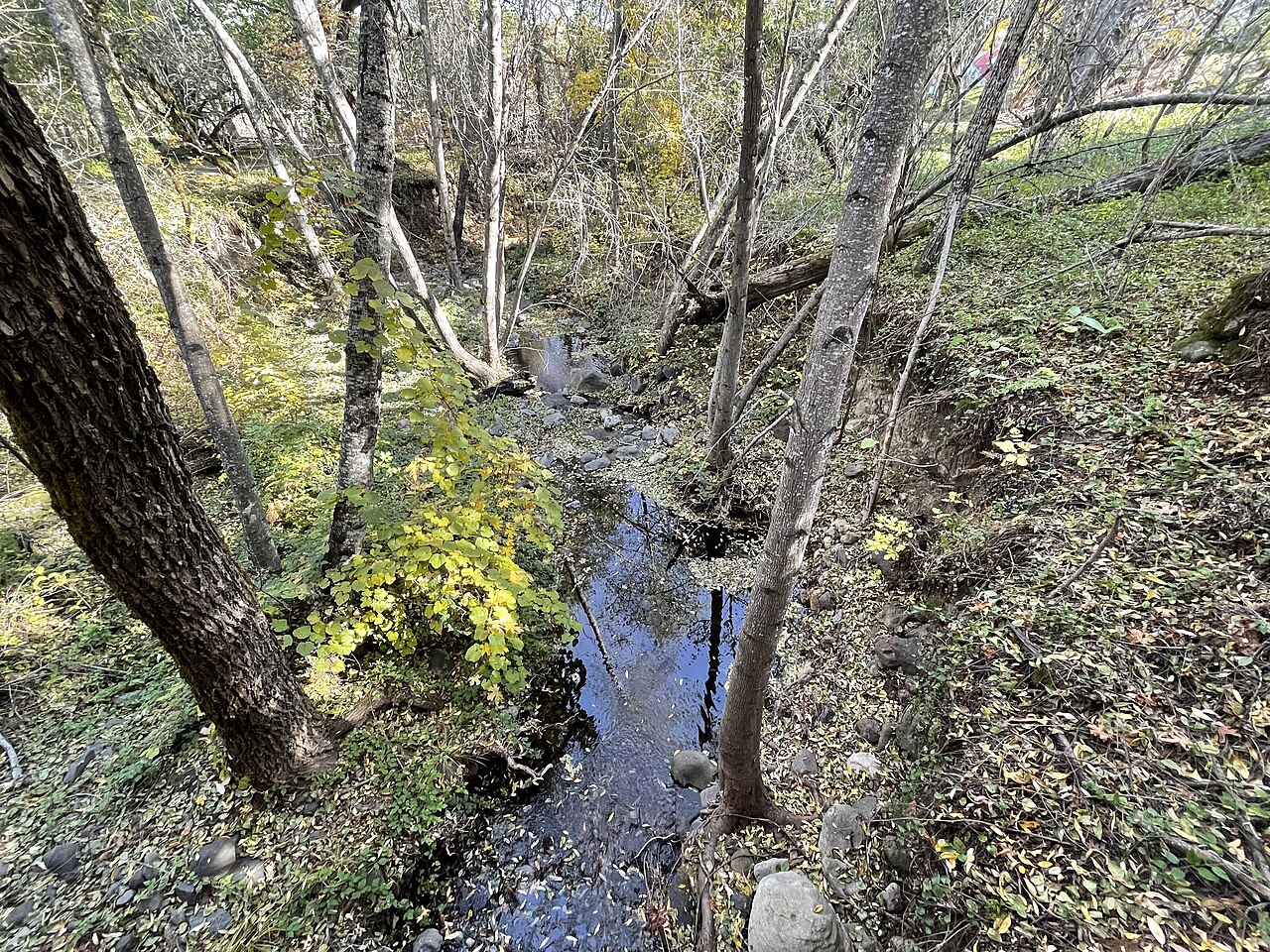
Bale Grist Mill is a peaceful, inexpensive hour of pioneer history right on Highway 29, and a welcome change of pace on a tasting day. Three miles north of St. Helena, in a shady canyon of oaks and firs beside Mill Creek, Edward Turner Bale, an English-born surgeon who had married into a prominent Californio family and received a large land grant, built a water-powered grist mill in 1846. Settlers brought wheat and corn from across the valley to be ground here, and the mill became a gathering place where news traded hands while the stones turned. Fully restored, it is now one of the best examples of its kind in the West, dominated by a 36-foot overshot waterwheel fed by a wooden flume. On weekends, when the park is open, a miller leads tours and runs the machinery, grinding grain between the heavy millstones much as it was done in the nineteenth century, and souvenir cornmeal, polenta or flour is available for a small donation. A short History Trail of about a mile each way climbs gently through the woods from the mill to Bothe-Napa Valley State Park, passing the site of the old mill pond and a pioneer cemetery. The park is managed by the Napa County Regional Park and Open Space District with support from a cooperating association, and a modest vehicle day-use fee applies. Note that the mill keeps short weekend hours and that restoration of its siding and flume is an ongoing project, so check the schedule before going.
Why it is worth the stop. Before the vineyards, Napa Valley was wheat country, and Bale's mill was its practical heart. Watching the wheel turn and hearing the stones grind gives a sense of the valley's agricultural roots that no winery tour can, and the docents and miller are generous with stories about the Bales, the Californio era and the settlers who followed. For children, the size of the wheel and the noise of the machinery are memorable, and the bag of freshly ground meal makes a better souvenir than a fridge magnet.
Visiting well. The mill is open on weekends and some Monday holidays, from mid-morning to late afternoon, with the last tour starting in mid-afternoon; milling demonstrations happen during these hours. On weekdays, when the mill is closed, you can still see the wheel by parking at Bothe-Napa Valley State Park and walking the History Trail, which ends near the mill grounds. The park is closed on Thanksgiving, Christmas and New Year's Day. Wear sensible shoes for the trail, and bring water in summer.
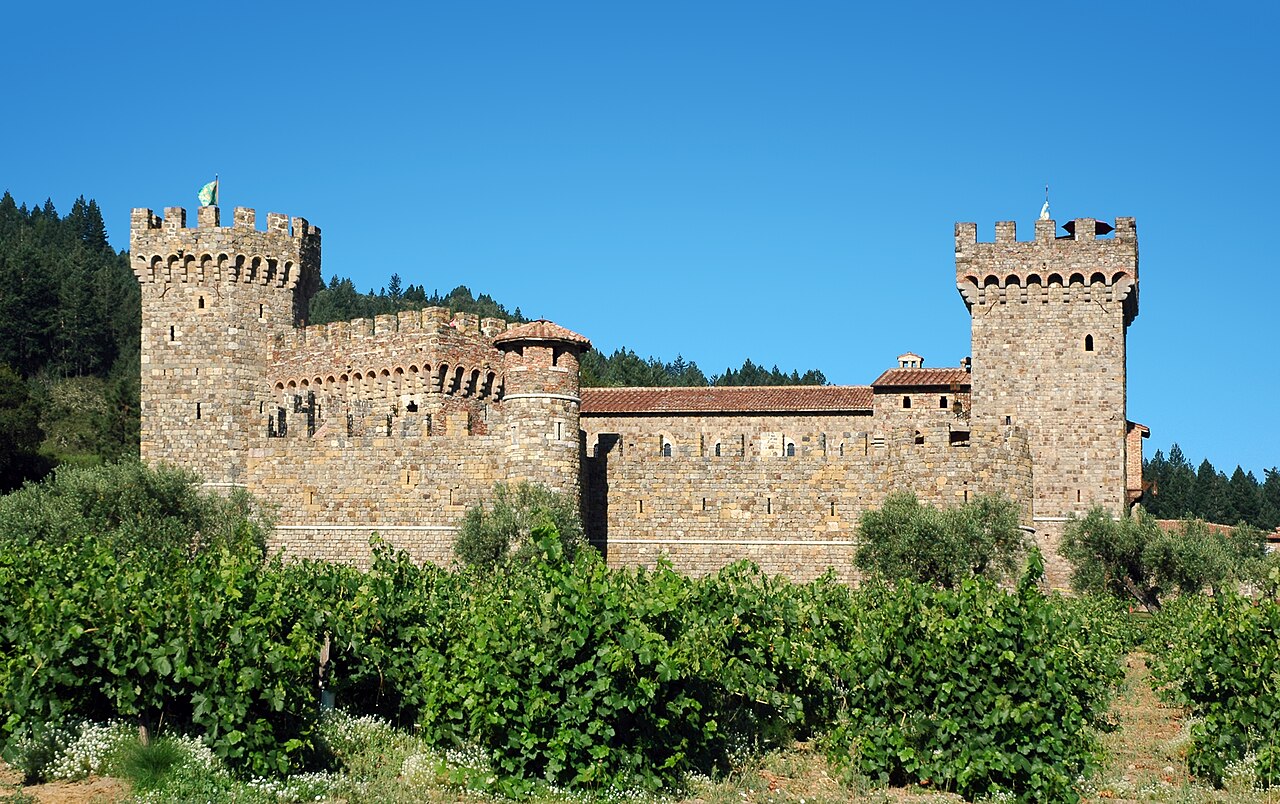
Pairing it. The mill sits between St. Helena and Calistoga, so it slots easily into a north-valley day with Beringer, Sterling Vineyards or Castello di Amorosa, and its shady grounds make a calm pause between tastings. Bothe-Napa Valley State Park next door has redwood-shaded trails and picnic areas for a longer outdoor break. As always on Highway 29, keep a designated driver in the plan.
What to expect
The experience
A restored 1846 grist mill with a working 36-foot waterwheel, guided weekend tours with milling demonstrations, and a woodland trail to Bothe-Napa Valley State Park.
Best time
Weekends from mid-morning; the last tour starts in mid-afternoon. On weekdays, walk the History Trail from Bothe to see the wheel.
How long
About an hour; two with the History Trail.
Tips
Check opening days before driving out. Take home stone-ground meal for a small donation. Wear trail shoes. Pair with Bothe-Napa Valley State Park for a picnic.
Quick picks
- Best for
- History lovers and families wanting a quiet break from tasting rooms.
- Families
- Kids love the giant wheel and the noisy millstones, and the trail is short and shaded.
- Couples
- A calm, shady interlude between St. Helena and Calistoga wineries.
- Pair with
- Beringer in St. Helena and Sterling Vineyards or Castello di Amorosa to the north.
- Time needed
- One to two hours.
Good questions
When is Bale Grist Mill open?+
On weekends and some Monday holidays, from mid-morning to late afternoon, with the last tour starting mid-afternoon. It is closed Thanksgiving, Christmas and New Year's Day.
Does the mill still work?+
Yes. On open days a miller demonstrates the restored machinery and grinds grain, and souvenir cornmeal, polenta or flour is available for a small donation.
Is there a fee?+
A modest vehicle day-use fee applies, and state park passes are accepted. Check the park page for current rates.
Can I see the mill on a weekday?+
Park at Bothe-Napa Valley State Park and walk the History Trail, about a mile each way, which ends near the mill grounds so you can see the waterwheel.
Who built the mill?+
Edward Turner Bale, an English-born surgeon who received a Mexican land grant in the valley, built it in 1846 to grind grain for local settlers.