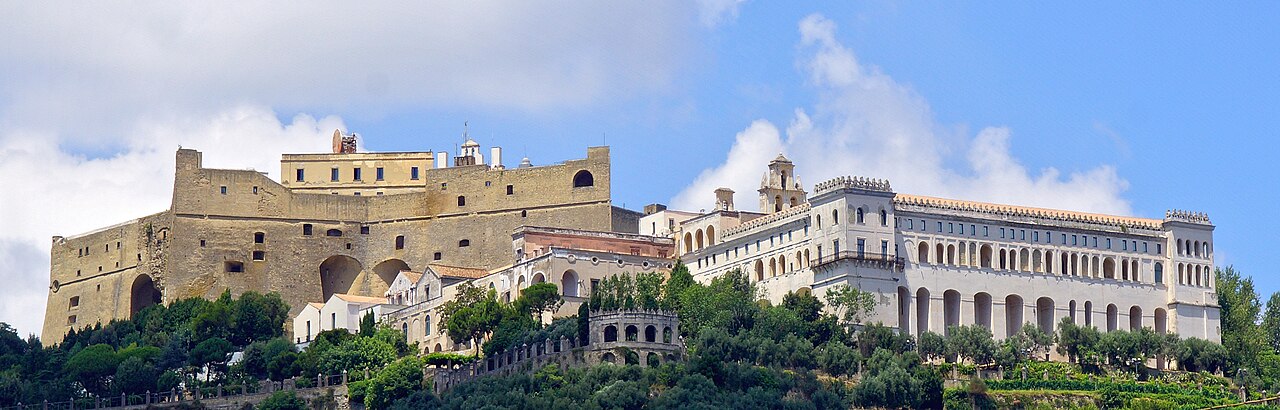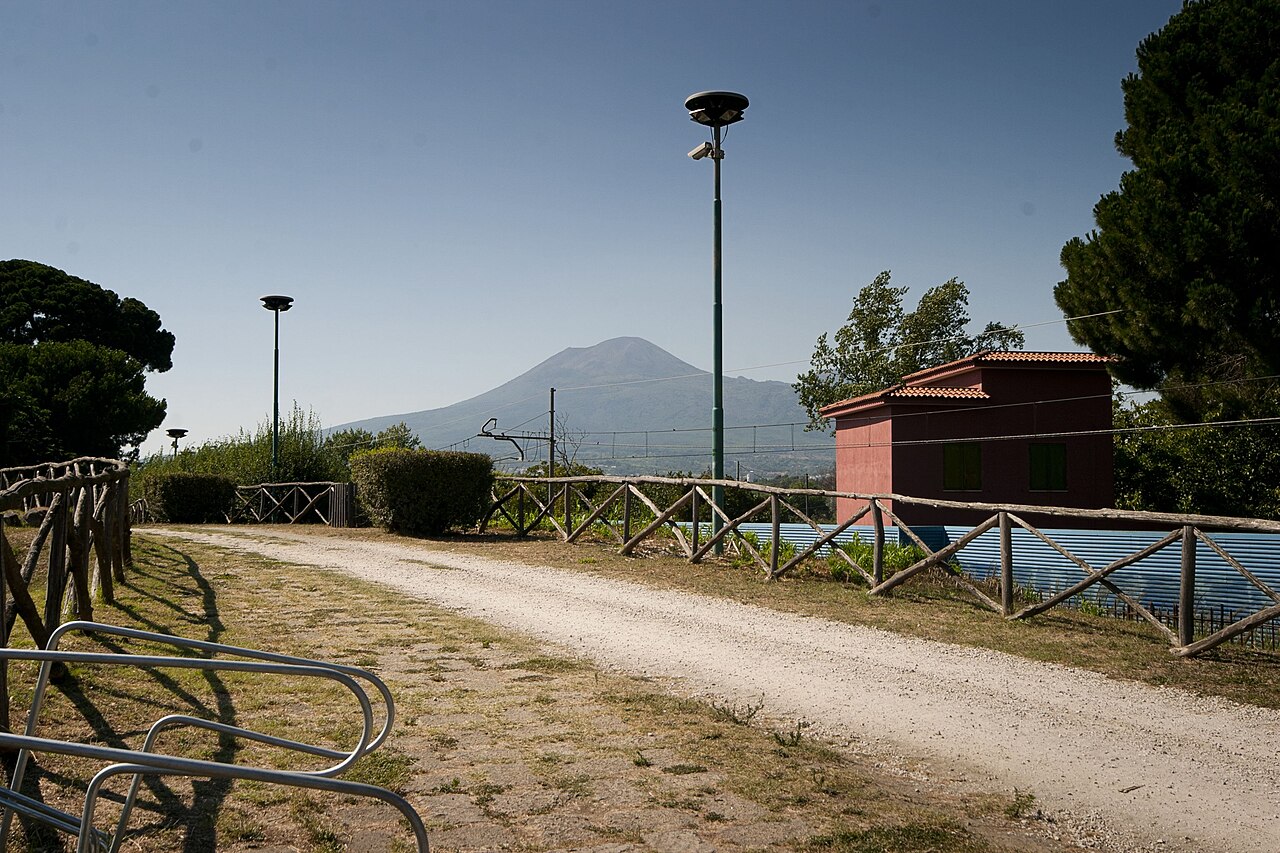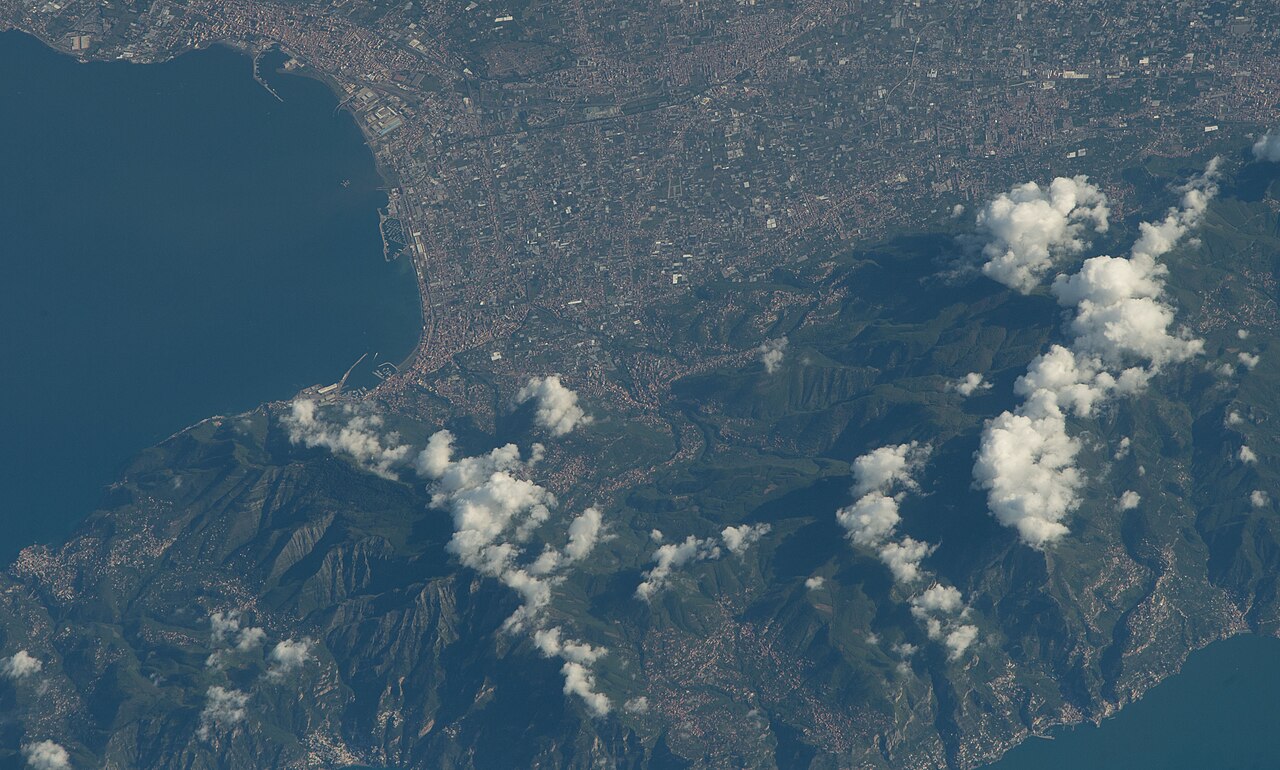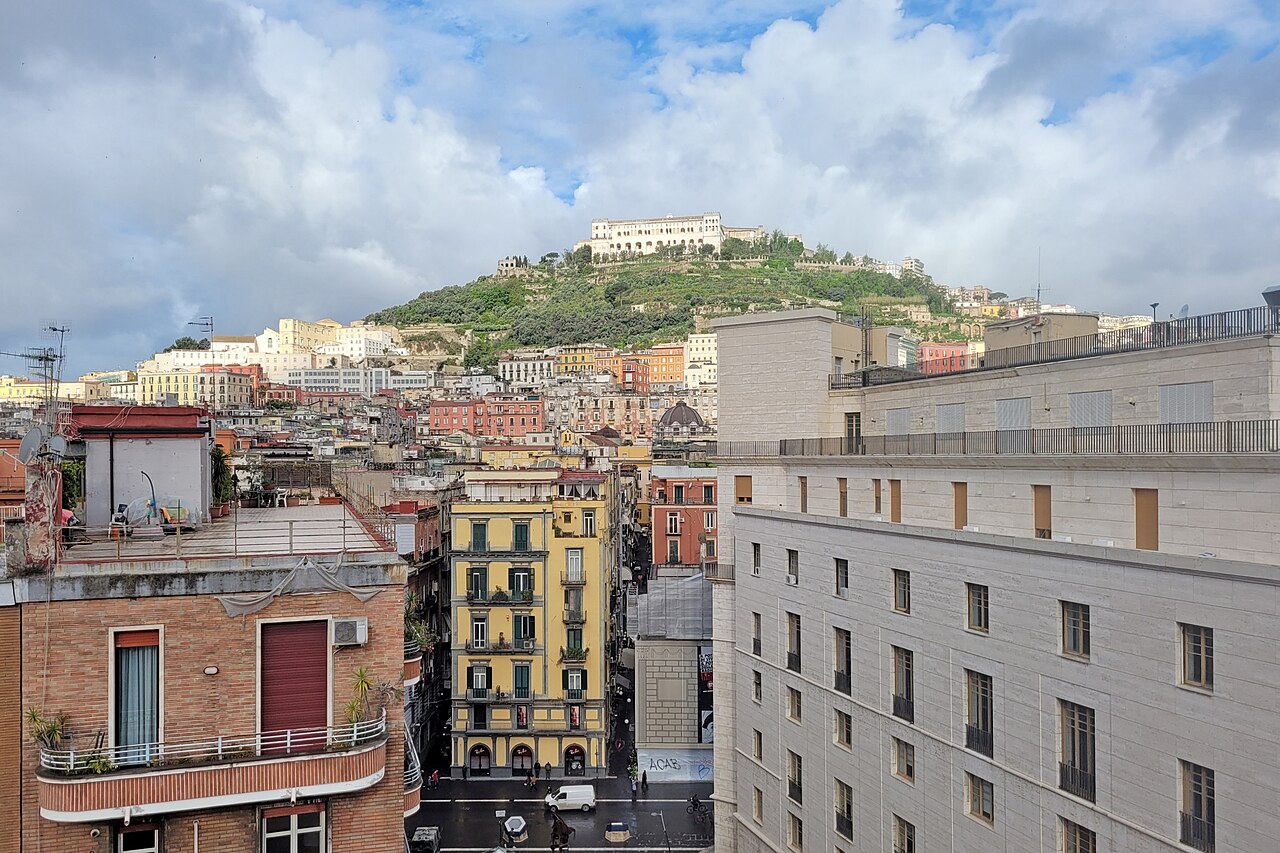
The Certosa di San Martino crowns the Vomero hill just below Castel Sant'Elmo, and it combines three of the best things about Naples: Baroque art, the city's history and the view. The charterhouse was founded in 1325 for the Carthusian monks and first designed by Tino di Camaino, but the austere Gothic monastery was transformed in the seventeenth century into one of the richest Baroque complexes in southern Italy. Its master was Cosimo Fanzago, the great sculptor-architect, whose Great Cloister is the highlight of the visit: a vast, silent square of white marble arcades, with a small monks' cemetery fenced by a balustrade topped with carved skulls, a stark reminder of the monks' meditation on death amid the beauty. The church, its chapels and the sacristy are a showcase of Neapolitan painting, marble inlay and woodwork, with works by Ribera, Lanfranco, Stanzione and others. Today the Certosa is the National Museum of San Martino, which tells the history of Naples through paintings, sculptures, maps, carriages and objects. The most popular room holds the Cuciniello nativity, a huge presepe with hundreds of figures of shepherds, merchants, animals and musicians, the most famous example of the Neapolitan crib tradition that fills San Gregorio Armeno each Christmas. The gardens and belvedere terraces, once the monks' orchards, open onto one of the finest panoramas in the city, over the historic centre, the port, the bay and Vesuvius. Fit: history buffs and art lovers, families who will love the crib, couples who want the view without the crowds, and anyone pairing it with Castel Sant'Elmo next door.
Why go: many visitors climb to Castel Sant'Elmo for the view and walk past San Martino's gate. That is a mistake. The cloister, the church and the crib together make one of the great museum visits in Naples, often with few other visitors, and the views from the Certosa's own terraces rival the castle's.
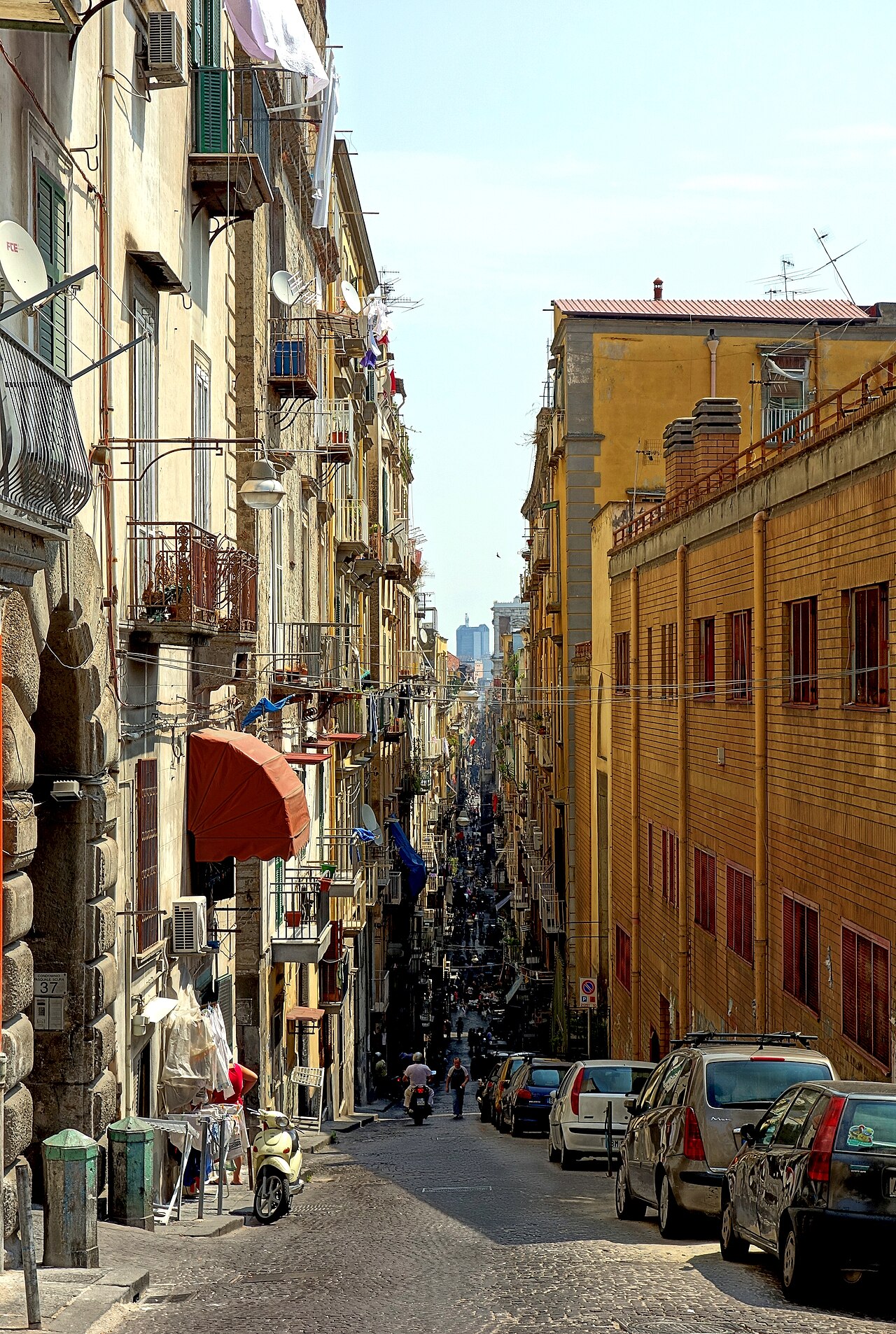
How to do it well: take a funicular up to Vomero (Montesanto, Centrale or Chiaia), walk to the Certosa and the castle, and give San Martino at least an hour and a half. See the church and sacristy first, then the Great Cloister, the nativity rooms and finally the gardens and belvedere. Late October to early January is the perfect season to combine it with the crib-makers of San Gregorio Armeno in the centre below. Walk down afterwards via the Pedamentina, an old stepped path that zigzags from the Certosa to the historic centre with views at every turn.
Practicals: a modest ticket applies, with combined options with Castel Sant'Elmo at times. The museum's weekly closing day has changed in recent years, so check current hours on the official pages before you go. Parts of the museum, such as some sections and the gardens, may have reduced access on staff-short days. The Vomero district around it has good cafes and shopping for an easy lunch.
What to expect
The experience
A former Carthusian monastery and museum with a marble Great Cloister, Baroque church and sacristy, the Cuciniello nativity scene and panoramic gardens.
Best time
Clear mornings for the view; late October to early January for crib season in the city.
How long
An hour and a half to two hours.
Tips
Take a funicular up to Vomero. Combine with Castel Sant'Elmo next door. Walk down the Pedamentina steps afterwards. Check the current weekly closing day before going.
Quick picks
- Best for
- Baroque splendour and the best views in the city, often without crowds.
- Families
- The giant Cuciniello nativity is a hit with children.
- Couples
- A quiet cloister and a panoramic terrace over the bay.
- Pair with
- Castel Sant'Elmo, Spaccanapoli and San Gregorio Armeno.
- Time needed
- Half a day with Castel Sant'Elmo.
Good questions
What is the Certosa di San Martino?+
A Carthusian monastery founded in 1325 on the Vomero hill, transformed in Baroque style in the seventeenth century and now the National Museum of San Martino.
What is the Cuciniello nativity?+
A huge Neapolitan presepe with hundreds of figures, the most famous example of the city's crib-making tradition, displayed in the museum.
How do I get there?+
Take one of the funiculars up to Vomero, then walk a few minutes to the Certosa, which sits just below Castel Sant'Elmo.
Should I visit San Martino or Castel Sant'Elmo?+
Both if possible; they are next door. Sant'Elmo has the fortress views; San Martino adds the cloister, church, nativity and its own panoramic terraces.
When is it closed?+
The museum has one weekly closing day, and it has changed in recent years. Check the official pages for the current timetable before your visit.