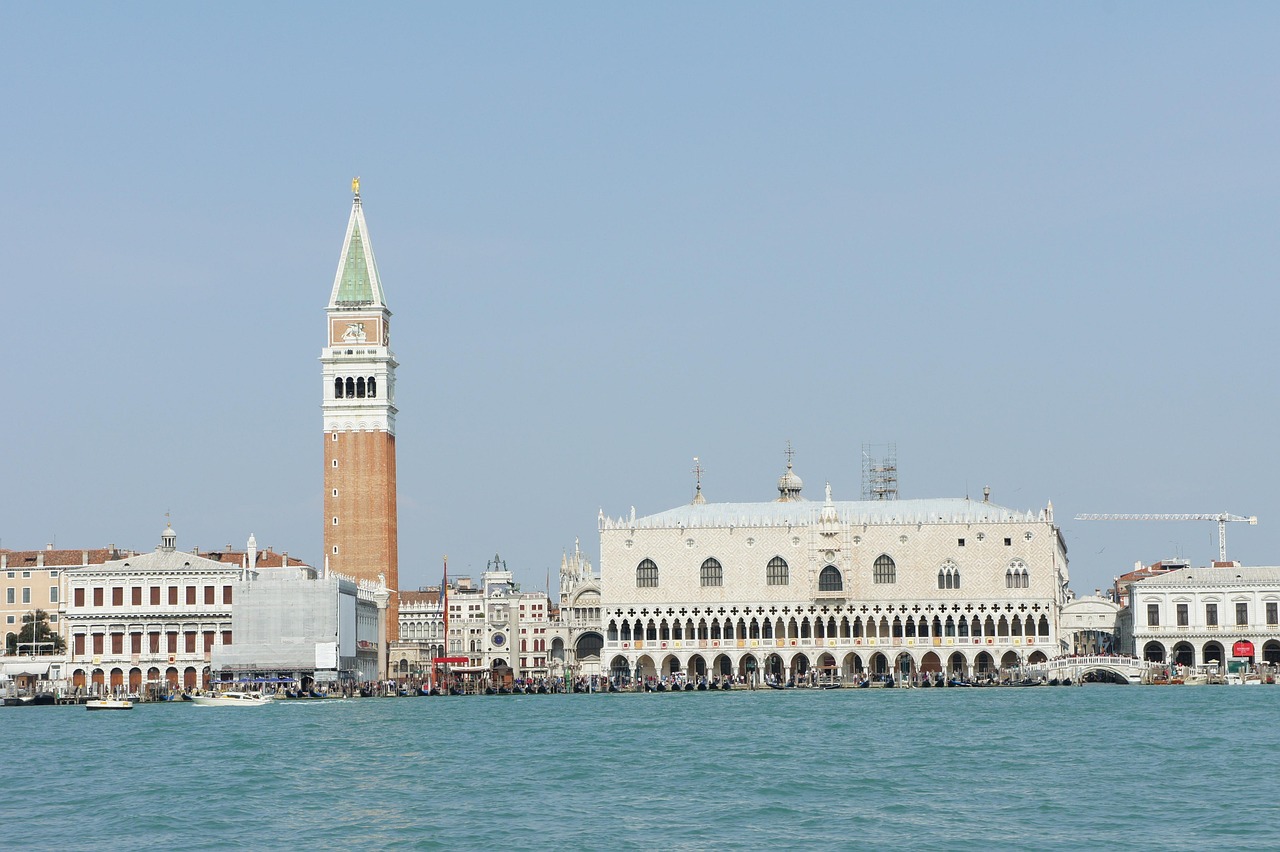
The Roman town Vesuvius froze in AD 79 — forum, theatres, bakeries, brothel, frescoed houses and the haunting plaster casts — now on named tickets with a 20,000-a-day cap. Book ahead, arrive at opening, and wear proper shoes.
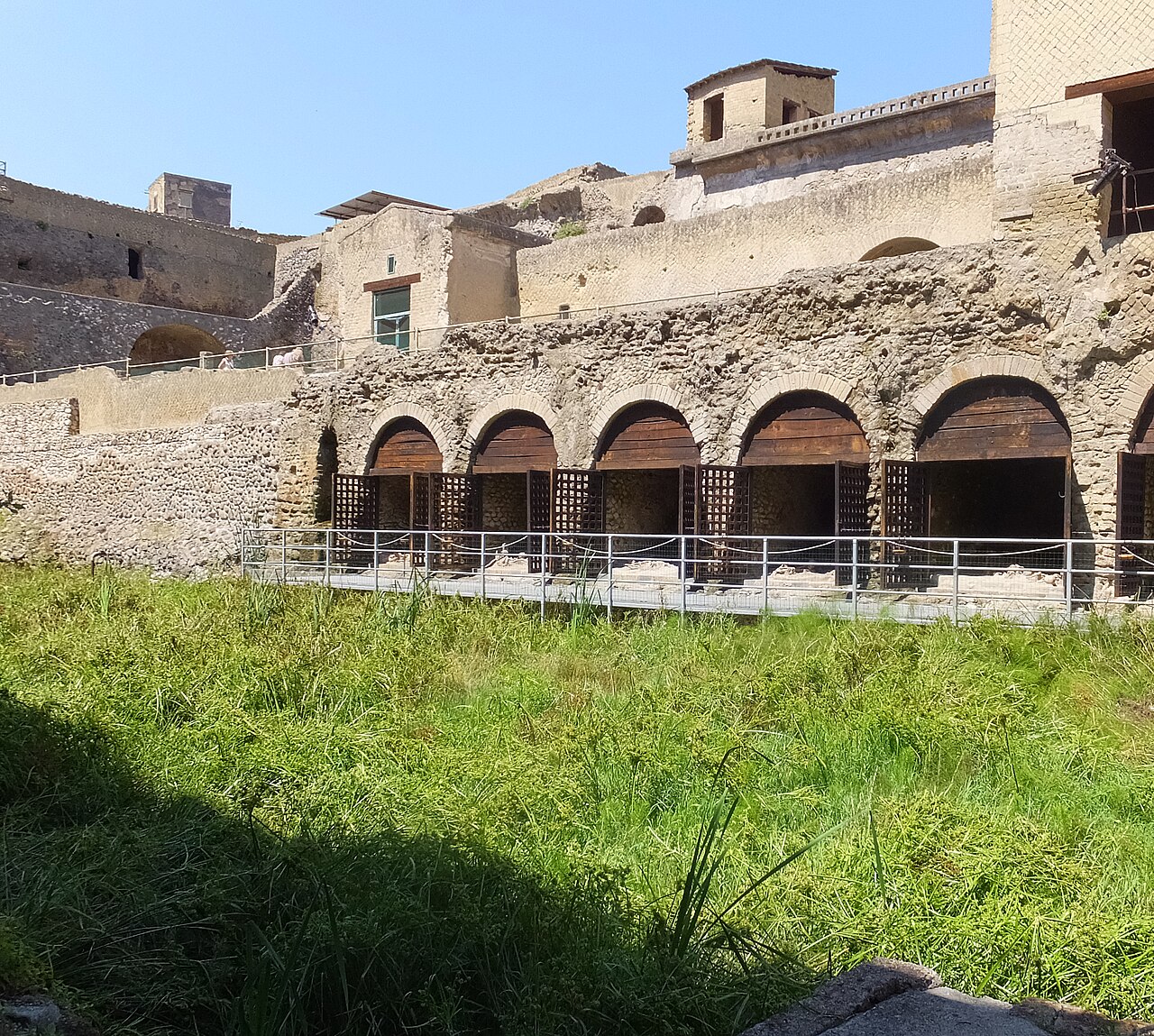
Pompeii's smaller, richer, better-preserved neighbour — two-storey houses, carbonised wooden beams and furniture, vivid frescoes and mosaics, and the boat sheds where hundreds sheltered. Half the size, twice the detail, and far fewer crowds.
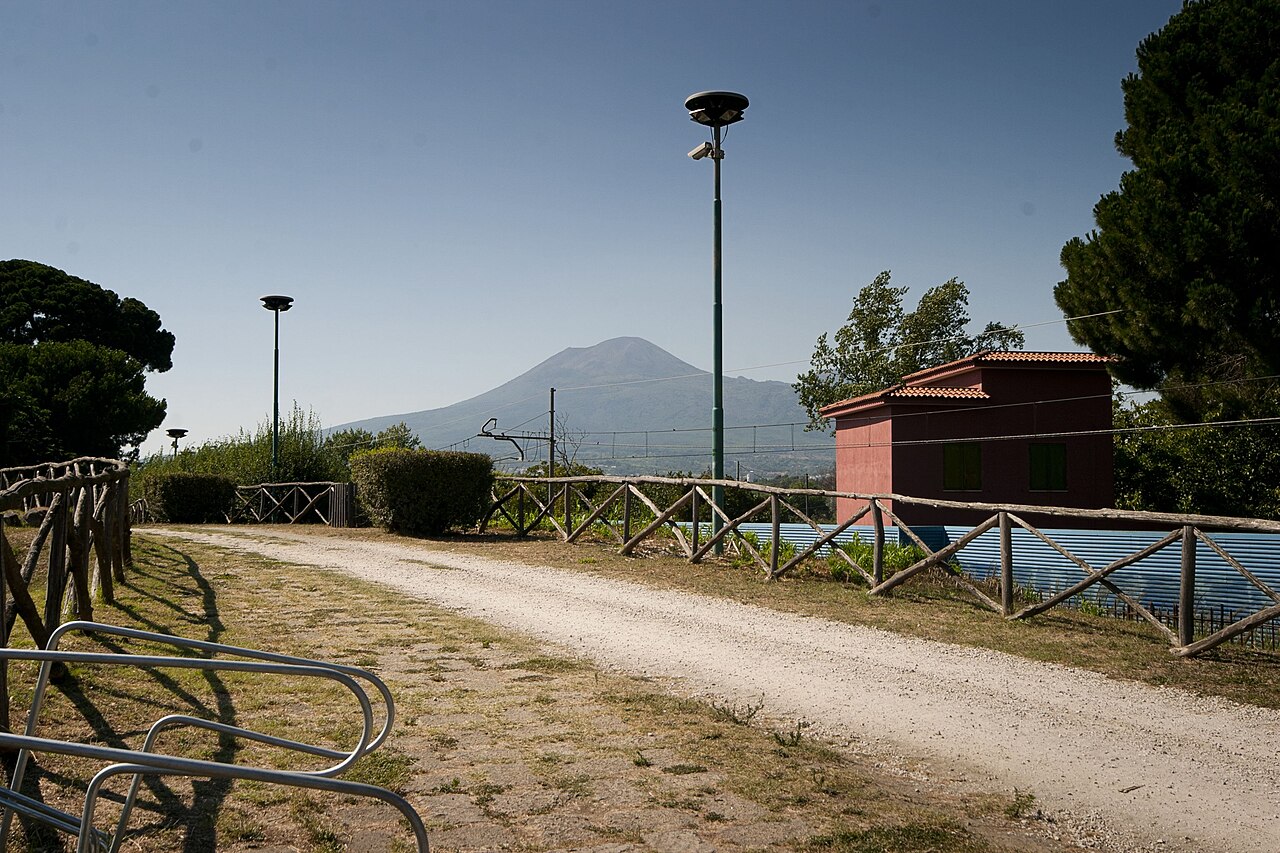
Walk up the volcano that buried Pompeii and look into its crater, with the whole Bay of Naples below. Tickets are online-only and timed, capped daily, and the path closes in bad weather — book ahead and check the forecast.
3-5 hours with transport$$Tickets → 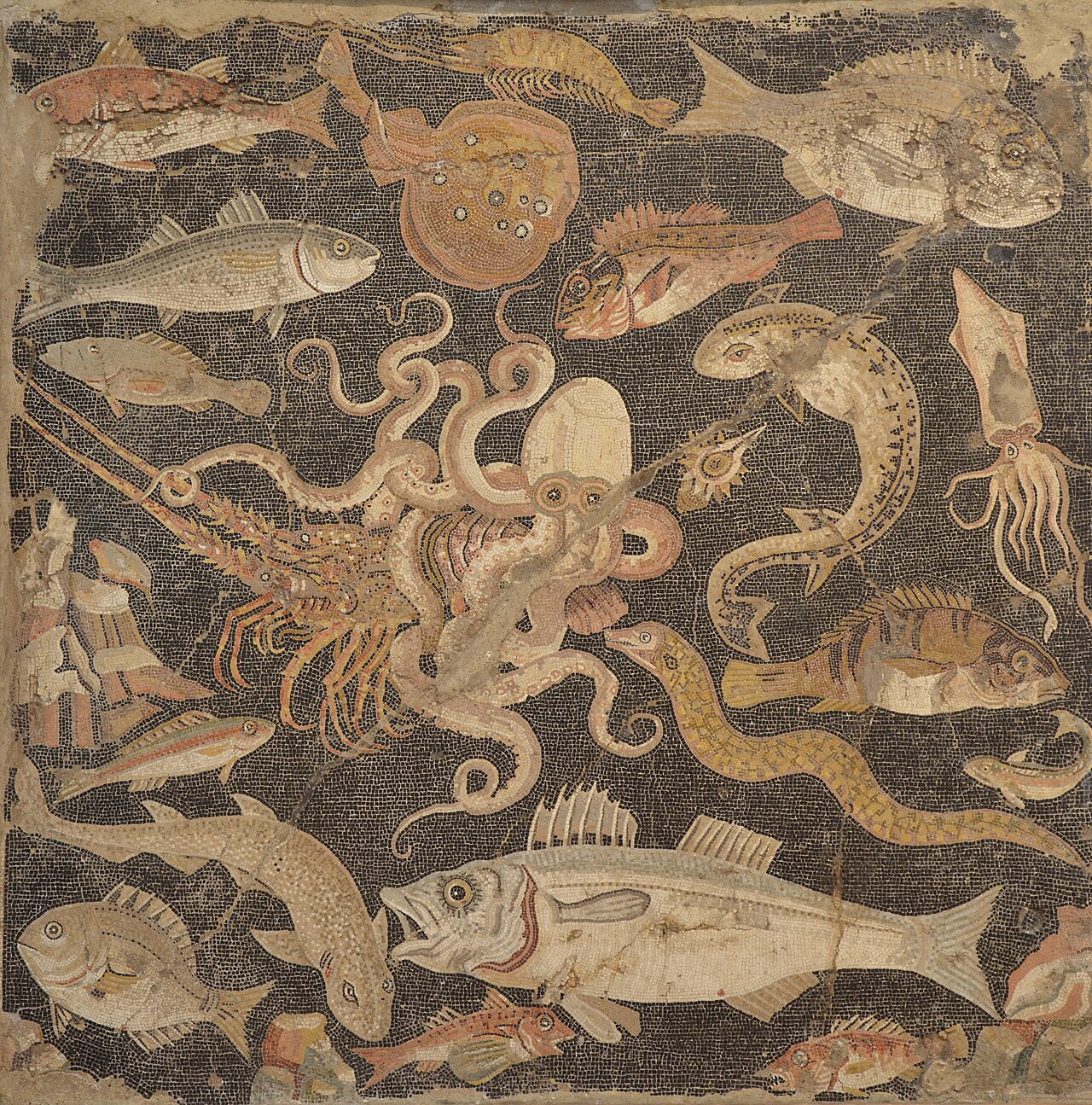
The world's great treasury of Roman art — the frescoes and mosaics of Pompeii and Herculaneum, the colossal Farnese sculptures, the Secret Cabinet and a fine Egyptian collection. See it before or after Pompeii; it is the other half of the story. Closed Tuesdays.
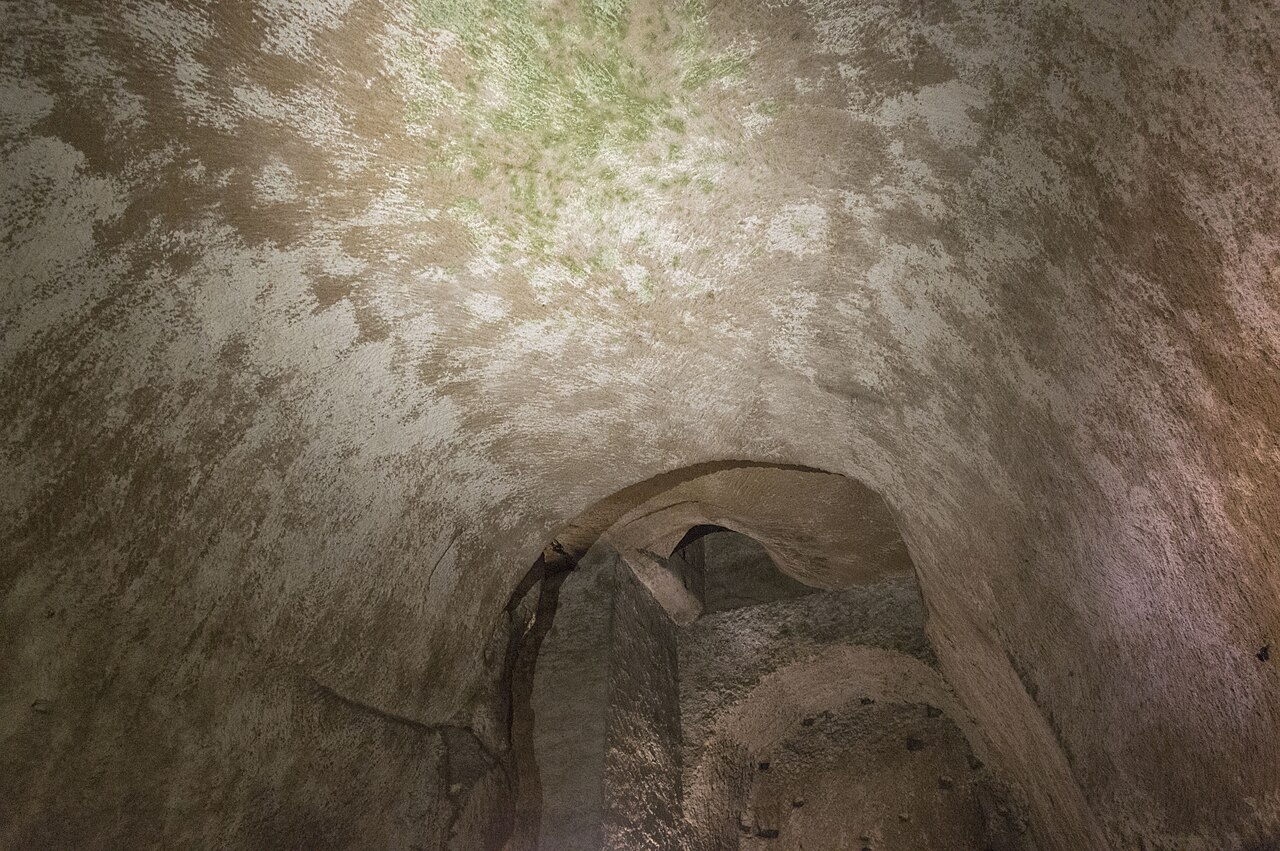
Forty metres beneath the historic centre: Greek quarries, Roman cisterns and aqueduct channels, Second World War air-raid shelters, and a Roman theatre hidden inside an ordinary Neapolitan home. A guided descent into the city under the city.
A small Baroque chapel off Spaccanapoli holding the Veiled Christ, Giuseppe Sanmartino's marble body under a transparent-seeming shroud — one of the most astonishing sculptures in the world. Booking is required, photos are banned, and it closes on Tuesdays.
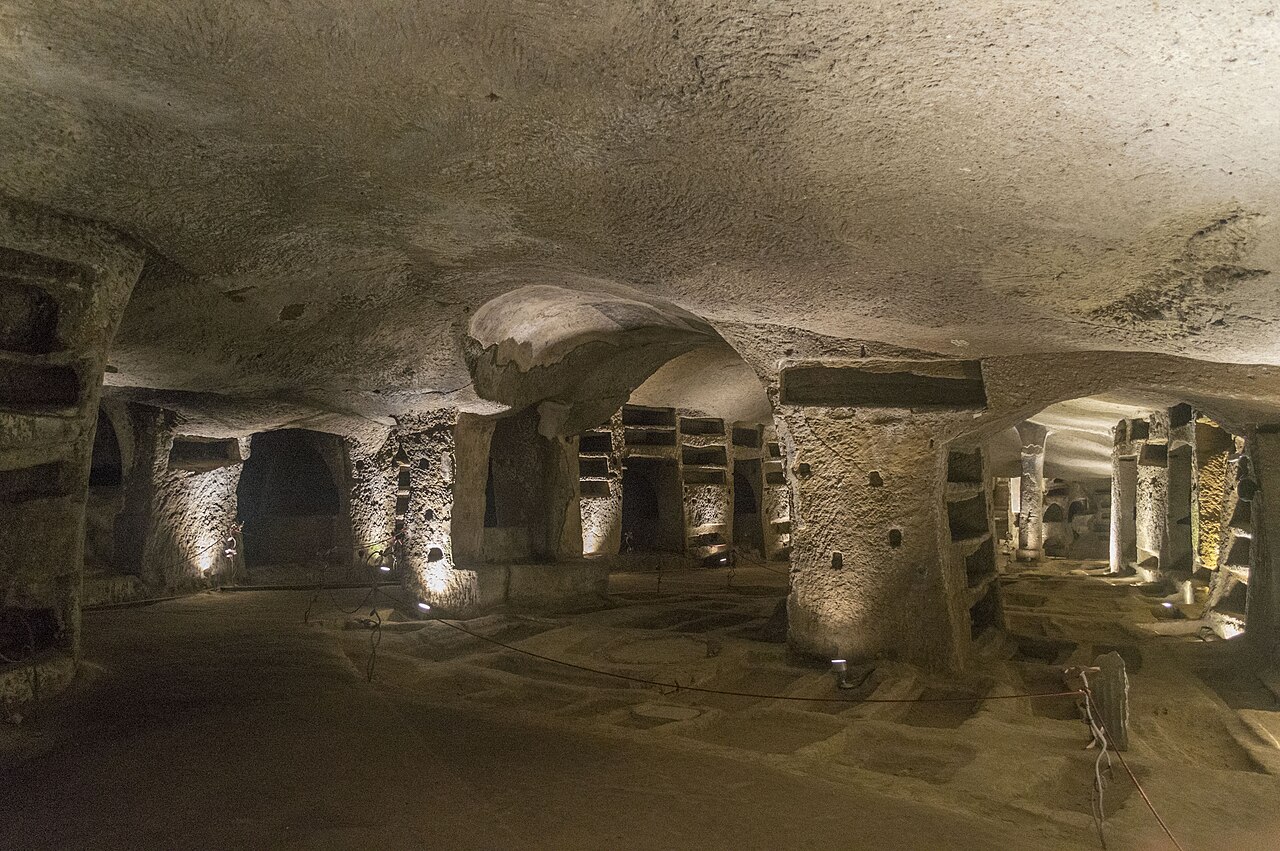
Southern Italy's greatest catacombs — two levels of early Christian tombs, frescoes and mosaics carved into the tuff — run by young guides from the Sanità neighbourhood whose project helped revive it. A short, moving guided tour.
FreeThe dead-straight Greek street that splits Naples in two, lined with churches, cloisters, crib-makers, pastry shops and pizzerias — the heart of a UNESCO historic centre that is free to wander and impossible to forget.
A Bourbon royal palace on a hilltop park, filled with one of Italy's great painting collections — Caravaggio's Flagellation, Titian, Raphael, Masaccio, Parmigianino — and almost no crowds. The vast park is free. Museum closed Wednesdays.
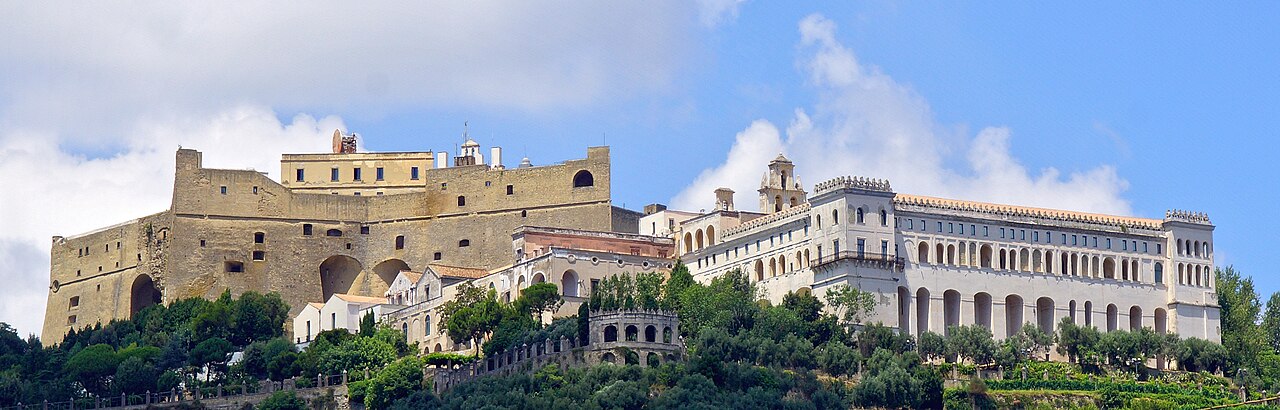
The star-shaped fortress on top of Vomero hill, reached by funicular, with the best panorama in Naples — the whole city, the bay, Vesuvius and Capri from its ramparts — plus a museum of twentieth-century Neapolitan art. A modest fee, and cheaper late in the day.
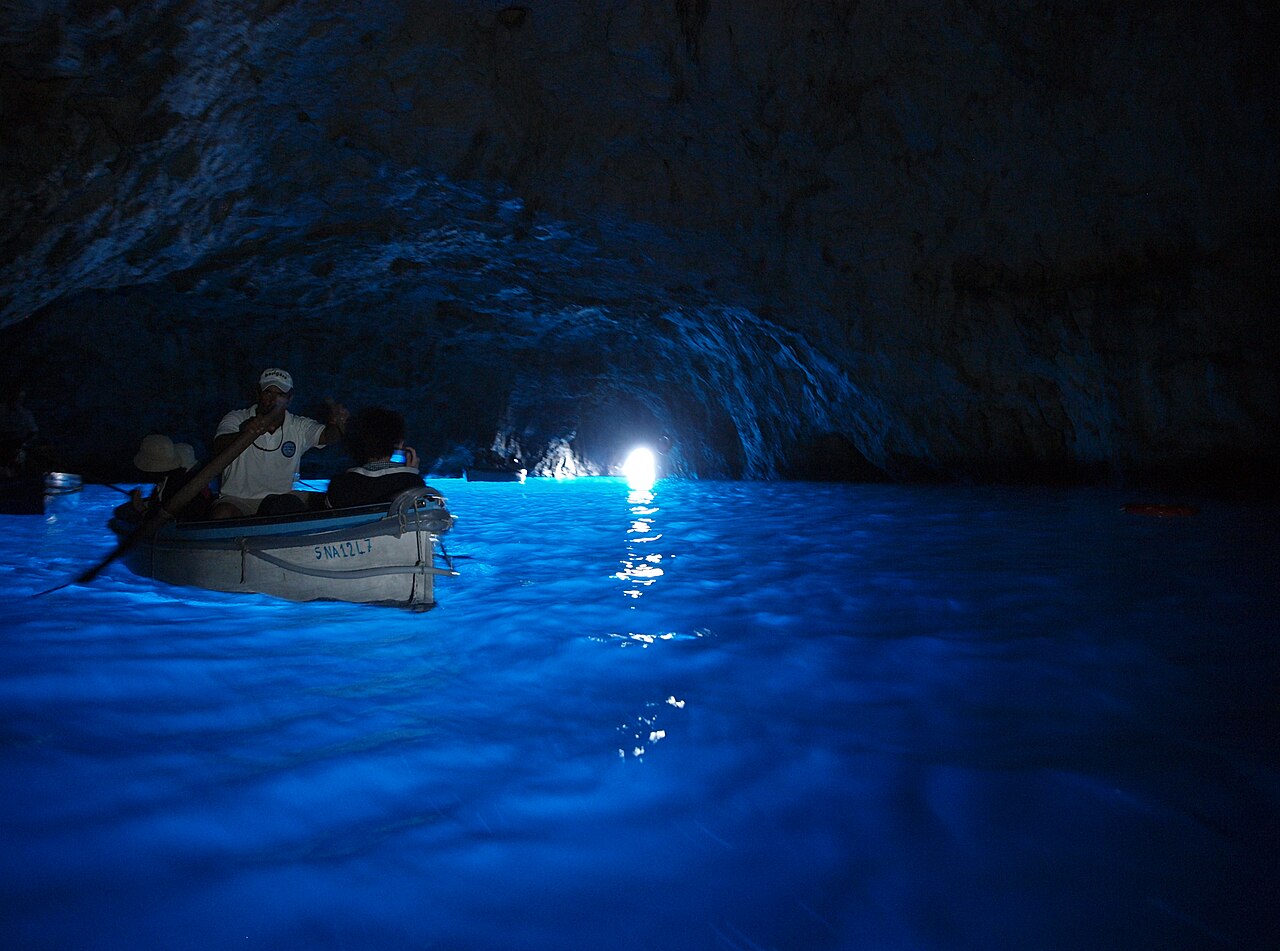
The island of emperors and film stars, a short ferry from Naples or Sorrento — the Piazzetta, the Gardens of Augustus, the Faraglioni rocks, Anacapri and, sea permitting, the luminous Blue Grotto by rowing boat. Go early, and have a plan B for the grotto.
The Amalfi Coast's three great towns in one day — Positano tumbling down its cliff, Amalfi's striped cathedral and paper-making past, and Ravello's gardens floating above the sea. By bus, boat or guided day trip from Naples; ferries run in season only.