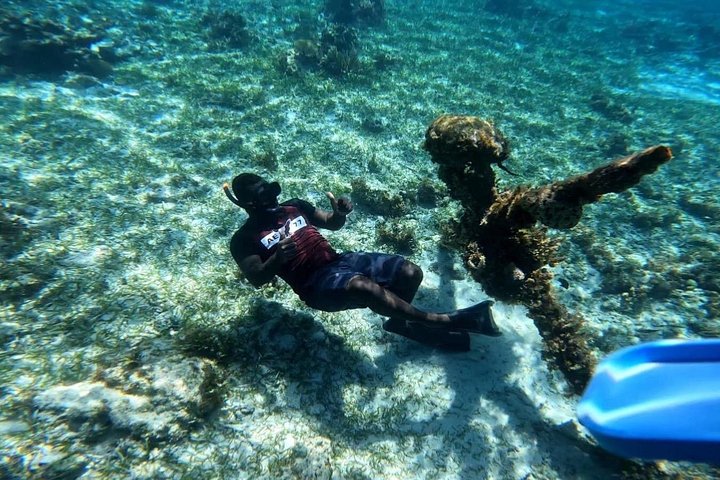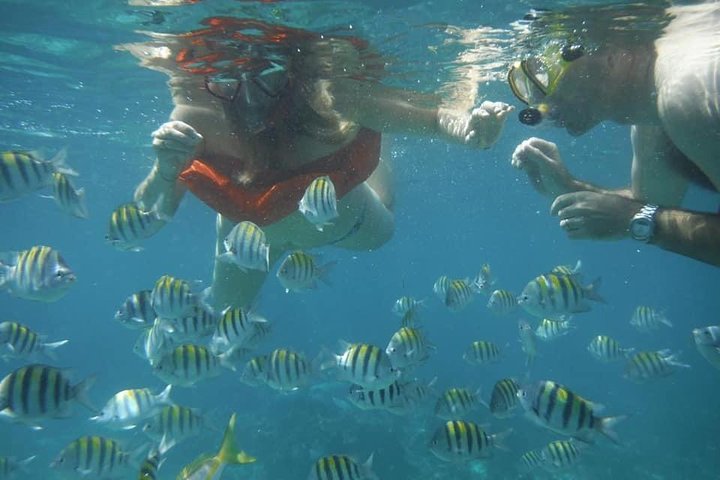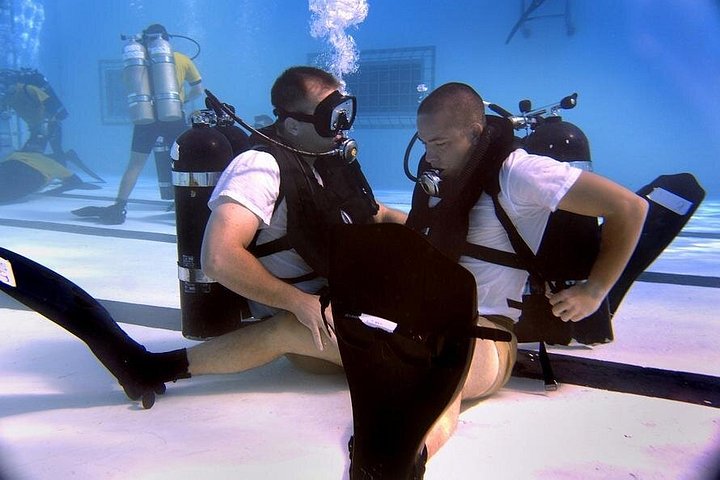
Negril’s sheltered coast and warm, clear water make it a pleasant place to learn to scuba dive. This certification course takes you through the basics of equipment, safety and underwater skills with an instructor, usually combining time in shallow water with ocean dives over coral, seagrass and drop-offs. Reef life includes parrotfish, angelfish, rays and the occasional turtle. Whether you want to start a diving hobby or simply tick off a bucket-list item, a course here is an unhurried and scenic way to begin. Experienced divers can ask the dive shops about guided trips on the reefs and wrecks along the coast.
How it works
Certification courses combine classroom or online theory, confined-water practice and open-water dives over several days. Details, prerequisites and agency affiliations vary, so check what is included.
What to expect
Instructors give a thorough briefing, fit equipment and stay close in the water. Early dives are shallow, and visibility is generally good. Medical questionnaires are standard.
Making the most of it
Arrive well rested, avoid alcohol the night before and do not fly within the recommended interval after diving. Bring a swimsuit, towel and reef-safe sunscreen.
What the course involves
Entry-level certifications generally combine knowledge development, confined-water skill sessions and a set of open-water dives, all supervised by an instructor. You learn how to set up equipment, equalise your ears, clear your mask, control your buoyancy and communicate underwater, before putting everything together on the reef. Most courses are paced so that nobody feels rushed, and instructors will repeat skills until you feel comfortable. Digital learning materials are often available in advance, which lets you finish the theory at home and spend more of your holiday in the water.
Choosing a dive operator
Look for an operator affiliated with a recognised training agency, with small groups, well-maintained equipment and clear safety procedures. Ask about instructor-to-student ratios, boat times and what happens in bad weather. Many travellers also take a refresher or a guided fun dive if they are already certified, and the same shops can tell you about the best reefs and wrecks along the coast.
Health and safety
Scuba requires a medical questionnaire, and some conditions need a doctor’s sign-off. Do not dive if you have a cold, avoid alcohol before and after diving, and respect the surface interval and flying restrictions. Diving is rewarding but demands attention, so listen to your instructor and dive within your limits.
What to expect
The experience
A multi-day scuba certification course in Negril with an instructor, combining theory, pool or shallow-water practice and ocean dives.
Best time
Calm mornings with good visibility; the dry months from December to April are popular.
How long
Several days depending on the course.
Tips
Rest well, avoid alcohol before diving, and respect the flying restrictions after your dives.
Quick picks
- Best for
- Beginners and adventurous travellers who want a lasting skill.
- Families
- Minimum ages apply for certification, so check with the operator.
- Couples
- Learn together and share the first dive.
- Pair with
- A glass-bottom boat or snorkel trip for rest days.
- Time needed
- Plan several days.
Good questions
Do I need to be a strong swimmer?+
You need basic swimming ability and a medical declaration, so check the requirements.
How long does certification take?+
Typically a few days, depending on the course and the weather.
Is Negril good for diving?+
Warm, clear water and reefs make it suitable for learners.
Can I fly after diving?+
Follow guidance on waiting before flying, usually at least 18 hours.
Is equipment provided?+
Courses typically provide equipment, but confirm what is included.