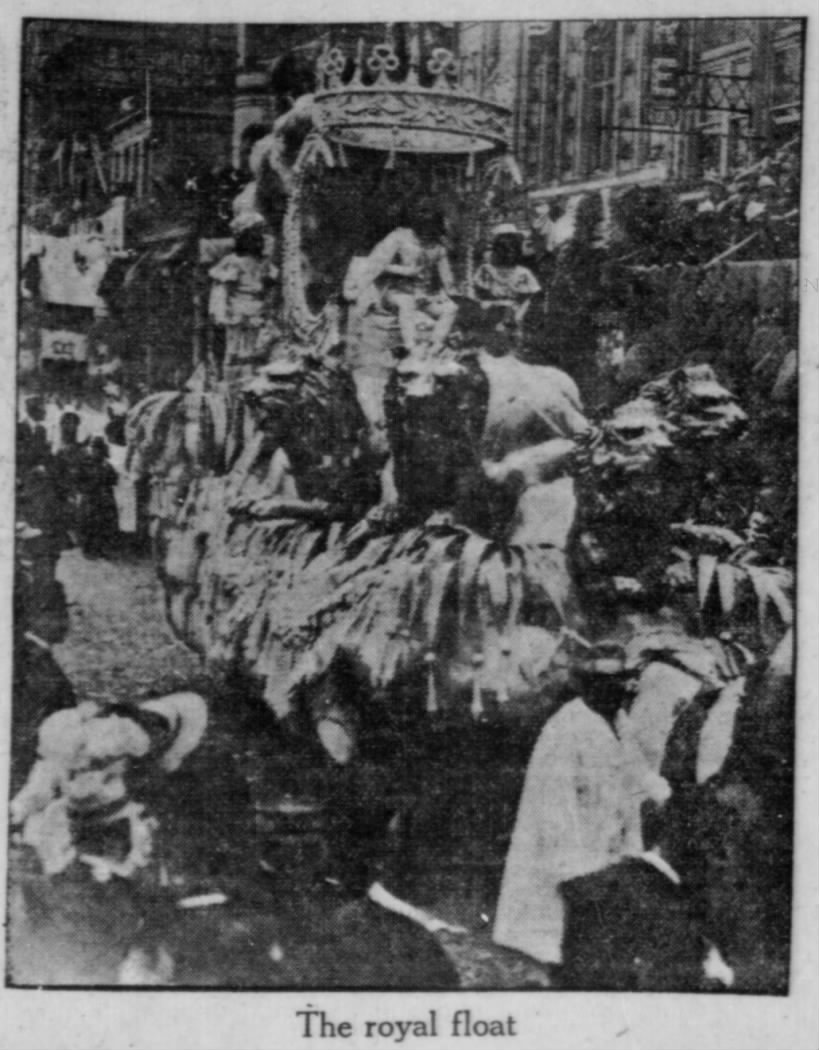
Mardi Gras World is the answer to the question every off-season visitor asks: where does Carnival go the rest of the year? It goes here, to the vast riverfront warehouses of Kern Studios at the south end of the Convention Center, where the family business Blaine Kern started building floats after the Second World War still designs and fabricates parade floats and props for krewes across the city. The tour is honest about what it is: not a museum but a working float den, so the experience changes with the calendar. In the months after Ash Wednesday you see last season's floats being stripped and re-themed; through summer and fall the sculptors carve new figures from foam and coat them in papier-mache; in the weeks before Carnival the den is at full pressure, every float half-painted and scaffolded. A guided visit runs about an hour and departs every half hour: it opens with a fifteen-minute film on the history and rituals of Mardi Gras, hands you a slice of king cake (with the plastic baby explained), then walks you through aisles of towering heads, dragons, kings and caricatures, where you can try on costumes and photograph props up close. It is the most useful single hour for anyone who has never seen a parade, and the best way to make sense of one if you have. Open seven days a week, year-round, closed only on a few major holidays and on Mardi Gras Day itself, when the floats are out doing their job. Fit: families (the scale and color are irresistible to kids), first-timers who will not be in town for Carnival, and anyone who wants the real story behind the beads.
The history explains the scale. Carnival in New Orleans is staged by private clubs called krewes, each of which pays for its own parade, and the floats they roll are built by a small number of specialist studios. Blaine Kern, who became known as Mr. Mardi Gras, turned a sign-painting trade into the city's best-known float-building operation in the decades after the war, and the studio grew into a design house whose work has appeared in parades and theme parks well beyond Louisiana. The family still runs it, and Mardi Gras World is the public face of the business: the same warehouses that hold the floats also host events, which is why the riverfront complex feels like a mix of factory, prop store and party venue.
How to do it well: book online, especially during Carnival season, spring break and big convention weeks, when tour slots fill. Go on a weekday if you want to see artists at work on the studio floor; weekends can be quieter on the production side. Watch the film rather than skipping ahead, because it frames the krewe system, the throws and the parade calendar in a way that makes the walk-through far richer. Ask the guide about the materials: the carving, the layering of paper and paint, and how floats are reused and re-themed year after year are the most interesting part of the craft. Bring a camera; the props are huge and the light inside the dens is good. The free shuttle from downtown pick-up points runs on a call-when-you-arrive basis, so keep the phone number handy, or walk along the riverfront from the Warehouse District.
Practicals and pairing: the den sits at 1380 Port of New Orleans Place, along the river at the far end of the Convention Center. Parking nearby is available in a Convention Center lot for a fee and can close without notice during events, so the shuttle or a rideshare is simpler. Tours take about an hour; add time for the gift shop. Pair it with the National WWII Museum or a riverfront walk the same morning, or with the steamboat for a day that explains both halves of the city's personality. If you are in town during Carnival, take this tour first: every parade afterward will look different.
What to expect
The experience
A guided walk through the working float warehouses of Kern Studios, opening with a short Mardi Gras film and a slice of king cake, then past towering parade props with artists at work on the studio floor.
Best time
Weekdays for the best chance of watching sculptors and painters; the weeks before Carnival for floats at peak build; book ahead for spring break and Carnival season.
How long
About an hour for the tour, plus time in the shop and for photos.
Tips
Use the free shuttle from downtown pick-up points and call when you reach your stop. Do not skip the film; it makes the krewe system click. Closed on Mardi Gras Day, when the floats are out on the streets.
Quick picks
- Best for
- Seeing Carnival when it is not Carnival, and understanding it when it is.
- Families
- Giant heads, dragons and costumes to try on — kids rank it near the top of the trip.
- Couples
- A fun, colorful hour that pairs well with a riverfront walk and a Warehouse District lunch.
- Pair with
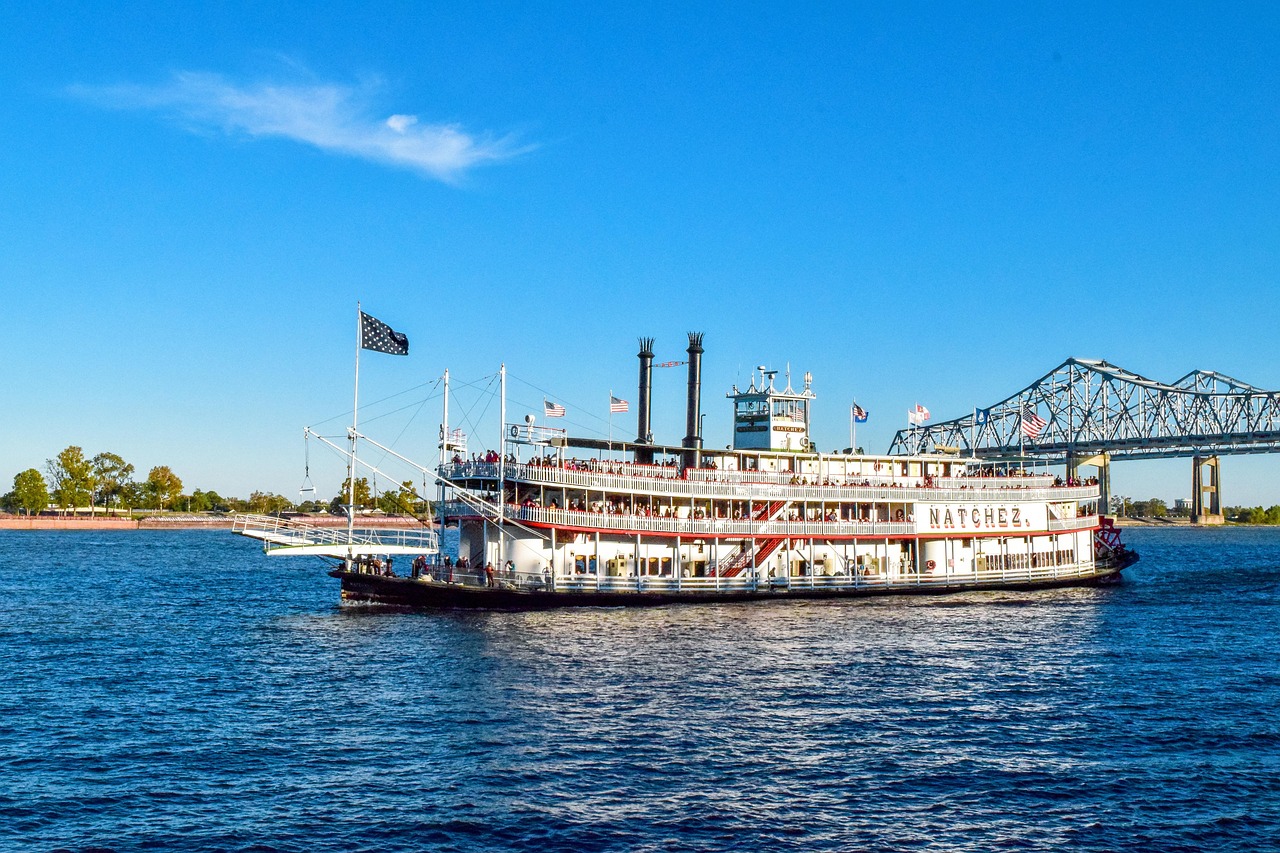
- The National WWII Museum nearby, or the Steamboat Natchez for a river-themed day.
- Time needed
- A morning or afternoon slot of about ninety minutes including the shuttle.
Good questions
Is Mardi Gras World worth it if I am not visiting during Carnival?+
That is exactly when it is most valuable. The floats you see are real works in progress for upcoming parades, and the film and guide explain the krewe system, throws and parade calendar, so you leave understanding a festival you did not attend.
How long is the tour and what is included?+
About an hour. Tours leave every thirty minutes and include a short film on Mardi Gras history, a slice of king cake, and a guided walk through the float dens with time for photos and costume try-ons.
How do I get there without a car?+
A free shuttle serves a set of downtown pick-up points; you call the number on the official site when you reach a stop. You can also walk the riverfront from the Warehouse District or take a short rideshare.
When is it closed?+
It is open every day of the year except a few major holidays — Thanksgiving, Christmas and Easter — and Mardi Gras Day itself, when the floats are rolling through the city.
Is it good for young children?+
Very. The props are enormous and colorful, the walk is flat and indoors, and the king cake keeps everyone happy. Strollers manage fine, though the dens can be busy at peak times.