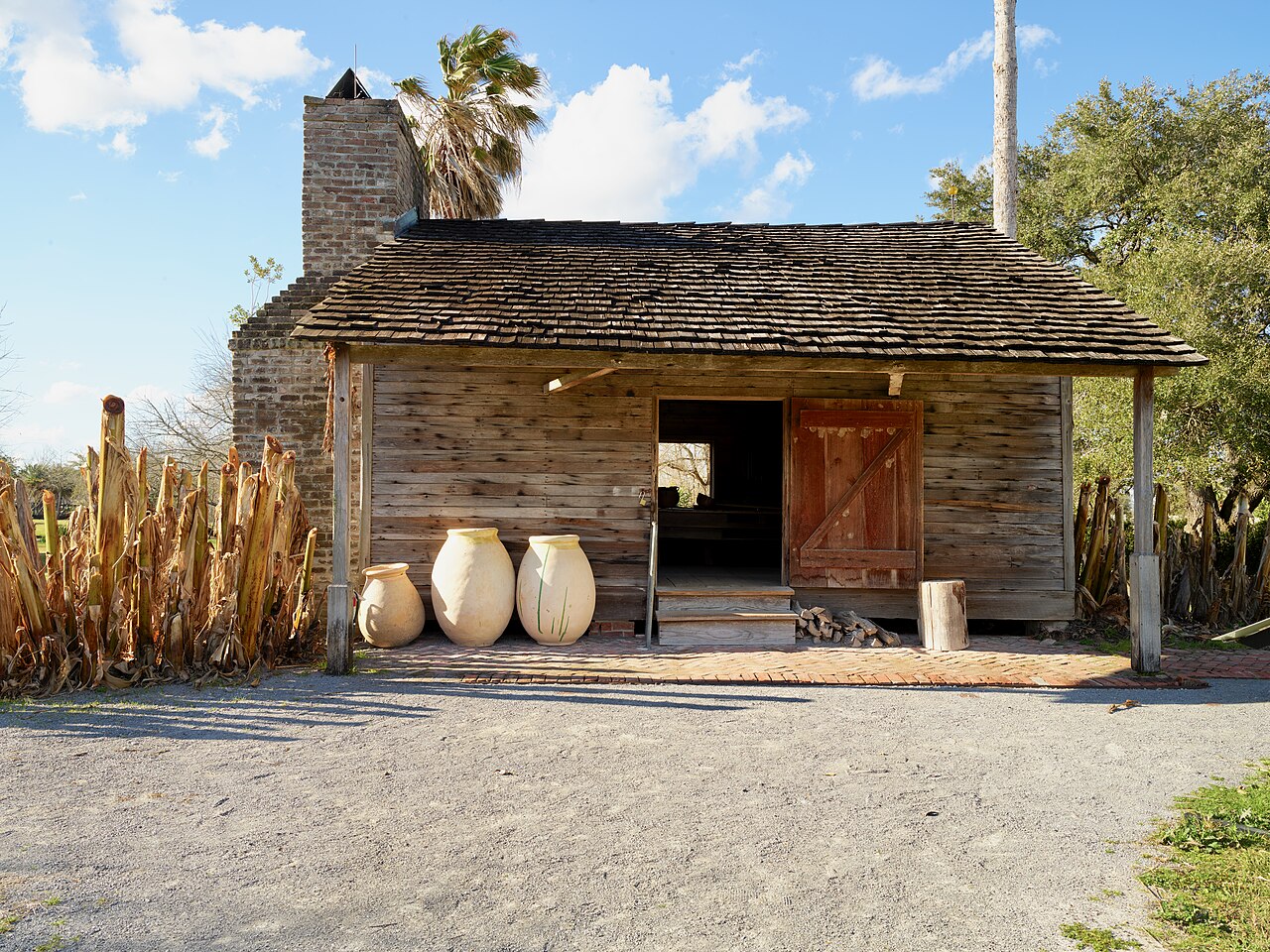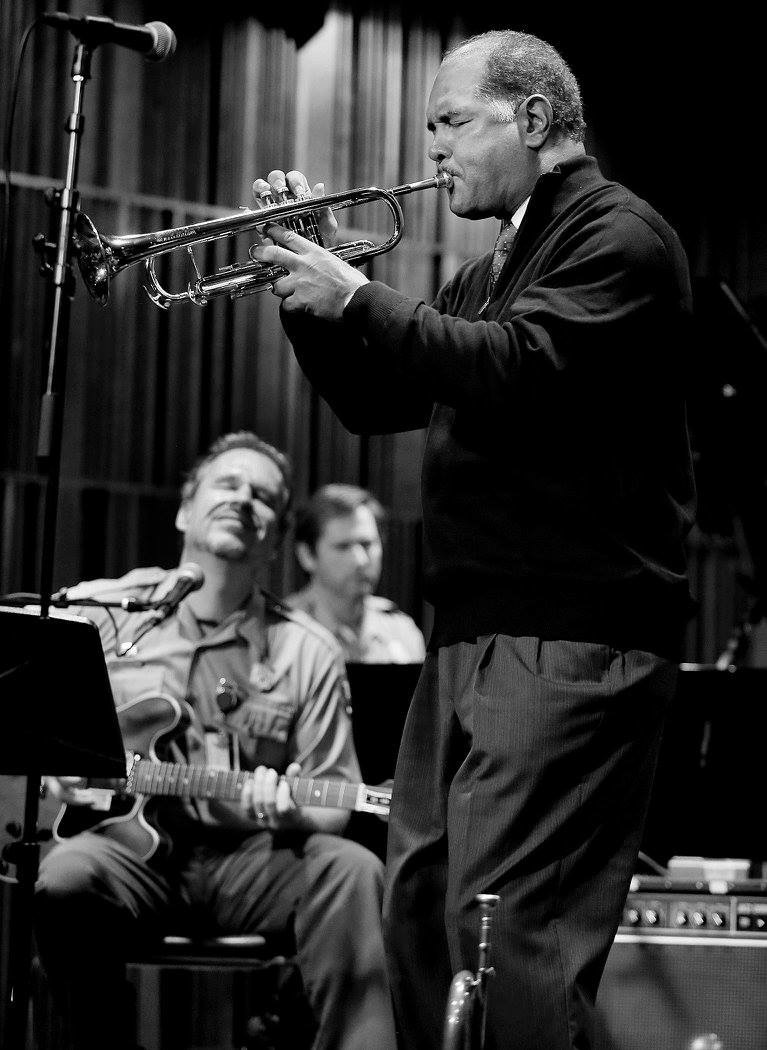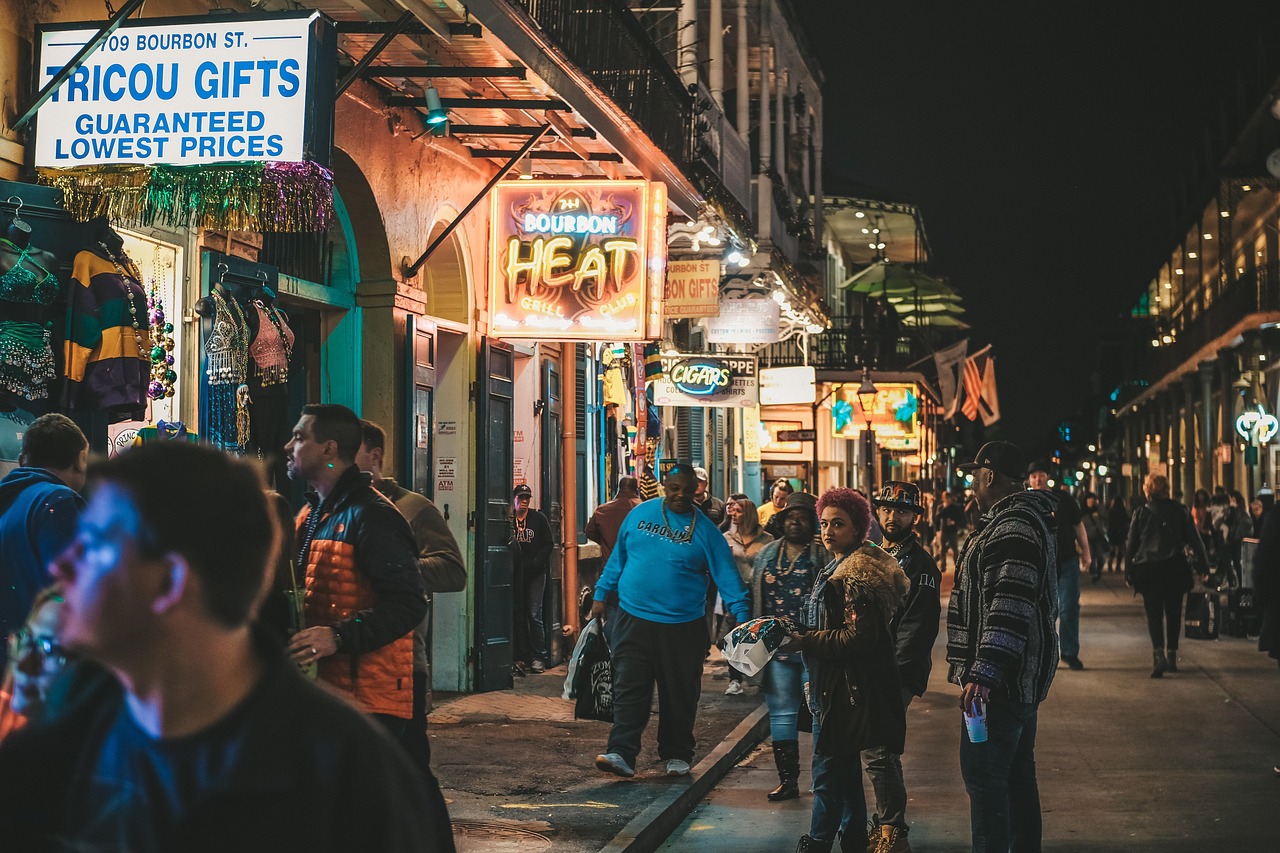
Many visitors come to New Orleans for the music and the food without learning where either came from. The Soul of New Orleans City Tour is built to fill that gap. Its subtitle, Enslavement to Modern Day Culture, describes the arc: a guided tour that traces the African American experience in the city from slavery through emancipation, segregation, and the creation of the cultural traditions that define New Orleans today. The story is a big one, because jazz, the second line, Mardi Gras Indian culture, and much of the city's cooking developed in Black communities, often in the face of great hardship. A tour that connects those threads gives context to everything else you will see and hear on your trip. The listing page rates it very highly, with several hundred reviews, which suggests that the guides deliver the material with care and depth. It suits travelers who want a more serious and more complete picture of the city than the French Quarter alone can offer, and it is a good first-day orientation for visitors who plan to spend their evenings listening to live music. Confirm the exact stops, vehicle format, and duration on the booking page, since those details are set by the operator and can change.
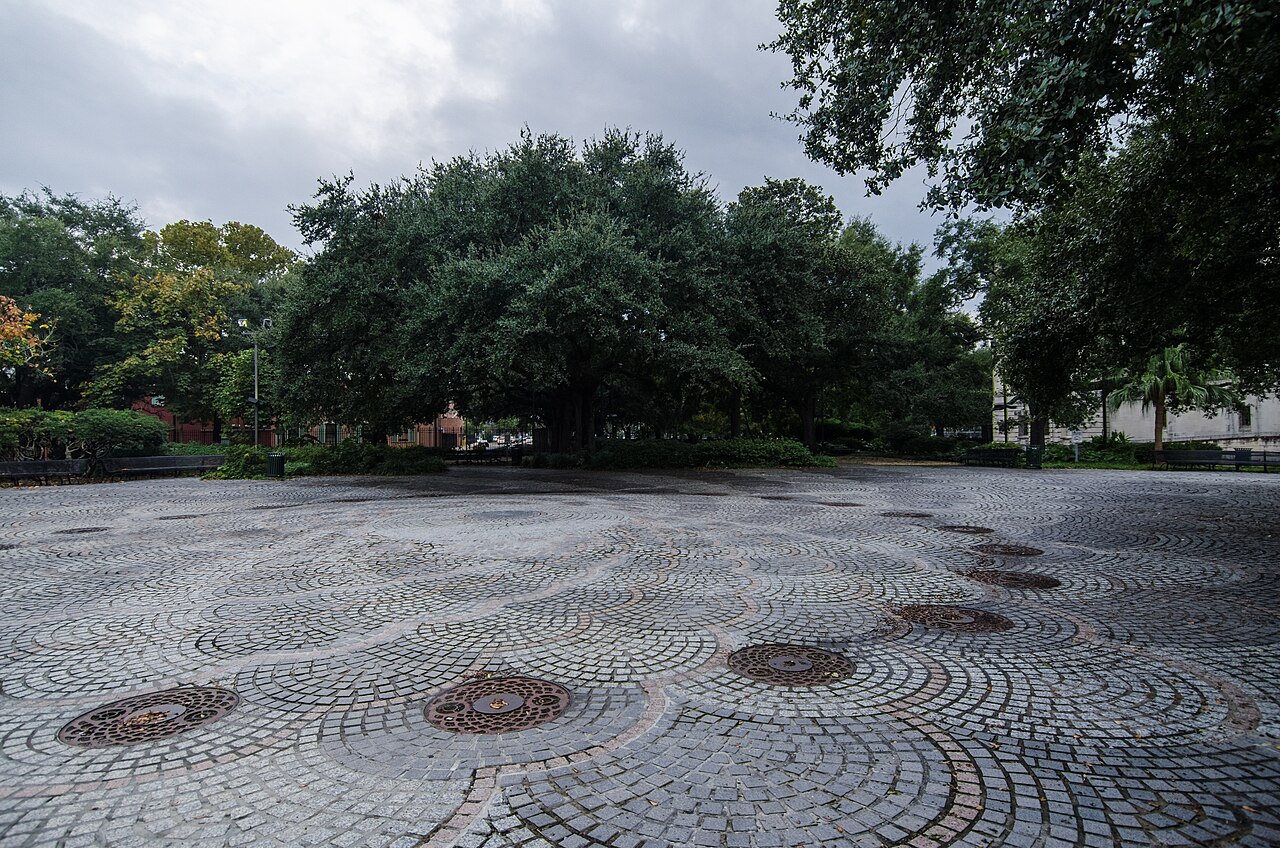
The best way to use a tour like this is as a lens. After you hear how places such as Congo Square, the Tremé, and the neighborhoods beyond the Quarter fit into the city's history, the rest of your visit changes. A club on Frenchmen Street, a plate of Creole food, or a brass band on the street reads differently when you know the lineage behind it.
Expect a mix of history and present-day culture rather than a single heavy lecture. Guides on tours like this usually combine dates and facts with personal and community stories, and they invite questions. The subject is serious and includes violence and injustice, so it suits adults and older children, and younger children may find some content difficult.
Check the booking page for pickup details, which can vary by product, and confirm the language and group size. Wear comfortable shoes in case there are walking stops, bring water, and consider pairing the tour with a visit to a museum or a walk through Congo Square so you can return to places that interested you at your own pace.
Allow room to reflect afterward. The tour covers heavy material, and many visitors find it useful to sit with a coffee or a meal and talk it over. If you have time, follow it with a visit to a museum, a performance, or a quiet walk through a neighborhood you heard about, and take notes about the people and places that stood out. Consider ordering food from a Black-owned restaurant or attending a live set by a local musician, because the tour makes those experiences more meaningful. Treat it as a foundation for the rest of your trip, and revisit the places that sparked your curiosity.
What to expect
The experience
A guided city tour tracing Black history and culture in New Orleans, from enslavement to modern traditions.
Best time
Early in your trip, so the context shapes the rest of your visit.
How long
Check the booking page for the current length and format.
Tips
Confirm pickup and stops when booking. Bring water. Pair with Congo Square or a museum visit.
Quick picks
- Best for
- Visitors who want the history behind the music and food.
- Families
- Better for teens and adults; some content is heavy.
- Couples
- A thoughtful half day that gives the rest of the trip depth.
- Pair with
- Congo Square and an evening of live music.
- Time needed
- Check the booking page.
Good questions
What does the tour cover?+
It traces the Black experience in New Orleans from enslavement to modern cultural traditions, as the tour title indicates.
Is it suitable for children?+
The subject is serious, so it suits teens and adults best.
How long is it?+
Duration is set by the operator, so confirm it on the booking page.
Is it a walking tour?+
Check the booking page for the format and whether there are walking stops.
Why take it early in a trip?+
It gives context for the music, food, and neighborhoods you will see afterward.