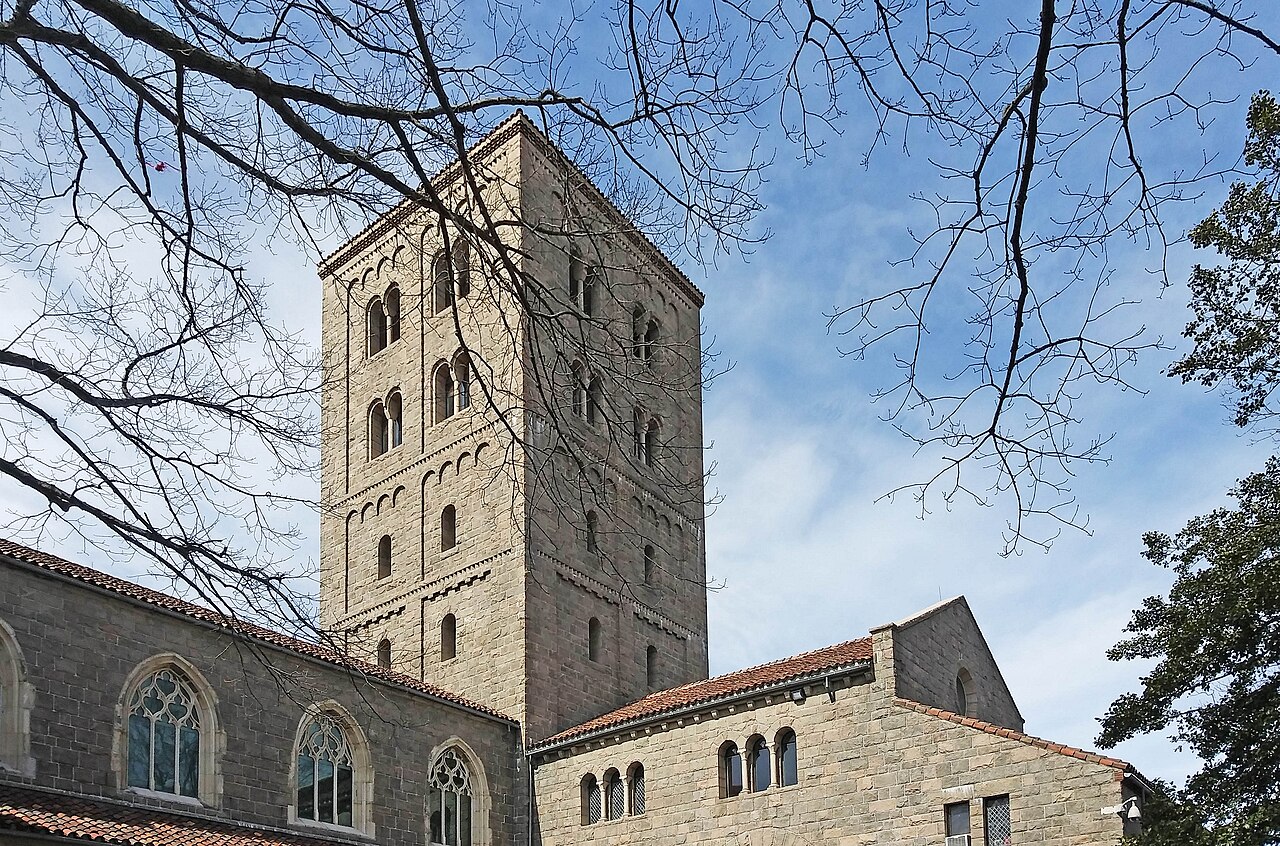
The Met Cloisters is the Metropolitan Museum of Art's branch for medieval art and architecture, and it feels like a different city altogether. It stands on a wooded ridge in Fort Tryon Park, at the northern end of Manhattan, in a building that opened in 1938 and incorporates real elements from medieval French monasteries: arcades, chapels and portals that were taken apart in Europe and reassembled here. Inside are some of the great works of the Middle Ages - the Unicorn Tapestries, the Merode Altarpiece, carved ivories, stained glass, illuminated manuscripts and sculpture - set in rooms that suit them, with stone floors, deep window light and quiet courtyards. The gardens, planted with medieval herbs and flowers, are as much a draw as the galleries, and the terraces look across the Hudson to the Palisades. It is one of the most peaceful and atmospheric places in the city and a rewarding half-day away from the crowds of Midtown.
John D. Rockefeller Jr. made the Cloisters possible by buying the collection of sculptor George Grey Barnard, funding the building and donating the land of Fort Tryon Park, and the architect Charles Collens designed the museum to echo medieval monastic architecture. You walk from the lobby into a Romanesque hall and through to the Cuxa Cloister, a garden courtyard surrounded by columns that is the heart of the building.
From there, rooms lead to the Gothic chapel, the Fuentidueña apse, a late medieval collection of tapestries and the treasury with its small precious objects. The Unicorn Tapestries, a set of seven woven panels depicting a hunt, are the star, and the rooms are arranged so you can step close to the intricate details.
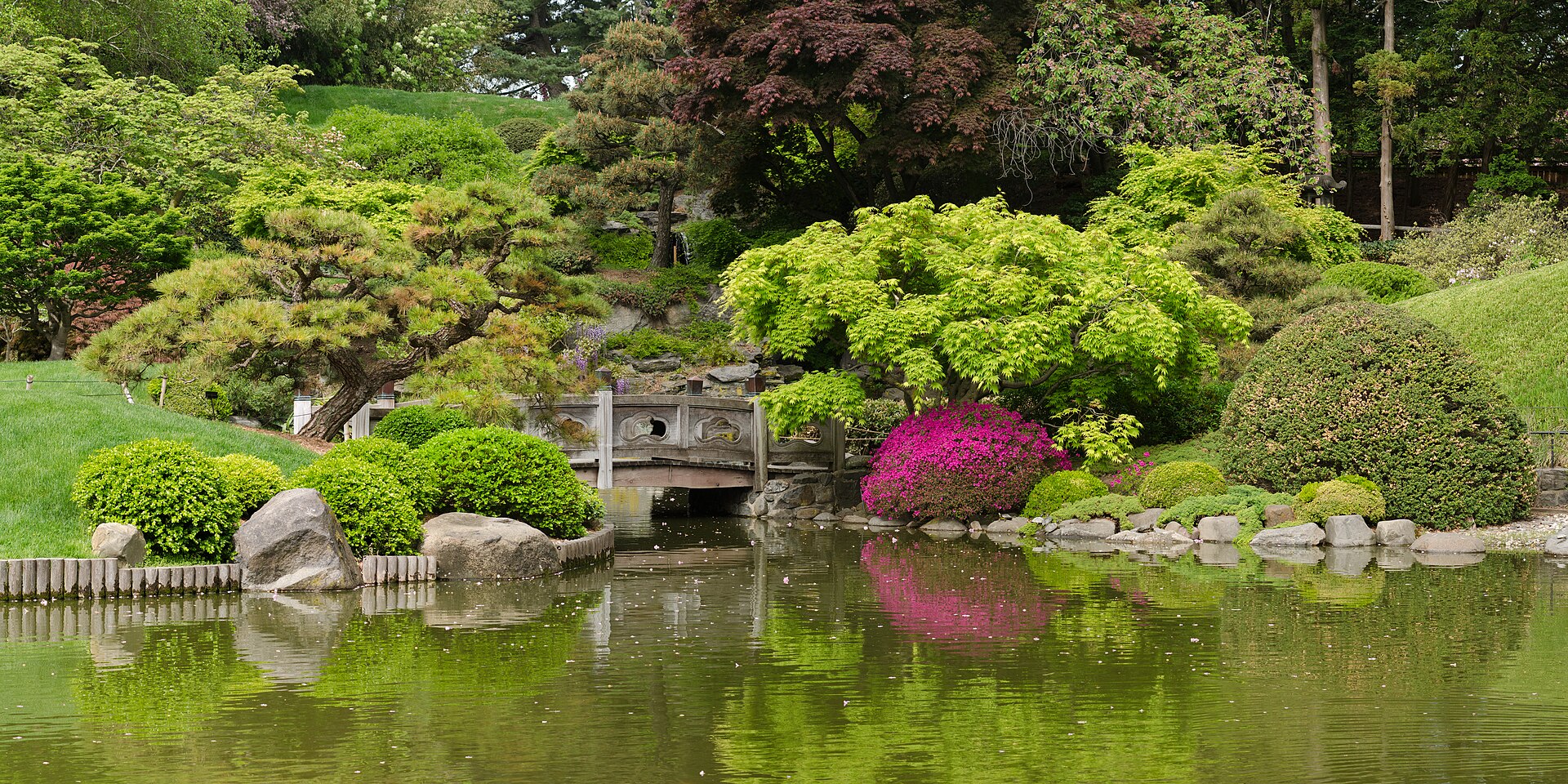
The garden courtyards carry seasonal color. The Bonnefont Cloister is planted with herbs used in medieval medicine and cooking, the Trie Cloister blooms with plants shown in the tapestries, and the Cuxa garden is a place to sit and watch light move across the arcade. Spring and early autumn are lovely, but the museum is atmospheric in every season, and on a clear day the terrace views up and down the Hudson River are among the best in the city.
Fort Tryon Park surrounds the building, with landscaped paths, a heather garden and the Hudson River overlook, so a walk before or after the museum is an easy addition.
Getting there takes some planning but is simple. The A train to 190th Street and a walk through the park, or the M4 bus to the Cloisters stop, are the usual routes, and the trip from Midtown takes about half an hour. A Met admission ticket also covers the Cloisters within its validity window, so many visitors combine the two - confirm the rules on your ticket and check the museum's weekly closing day before going.
Allow two to three hours, and bring a layer because stone interiors can be cool. It pairs well with the Metropolitan Museum for a medieval-to-modern art itinerary, and with the New York Botanical Garden or a Harlem walk for a day in the northern parts of the city.
Because the museum is far from the main tourist circuit, build the day around it rather than squeezing it between other stops. Bring water, wear comfortable shoes for the park paths and sloped approach, and pack a light lunch or plan to eat in the museum cafe if it is open. A clear day makes the terrace views especially rewarding, and late-afternoon light in the arcades is a favorite for photographers. The nearby Little Red Lighthouse and the Hudson River Greenway make a nice add-on for walkers.
What to expect
The experience
A museum of medieval art and architecture built around real European cloisters, with tapestries, sculpture, stained glass and herb gardens in Fort Tryon Park.
Best time
Spring and early autumn for the gardens; weekday mornings for quiet galleries.
How long
Two to three hours, plus time in Fort Tryon Park.
Tips
Take the A train to 190th Street or the M4 bus, bring a layer, and check the weekly closing day and ticket validity before going.
Quick picks
- Best for
- Medieval-art lovers and anyone craving a calm, atmospheric escape.
- Families
- Better for older children who enjoy castles and tapestries; gardens give younger ones room.
- Couples
- A romantic half day with garden courtyards and river views.
- Pair with
- The Metropolitan Museum, Fort Tryon Park and a walk through Harlem.
- Time needed
- A half day including travel from Midtown.
Good questions
What is the Met Cloisters?+
A branch of the Metropolitan Museum of Art devoted to medieval European art and architecture, in Fort Tryon Park.
Does a Met ticket cover it?+
Yes, a Met admission ticket also covers the Cloisters within its validity window; check your ticket for details.
How do I get there?+
Take the A train to 190th Street and walk through Fort Tryon Park, or the M4 bus to the Cloisters stop.
What is the highlight?+
The Unicorn Tapestries, along with the Cuxa Cloister garden and the Merode Altarpiece.
When is it best to visit?+
Spring and early autumn for the gardens, though it is atmospheric all year.