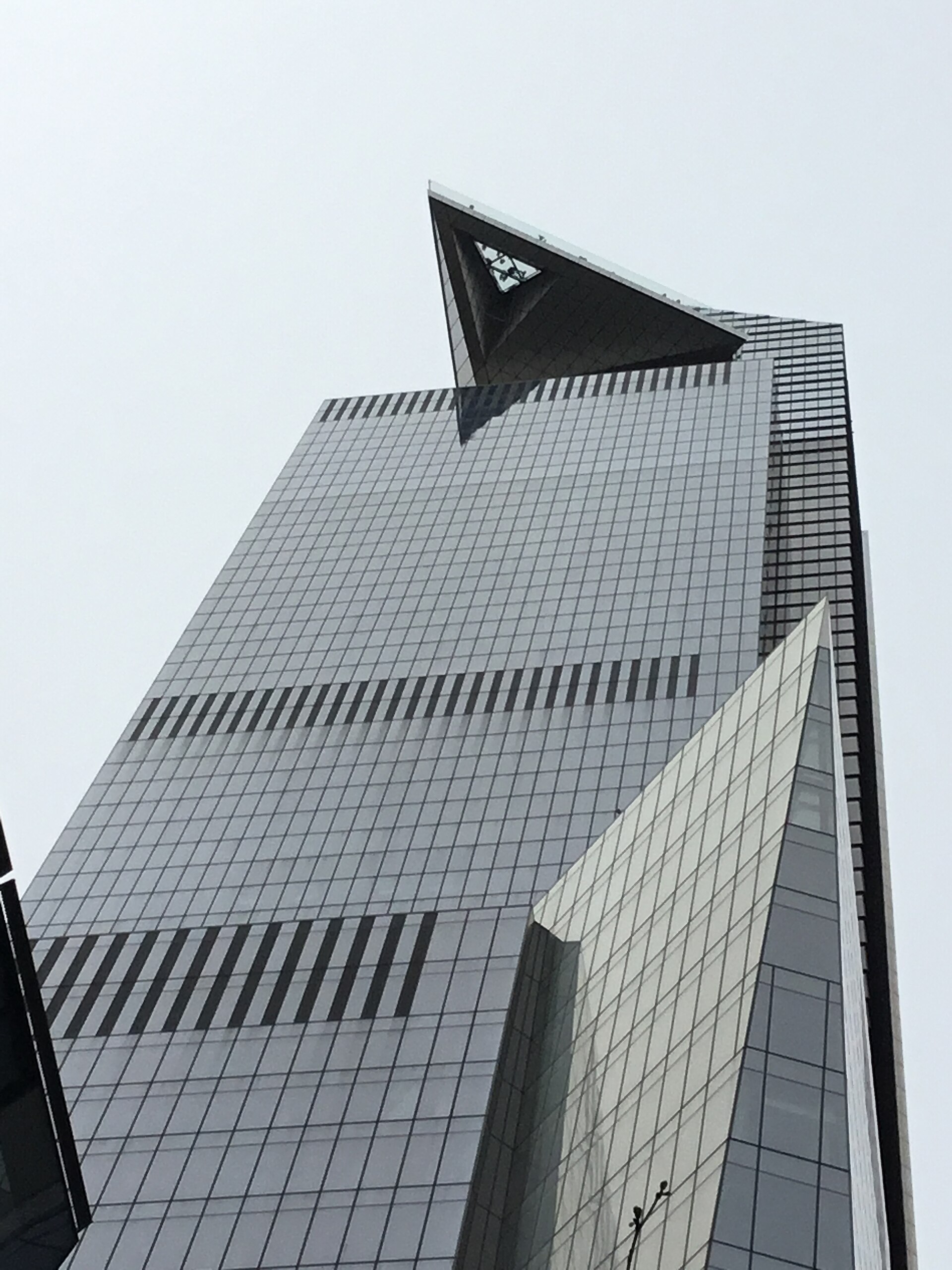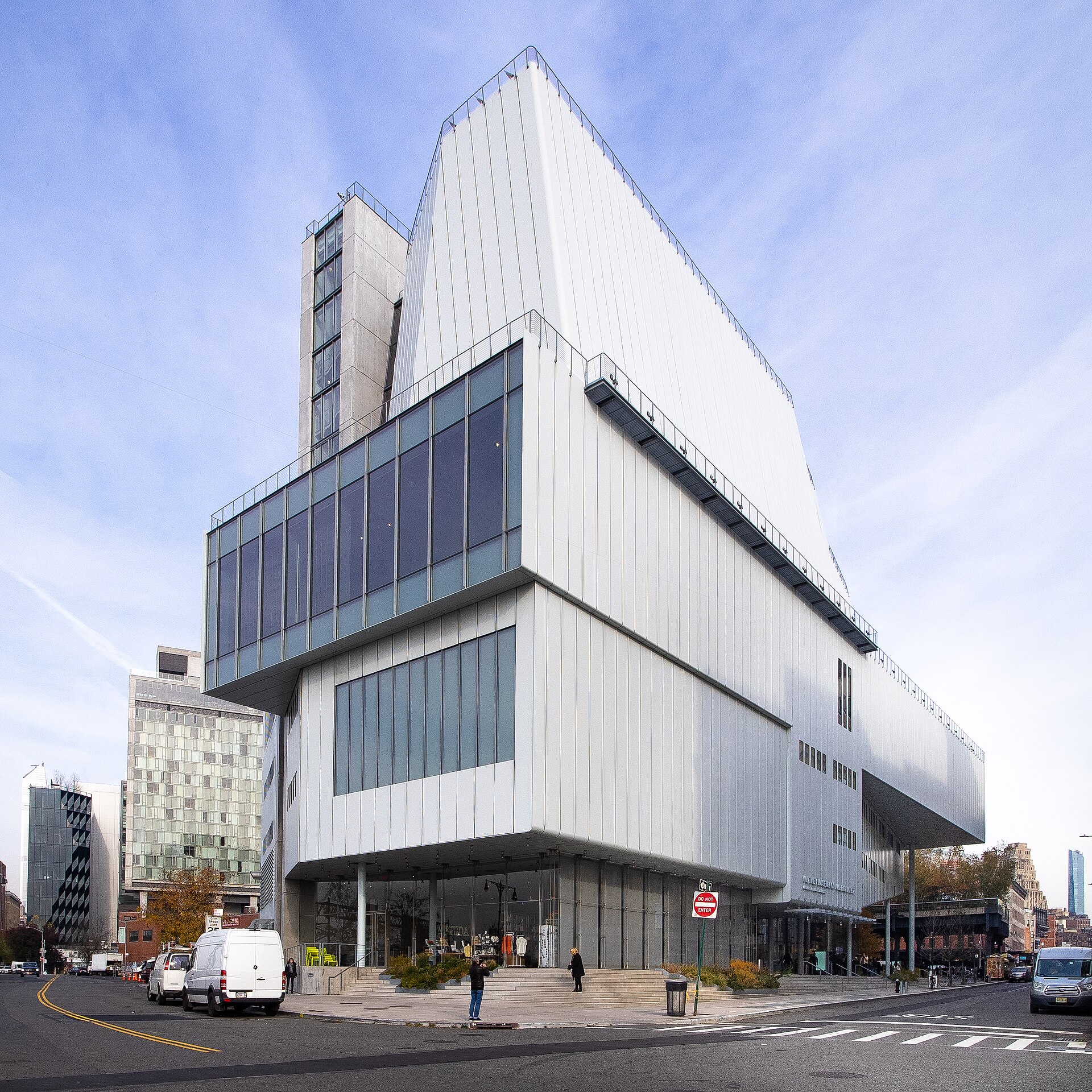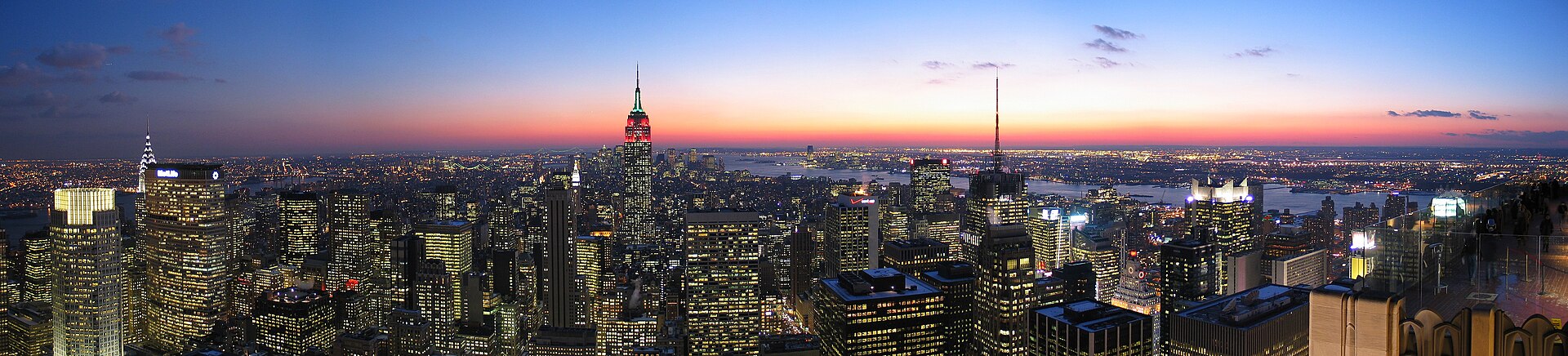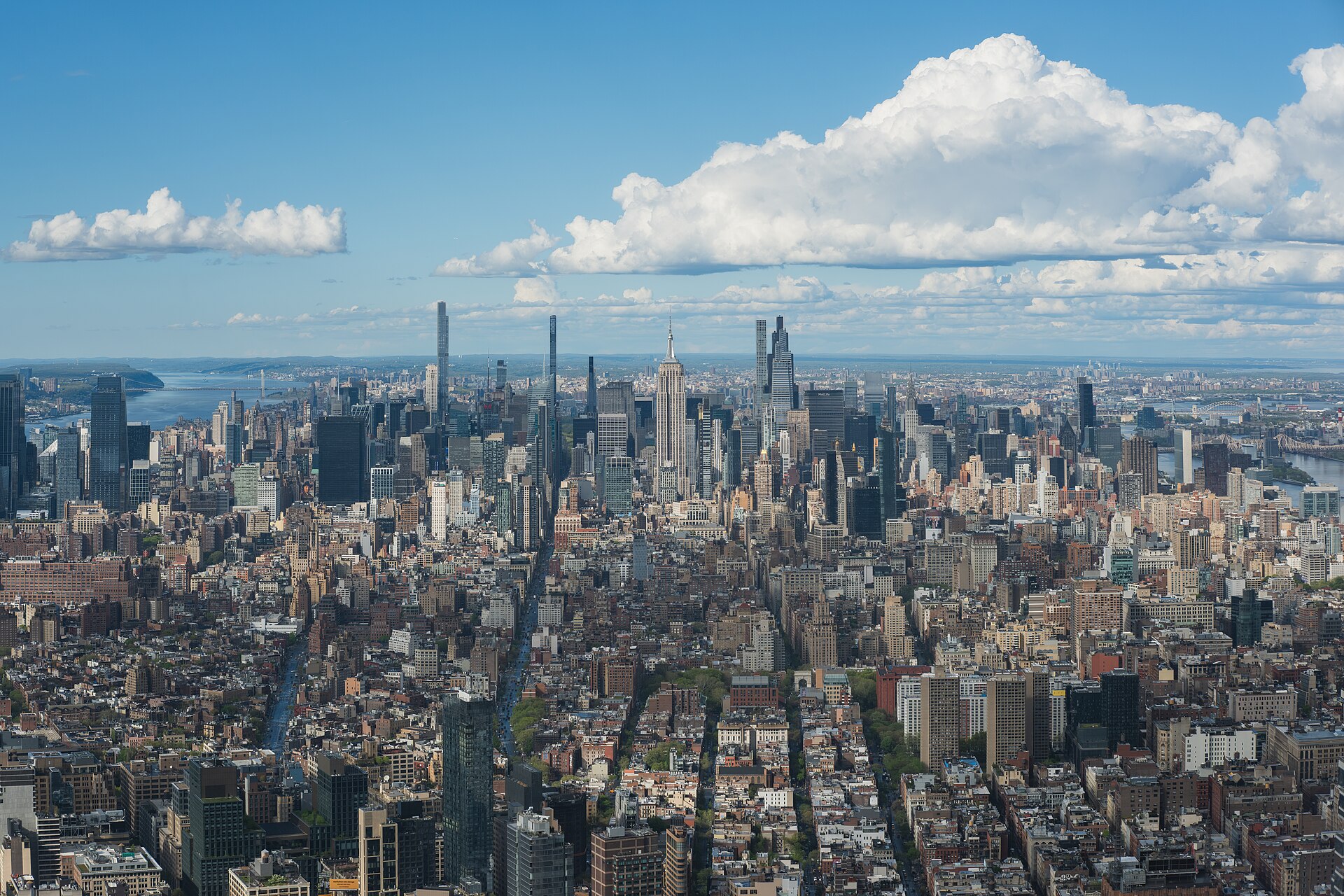
The High Line is the park that launched a thousand imitations and still out-walks them all: 1.45 miles of 1930s elevated freight viaduct on Manhattan's far West Side, saved from demolition by two neighbors' quixotic 1999 campaign and reborn (2009-2014, with the 2019 Spur) as the world's most influential linear park — Piet Oudolf's planting design keeping faith with the wild self-seeded landscape that colonized the abandoned tracks (grasses and perennials running through the original rails, prairie-loose and intentionally untamed through all four seasons), threaded between and sometimes through buildings (the Chelsea Market passage's tunnel, the Standard Hotel straddling the path) from Gansevoort Street in the Meatpacking District to 34th Street's Hudson Yards. The walk's set pieces arrive in sequence: the Gansevoort end's Whitney Museum anchor (Renzo Piano's ship-form building at the stairs — pair them), the sunken 10th Avenue Square's billboard-frame window (the amphitheater seating over the avenue's traffic is the park's icon — the city as the show), the flyover's canopy-level stretch through Chelsea's gallery blocks, the public-art commissions rotating at the Spur's plinth and along the line, the wildflower field's uncut middle mile, and the finale rounding the rail yards into Hudson Yards' glass (Vessel and the Edge's deck for those continuing the day). Free always, no tickets, busiest weekend middays (mornings and evenings walk easy; sunset westward over the Hudson is the local hour), 45-90 minutes end to end with descents tempting the whole way — Chelsea Market's food halls one staircase down at 16th being mandatory. The urban-design pilgrimage and the casual stroll both land: this is the rare attraction that is simply a great walk.
The backstory carries the walk
The viaduct (built 1934 to lift freight trains off "Death Avenue" — 10th Avenue's street-level rail killed hundreds before it) ran its last train in 1980 (three carloads of frozen turkeys, the lore insists), rusted under demolition orders for two decades while a secret meadow self-seeded on the gravel, and was saved when Joshua David and Robert Hammond — two neighbors who met at a community-board meeting — founded Friends of the High Line and won: the photographs of the hidden wild landscape (Joel Sternfeld's famous series) converted the city, and the design team (James Corner Field Operations, Diller Scofidio + Renfro, Piet Oudolf) built the park as a frame for that found wildness rather than its replacement — the planting's four-season honesty (winter's standing seedheads are deliberate; the park refuses the bedding-plant cycle) is the design's soul.
Walking craft
Start at Gansevoort (Whitney stairs) and walk north — the sequence builds correctly — with the essential pauses: the 10th Avenue Square's window-seats (claim one; watch the avenue as theater), the Chelsea Market passage's vendor-and-shade stretch (descend at 16th for the Market's food halls — the one mandatory detour), the 23rd Street lawn's lounging, the art commissions (the program is museum-grade; check the current roster), and the 30th Street cutout's rail-yard panorama as Hudson Yards rises. Evening strategy: the path faces the Hudson — sunset walks west-glowing, with the Standard's and neighbors' terraces lighting after. Crowd math: weekend 11am-4pm runs single-file in places; weekday mornings and any evening restore the stroll.
Practicals and fit
Access points every few blocks (Gansevoort, 14th, 16th, 23rd, 30th, 34th — elevators at the majors), free always with no reservations (rare event closures aside), leashed-dog-free (no dogs, famously), restrooms at Gansevoort and the Market below, 45-90 minutes through-walked. Fit: every first trip (it IS the modern New York postcard), design-and-garden travelers (Oudolf pilgrimage grade), couples at sunset, families (the window-seats and art engage kids; the line is stroller-fine via elevators) — and pair-planners: Whitney at the south foot, Chelsea Market mid-line, Hudson Yards' Edge at the north, composing the West Side's complete day.
What to expect
The experience
A 1.45-mile elevated walk on the saved freight viaduct — wild four-season plantings through the rails, the 10th Avenue window-seats, rotating public art, and Hudson Yards' finale.
Best time
Weekday mornings or any evening (weekend middays run single-file); sunset faces the Hudson; winter's seedhead landscape is the design's deliberate fourth act.
How long
Forty-five to ninety minutes end to end.
Tips
Walk south-to-north from the Whitney's stairs — the sequence builds right. Descend at 16th for Chelsea Market; it is mandatory. Claim a 10th Avenue window seat and watch the city perform.
Quick picks
- Best for
- The modern New York postcard — and the rare attraction that is simply a great walk.
- Families
- Window-seats, art, and elevators at the major stairs — with the Market's food hall as the bribe below.
- Couples
- Sunset westward over the Hudson with the terraces lighting after — the West Side's definitive stroll.
- Pair with
- The Whitney at the south foot, Chelsea Market mid-line, Edge at Hudson Yards north — one composed day.
- Time needed
- One through-walk, descents included.
Good questions
What was it before?+
A 1934 elevated freight viaduct built to end "Death Avenue's" street-level rail carnage — last train 1980 (frozen turkeys, the lore insists), then twenty wild years as a secret self-seeded meadow before the 2009 rebirth.
Why do the plantings look wild?+
By design — Piet Oudolf's scheme keeps faith with the found landscape that colonized the tracks: grasses through the rails, four honest seasons, winter seedheads standing deliberately.
Which direction should we walk?+
South to north from Gansevoort — Whitney stairs, the 10th Avenue window, the Market passage, the wildflower mile, and Hudson Yards' glass as the finale. The sequence builds correctly.
Is it accessible?+
Elevators at the major access points and a smooth deck throughout — strollers and wheelchairs through-walk it fine. No dogs, famously; no tickets ever.
When is it least crowded?+
Weekday mornings and evenings — weekend middays run single-file through the pinch points. Sunset is busy and worth it anyway.