Noosa has a subtropical climate that is mild for most of the year, which is why the town fills up whenever schools are out. The best time to visit depends on what you want to do. Beach days and warm-water swimming favour the warmer months, while walking, whale watching and quiet dinners favour winter. This guide breaks the year into seasons and flags the factors that change the experience, from stingers to school holidays.
Summer
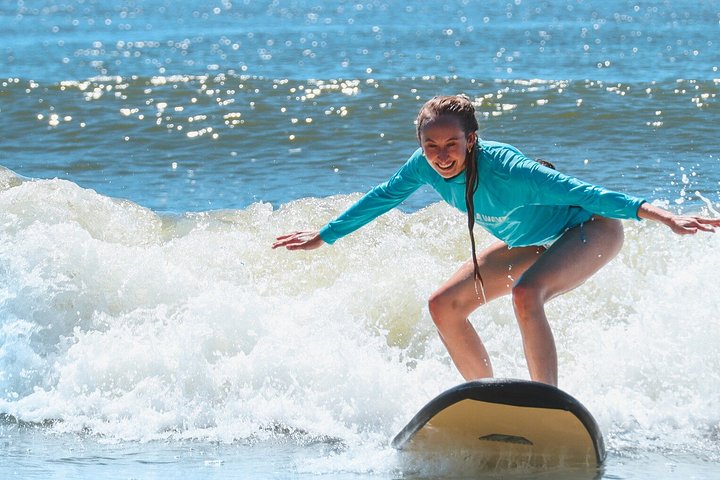
Summer is hot and humid, with long days, warm water and afternoon storms. It is the classic beach season, with surf lessons, swims and river cruises at their best, but it is also the most crowded, especially around Christmas and January, when accommodation prices peak and parking is tight. Stingers can appear in the warmer months, so swim between the flags and follow local warnings. Summer rain can interrupt hinterland drives and sand-island days, so keep spare time in your plan.
Autumn
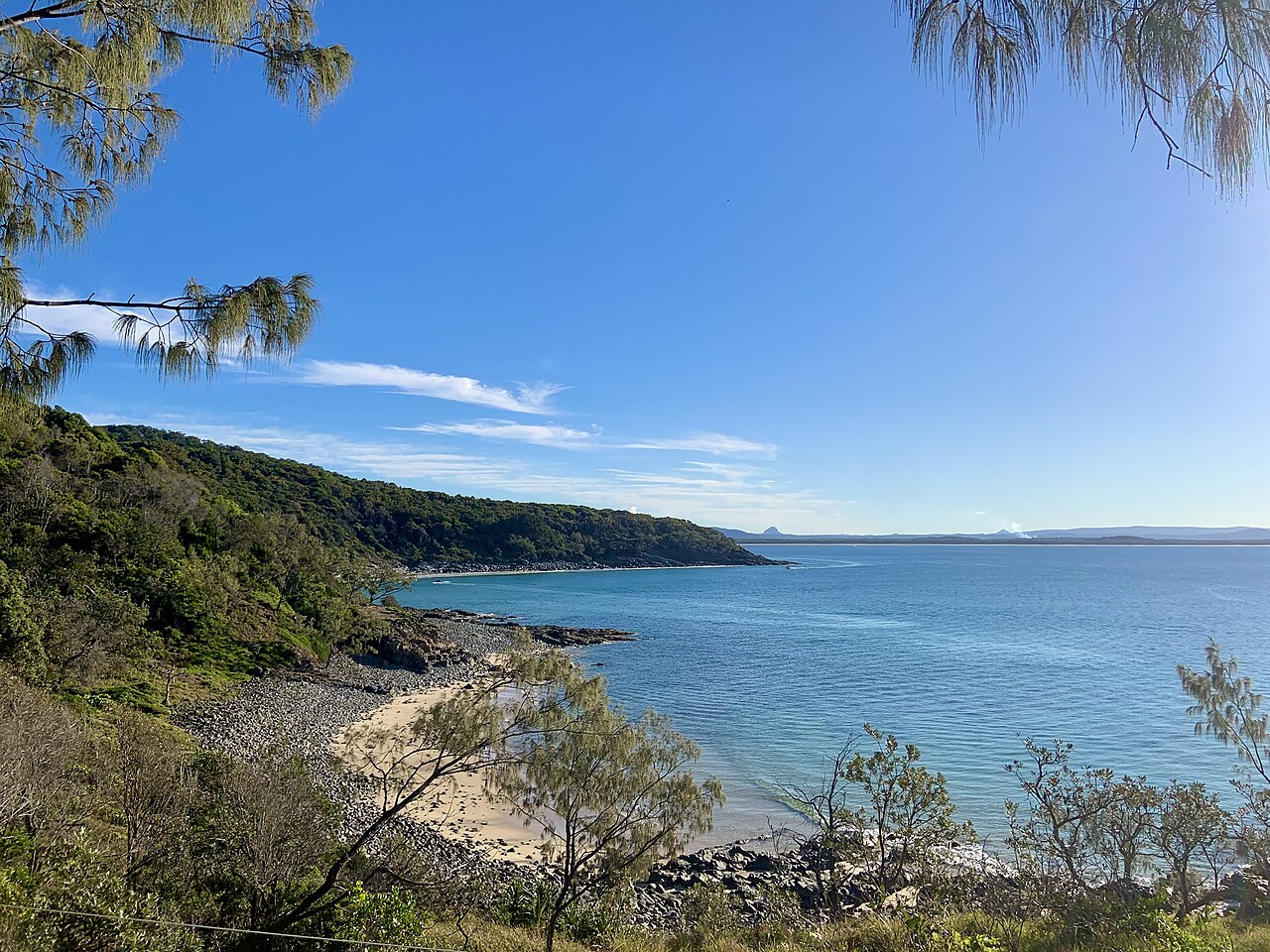
Autumn brings drier air, clear skies, warm water and a gradual drop in crowds after Easter. Many locals consider it one of the best times to be in Noosa, with comfortable temperatures for walking in the national park, kayaking on the Everglades and driving the beach. Easter is the busiest autumn period, so book early for that week and enjoy the quieter weeks that follow.
Winter
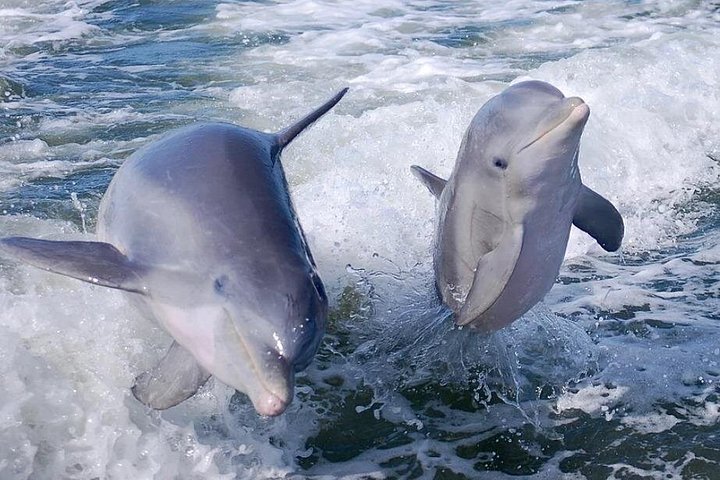
Winter days are mild and sunny, with cool mornings and evenings, low humidity and some of the clearest skies of the year. It is an excellent time for headland walks, hinterland tours, the Great Beach Drive and K'gari day trips, and the water, while cooler, is fine for surfing in a wetsuit. Humpback whales migrate along this coast in the cooler months, so dolphin and whale watching tours are a highlight. School holidays in July bring a short peak, but crowds are generally lighter than in summer.
Spring
Spring is warm and bright, with wildflowers in the heath, rising water temperatures and good conditions for almost every activity. Whale watching continues into the early part of the season, and the hinterland is lush. September and October school holidays bring more families, but the mood is still relaxed. Spring is a favourite for travellers who want warm days without the heat of midsummer.
Crowds and prices
The busiest periods are the Christmas and January holidays, Easter, and the school holiday weeks in winter and spring. Accommodation often has minimum-stay requirements at those times, restaurants fill and tours sell out. For lower prices and calmer streets, travel in the shoulder periods outside holidays, and visit midweek where you can. Markets such as Eumundi run on set days, so plan around Wednesday or Saturday.
A quick summary
If you want one answer, aim for autumn or winter outside school holidays: warm days, clear skies, good walking and kayaking, whales offshore and calmer streets. Summer suits surfers and sun seekers who can tolerate humidity and crowds.
Water and safety
Ocean conditions change through the year. Summer brings warm water but also the chance of stingers and stronger rips after storms, so swim only at patrolled beaches between the flags and heed signs. Winter water is cooler, and surfers usually wear a wetsuit, though many swimmers still enjoy a dip on sunny afternoons. The Noosa River is calmer than the surf at any time of year and suits paddling and gentle swimming, though you should still respect local advice about tides and currents.
Packing by season
In summer, pack light, breathable clothing, a rash vest, a wide-brimmed hat and strong sunscreen. In winter, bring a warm layer for mornings and evenings, a light waterproof jacket for boat trips and walking shoes with grip. In every season, a refillable water bottle, sunglasses and insect repellent for the river and the hinterland are worth carrying.
Choosing by activity
For surfing and swimming, aim for late spring to early autumn. For walking, kayaking and sand driving, aim for autumn to spring. For whales, aim for the cooler months. For hinterland food tours, any dry day works. For families with school-age children, the holidays are the only choice, so book early and plan some quieter mornings. Whatever the season, bring sun protection, a hat and a light layer, and check forecasts for wind and rain before committing to a boat or sand tour.