Oahu is a year-round destination with warm weather in every season, but the island does have rhythms. The best time to visit depends on whether you want calm water, big waves, whales, low prices or the fewest crowds. Here is how the year breaks down.\n\nThe two seasons. Hawaii has a dry season, roughly from May through October, and a wetter season, roughly from November through April. Dry-season days are hot and sunny with steady trade winds, and the south shore, including Waikiki, is calm and ideal for swimming and snorkeling. Wet-season days are slightly cooler, with passing showers, particularly on the windward side and in the mountains, though plenty of sunshine remains. Temperatures vary less than on the mainland, with daytime highs usually in the 80s Fahrenheit year-round.\n\nWinter: surf, whales and peak prices. From about November to March, big swells hit the North Shore, producing the island's famous surf. This is the time to watch pro surfers at Waimea Bay and Pipeline, but also a time when swimming on the North Shore is dangerous. On the south shore, waves are bigger than in summer but still manageable. Humpback whales arrive from December through April, peaking in the middle of that window, and cruises from Waikiki and Ko Olina offer close views. Winter holidays and the Presidents Day period are the most expensive and crowded, so book flights and hotels early.\n\nSpring: a sweet spot. April and May bring fewer crowds, lower prices and good weather as the wet season ends. Whales are still around in early spring, and the North Shore begins to calm. Spring breaks can bring families, but the island is usually less busy than in winter or summer. It is a strong choice for first-time visitors who want a balance of good conditions and fair rates.\n\nSummer: calm water and family season. From June through August, the sea is flat on the North Shore, ideal for snorkeling at Shark's Cove and swimming at Waimea Bay. South shore surf is lively, which suits beginners learning to surf at Waikiki. School holidays make this a busy and pricier season, especially for families, and beaches and attractions get crowded. Book popular activities such as Hanauma Bay, Diamond Head and Pearl Harbor reservations well in advance.\n\nFall: quiet and affordable. September and October, and sometimes the weeks before the winter holidays, tend to be quieter with lower prices. The weather is warm and the ocean is at its warmest. Hurricane season technically runs from June through November, but direct hits are rare. Keep travel insurance in mind, and watch the forecast.\n\nEvents and timing. Oahu hosts surf contests in winter, marathons, food festivals and cultural events throughout the year. Check the calendar before booking, since big events can fill hotels and raise prices. Weekdays are usually quieter than weekends at popular spots.\n\nPractical planning. Reservations are now required for several top sights, including Diamond Head and Hanauma Bay, and slots go quickly. Pearl Harbor's USS Arizona Memorial tickets are released in advance and sell out. Book rental cars early, because supply can be tight in peak seasons. Pack layers, a light rain jacket, reef-safe sunscreen and good walking shoes. Whatever season you choose, expect some rain and remember that conditions differ by coast: if it rains in Waikiki, it may be sunny at Ko Olina or the North Shore.\n\nChoosing by interest. Surfers and surf watchers should aim for winter, though beginners will prefer summer's gentle Waikiki rollers. Hikers do best in the drier months, when trails like Diamond Head and Koko Head are firmer and safer, while rainforest walks such as Manoa Falls look their greenest after winter rains. Beach lovers favor summer for the North Shore and spring or fall for fewer crowds. Foodies can visit any time, and cultural events cluster around spring and fall. If you travel on a tight budget, shoulder seasons and midweek stays offer the biggest savings on hotels and rental cars.\n\nOur short answer. For the best combination of weather, water and value, aim for late April through June or September and early October. For whales and big-wave watching, come in winter and accept higher prices. For calm North Shore swimming and family-friendly weather, choose summer, and book early. Whatever you choose, build in a flexible day or two, because weather and surf can reshuffle the best plans.
Oahu (Honolulu & Waikiki) guide
When to Visit Oahu
A seasonal guide to Oahu: when it is driest, when the surf is biggest, when whales arrive, when prices peak and how to choose the right month for your trip.
Mentioned in this guide
Oahu Whale Watching Cruise
From roughly December to April, humpback whales return to Hawaii's warm waters. A short boat trip from Waikiki's harbor puts you close to breaches, tail slaps and mothers with calves.
DoNorth Shore of Oahu
The big-wave capital of the world in winter and a snorkeler's calm coast in summer — Haleʻiwa's surf-town lunch counters, Waimea Bay, Pipeline and Sunset Beach, an hour and a world away from Waikiki.
 Do
Hanauma Bay Nature Preserve (Oahu)
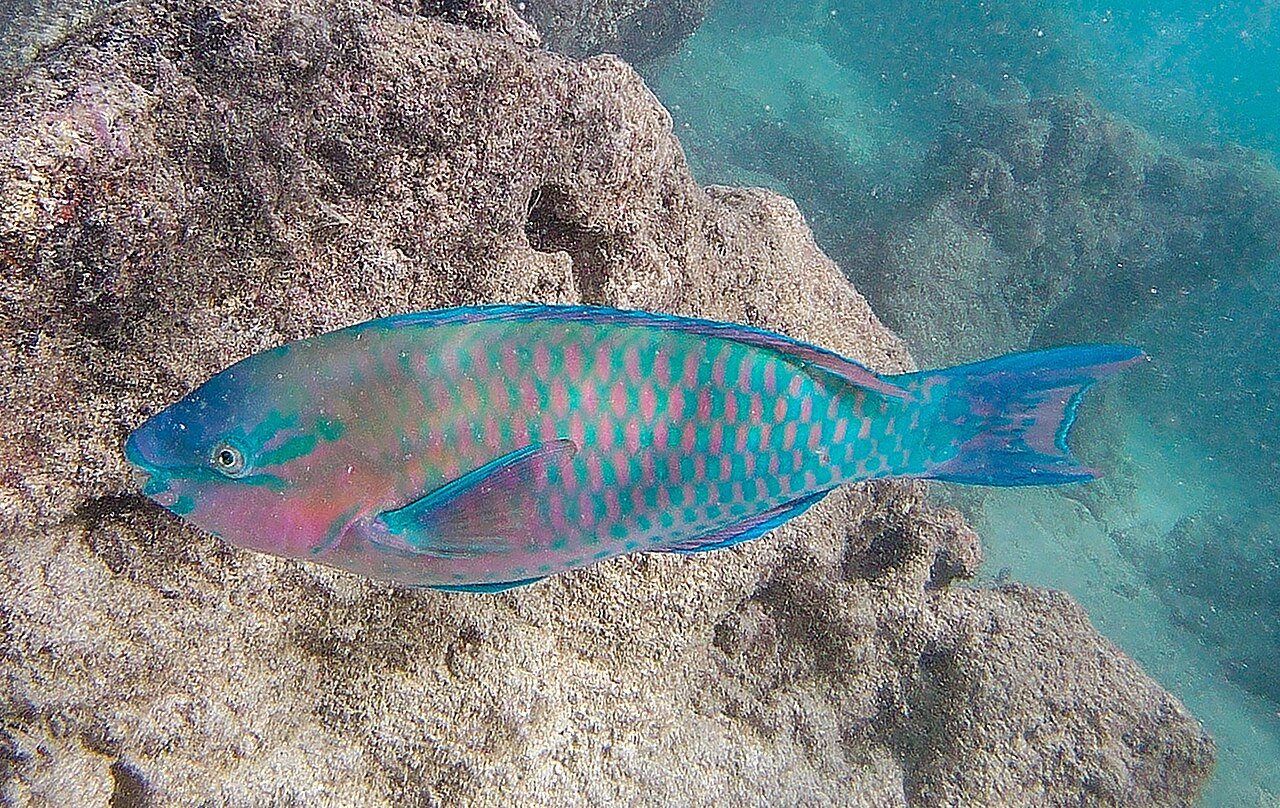
Oahu's legendary snorkeling bay — a protected volcanic cove filled with reef fish and green sea turtles. Limited daily entry by online reservation; book the moment slots open.
 Do
Diamond Head State Monument (Oahu)
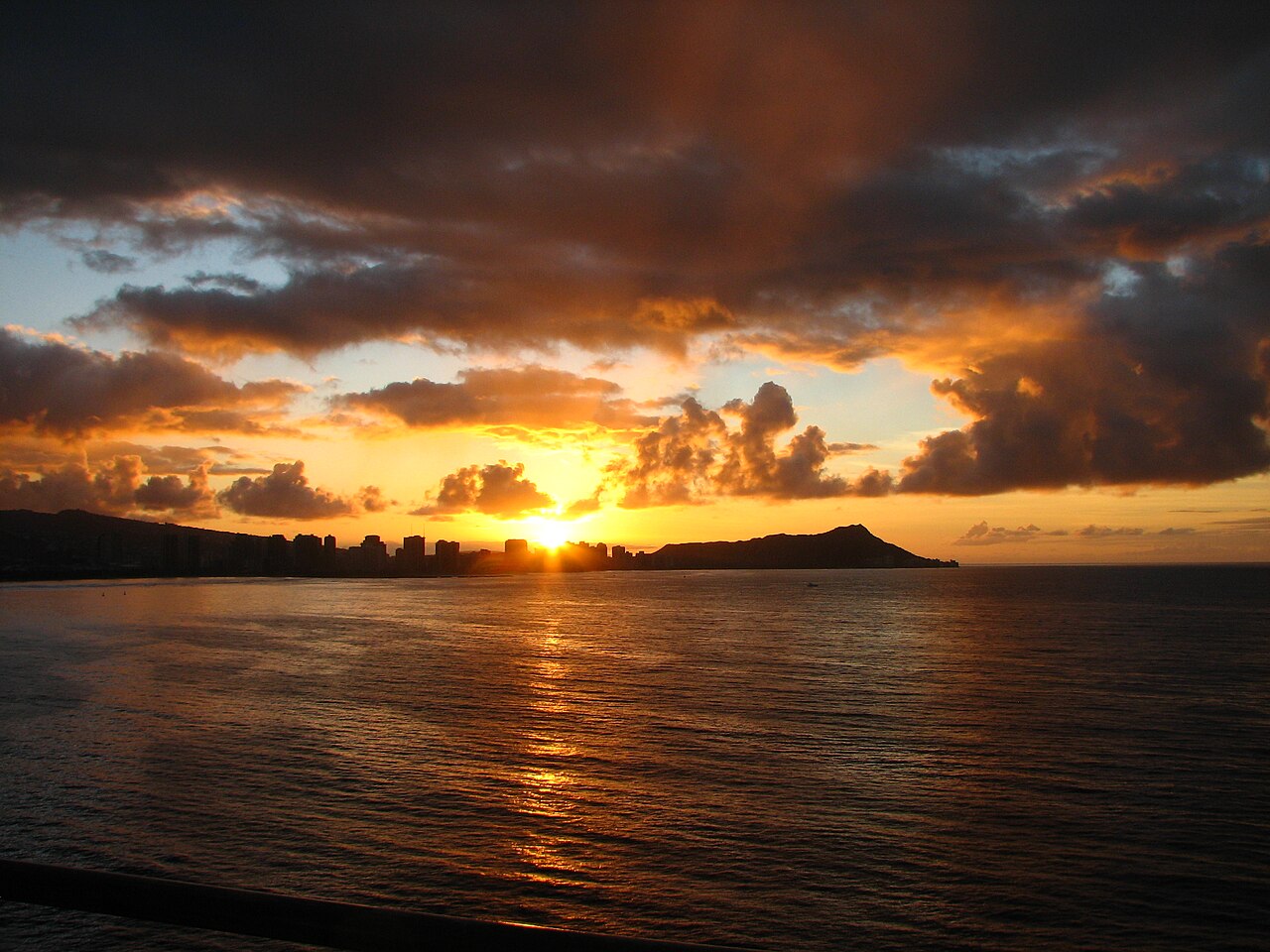
Oahu's iconic volcanic crater and Hawaii's most famous hike — a short, historic trail up to panoramic views over Waikiki and the Pacific. Reservations required for out-of-state visitors.
 Stay
Halekulani (Oahu)
Waikiki's legendary "House Befitting Heaven" — serene five-star luxury on the beach, the famous orchid pool, sunset mai tais at House Without a Key, and service that defines graciousness in the islands.
Hilton Hawaiian Village Waikiki Beach Resort (Oahu)
Waikiki's biggest resort village: a lagoon beach, multiple pools, a Friday-night fireworks show and every restaurant and shop on site, at the quiet western end of the strip.