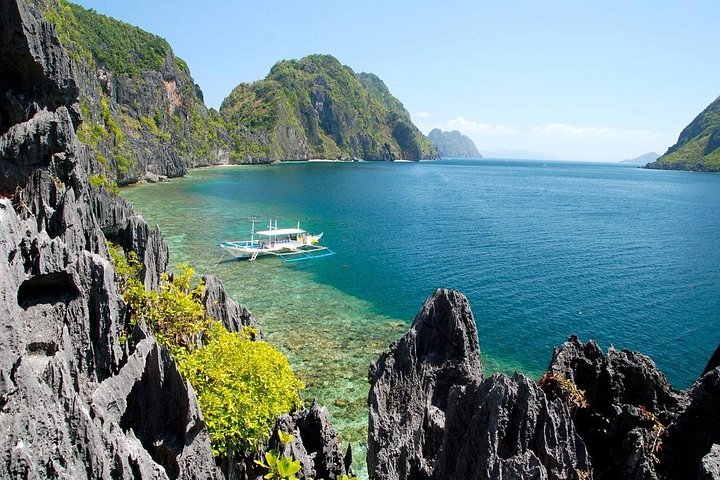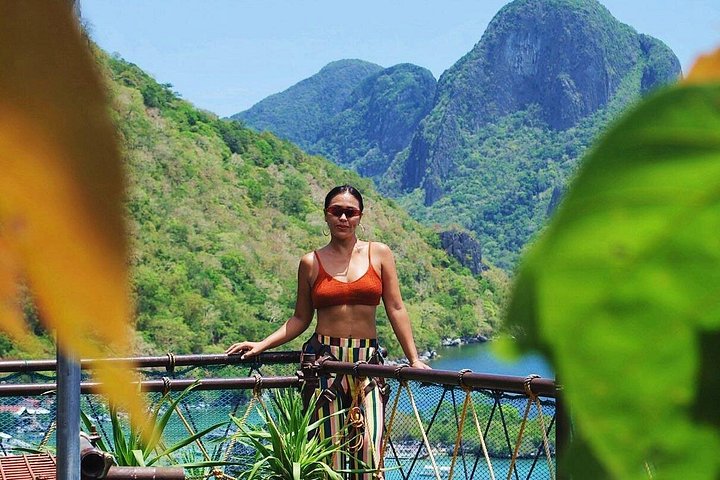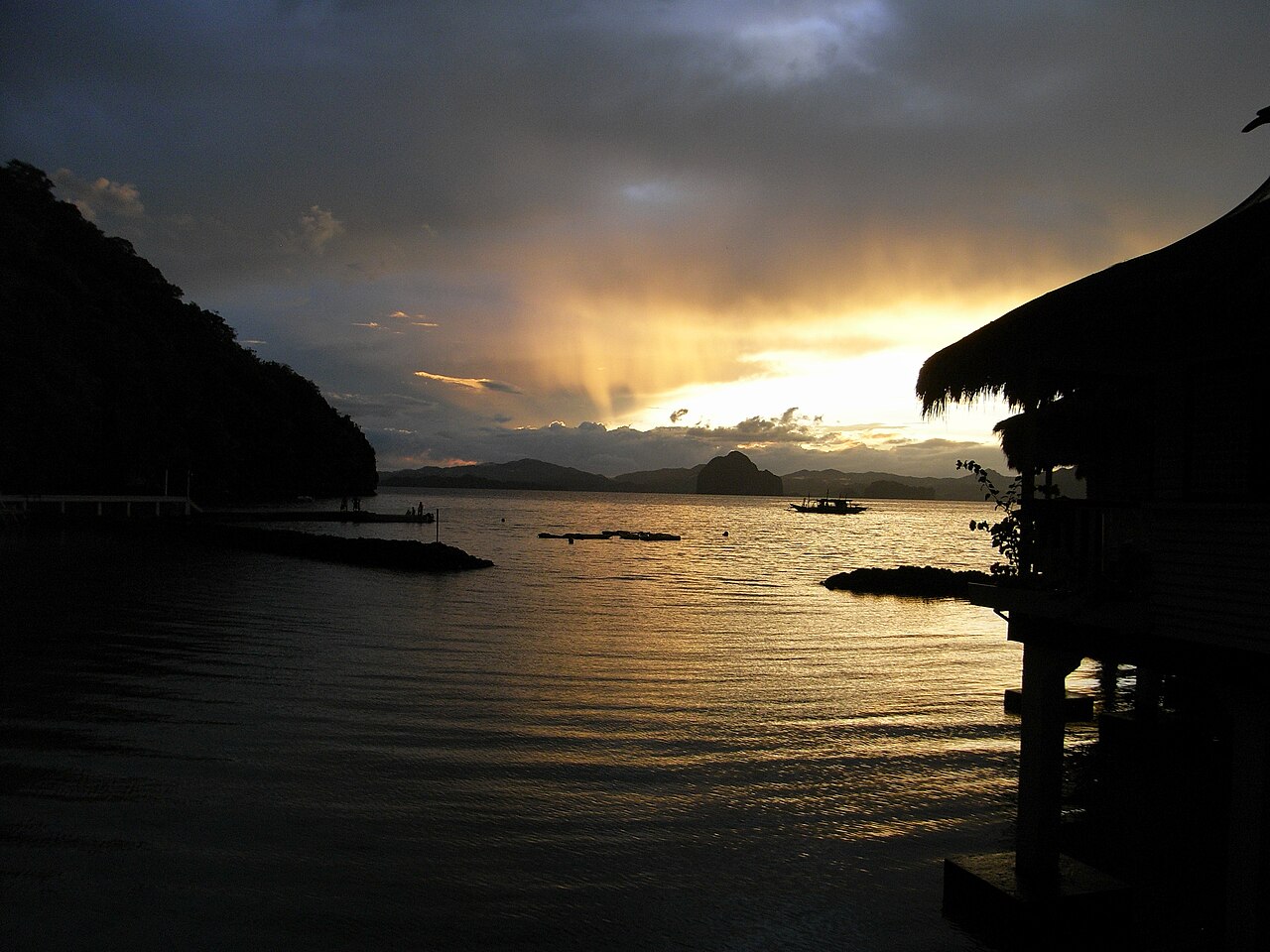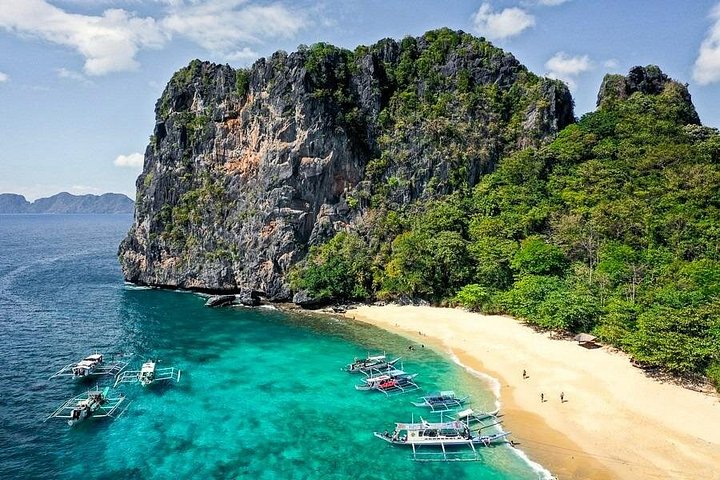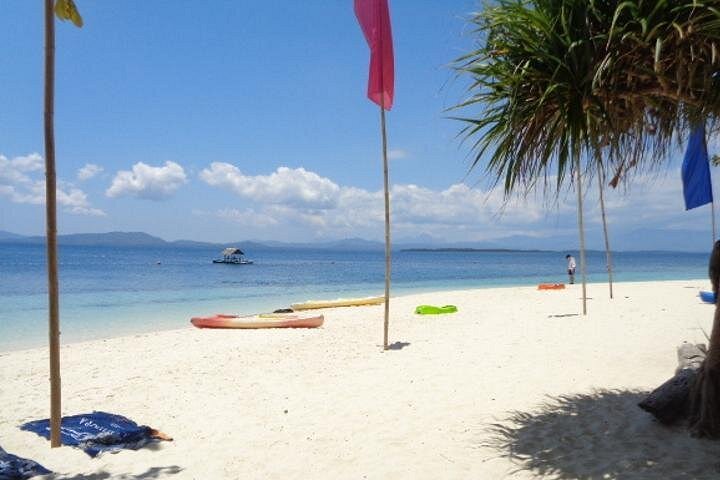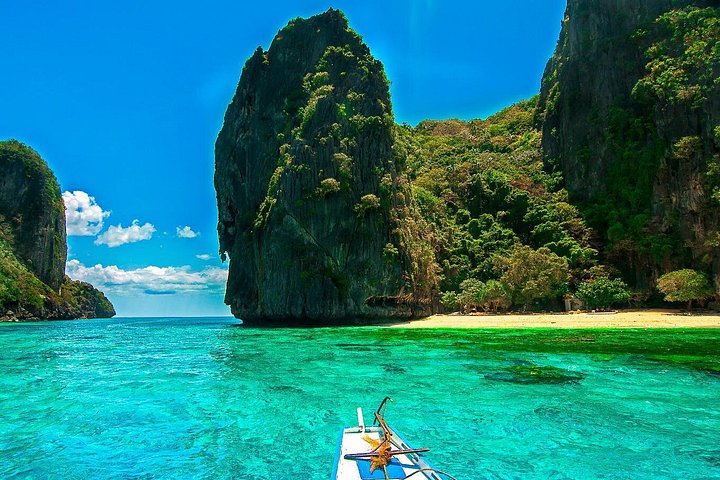
Most visitors to El Nido stick to the lettered island-hopping routes, which are excellent but busy. A mangrove and sandbar tour breaks that pattern by heading toward quieter parts of the bay, where the water is shallow and the landscape is softer. Mangrove forests act as nurseries for fish and crabs and as buffers against storms, and gliding past their tangled roots by boat or paddle is a calm contrast to the dramatic cliffs elsewhere. The sandbar is the other highlight, a strip of pale sand that appears at low tide in the middle of clear water, ideal for walking, swimming and photographs. Lunch is served on the boat or on a beach, and the route normally includes at least one snorkelling stop. Exact stops vary by operator and by tide, so treat the description as a guide rather than a fixed itinerary.
This tour appeals to a specific type of traveller. If you have already done Tour A and Tour C and found the crowds at the lagoons tiring, a mangrove and sandbar day is a gentler way to enjoy the bay. The pace is slow, the groups are often smaller and there is less pressure to move on at a fixed time.
The sandbar in particular is influenced by the tide, so the guide may adjust the schedule to make sure you arrive when it is exposed, which is why the best operators check tide tables in advance.
Wildlife is a quiet pleasure here. Look for herons and kingfishers along the mangrove edges, small fish darting in the shallows and crabs on the roots. If you paddle, keep movements gentle and avoid standing in the mangroves, which are fragile ecosystems. The sea can be shallow, and a pair of water shoes helps with the sandy and rocky bottoms. Snorkelling on this route is usually relaxed, with calm water and a mix of sea grass and coral.
Get tickets for the shared departure if you are travelling alone or as a pair, and a private boat if you want to set your own pace. Ask what is included, because entrance and environmental fees, kayak or paddle hire and snorkel equipment are handled differently by each operator. Bring a rash vest, reef-safe sun cream, a hat, a waterproof phone pouch and a little cash for any extra fees.
The dry season from November to May is the best time for calm conditions, while the wetter months can cancel boats at short notice. Treat this tour as an alternative to the standard routes for a second or third boat day, not a replacement for the lagoons if you only have one day. Pair it with a late afternoon at Nacpan Beach on another day to see El Nido's gentler side, or with the Taraw Cliff canopy walk for an elevated view of the bay you have been exploring from the water.
Finally, plan your photographs around the light. The sandbar looks its best in mid-morning sun when the water turns a bright shade of turquoise, while the mangroves are more atmospheric early or late, when the light is softer and the tide is higher. A small dry bag keeps your phone and wallet safe if the boat has to be waded onto the sand, which is common at low tide.
What to expect
The experience
A full-day boat trip from El Nido with a mangrove visit, a tidal sandbar, snorkelling and lunch.
Best time
Go in the dry season from November to May, and ask the operator to time the sandbar visit with the tide.
How long
About seven hours, including boat time and a lunch stop.
Tips
Wear water shoes, avoid standing in the mangroves and bring reef-safe sun cream and a hat.
Quick picks
- Best for
- Travellers who have done a standard island-hopping route and want a quieter, gentler day.
- Families
- Good for families, with shallow water and calm stops, though the day is long for very young children.
- Couples
- A peaceful, photogenic day, especially at the sandbar.
- Pair with
- Pair it with an afternoon at Nacpan Beach on a different day.
- Time needed
- One full day.
Good questions
What is special about the sandbar?+
It is a strip of sand that appears at low tide in clear shallow water, so timing matters. Ask your guide to plan around the tide.
Is this tour less crowded than Tours A to D?+
Usually, yes, because it goes to quieter parts of the bay and groups tend to be smaller. Conditions still vary by day.
Can I paddle in the mangroves?+
Many operators offer kayaks or paddle boards at a mangrove stop. Move gently and do not stand on the roots.
Is it suitable for non-swimmers?+
Yes with a life jacket, since most stops are shallow. Tell the guide before you start.
What should I bring?+
Water shoes, a rash vest, reef-safe sun cream, a hat, a waterproof phone pouch and a little cash.