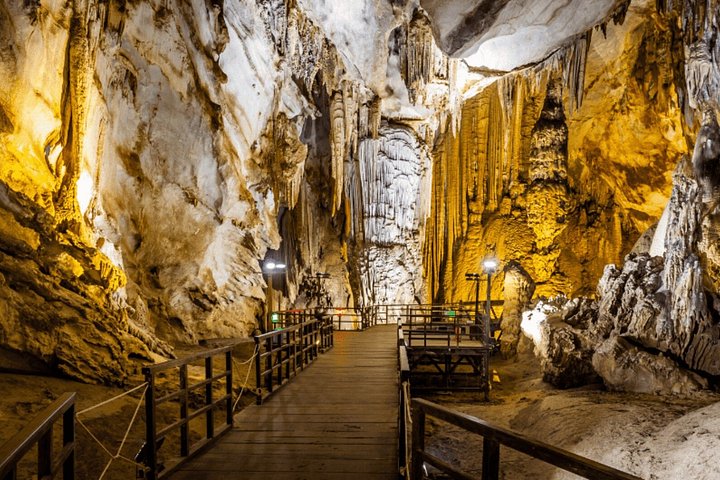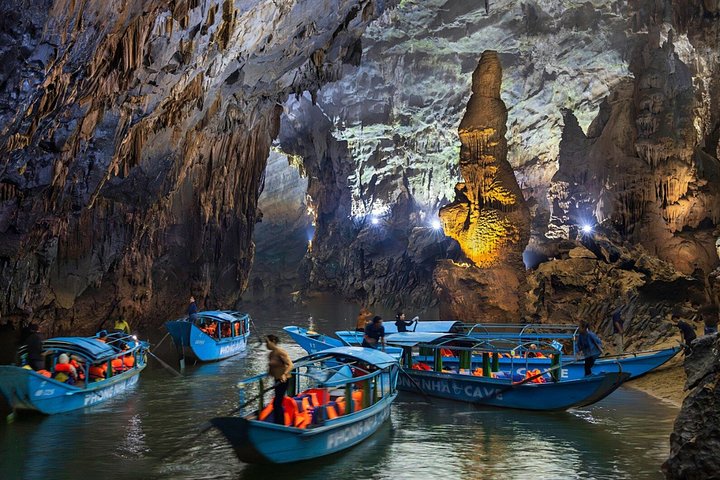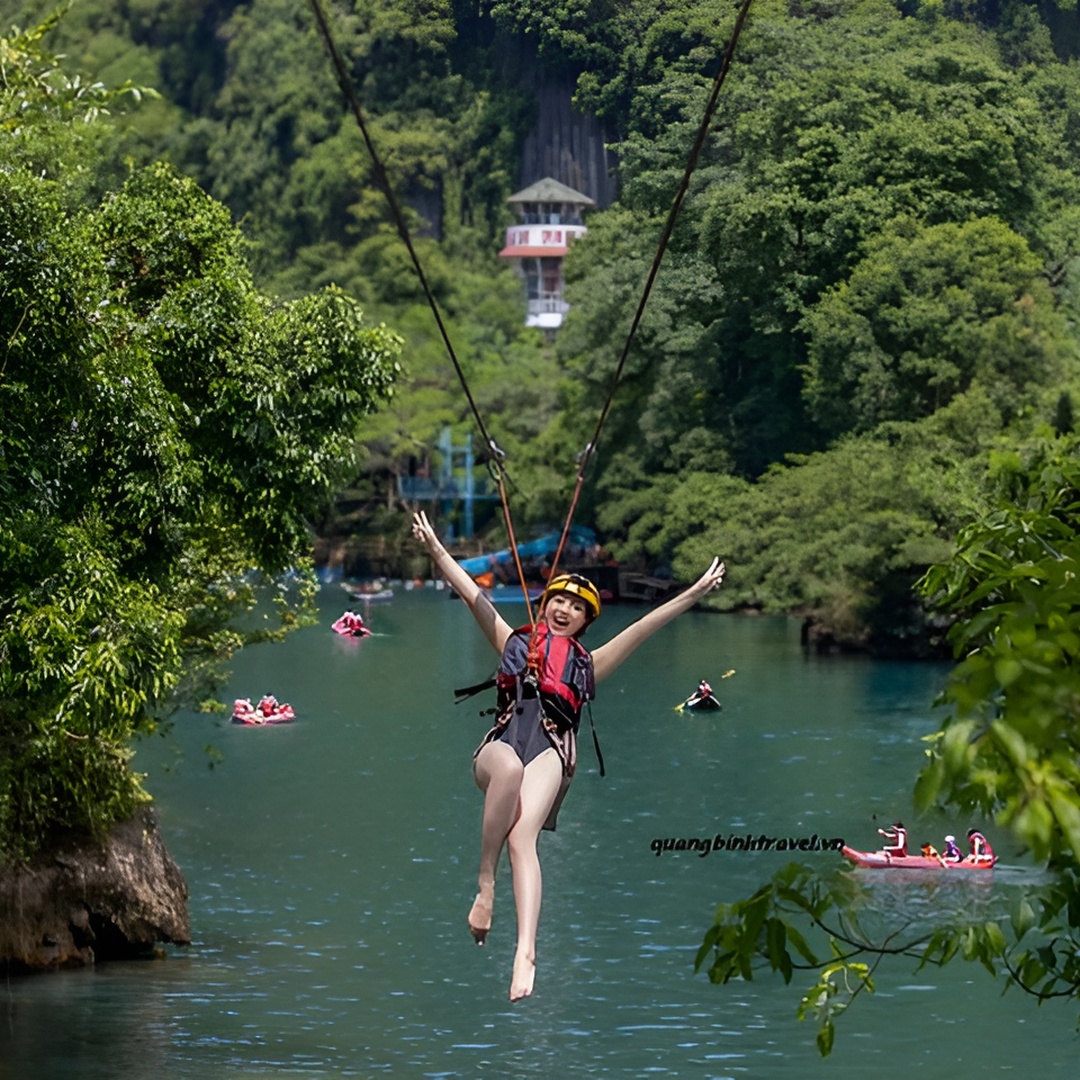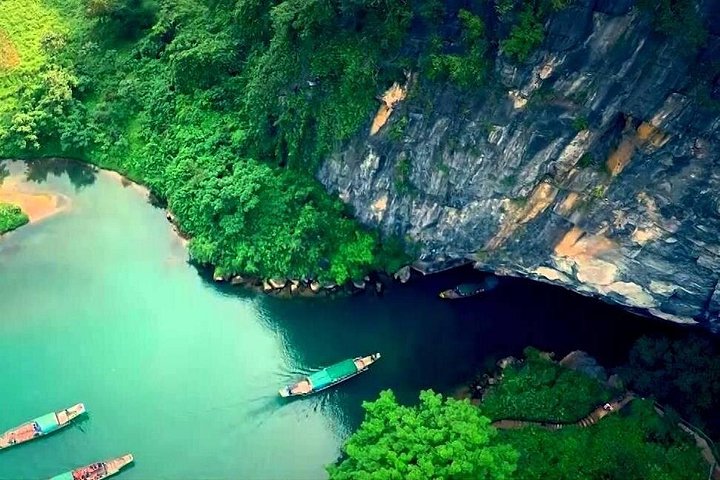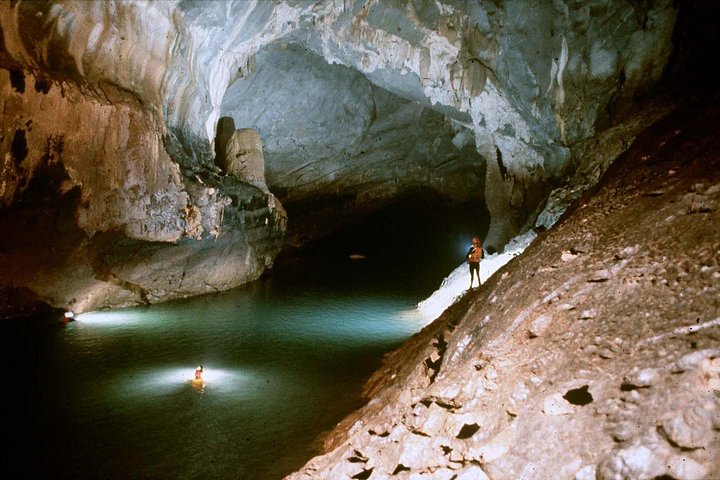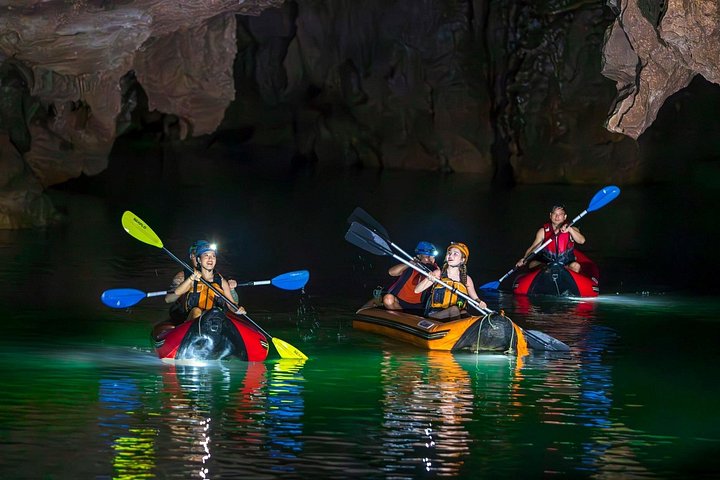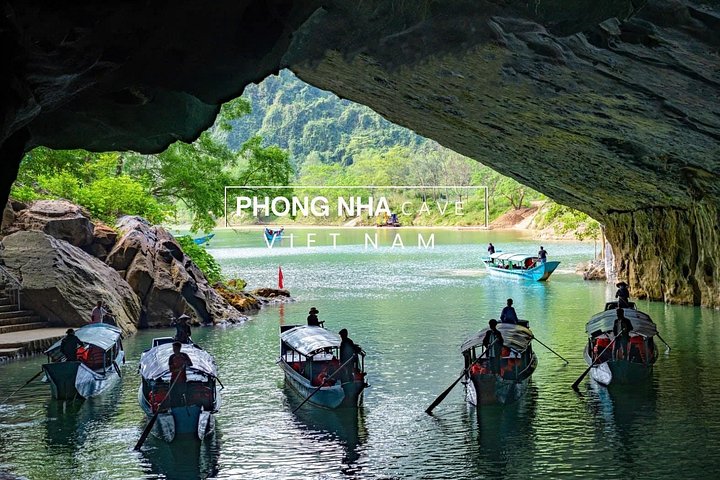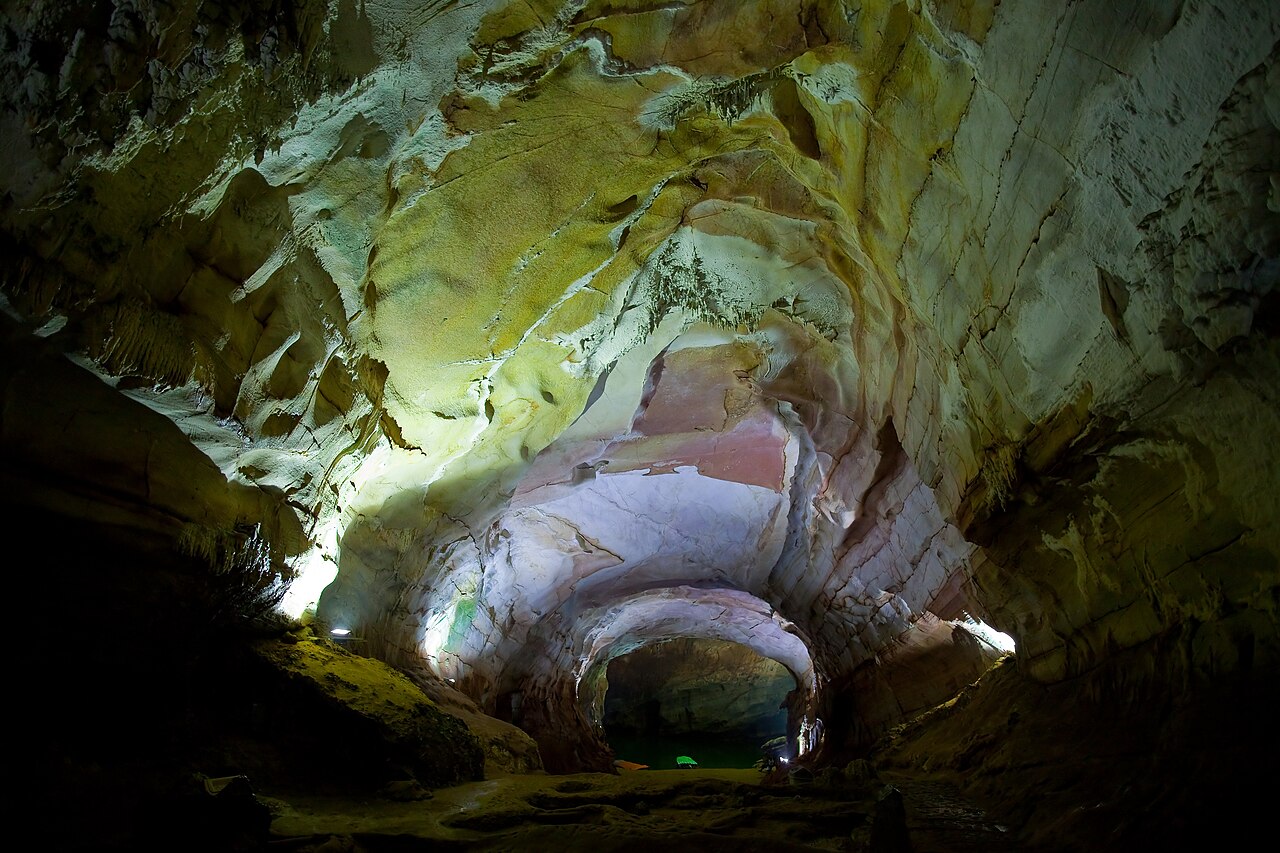
Phong Nha-Ke Bang National Park is the reason anyone comes to this corner of central Vietnam. It lies in Quang Binh province, about midway between Hue and the old demilitarised zone, along the border with Laos, and it protects one of the oldest and most impressive karst landscapes in Asia. The park is a UNESCO World Heritage Site, and its limestone ridges, rainforest and river valleys hide hundreds of caves, many of them still unmapped. Some are easy half-day outings with boardwalks and boats. Others, such as Son Doong, the largest known cave passage on Earth, are multi-day expeditions for experienced adventurers. Between the two extremes lie dozens of day options, from zipline and mud-bath adventures to jungle treks, swimming holes and quiet rice-field villages, which is why many travellers who plan two nights here end up staying four or five.
How it works
The national park is the umbrella for everything on this page. Most visitors base themselves in Phong Nha town, also known as Son Trach, a small riverside village with guesthouses, cafes and tour desks, or in the coastal city of Dong Hoi, about an hour away by road. From either base you join a guided day tour or arrange your own transport, and each cave or trail has its own entrance fee, opening times and rules.
The tourism board’s Phong Nha guide is the best free overview of the area and is the link on this page; the individual cave and trek pages that follow give the bookable options.
What to expect
This is a working rural region, not a theme park. Roads are quiet, the countryside is green, and the pace is slow. Paradise Cave and Phong Nha Cave are the established show caves, Dark Cave adds adventure activities, and Tu Lan and the jungle treks cater to people who want to sweat for what they see.
The Ho Chi Minh Highway runs through the park, and the famous wartime trail network once threaded the same valleys, so the history is never far from the scenery. Many caves close or limit access when the Son River floods, which is common between roughly October and December, so build slack into your plans in the wet season.
Making the most of it
The dry months of roughly February to August are the most reliable for caving, while summer is hot and the water is warm for swimming. Pack sturdy shoes with grip, a light layer for the cool caves, insect repellent and a rain shell year round.
Book the more demanding treks and any overnight cave camping well ahead, since permits and group sizes are limited. A rhythm of one easy show-cave day, one adventure day and one slow day on a scooter or bicycle in the valley suits most people, and gives the area the three nights it deserves.
Remember that this is a protected landscape: stay on marked paths, carry out your rubbish, and hire licensed local guides for any cave or trek that asks for one, since the fees and rules protect both the caves and the villages around them. Local rangers and guides also know which trails and caves are passable after rain, which can change from week to week, and that knowledge is worth far more than any printed map.
What to expect
The experience
A World Heritage karst park explored through guided cave tours, boat trips, treks and self-guided rides in the valleys.
Best time
February to August for the most reliable cave access; October to December brings rain and frequent flood closures.
How long
Plan at least two nights, three or four if you want an adventure day as well as the show caves.
Tips
Check river levels and cave status with your accommodation each morning in the wet season, and book overnight treks well in advance.
Quick picks
- Best for
- Travellers who want caves, jungle and countryside in one place, from gentle boardwalks to serious expeditions.
- Families
- Paradise Cave and the Phong Nha boat trip suit most children; adventure caves and long treks do not.
- Couples
- Quiet farmstays, lake-view bungalows and a boat into a mountain make a distinctive romantic stop.
- Pair with
- Hue by road or train to the north, or Hoi An and Da Nang to the south.
- Time needed
- Two to four days.
Good questions
Where is Phong Nha-Ke Bang National Park?+
It is in Quang Binh province in central Vietnam, near the border with Laos. Phong Nha town is about an hour by road from the coastal city of Dong Hoi and roughly 200 kilometres from Hue.
Is Phong Nha worth visiting?+
Yes, if you like caves, rivers and quiet countryside. It combines easy show caves with real adventure activities and sits on a World Heritage landscape.
How many days do you need in Phong Nha?+
Two nights covers Paradise Cave, Phong Nha Cave and one adventure day. Three or four nights lets you add a trek, the valleys and a slower pace.
What is the best time of year to visit Phong Nha?+
February to August is generally the most reliable for cave access. October to December is the rainy season, when floods can close caves and boat trips for days at a time.
Can you visit Son Doong?+
Son Doong is reached only on a limited, multi-day guided expedition that is very costly and booked far ahead. This page focuses on the many caves and treks that are open to ordinary day visitors.