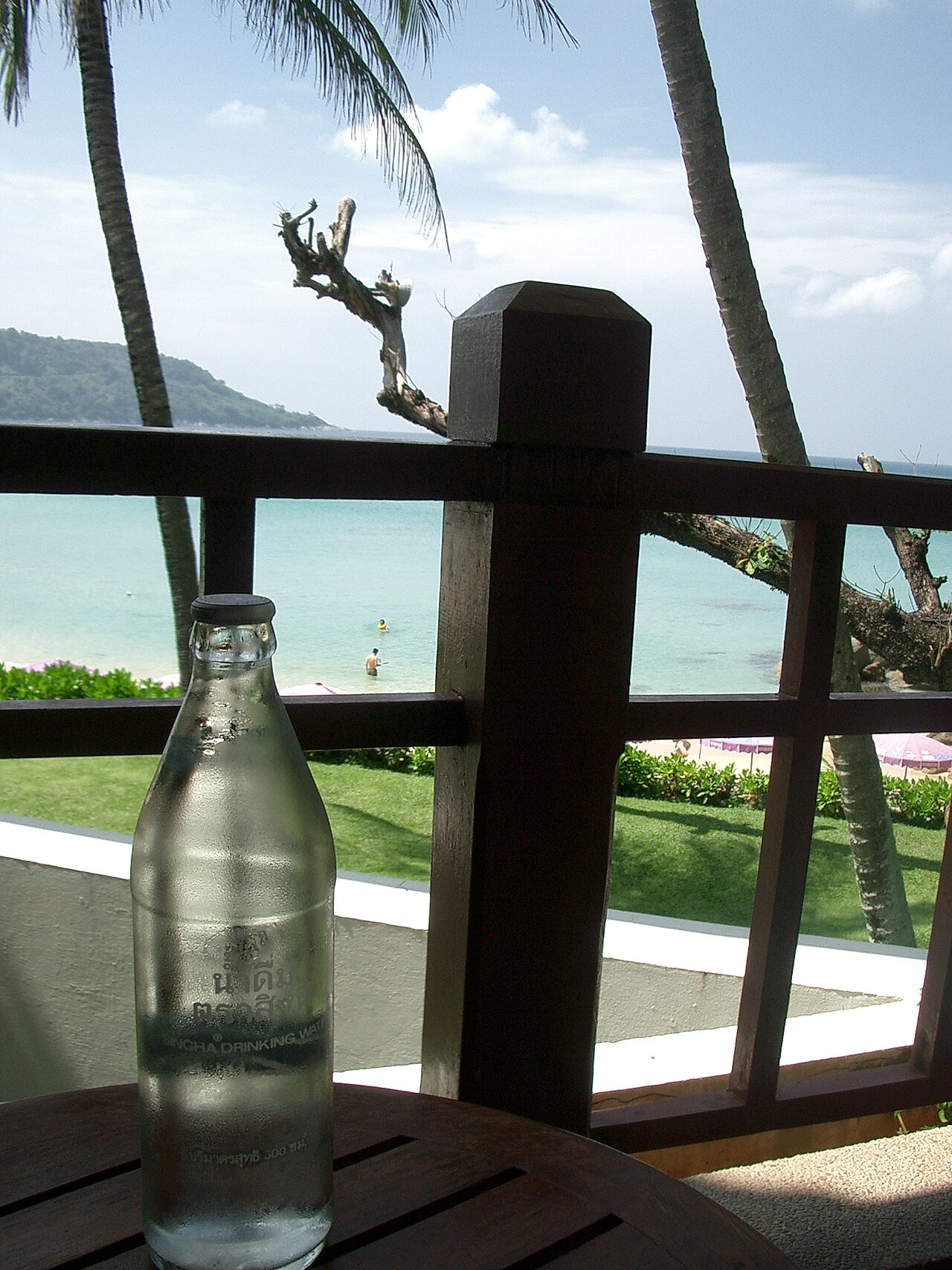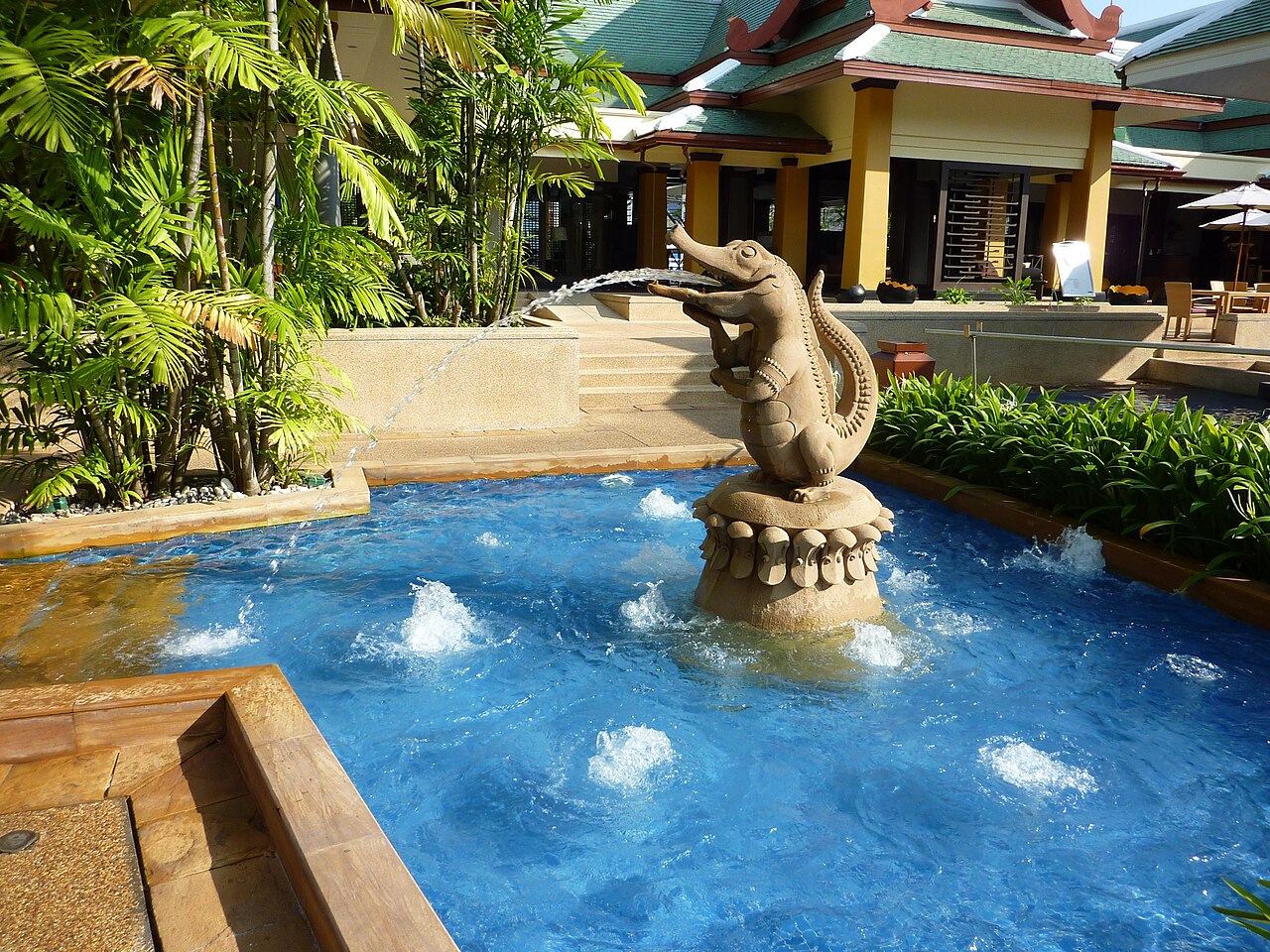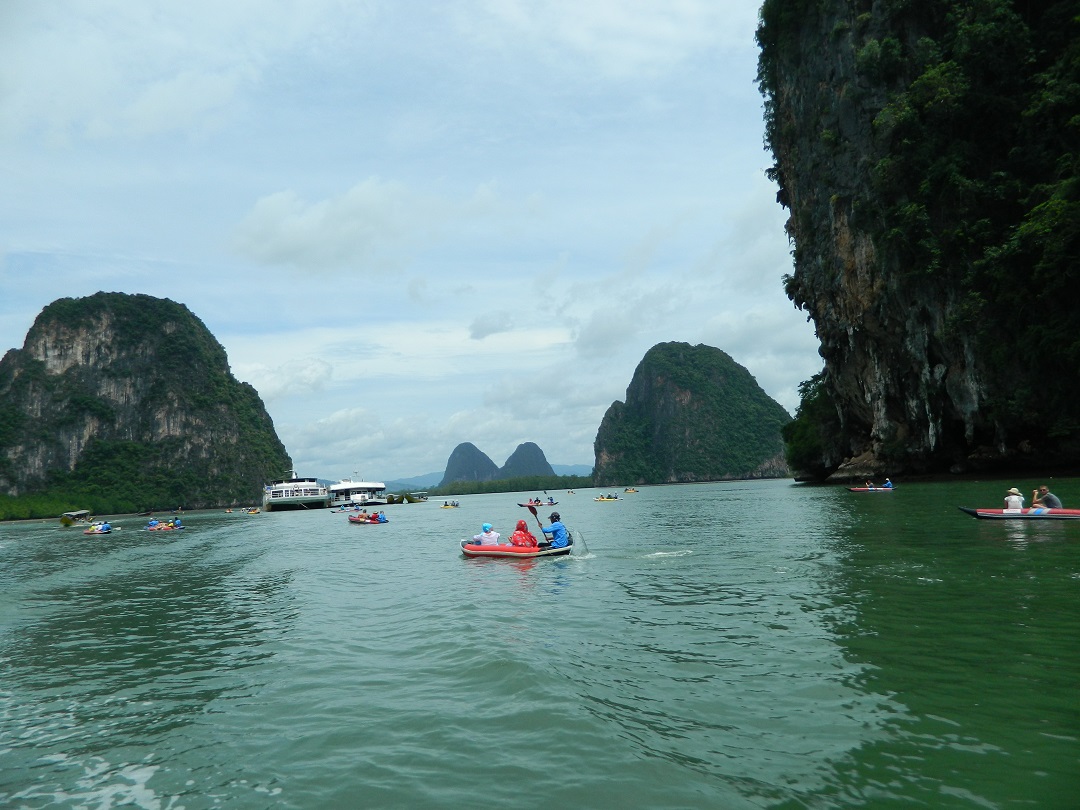
Phuket is easy to enjoy and surprisingly easy to get wrong. The island is bigger than most people expect, the roads between beaches are hilly and slow, and the best sights are not on the island at all but out in the Andaman Sea. A little planning turns a week of traffic and tour-desk haggling into a trip of limestone towers, clear water, temples and long beach evenings. Here is how to shape a first visit.
When to go
November marks the start of the dry high season on the Andaman coast, which runs roughly until April. The monsoon fades, the sea calms and the boats run at full strength: Maya Bay reopened on 1 October 2026 after its annual two-month closure, and the Similan Islands national park reopened on 15 October for the 2026 to 2027 season. Early November can still bring the odd squall, so keep a spare day in your plan for any boat trip that is cancelled by weather. December to February is the busiest and priciest stretch, especially around Christmas and New Year.
How many days
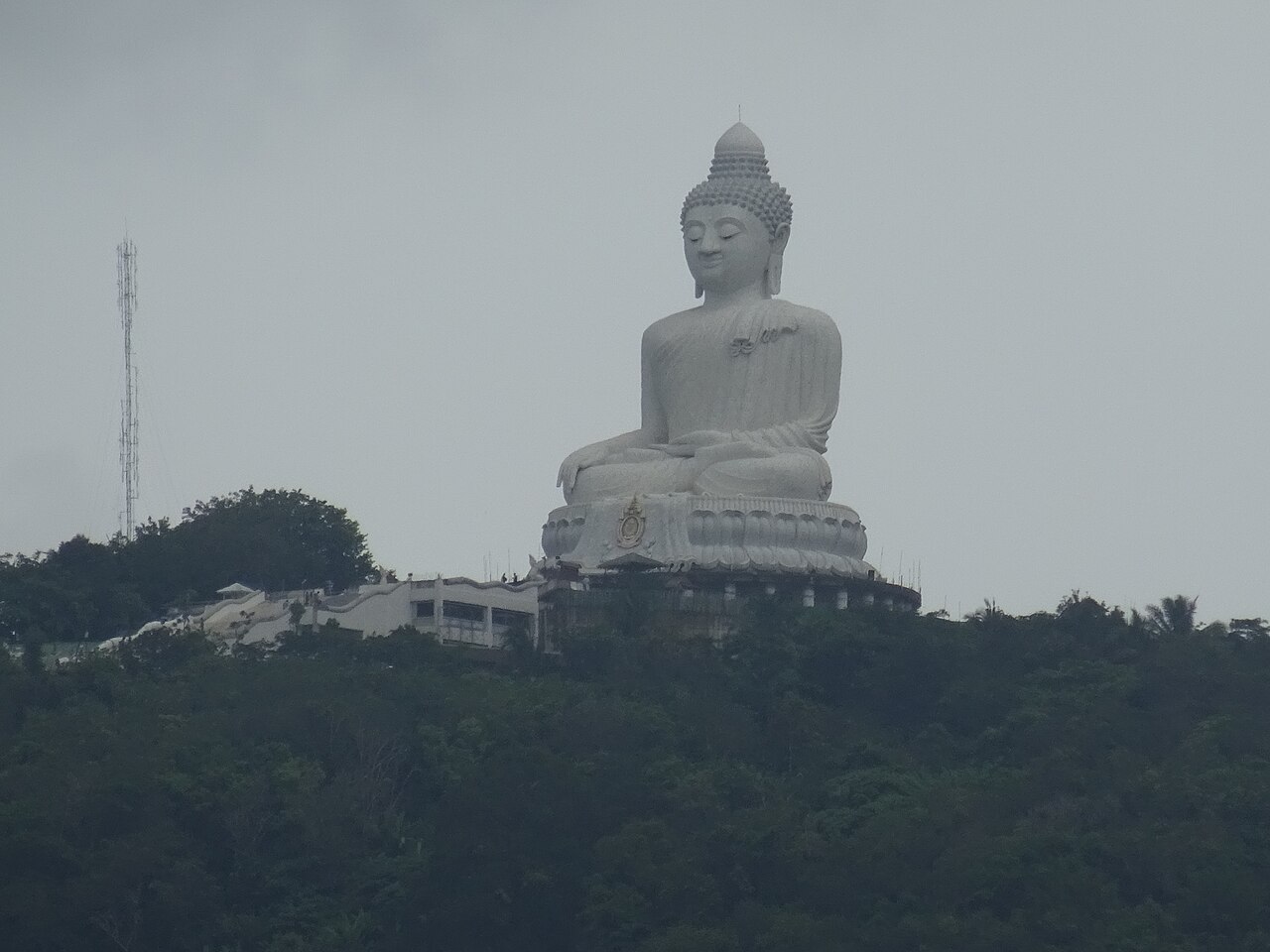
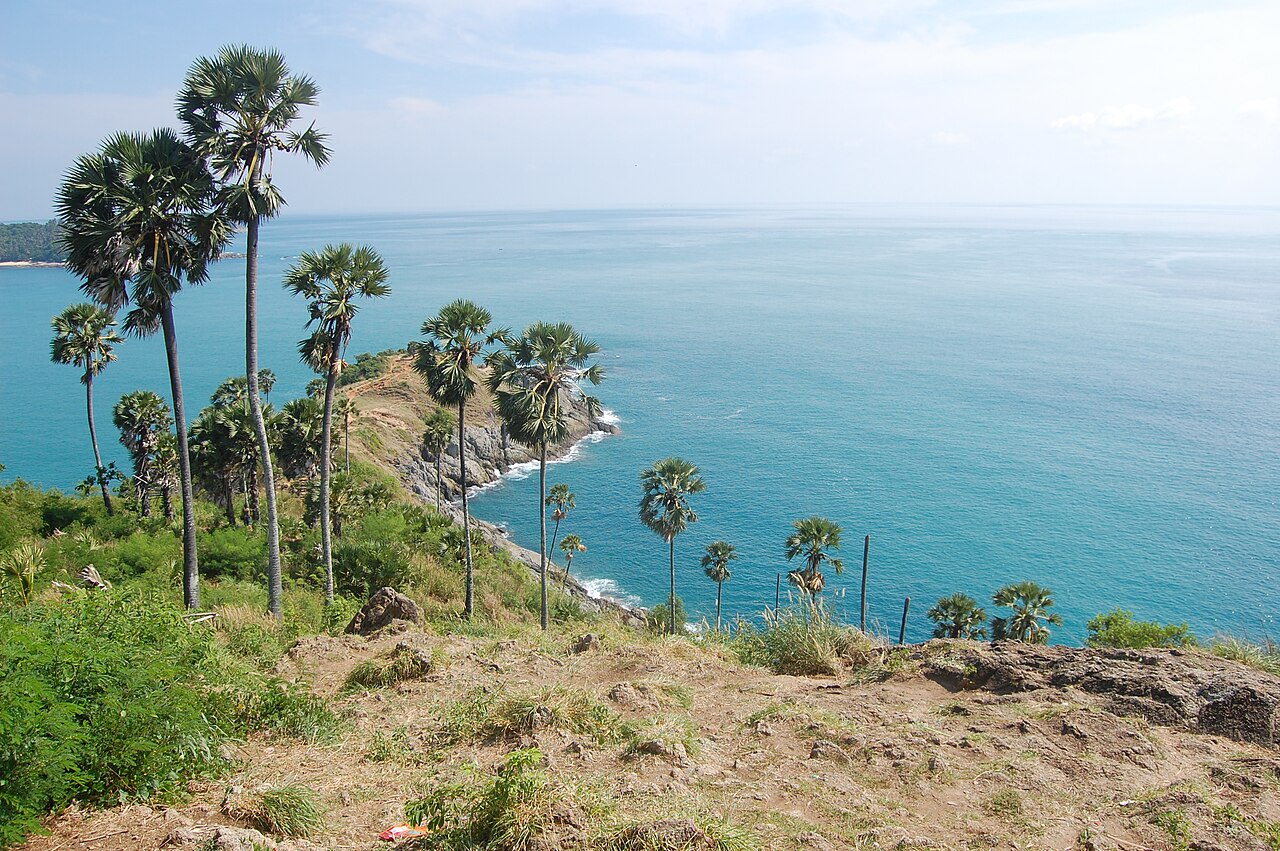
Five full days is a good minimum: two boat days, one day for the Big Buddha, Wat Chalong and Promthep Cape, one for Old Phuket Town and the elephant sanctuary, and one for the beach. A week lets you add the Similan Islands, an evening show and a couple of lazy days, which you will want after the early starts.
What to book ahead
In high season, book the boat trips first. The Phi Phi Islands speedboat tour and the Phang Nga Bay and James Bond Island canoe trip are the two classics, and the Similans are the best for snorkelling. All three include hotel pickup and lunch, but the national park fee is paid separately in cash on the day, so keep Thai baht for it. Book the Phuket Elephant Sanctuary early too, because group sizes are small. Evening shows can wait until you arrive, but note that Simon Cabaret and Carnival Magic tickets are nonrefundable, and Carnival Magic opens only on certain evenings each week.
Getting around
Phuket has no metro and only a limited bus network. Tours pick you up, so on boat days transport is solved. For everything else, use metered taxis or ride-hailing apps, which are usually cheaper and avoid haggling with the fixed-price tuk-tuks of Patong. Renting a scooter is common, but roads are steep, traffic is heavy and accidents are frequent; ride only if you are experienced, licensed and insured, and always wear a helmet. A hire car with a driver for a day is a relaxed way to see the south of the island.
Where the headline sights fit
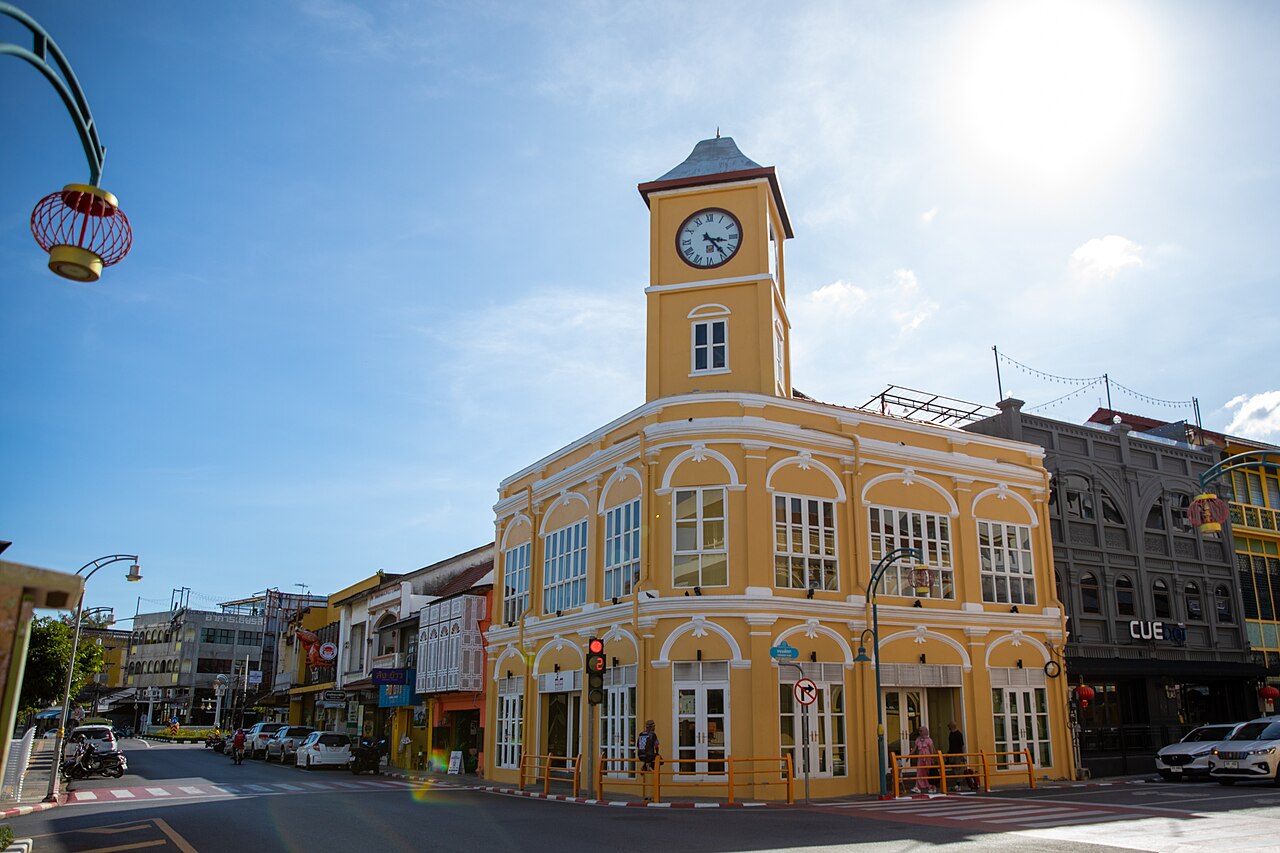
Day one: settle in on the beach, then watch the sunset at Promthep Cape and eat seafood in Rawai. Day two: the Phi Phi Islands, Maya Bay and Bamboo Island by speedboat. Day three: the Big Buddha in the morning, Wat Chalong, then lunch and an afternoon in Old Phuket Town, with Aquaria Phuket nearby if it rains. Day four: Phang Nga Bay by big boat and canoe, a gentler day on calm water. Day five: a morning at the Phuket Elephant Sanctuary, an afternoon by the pool and an evening at Simon Cabaret in Patong or Carnival Magic in Kamala. With extra days, add the Similan Islands, which need a very early start.
Elephants, ethically
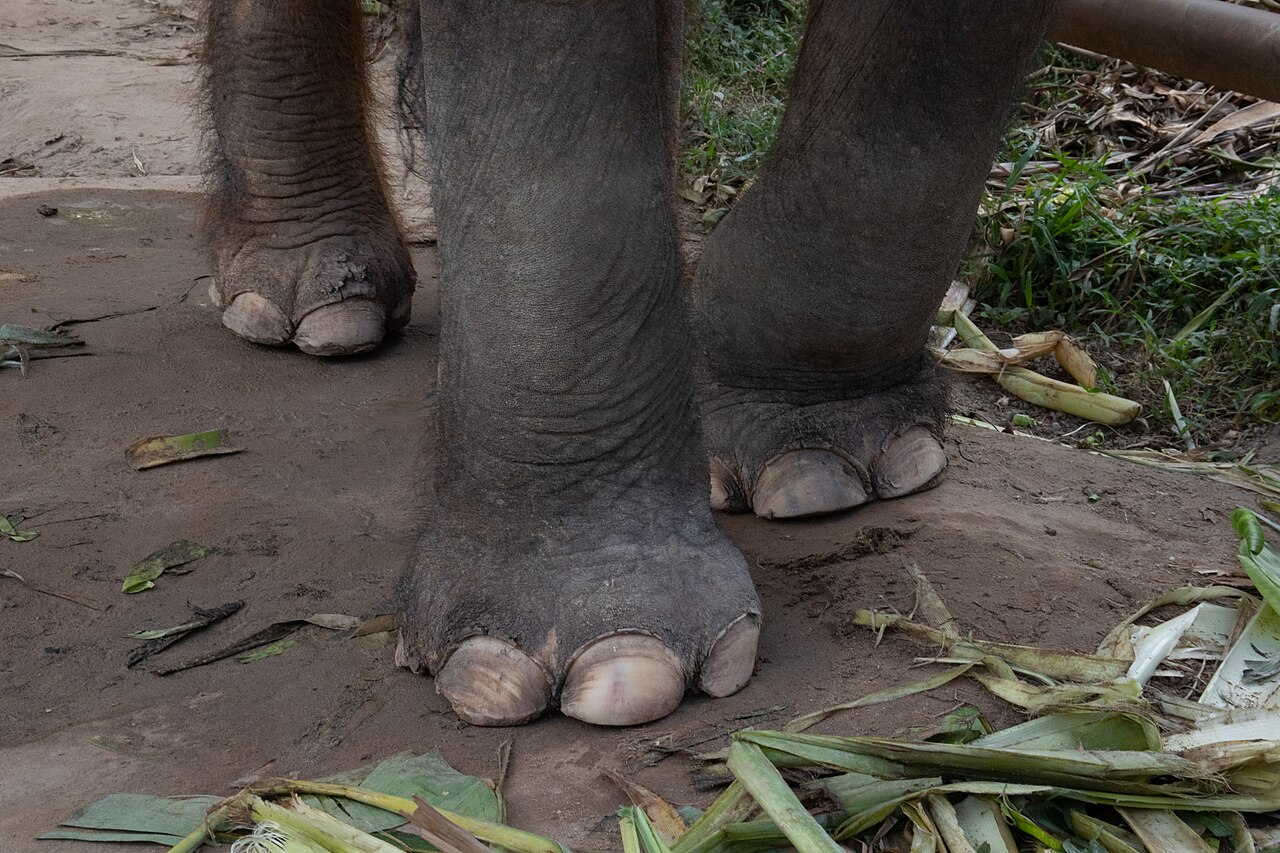
Many camps on the island still offer riding, bathing or shows. Choose a no-contact sanctuary where you watch from a distance instead, such as Phuket Elephant Sanctuary, and skip any place that offers rides.
Temples and manners
Cover shoulders and knees at the Big Buddha and Wat Chalong, take off your shoes where asked, and never touch anyone on the head or point your feet at a Buddha image. Be polite and patient: losing your temper gets you nowhere in Thailand.
Money and safety
Cards are widely accepted in hotels and malls, but carry cash for park fees, markets and small restaurants. Drink bottled water, use reef-safe sunscreen in the marine parks, and swim only where lifeguards fly green flags, since rip currents can be strong on the west coast beaches.