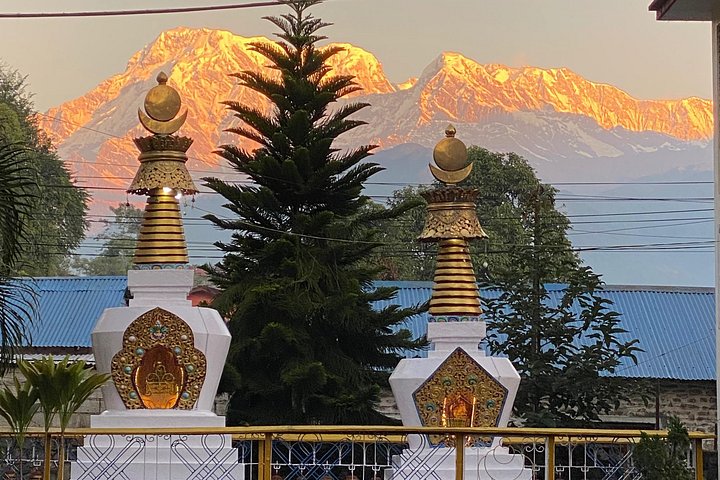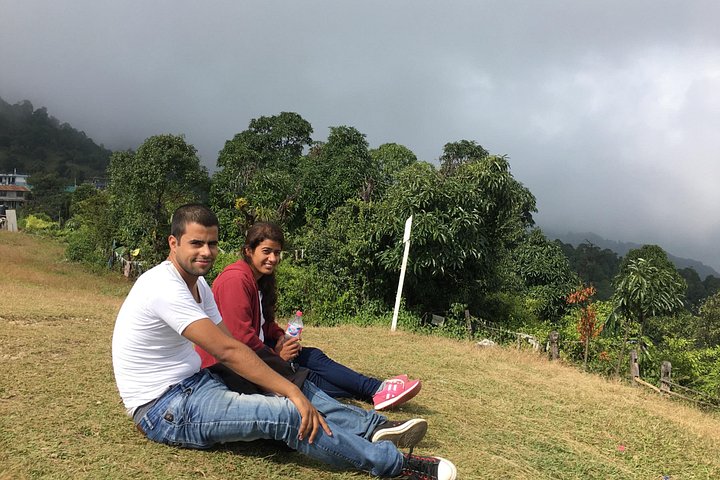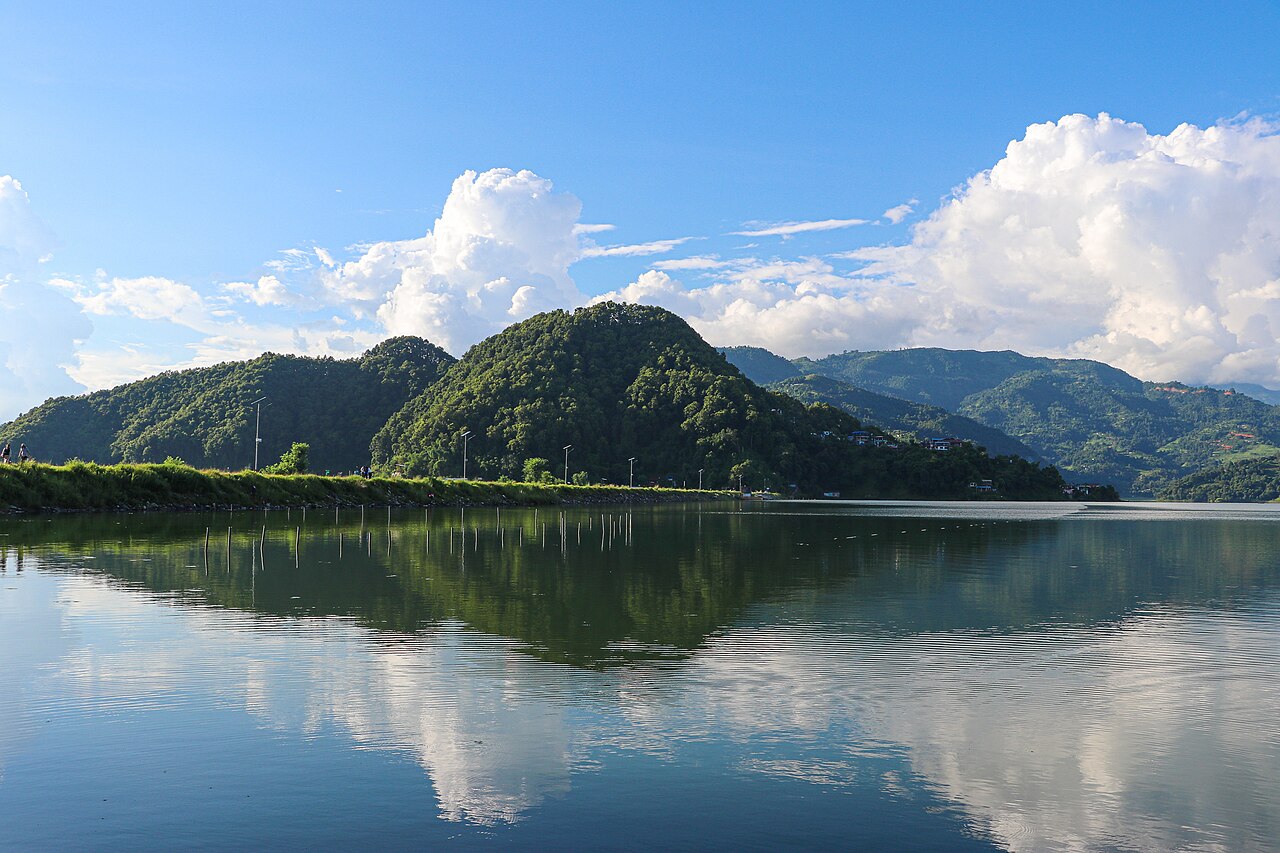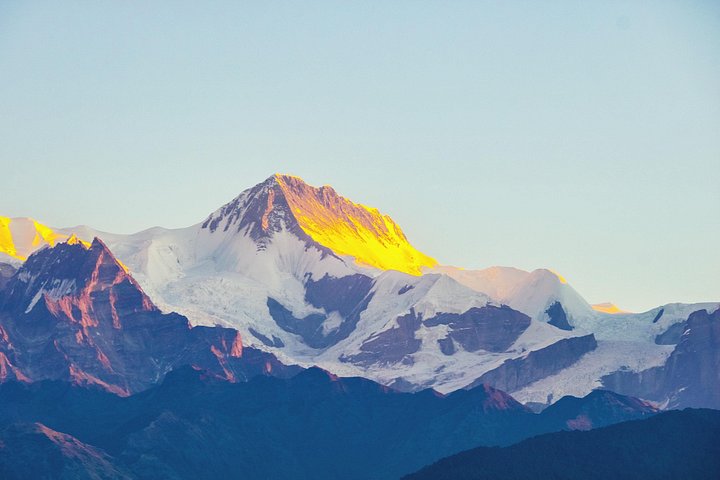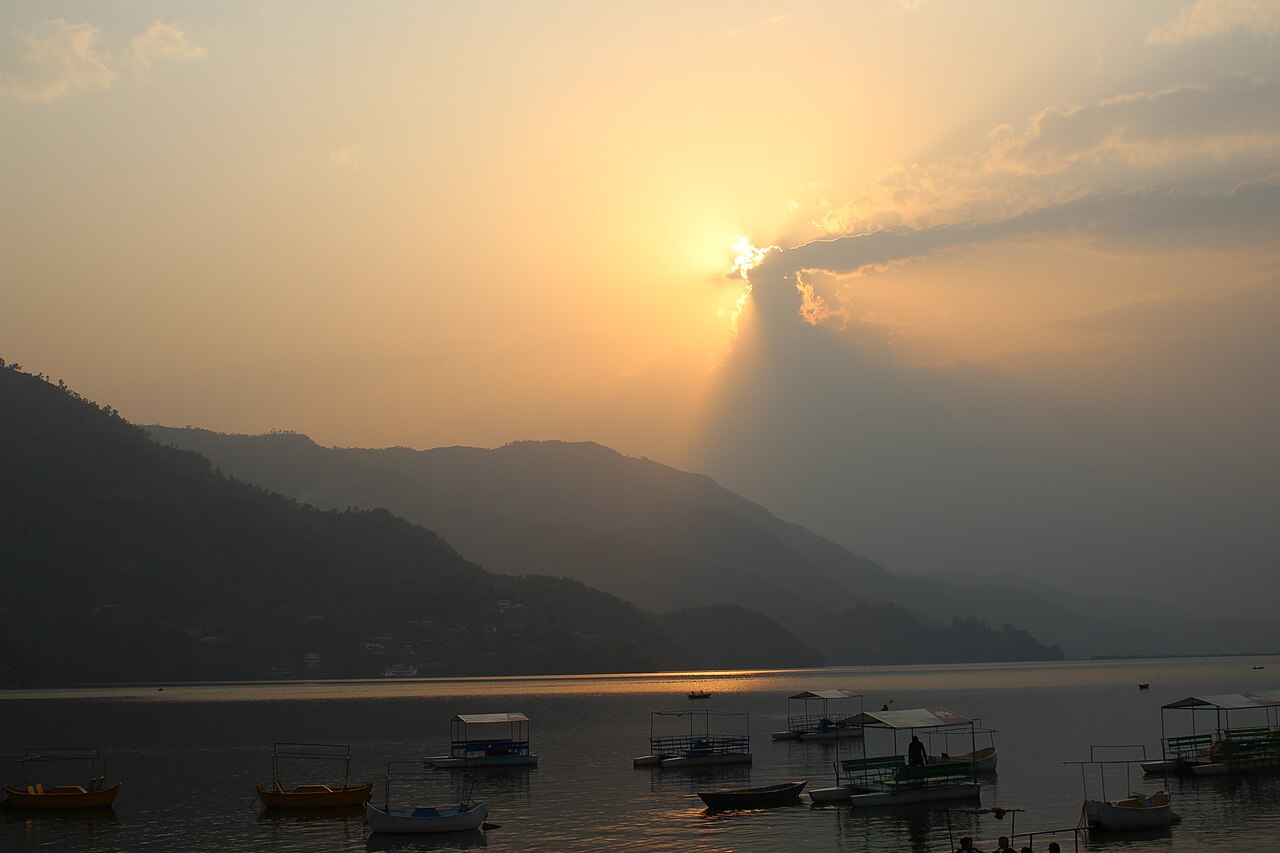
Pokhara has quietly become a mountain biking base, with a network of dirt tracks, ridge paths, farm lanes and lakeshore trails that run through the valley and its surrounding hills. A guided full-day tour takes the stress out of finding the route. A guide leads the ride, sets the pace, handles navigation and traffic, and picks trails that match the group, with bikes, helmets and usually a packed lunch or cafe stop supplied. Riders pass terraced farms, small villages, forest and quiet lake shores, with the Annapurna range and Machhapuchhre appearing and disappearing as the trail climbs and falls.
Expect an active day with a mix of climbs and descents, and a few technical sections depending on the route. Operators usually offer options, from relaxed rides on gentle tracks to more demanding trails with steeper descents, so tell them honestly about your riding experience and fitness.
Pokhara's weather is warm, and morning rides are the most comfortable, with clear mountain views before cloud builds. Take sun protection, gloves, water and a spare layer for the ridge. Good bikes and a well-maintained fleet matter, so ask about the bike model, brakes and suspension before you book.
The ride is as much cultural as sporting. Stops in villages give a feel for rural life, with farmers on terraces, children walking to school and tea houses where a short break turns into a conversation. Your guide can explain local customs and help with simple Nepali phrases. Keep an eye on road traffic when you join main roads, and follow the guide's instructions at junctions and on narrow tracks. Respect farmland and animals, stay on trails and take your rubbish with you.
Plan the day sensibly. A long ride followed by a flight or a rafting trip is too much, so give the bike day its own slot. Autumn and spring are the best seasons, with dry trails and clear views, while the monsoon makes tracks muddy and visibility poor. Families with confident teenagers may enjoy a shorter loop, and keen riders can ask for longer or more technical options.
Finish with a lakeside meal and a massage, and consider pairing the ride with a Sarangkot sunrise on a different day for a different angle on the same hills. Check insurance for cycling activities, and always wear a helmet.
A few preparations can improve your ride. Wear padded shorts or carry a small cushion if you are not used to long days in the saddle, bring gloves and glasses to protect against dust and flies and pack a spare layer for descents. Ask the operator about repair kits, spare tubes and a support vehicle in case of breakdown.
Drink often, even if you do not feel thirsty, and eat at the lunch stop so you have energy for the afternoon. If you want a shorter day, a half-day ride is often possible, and a sunrise start gives the clearest views of the Annapurna range, with cooler temperatures for the climbs.
Many operators will also adjust the route if rain has made certain tracks slippery, so ask on the morning how conditions look and be ready to choose a gentler loop. If you ride regularly at home, say so, because a good guide will happily lead you onto the more technical ridge trails and the steeper descents that experienced riders enjoy, while keeping a slower group safe on gentler tracks nearby.
What to expect
The experience
A guided full-day mountain bike ride from Pokhara on trails, farm lanes and lakeshore paths, with bike, helmet and guide provided.
Best time
October, November and spring, with morning starts for clear views.
How long
A full day, usually with a lunch stop.
Tips
Tell the operator your ability, check the bike and brakes, wear gloves and sun protection and follow the guide's lead.
Quick picks
- Best for
- Active travelers who enjoy riding and want to see villages and viewpoints.
- Families
- Suitable for confident teenagers on shorter routes; ask about child sizes.
- Couples
- A shared day outdoors with plenty of stops for views.
- Pair with
- A spa afternoon, or a Sarangkot sunrise on another day.
- Time needed
- A full day.
Good questions
Do I need to be an experienced rider?+
Not necessarily. Operators can adjust routes, but you should be comfortable on a bike and fit enough for a full day.
What is included?+
Usually bike, helmet and guide. Check whether lunch, water and transfers are included.
When is the best time to ride?+
October, November and spring are best, with morning starts for clearer views.
Are there steep sections?+
Most routes include climbs and descents. Ask for easier options if you prefer a relaxed pace.
Is it safe?+
Wear a helmet, follow your guide and check the condition of the bike before setting off.