Food in Puerto Plata is shaped by the sea, the farms behind it and a mix of Taino, African and Spanish traditions. You can eat extremely well here without spending much, once you know what to order and where to look. This guide covers the dishes to try, the drinks worth tasting and the best ways to turn eating into an experience rather than an afterthought.
Start with the everyday plate. La bandera dominicana, the Dominican flag, is the national lunch: white rice, stewed red beans, a portion of meat such as chicken, beef or pork, and a simple salad, often with fried green plantain on the side. It is filling, cheap and found in small family restaurants called comedores.
Pair it with fresh juice, made from fruits such as passion fruit, tamarind, soursop or papaya. Another staple is sancocho, a thick stew of meats and root vegetables, usually served on weekends and special occasions. Mangu, mashed green plantain topped with pickled red onion and sometimes served with fried cheese, salami and eggs, is the classic breakfast.
The coast adds seafood. Near the beaches of Sosua, Cabarete and Cofresi, you will find grilled and fried fish, often served whole with tostones, which are twice-fried plantain slices. Lobster appears in season, and conch, shrimp and octopus are common. Choose places where the catch is displayed or where locals eat, and ask what came in that day. Beach shacks serve simple meals with a cold drink and a view, and they are among the most memorable places to eat on the north coast.
Snacks are everywhere. Look for empanadas and quipes, which are fried pastries filled with meat or cheese, and for yaniqueques, a crisp fried bread sold at the beach. Chicharron, crispy pork, and fried cheese make good companions to a cold Presidente beer. Sweet tooths should try habichuelas con dulce, a sweet bean dessert popular around Easter, and fresh coconut water straight from the shell.
Now the drinks. The Dominican Republic is famous for rum, and Puerto Plata has a long relationship with it. A tasting tour of a rum producer or a city tour that stops for tastings shows how sugar cane becomes a smooth aged spirit. Order it neat, with ice or in a classic cuba libre.
The coast also loves piña colada, and beach bars make their own versions with fresh coconut and pineapple. Beer is light and cold, and Presidente is the national favorite. Mamajuana, a root-and-bark infusion of rum, wine and honey, is a local specialty with a reputation for being medicinal. Treat it as a strong, sweet digestif.
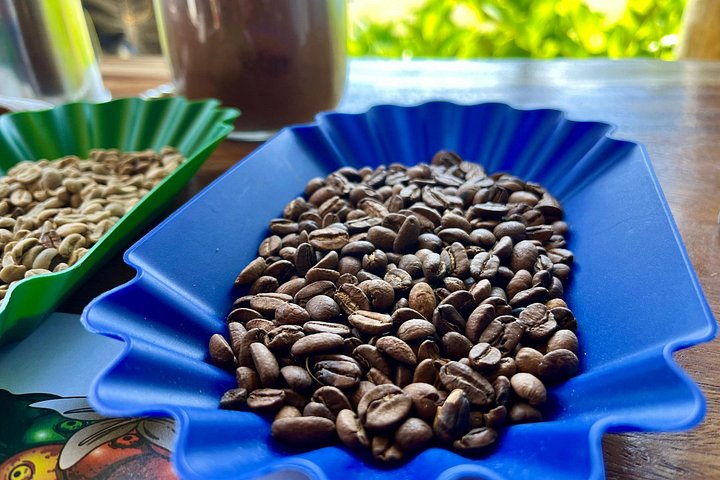
Chocolate and coffee deserve their own mention. The country grows excellent cacao, and chocolate workshops in Puerto Plata let you see the beans, learn how they are roasted and ground and taste bars and drinks. Coffee grows in the hills, and a visit to a mountain farm shows the process from cherry to cup.
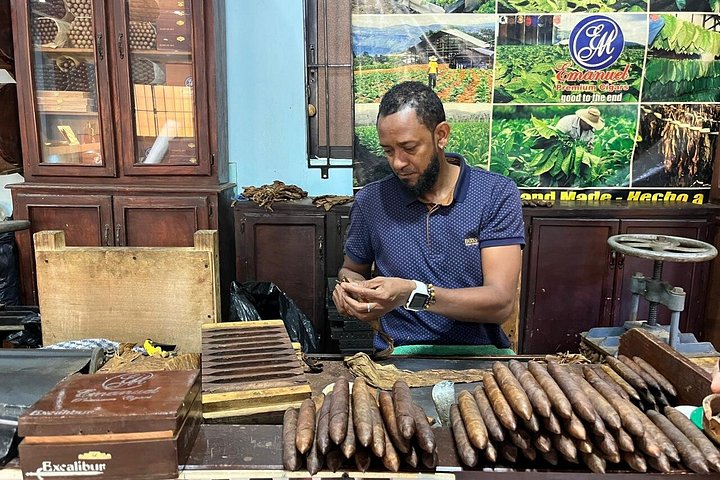
Both pair naturally with a city walk, and the rum and chocolate tour is one of the easiest ways to combine tastings with the old town. Cigar fans can visit tobacco country to learn how leaves are rolled, and adults-only rum and cigar experiences are a popular add-on.
If you prefer guidance, join a food tour. Sosua has a walk that links tastings with the town's story, and a village visit with a cooking demonstration is a more hands-on option. Cooking lessons are especially good for travelers who want to take recipes home. Tell operators about allergies and diets in advance, since many dishes use meat, shellfish or fried food.
A few practical notes will help. Drink bottled or filtered water, avoid ice if you are unsure of its source and choose busy places with high turnover. Tipping of around ten percent is customary, and many restaurants add a service charge to the bill. Prices at beach restaurants and in the tourist zones are higher than in neighborhood comedores, so mix both. Lunch is the main meal for many locals, and dinner starts late in the evening.
Finally, build food into your itinerary. Start the day with mangu and strong coffee, take a morning excursion, eat a beach lunch of fish and tostones, spend the afternoon on the sand, and finish with a sunset drink and a stroll through the old town. Eat where people are eating, try one new thing each day and let the cooks tell you what is best. That approach turns a standard beach holiday into a trip you taste as well as see.