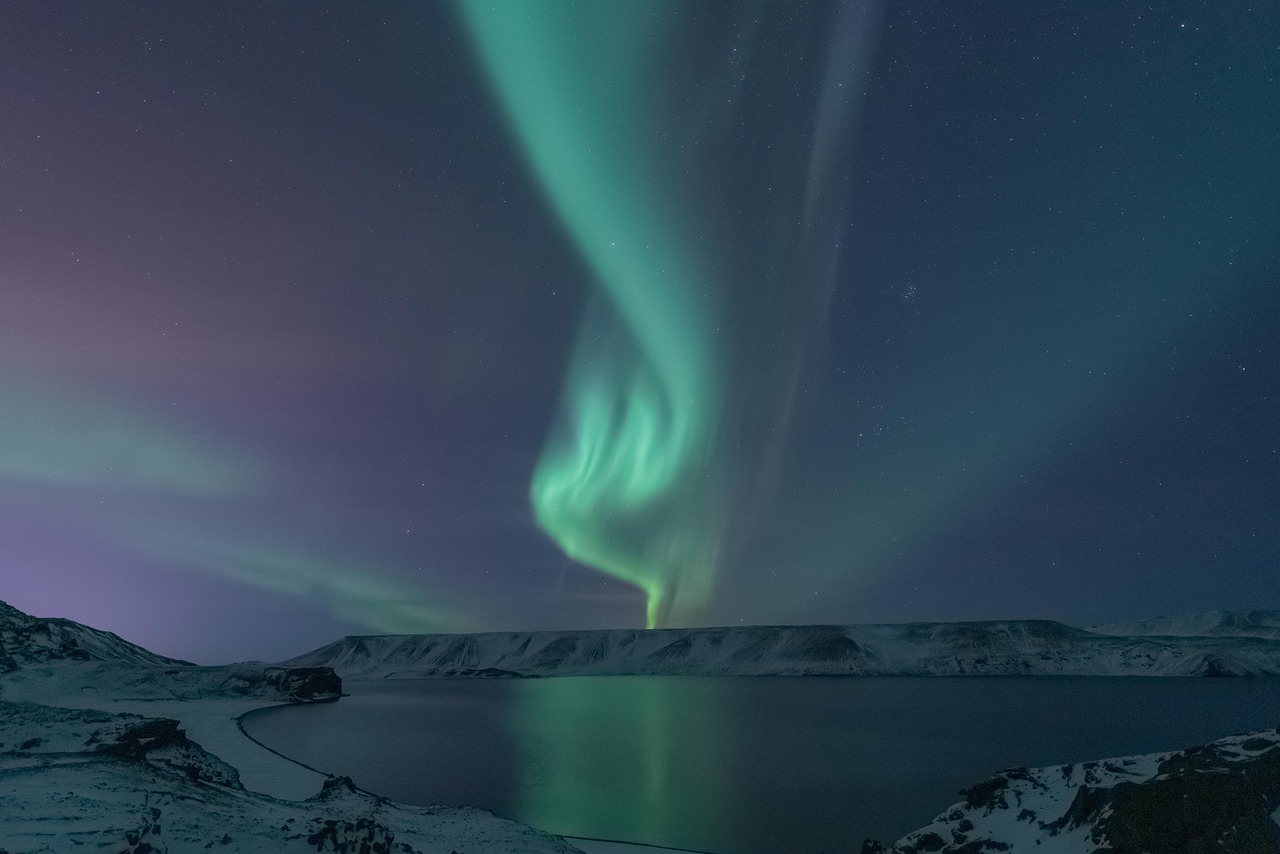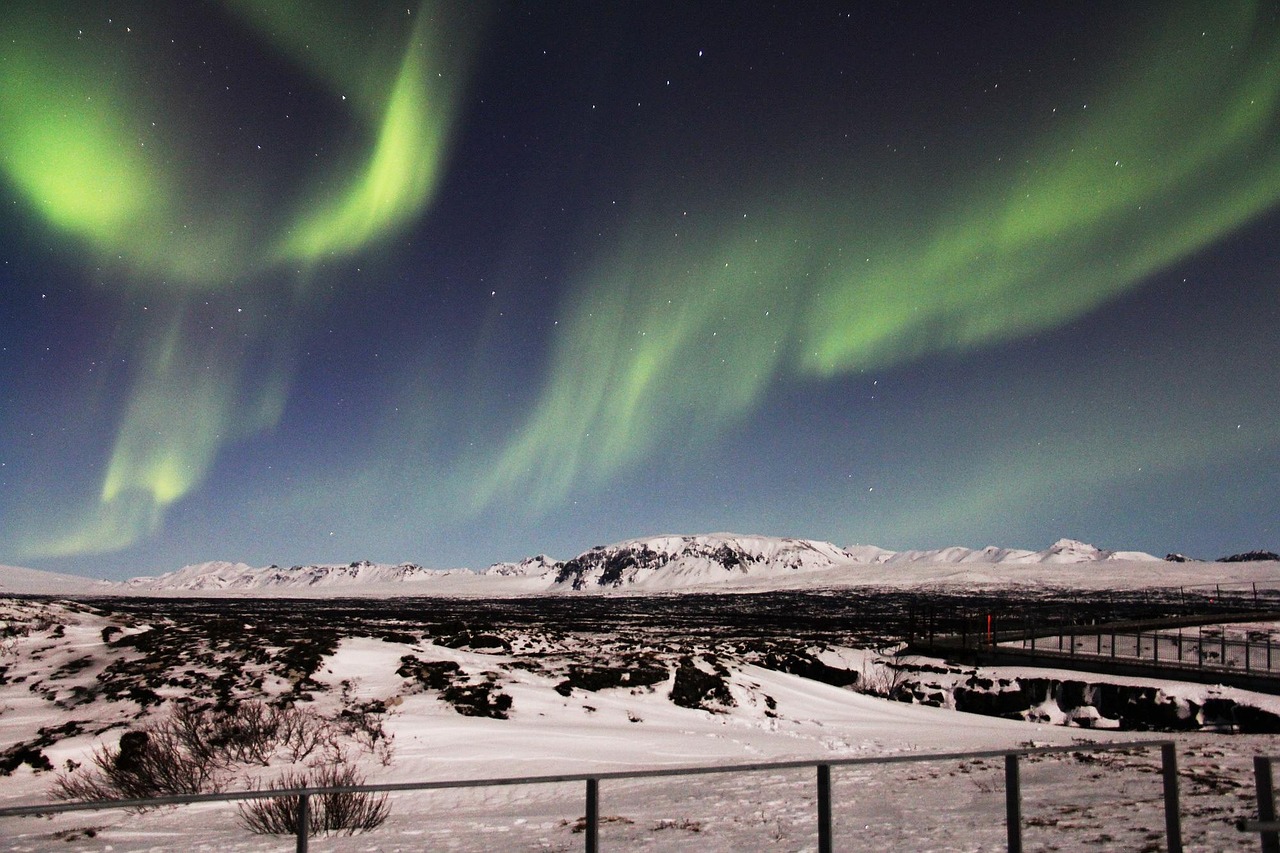
Aurora Reykjavík is the aurora trip's insurance policy and its tutorial level: the Old Harbour's northern-lights center — Iceland's first — built on an honest premise: the real lights are a lottery (solar activity, clouds and luck decide, and a whole trip can go dark), so the center guarantees the experience the sky might not: the 4K theater (the main hall's wraparound loop runs the year's best captures in cinema scale — the swirling full-sky displays most visitors will never catch live, filmed across Iceland's dark months, on an endless comfortable loop: sit as long as the awe lasts), the science floor (the solar-wind-to-magnetosphere story told plainly — why the lights happen, why they are green-then-red, why Iceland's latitude wins, with the mythology sidebar running the Norse-and-global folklore), the practical station that earns the ticket (the camera-settings corner coaches the actual hunt: the staff talk exposure settings, phone-camera reality and tonight's forecast like locals, and visitors leave armed for their own northern-lights-tours booking — the roster's entry runs the chase), the aurora forecast briefing (the center reads the cloud-and-activity maps with you), and the photo-op corner's set-piece shots. The honest register: it is a compact center rather than a grand museum (an hour covers it, families included), the theater is the product (the loop alone justifies the harbor stop), and the strategic uses are two — the trip's FIRST days (the tutorial that upgrades every later hunt) or the clouded-out LAST one (the guarantee that the trip saw the lights, one way or another). Fit: the aurora chip definitionally, first trips in the dark months, families (the science lands at kid level), and every itinerary the forecast betrayed.
The center's teaching is the substance
The aurora happens when solar-wind particles funnel down the magnetic poles and strike the upper atmosphere (oxygen glows green at the common altitudes, red higher; nitrogen adds the purples), the oval of activity rings the magnetic pole — Iceland sits under it, which is the whole latitude argument — and the displays' dance follows the magnetosphere's weather: the center walks the chain with models and film, then turns practical: the Kp-index and cloud-cover maps that decide a hunt night, the dark-sky geography (why the tours drive out of the city's glow — and where the in-city darkness at Grótta can work on strong nights), the camera truth (long exposures, wide apertures, tripods; modern phones' night modes managing real captures), and the patience math (the lights come in waves — the tours' hot-chocolate hours between bursts are normal, not failure).
The visit craft
Come EARLY in the trip (the tutorial compounds — the camera corner's ten minutes upgrade every later attempt), give the theater its unhurried sit (the loop runs continuous; the best sequences reward a full cycle), take the forecast briefing seriously (the staff's tonight-or-tomorrow read is the local knowledge), and use the clouded-out-trip version without shame — the 4K wall IS the display most winters deliver. The pairing geometry: the Old Harbour location slots the center into the Grandi-and-harbor day (Whales of Iceland and the Lava Show minutes away, the whale boats at the pier), and the evening sequence — center briefing, dinner, then the northern-lights tour's pickup — makes the perfect hunt-night structure.
Practicals and fit
Grandagarður at the Old Harbour, about an hour, all ages, open year-round (the lights season runs roughly late August to mid-April). Fit: the aurora chip's guaranteed wing, first dark-season trips, families, and the camera-settings tutorial every hunter needs first.
What to expect
The experience
The Old Harbour's northern-lights center — a wraparound 4K theater looping the year's best aurora captures, the solar-wind science made simple, camera-settings coaching and a forecast briefing for your own hunt.
Best time
Early in the trip — the tutorial upgrades every later hunt night; or the clouded-out last day, when the theater IS the lights.
How long
About an hour; the theater loop rewards a full cycle.
Tips
Take the camera corner seriously — ten minutes of settings coaching beats a hundred blurry phone shots. Ask the staff for tonight's honest forecast read. Pair with the harbor day; the whale boats and Lava Show sit minutes away.
Quick picks
- Best for
- The aurora insurance policy — the lights, guaranteed, whatever the clouds decide.
- Families
- The science lands at kid level and the theater's swirl needs no translation.
- Couples
- The 4K hall at quiet hours runs planetarium-romantic before the hunt night.
- Pair with
- The northern-lights tour the same evening — briefing, dinner, pickup is the hunt-night structure.
- Time needed
- One tutorial hour, early in the trip.
Good questions
Is it worth it if we are doing a real tour?+
Most of all then — the camera coaching, the science and the forecast briefing upgrade the actual hunt, and the staff's tonight-or-tomorrow read is local knowledge the bus cannot give mid-drive.
When can you see real northern lights in Iceland?+
Roughly late August to mid-April, needing dark clear skies and solar activity — it is a lottery, which is the center's whole premise; the tours (and strong-night spots like Grótta) run the chase.
What is the theater?+
A wraparound 4K hall looping the year's best full-sky captures at cinema scale — displays most visitors never catch live, on a continuous loop worth sitting through whole.
Will our phones capture the lights?+
Modern night modes manage real captures with coaching — steady support, long exposure, the settings the camera corner teaches in ten minutes; the center's whole practical station exists for this question.
How long does the visit take?+
About an hour all-in — compact by design, slotting into the Old Harbour day beside Whales of Iceland, the Lava Show and the whale piers.