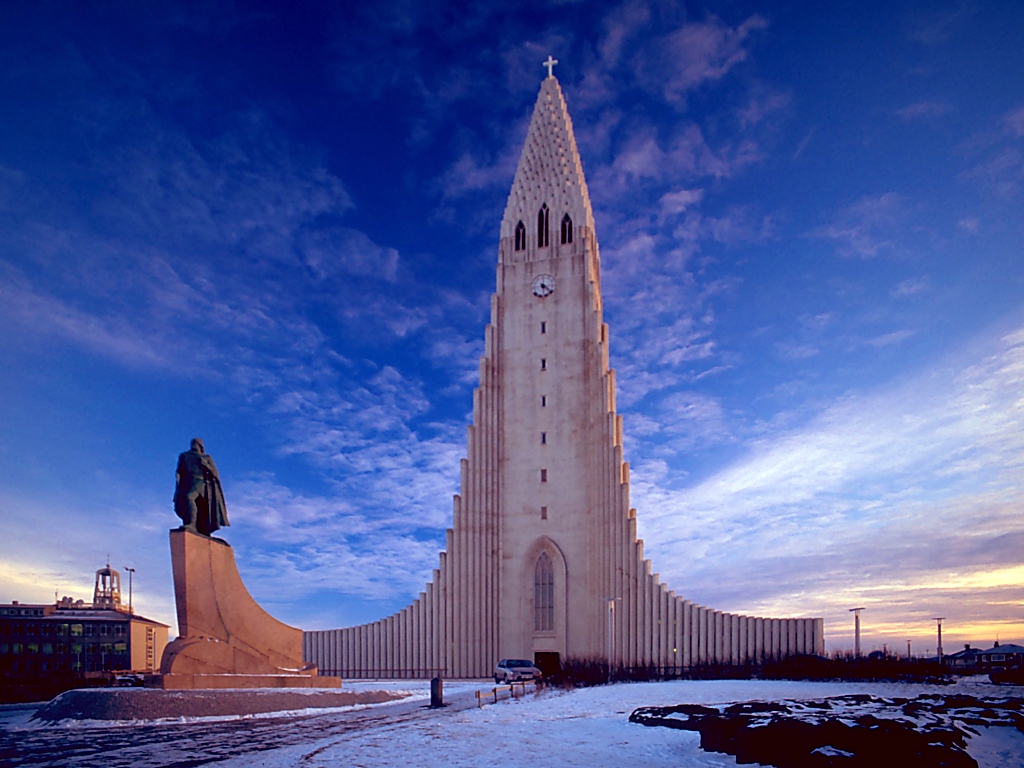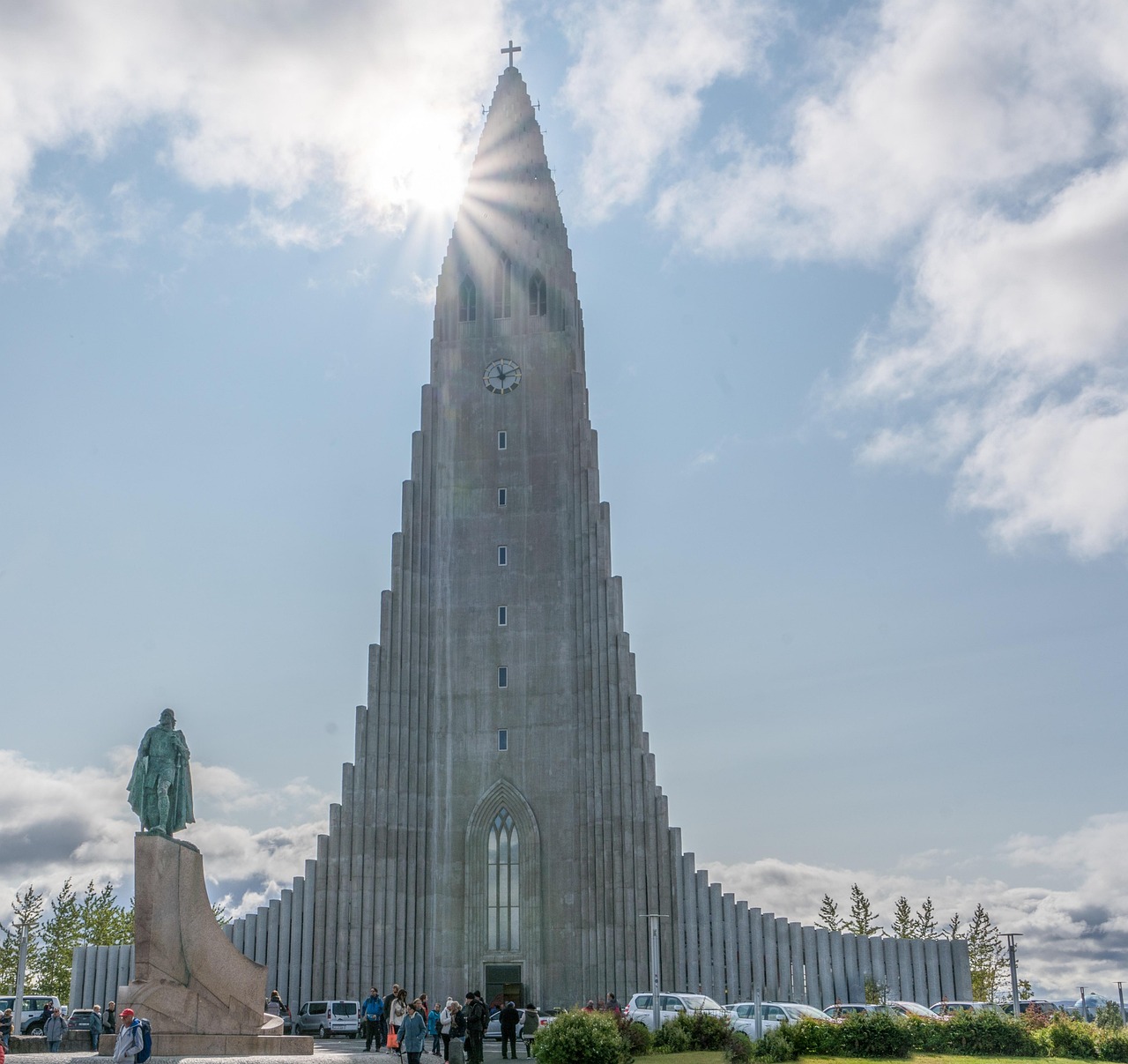
Laugavegur is Reykjavík compressed to one street and the walking spine every visit runs on: the main shopping mile — the wash-road of the name once led to the hot springs where the laundry was done — threading the city center east-west with the whole urban register strung along it: the shopping canon (the lopapeysa decision — the hand-knitted Icelandic sweater hunt runs from the Handknitting Association's genuine article through the design stores' modern cuts; the outdoor-brand flagships of a nation that dresses for weather; the record shops, bookstores with café corners and design-object tier of a literate little capital), the eating-and-drinking register (the hot-dog stand pilgrimage — Bæjarins Beztu by the harbor end has fed presidents and fed-up pub crawls the same one-with-everything since 1937; the happy-hour culture that softens Iceland's bar math, the craft-beer taprooms, the weekend runtur's bar-crawl theater after midnight), the street itself (murals and street art filling the gable ends, the corrugated-iron houses' paintbox colors, the bookstore-café mornings and the small-hours queue at the sausage window), and the famous turn: Skólavörðustígur — Rainbow Street — branches uphill mid-Laugavegur, its pavement painted in permanent rainbow stripes (the Pride legacy made permanent in 2019 — the city's statement piece) running straight at Hallgrímskirkja's rocket-ship facade: the rainbow-to-church sightline is the most photographed street view in Iceland, and the climb's galleries, jewelers and the Handknitting Association's mothership make it the browsing register's best block. The honest frame: it is a main street, not a secret (souvenir-shop density included — the junk-to-genuine ratio demands the shopper's eye), prices run Icelandic (the happy-hour apps and the hot-dog tier are the hacks), and the compact truth is the charm: the whole spine walks in twenty minutes, and the city's life — tourist and local in genuine mixture — runs along it daily. Fit: first trips definitionally, families (the street-art hunt and the hot-dog ritual), couples (café mornings, runtur nights), and every itinerary's connective tissue.
The street's layers tell the city's story: the name (laug = hot spring; the road ran to the Laugardalur washing springs where the city's laundry boiled — the roster's pool culture descends from those springs), the corrugated-iron architecture (the painted-metal houses are Reykjavík's vernacular — timber frames clad in the ship-cargo iron of a treeless island, now heritage-protected in their candy colors), the 20th century's main-street decades (the department stores and cinema era), and the tourism-boom present (the souvenir wave and the pushback — the design-and-vintage tier holding the line). The shopping craft: the lopapeysa decision deserves care (handknitted-in-Iceland labels at the Handknitting Association vs machine-knit imports elsewhere — the genuine article costs real money and lasts decades; the wool is the point), the happy-hour apps (the bar math softens 4-7pm), and the vintage-and-record browse (the city's shops punch above its size).
Rainbow Street's own story
Skólavörðustígur climbed to the old cairn hill before the church crowned it, the street's rainbow began as Pride celebration paint and was made permanent in 2019 (the city repaints it fresh — the photos never fade), and the climb's register runs calmer than Laugavegur's (galleries, the jewelers' row, the sweater mothership) with the facade filling the frame all the way up. The eating map: Bæjarins Beztu's window (one with everything — the order is the order), the soup-in-bread-bowl and fish-and-chips tier for the budget-sane, the bakery canon (the cinnamon-and-cardamom morning), and the destination tables the side streets hide. The timing craft: mornings for cafés and empty photos, afternoons for the shop browse, weekend small-hours for the runtur's anthropology — and the whole spine ends at the shore path, two minutes from the Sun Voyager.
Practicals and fit
Laugavegur and Skólavörðustígur, city center (walk everything), free as a stroll, happy hours 4-7pm. Fit: every first trip's spine, families by day, couples by café and bar — the city, one street wide.
What to expect
The experience
The capital's main mile and its rainbow-painted branch — lopapeysa shopping, record stores and café mornings, the hot-dog window's 1937 pilgrimage, street art on the gable ends, and the painted climb to Hallgrímskirkja.
Best time
Mornings for cafés and empty rainbow photos; afternoons for the shop browse; 4-7pm happy hours soften the bar math; weekend small-hours run the runtur theater.
How long
Two to three hours strolling; it threads every city day regardless.
Tips
Buy the lopapeysa handknitted-in-Iceland or not at all — the Handknitting Association is the genuine article. The hot-dog order is one with everything. Shoot the rainbow-to-church sightline early before the crowds stand in it.
Quick picks
- Best for
- The city compressed to one street — every visit runs on this spine.
- Families
- Street-art hunting, the hot-dog ritual and the rainbow underfoot — the easy city day.
- Couples
- Bookstore-café mornings and happy-hour evenings, the church glowing uphill.
- Pair with
- Hallgrímskirkja crowns Rainbow Street; the shore path and Sun Voyager end the mile.
- Time needed
- One strolling afternoon, revisited nightly.
Good questions
What is Rainbow Street?+
Skólavörðustígur — the uphill branch painted in permanent rainbow stripes since 2019 (a Pride legacy the city keeps fresh), running straight at Hallgrímskirkja's facade: Iceland's most photographed street view.
Where is the famous hot-dog stand?+
Bæjarins Beztu, near the street's harbor end — serving the same lamb-based classic since 1937 to presidents and pub crawls alike; the order is one with everything, and the queue moves fast.
How do we buy a real lopapeysa?+
Look for handknitted-in-Iceland labels — the Handknitting Association on Skólavörðustígur is the mothership: the genuine article costs real money, lasts decades, and the Icelandic wool is the entire point.
What is the runtur?+
The weekend bar crawl — Reykjavík's small-hours circuit along Laugavegur's bars, famously late and sociable; happy hours (4-7pm) are the budget traveler's version.
How long is the street?+
The whole spine walks in twenty minutes unbrowsed — which nobody manages: the shops, cafés and gable-end murals stretch it to an afternoon, ending two minutes from the Sun Voyager's shore.