Winter is Reykjavik's most atmospheric season and its most misunderstood. The days are short, the weather changes by the hour and the roads need respect, but the reward is a city lit by candles and a countryside of ice, steam and aurora. The trick is not to fight the season. Plan for flexibility, pack well and let the darkness become part of the trip.
The light, honestly
In December the sun rises after ten and sets before four, with a long blue twilight on either side. By late February the day has grown to nine or ten hours and by March it feels almost normal. This rhythm shapes the itinerary. Sightseeing happens in a compressed midday window, so choose one main outdoor activity per day and book it for the brightest hours. Evenings belong to the city, to lagoons and, on clear nights, to the sky.
Aurora nights
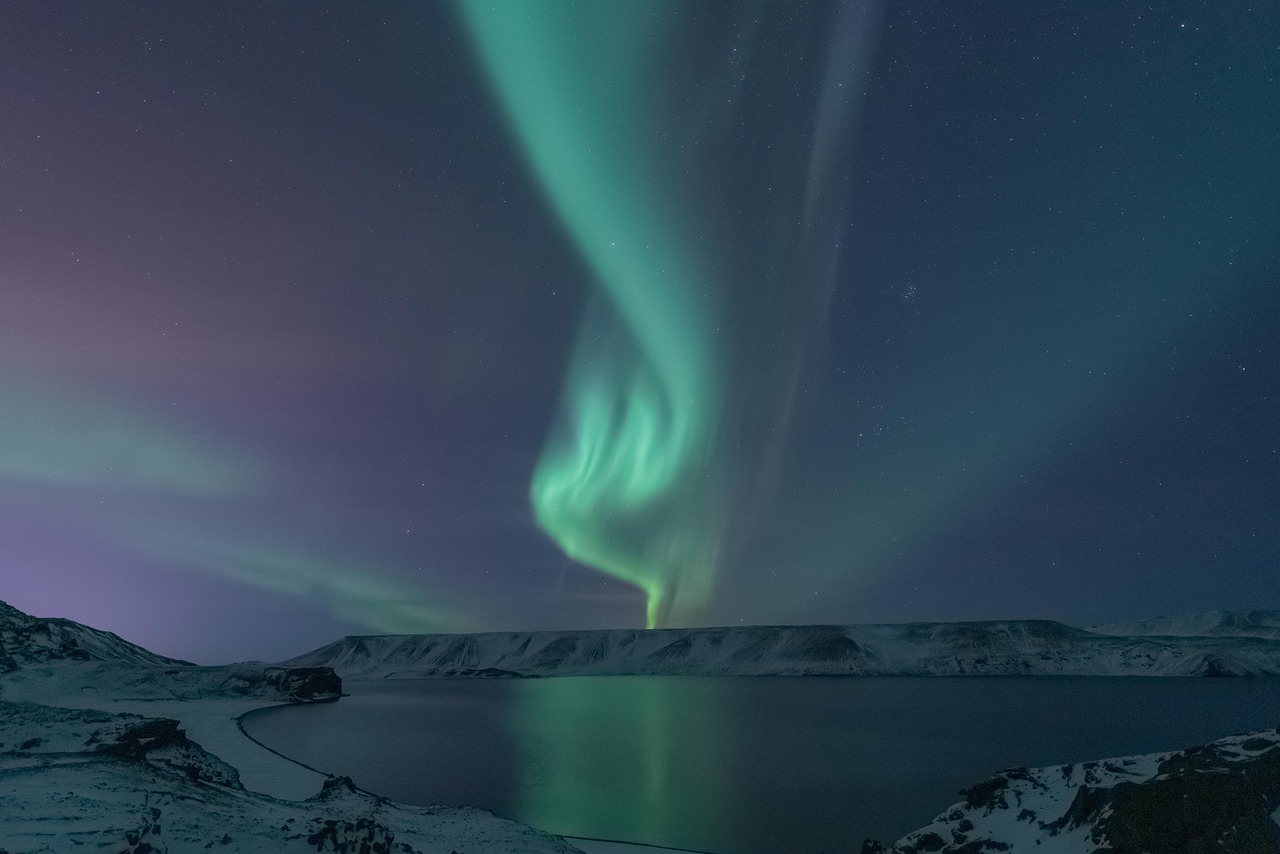
Winter is the northern lights season, and the best strategy is to give yourself several chances. Book an aurora tour for your first or second night so there is a spare evening if clouds interfere, and check the cloud forecast on the national weather service site each afternoon. Many tours rebook for free if the night is cancelled. Away from the city, a lagoon soak under a clear sky is one of the best ways to watch, and the Secret Lagoon and Sky Lagoon both work well when the forecast is good. Dress for standing still in the cold, and bring a hot drink.
Ice, caves and glaciers
Winter opens experiences that summer cannot match. Natural ice caves form on the south coast glaciers and are visited on guided tours from roughly November to March. Glacier tours that start near Gullfoss offer a cave built for visitors as well as snowmobile rides across the ice. Waterfalls such as Gullfoss and Seljalandsfoss are edged with ice, and the black sand beaches look dramatic under low sun. Silfra snorkeling continues all winter in a drysuit, with snow around the platform and crystalline water below.
Driving and safety
If you rent a car, treat winter as a different country. Check the road conditions site and the weather warnings every morning, carry water and a warm layer, and do not drive at night on unfamiliar roads if you are unsure. Gravel roads and highland routes are closed, and wind gusts can be strong enough to damage doors. Many visitors choose guided tours for the long days to the south coast or Snaefellsnes, because the driver handles conditions and the itinerary adjusts if a road closes. Build in a spare day, and book flexible rates where possible.
What to pack
Layering is the answer. Bring a thermal base layer, an insulating mid layer, a waterproof and windproof shell, waterproof boots with good grip, a hat, gloves and a scarf. Add ice cleats for walking on frozen paths, a swimsuit for the lagoons, sunglasses for snow glare and a small headlamp. Hotels and pools provide towels, but bring a light dry bag for wet items. Electronics drain quickly in the cold, so keep a power bank in an inner pocket.
Winter in the city
Reykjavik shines when the sun goes down. Cafes and bars glow, the Old Harbour has a cozy winter feel and museums become welcome refuges. The Perlan exhibition with its ice cave, the Lava Show, the Saga Museum and the National Museum fill the dark hours. The local pools are open in all weather and a hot pot in the snow is an essential experience. Food halls and harbor restaurants offer lamb soup, fish stew and warm pastries. In December, Christmas markets and light displays add to the mood, and the Yule Lads tradition gives the season a playful local character. The city also hosts music and film events that take advantage of the dark months.
A flexible four-day plan
Day one: arrive, walk the center, visit Hallgrimskirkja and the harbor, and book dinner near the old town. Day two: a Golden Circle tour or a glacier day, followed by an aurora hunt if the forecast is clear. Day three: south coast waterfalls, black beaches and an ice cave if conditions allow. Day four: slow morning, a lagoon soak, museums and a final night out. If the weather shuts down a day, swap in the city options and move the outdoor trip to the spare slot.
Is winter right for you?
If you want long daylight, hiking and open highlands, summer is better. If you like atmosphere, aurora, ice and fewer crowds, winter is hard to beat. Flights are often cheaper, hotels offer value and the lagoons feel more magical when the air is cold. Go with realistic expectations, a flexible mindset and warm clothes, and the season will reward you.