To understand Rotterdam, start with May 1940. In a few hours the German bombing destroyed the historic centre and left tens of thousands of people homeless, and the decisions that followed shaped the city you see today. A guided history walk tells that story on the ground, in the places where it happened. You walk through the rebuilt centre, past the few buildings that survived, and see the monuments that remember the bombing, while a guide explains the reconstruction, the choices that favoured modern design over restoration, and how the port recovered to become the biggest in Europe. The tour combines the main highlights with this historical thread, so it works as an introduction to the city and as a thoughtful way to see it.
How to visit
The tour is a guided walk of a couple of hours, starting from a central meeting point given when you book. Check the language, the start time and the exact route with the operator, as these vary. The pace is gentle and the ground flat, though the tour is on foot throughout, so wear comfortable shoes. The subject matter involves wartime destruction, which the guides handle respectfully, and older children and teenagers who are studying the period often find it memorable.
What to expect
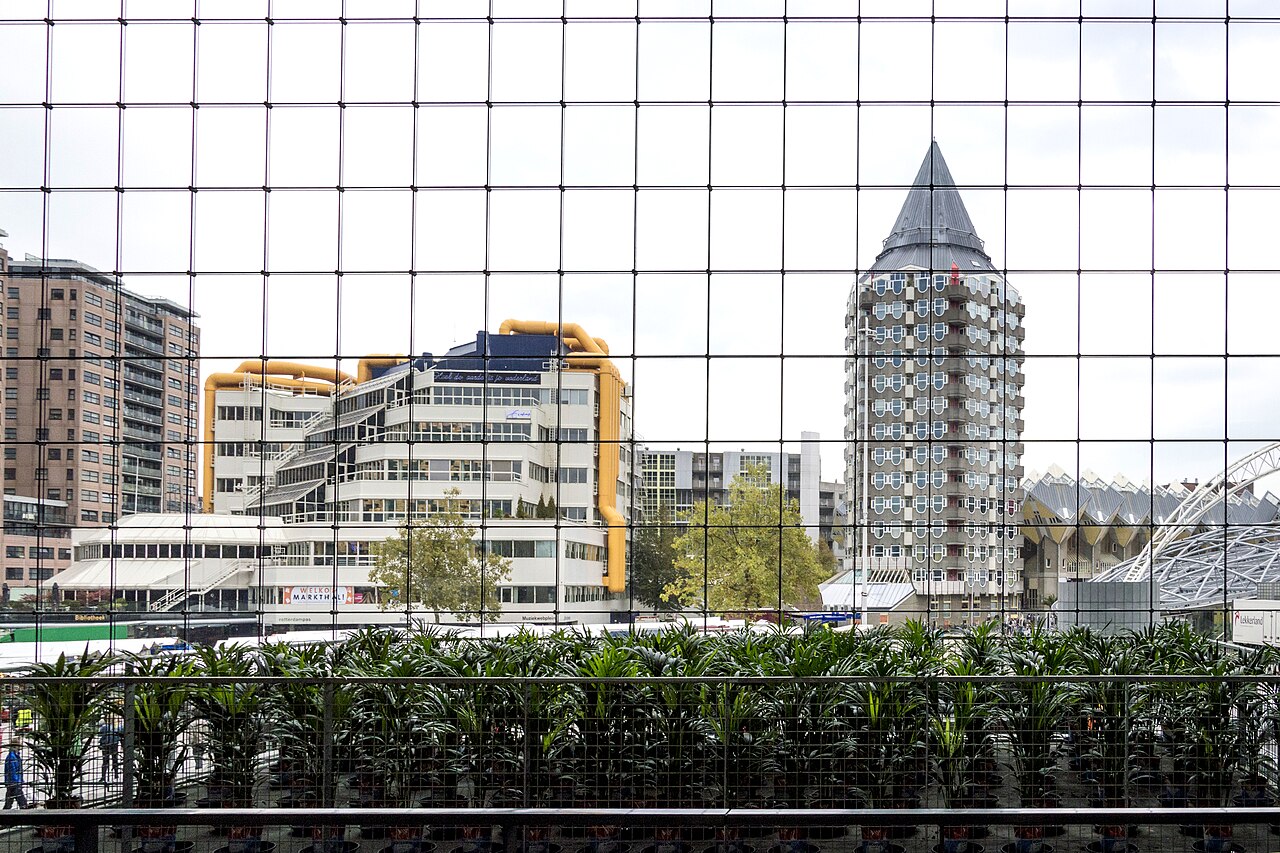
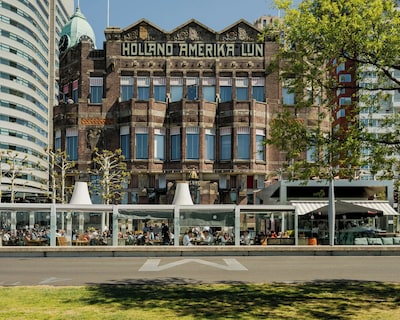
The guide sets the scene in the pre-war city, explains what the bombing destroyed and shows what survived, such as the tower of the Laurenskerk, the old harbour and fragments of the earlier street plan. You then follow the rebuilding, passing landmarks of the new city such as the Lijnbaan, the Markthal, the Cube Houses and the river front, with stories about the architects and planners behind them.
Monuments to the victims and to the resilience of the city are part of the route. Along the way you hear about everyday life in the rebuilt city, which gives the architecture a human dimension.
Making the most of it
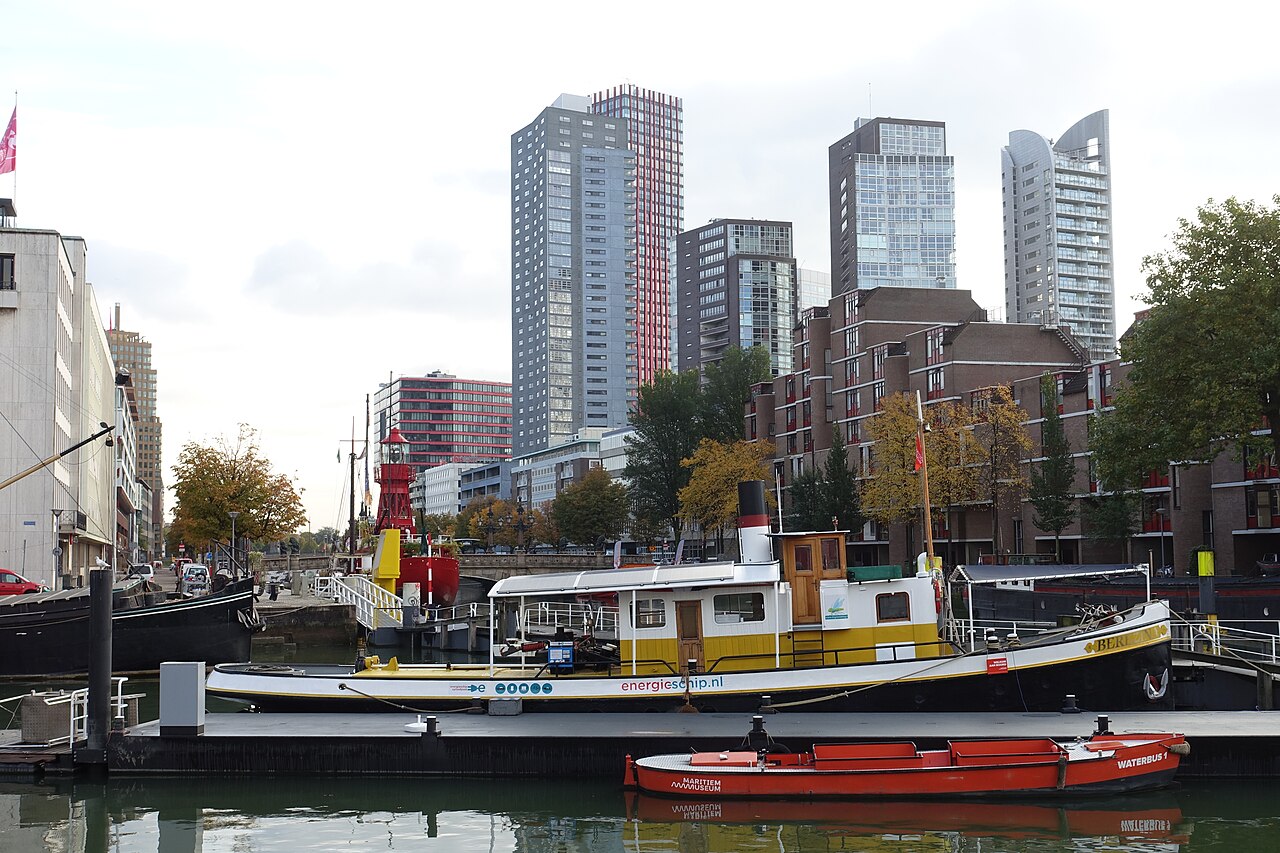
Take this tour early in your stay, because it gives context for every museum and building you visit afterwards. It pairs well with the Maritime Museum, which tells the story of the port, and with the Fenix museum on migration, which looks at the people who left and arrived through Rotterdam.
A visit to the Laurenskerk, if open, adds a quiet moment of reflection. Bring a light jacket, since the centre can be windy, and allow time afterwards for lunch at the Markthal. If you want to go deeper, ask the guide for recommended reading and places to visit, since many guides are glad to share their knowledge.
Good to know
The story of the bombing is told with care, and guides welcome questions from the group. If you want to go deeper afterwards, many visitors continue to the Maritime Museum, which explains the port's role in the city's recovery, or to the Fenix museum, which looks at migration through the city.
A quiet moment at one of the monuments is often the most memorable part of the walk. Dress for the weather, because the centre is open to the wind, and carry a small bottle of water. Photographers should note that some monuments are in busy squares, so early departures give the clearest views.
What to expect
The experience
A guided walking tour of central Rotterdam that combines the main highlights with the story of the 1940 bombing and the rebuilding of the city.
Best time
Morning or early afternoon, so you have energy for a museum afterwards.
How long
Roughly two to three hours on foot.
Tips
Wear comfortable shoes, bring a light jacket and let the guide know if you want to focus on a particular period.
Quick picks
- Best for
- Visitors who want to understand the city's story as well as see its landmarks.
- Families
- Best for teenagers and older children with an interest in history; younger children may find it long.
- Couples
- Follow with lunch in the Markthal and a walk along the river.
- Pair with
- The Maritime Museum, the Fenix museum or the Markthal for lunch.
- Time needed
- Two to three hours.
Good questions
Is the tour suitable for children?+
Older children and teenagers with an interest in history usually enjoy it. The subject is serious, so consider the age and sensitivity of younger children.
Does the tour go inside any buildings?+
Most of the tour is outdoors, with stops at monuments and public spaces. Check the ticket to see whether any interior visits are included.
How much of the old city survived?+
Very little of the historic centre survived the bombing, though pockets such as the Laurenskerk tower and Delfshaven remain. Guides explain which parts are original.
Is it a good first activity in Rotterdam?+
Yes. It gives context for the architecture, the museums and the port, and helps you decide what to see next.
What happens in bad weather?+
Walking tours normally go ahead in light rain. Bring a waterproof jacket and check the operator's weather policy.