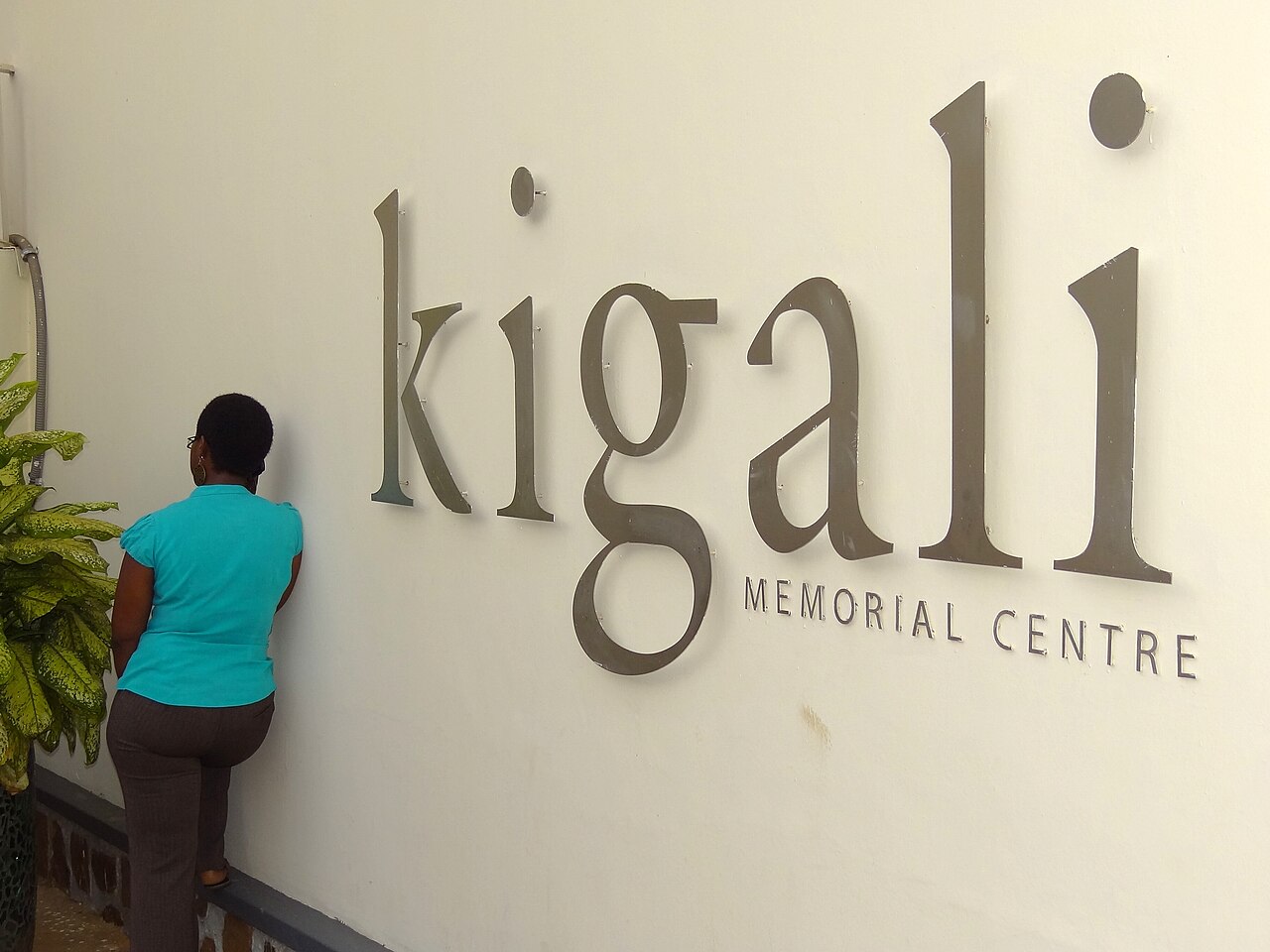
The Kigali Genocide Memorial is the most important first stop in Rwanda, and the one that shapes how you understand the rest of the country. Opened in 2004 on a hillside at Gisozi, it is both a burial ground and a museum. In the gardens, mass graves hold the remains of more than a quarter of a million people killed in Kigali during the 1994 genocide against the Tutsi, which unfolded over roughly one hundred days. Inside, the permanent exhibition tells the story in three parts: the history of Rwanda and the colonial divisions that hardened identities, a detailed account of the genocide itself with survivor testimony, photographs and personal belongings, and a section on genocides elsewhere in the world. A separate children's room is among the hardest things to see, and a memorial garden is a quiet place to sit afterward. Entry is free. Most visitors take the optional audio guide, part of the Ubumuntu package, or join the mixed-group tour that starts each morning. Allow at least two to three hours and do not schedule anything demanding straight afterward. Photography is allowed in the grounds but not inside the museum, and children under twelve are not permitted. Dress modestly and treat the site as the place of mourning that it is.
Understanding the setting helps. Gisozi sits on a hill north of the city centre, a short taxi or moto ride from downtown hotels. The memorial was created by the Kigali City Council with the Aegis Trust, a UK-based organisation that continues to run education programmes here, and the site works as a centre for learning as well as remembrance. The exhibition is carefully paced, moving from Rwanda before colonisation through the build-up to 1994, then the killing, and finally the long work of rebuilding and reconciliation that the country is known for today.
Practicalities: the memorial is open daily, with last entry an hour before closing, and on the last Saturday of each month it opens later in the day because of the national community work day called Umuganda. It closes on Christmas Day and New Year's Day, normally closes on the morning of 7 April when the national mourning week begins, and can close for a few hours at short notice for official visits. Staff-guided private tours, many led by survivors, are available by advance booking and are priced by group size. If you prefer a guide who also covers the wider city, the Kigali city tour on this site includes the memorial as a stop.
How to approach the visit: go early, before the heat and the crowds, and keep the afternoon free. Many travellers find the day heavy, and a quiet lunch in the memorial's café or back in town helps. The experience is not designed to be comfortable, but it is the clearest way to understand why modern Rwanda places so much weight on unity, cleanliness, order and community, and it makes the gorilla trek and the safari that follow feel like part of one story of renewal rather than only a holiday.
What to expect
The experience
A self-guided museum and memorial garden with an optional audio guide, or a staff-led tour, covering Rwandan history, the 1994 genocide and its aftermath.
Best time
Arrive when it opens in the morning, outside the last Saturday of the month, when opening is delayed for Umuganda, and avoid the week around 7 April unless you are attending a commemoration.
How long
Allow two to three hours including the gardens and a quiet pause afterward.
Tips
Dress modestly, expect no photography inside, do not bring children under twelve, and consider the audio guide or a survivor-led tour booked ahead.
Quick picks
- Best for
- Every first-time visitor, as the essential context for modern Rwanda.
- Families
- Only for older teenagers who are prepared; children under twelve cannot enter, so plan childcare or a different activity.
- Couples
- A sober shared experience; pair it with a calm evening rather than a party night.
- Pair with
- A Kigali city tour, the Nyamirambo food walk and, later in the trip, a gorilla trek.
- Time needed
- Half a day, with nothing intense planned for the afternoon.
Good questions
Is the Kigali Genocide Memorial free?+
Yes, entry is free. An optional Ubumuntu package adds an audio guide and a few extras for a set fee, and private staff-led tours are charged by group size.
How long should I allow?+
Plan on two to three hours. Many visitors spend longer in the gardens and the memorial garden after the exhibition.
Can children visit?+
Children under twelve are not permitted. Older teenagers can visit, but the content is graphic and parents should prepare them first.
Can I take photographs?+
Photography is permitted in the outdoor grounds but not inside the museum. Professional filming needs an official permit.
When is the memorial closed?+
It is closed on Christmas Day and New Year's Day, normally closed on the morning of 7 April, and opens late on the last Saturday of each month. It can also close for a few hours at short notice, so check before you go.