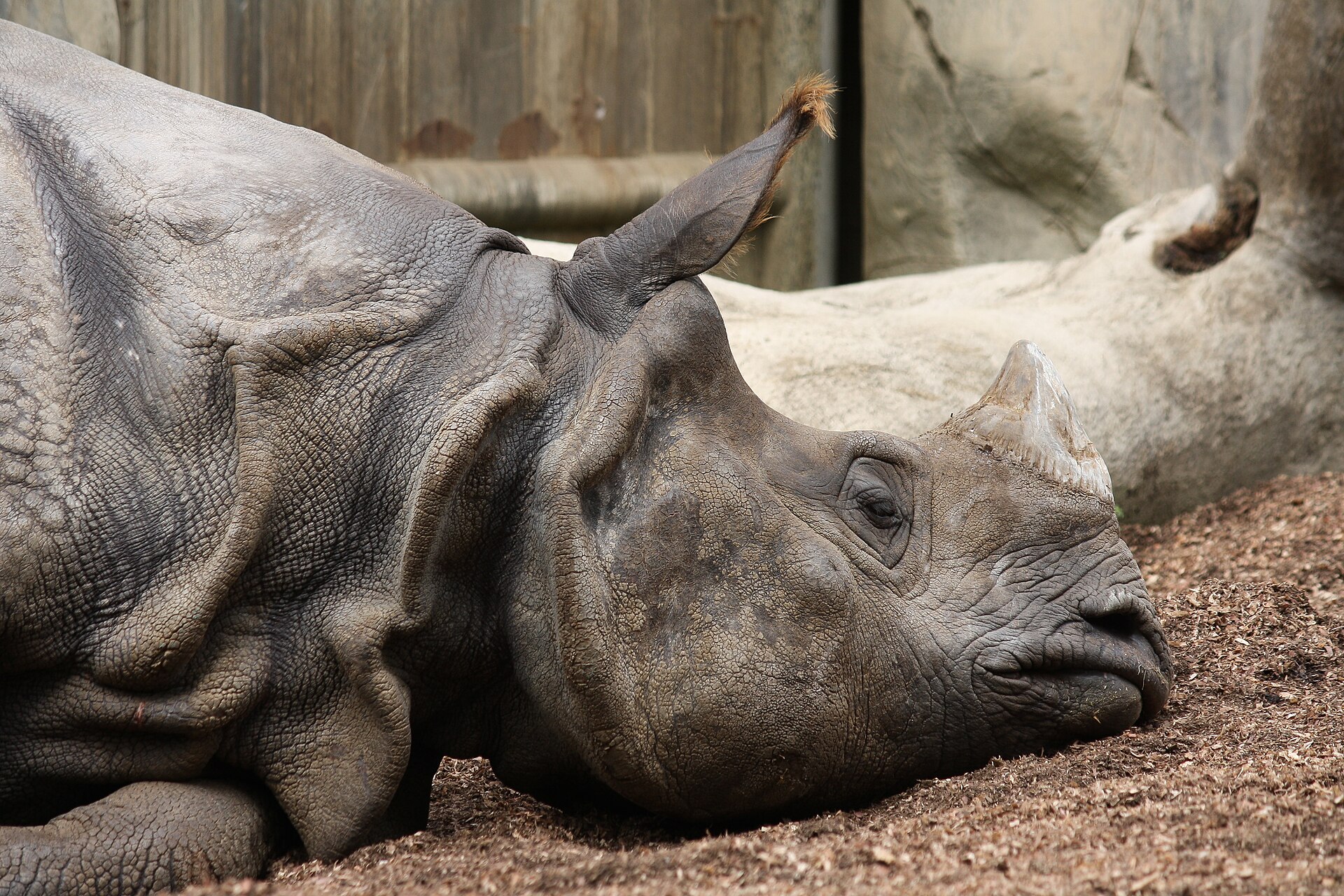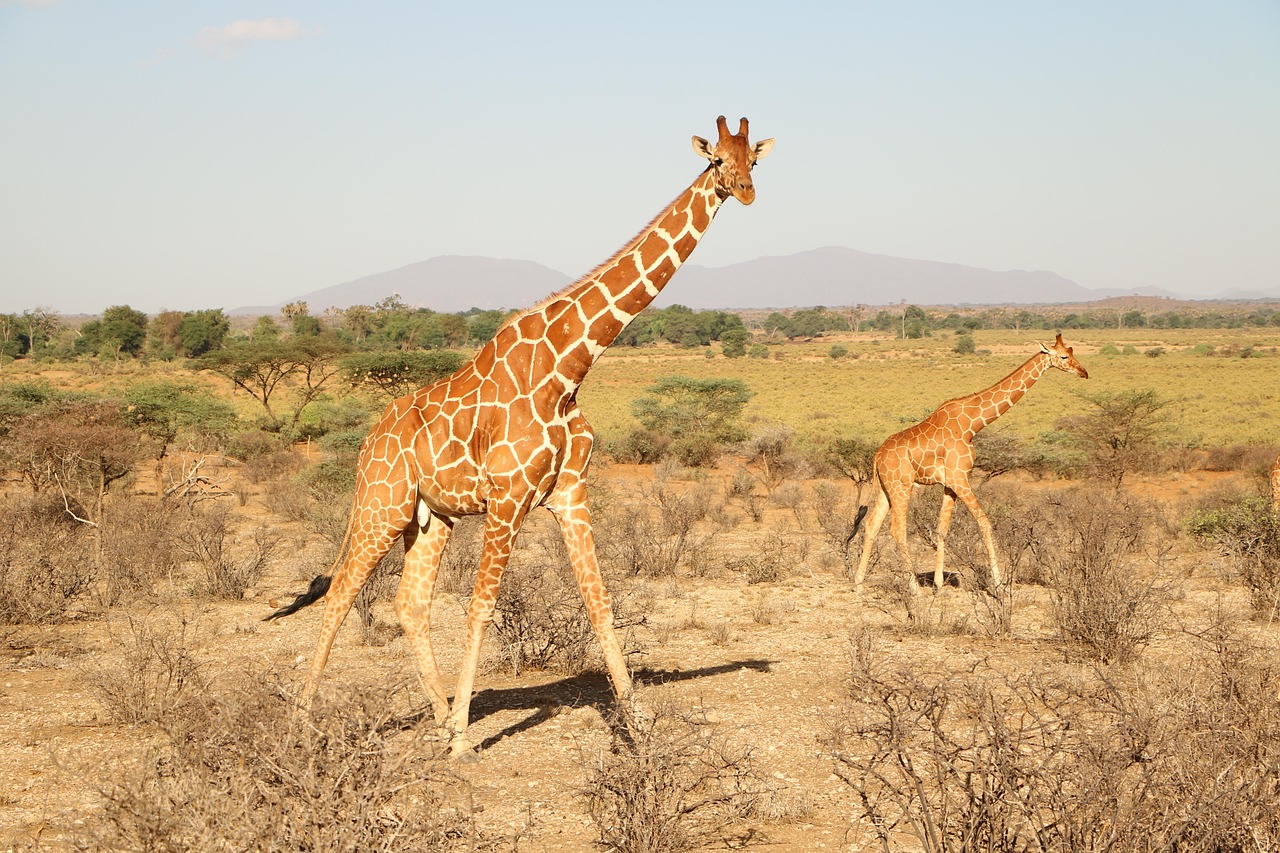
The Safari Park is the San Diego Zoo's 1,800-acre answer to the question the zoo cannot ask downtown: what if the animals had room to be herds? Thirty-five miles north in the San Pasqual Valley's hills, the park runs on savanna scale — the Africa Tram (included) crossing open plains where giraffes, rhinos, Cape buffalo, and mixed antelope herds move as populations rather than exhibits, the walking loops circling gorillas, lions, elephants, tigers, and the aviaries between, and the signature upgrades selling the closer look: Caravan Safaris rolling flatbed trucks into the field enclosures (feeding a giraffe from your hand is the park's defining photograph), Cheetah Safari runs, zipline crossings over the rhinos, and the tethered balloon lifting the whole valley into view. The conservation story is the institution's spine — the park is the Frozen Zoo's home and the breeding engine behind the California condor's return from nine birds, a recovery told at the condor ridge exhibit that justifies the drive by itself. Practical calculus: it is a FULL day (arrive at opening; the animals move in the morning cool), summer inland heat runs 10-15 degrees over the coast (hats, water, the tram's shaded side), and the zoo-versus-safari question answers by taste — the zoo for collection depth and canyon shade, the park for scale and savanna; ambitious trips take the two-park ticket and both. Book dated tickets online ahead; the entry queue rewards it.
The park's design thesis — built in 1972 as the zoo's breeding annex and opened to the public almost by accident — inverts the zoo contract: the field exhibits are measured in dozens of acres, the hoofstock herds breed at population scale (the park has produced more than 200 rhinos and the world's most successful captive condor program), and the visitor crosses the habitat rather than circling it. The Africa Tram is the included backbone — 25 minutes of open-plains narration with the giraffe towers and rhino crash at trackside — and the walking park around it holds the close work: Elephant Valley's multigenerational herd, Lion Camp's glass-wall prides, Tiger Trail's Sumatrans in canyon forest, Condor Ridge's recovery story, and Walkabout Australia and the gorilla forest filling the loops.
The upgrade economy is honestly worth it here: Caravan Safaris (the flatbed truck into the giraffe and rhino fields — feedings included, ages five and up, the park's bucket-list ticket), Roar & Snore's overnight tent camps above the savanna, the Jungle Ropes course, Flightline's zipline over the enclosures, and the Balloon Safari's tethered ascent. Budget crews skip them all and still get the tram, which is the point; celebration trips book the caravan weeks ahead.
Practicals
35 miles north of downtown via I-15 (45-60 minutes; beat the theme-park traffic by leaving at 8), dated online tickets and the two-park pass for zoo-plus-safari ambitions, full-day scope (opening arrival catches the animals moving; middays send them to shade and you to the aviaries), and the inland heat delta — the valley runs hot when the coast runs perfect, so summer visits front-load the field exhibits. Fit: animal-first families (this over SeaWorld when forced to choose on wildlife grounds), photographers (morning tram light on the savanna is the region's best animal shooting), and anyone who saw the zoo last trip — the park is not a rerun; it is the other half.
What to expect
The experience
An open-savanna wildlife park — the included Africa Tram crossing giraffe-and-rhino plains, walking loops of elephants, lions, and tigers, and bookable safari upgrades into the field enclosures.
Best time
Opening bell, any season — animals move in the morning cool. Summer runs 10-15 degrees hotter than the coast; front-load the savanna.
How long
A genuine full day, drive included.
Tips
Book dated tickets online and the Caravan Safari weeks ahead if it is a celebration trip. Ride the tram first, then walk. The condor exhibit is the conservation story of the century — do not skip it.
Quick picks
- Best for
- Animal-first travelers and families ready to trade a harbor day for the region's best wildlife day.
- Families
- The tram counts as a ride, the giraffe feeding as a core memory; strollers roll the full loop.
- Couples
- The Balloon Safari at golden hour over the savanna — San Diego's least-known romantic ticket.
- Pair with
- The two-park ticket with the city zoo on another day; nothing else pairs — the park IS the day.
- Time needed
- One full day, morning-anchored.
Good questions
Zoo or Safari Park?+
The zoo is collection depth in Balboa Park's canyons; the Safari Park is savanna scale — herds, tram crossings, field safaris. Taste decides; ambitious trips buy the two-park ticket and take both.
Is the tram extra?+
No — the Africa Tram is included with admission and is the park's backbone. The Caravan Safaris, ziplines, and balloon are the paid upgrades.
How far is the drive?+
Thirty-five miles north via I-15 — 45 to 60 minutes from downtown; leave by 8am and the road and the animals both cooperate.
Can we feed the giraffes?+
On the Caravan Safari — the flatbed-truck ride into the field enclosures (ages five and up), which sells out weeks ahead in season. The park's defining experience.
What is the condor story?+
The species was down to nine birds in the 1980s; this park's breeding program led the recovery past 500. Condor Ridge tells it — the best conservation exhibit in California.