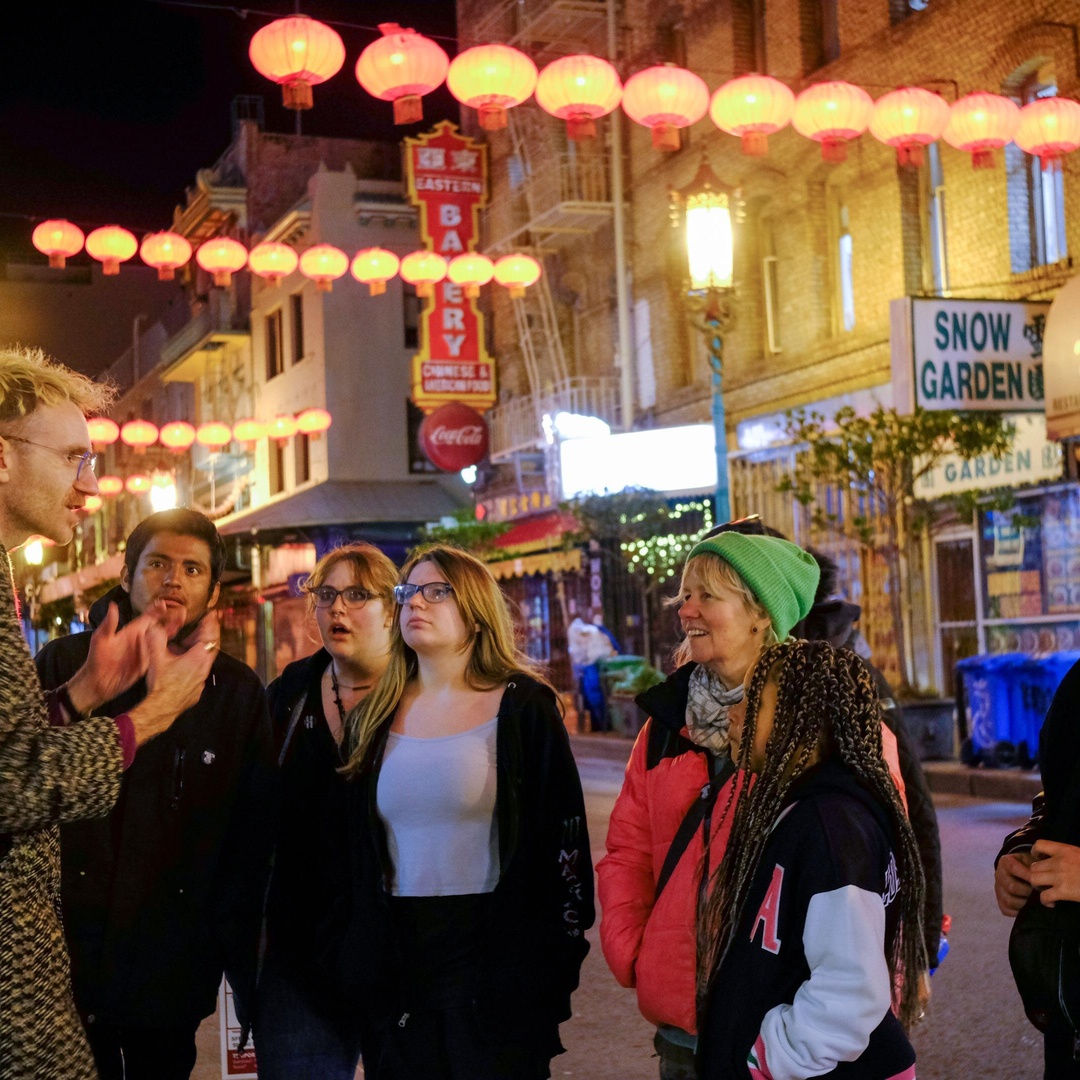
San Francisco's Chinatown is the oldest in North America and one of the most densely packed neighborhoods in the country, and eating your way through it with a local guide is the best introduction. A small-group food walk covers the main street and the tucked-away alleys, stopping at bakeries, dim sum counters, tea shops and family-run restaurants that most visitors walk past. Along the way the guide explains the history, from the Gold Rush arrivals through the 1906 earthquake and rebuilding to today's community, so every taste comes with context. Plan on roughly three hours, a relaxed pace and an appetite. It suits curious eaters, first-time visitors and anyone who finds a big menu intimidating.
Chinatown rewards a guide. On your own you see the lanterns and the souvenir shops on the main street and might eat at the first place that looks busy. With a guide, the same few blocks open up: the alleys where fortune cookies are still made by hand, the herbal shops, the family associations behind unmarked doors and the bakeries that sell out of their best items by noon.
The food is the point. Stops on a tour of this kind commonly include dim sum, pastries from traditional bakeries, noodles or dumplings, tea tasting and other regional Cantonese specialties, though the exact lineup varies by guide and season, so check your confirmation. Portions are meant for tasting, but across the whole route they add up to a generous meal, so arrive hungry and skip a big breakfast. Tell the organizers about any dietary restrictions ahead of time, since many stops cook with pork, shellfish, peanuts, wheat and soy, and vegetarian options can be limited.
History is woven through the walk. Chinese immigrants began settling in this part of the city during the Gold Rush, and for decades the neighborhood was shaped by discrimination, exclusion laws and the need to build a self-reliant community. After the 1906 earthquake and fire destroyed much of the district, residents rebuilt it, and the pagoda-style facades that look so distinctive today date partly from that effort. A good guide tells those stories without lecturing, pointing to details on buildings and in shopfronts that explain how the neighborhood works.
Practical points
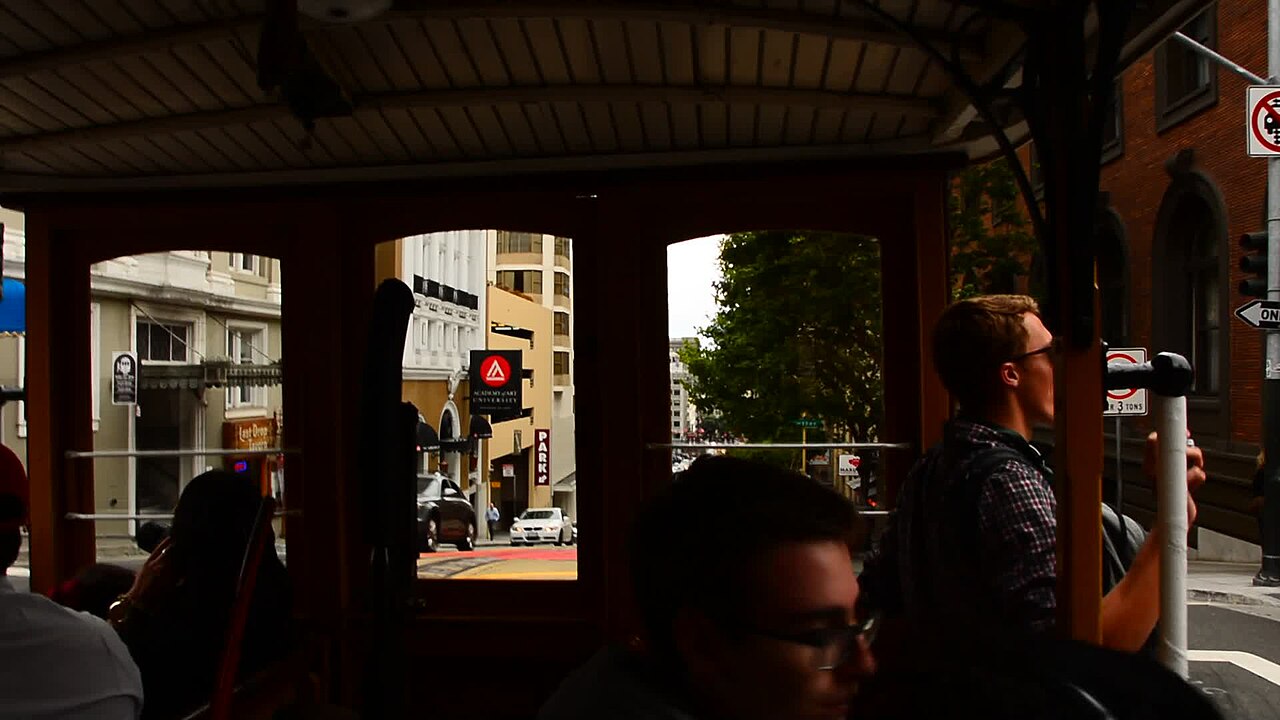
Chinatown is compact but hilly, so wear comfortable shoes. Many small shops take cash only, so carry some for souvenirs and extras. Mornings are busiest at markets and bakeries, while afternoon is calmer. Weekends are crowded, and parking is difficult; take a cable car, a bus or a rideshare. The tour meets at a fixed location and runs rain or shine, so bring a light jacket or umbrella as needed. Groups are small, which means you can ask questions and hear the stories at each stop.
Combine the tour with other nearby sights. The Chinatown gate on Grant Avenue and the Chinese Historical Society are within a short walk, North Beach is on the other side of Broadway for an espresso or a slice, and the cable car runs along the edge of the district. If you like the walking-tour format, the Chinatown ghost hunt and the general Chinatown walking tour cover other aspects of the neighborhood, while this one concentrates on the food.
Come with an open mind and an empty stomach, and you will leave with a short list of places to return to on your own.
What to expect
The experience
A small-group guided walk through Chinatown with food tastings and stories of the neighborhood's history.
Best time
Late morning for the best bakeries and dim sum; avoid the busiest weekend crowds if you can.
How long
About three hours on foot at an easy pace.
Tips
Come hungry, wear comfortable shoes, carry some cash and mention dietary needs when you book.
Quick picks
- Best for
- Curious eaters who want a guide to the best of Chinatown.
- Families
- Good for adventurous kids; mention allergies and food preferences in advance.
- Couples
- A shared tasting adventure and a good way to spend a morning.
- Pair with
- North Beach, the cable car and Grant Avenue.
- Time needed
- About three hours.
Good questions
How much food is included?+
Tastings at several stops add up to a generous meal, though the exact lineup varies.
Can it handle dietary restrictions?+
Tell the organizers when you book. Vegetarian options can be limited, and many dishes contain pork, shellfish or wheat.
Is the walk hard?+
It is about three hours at an easy pace, with some hills. Wear comfortable shoes.
Should I bring cash?+
Yes, for small shops and extras along the route.
Is it good for children?+
Often, for kids who like trying new food; check the age guidance when you book.