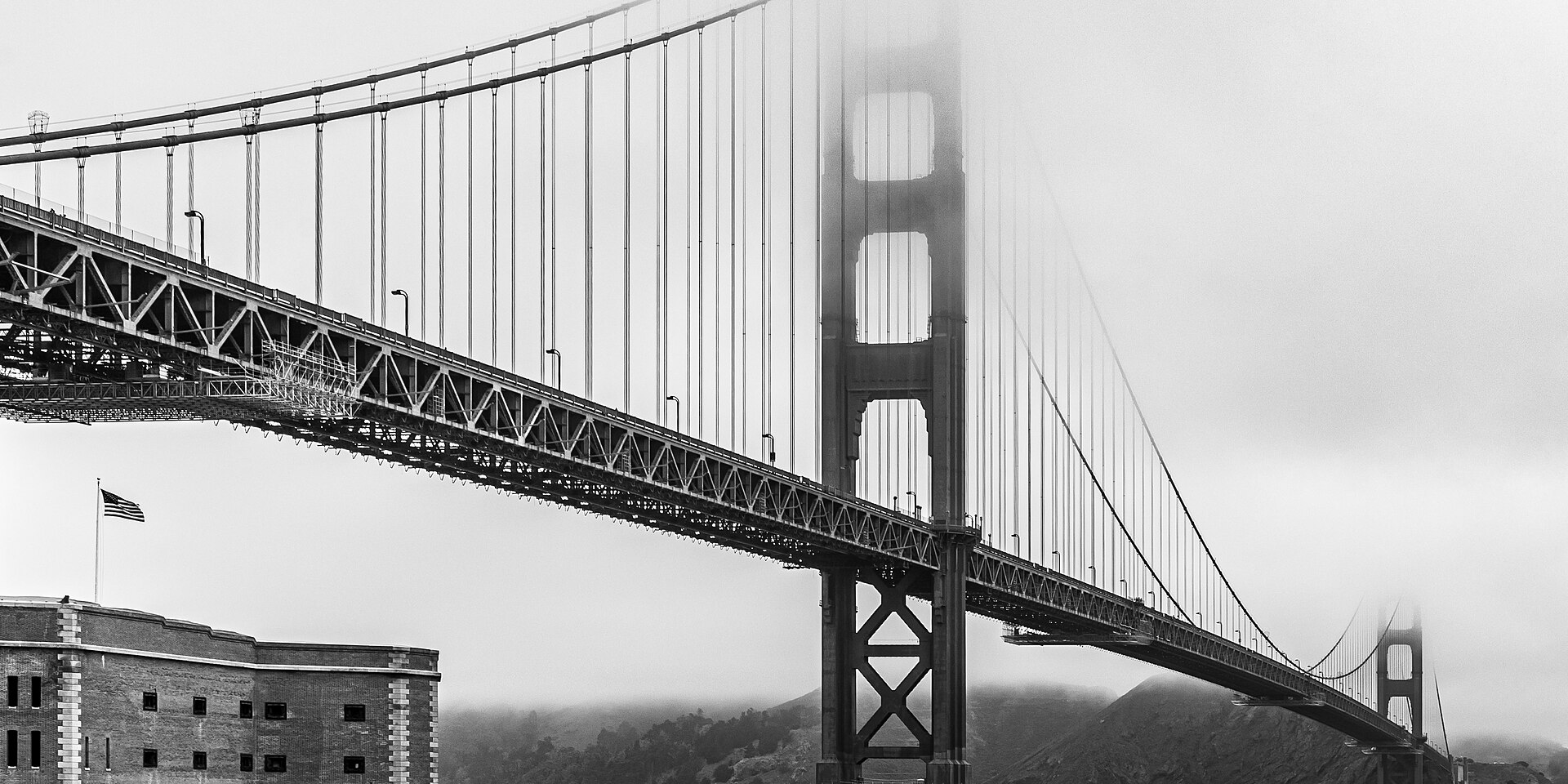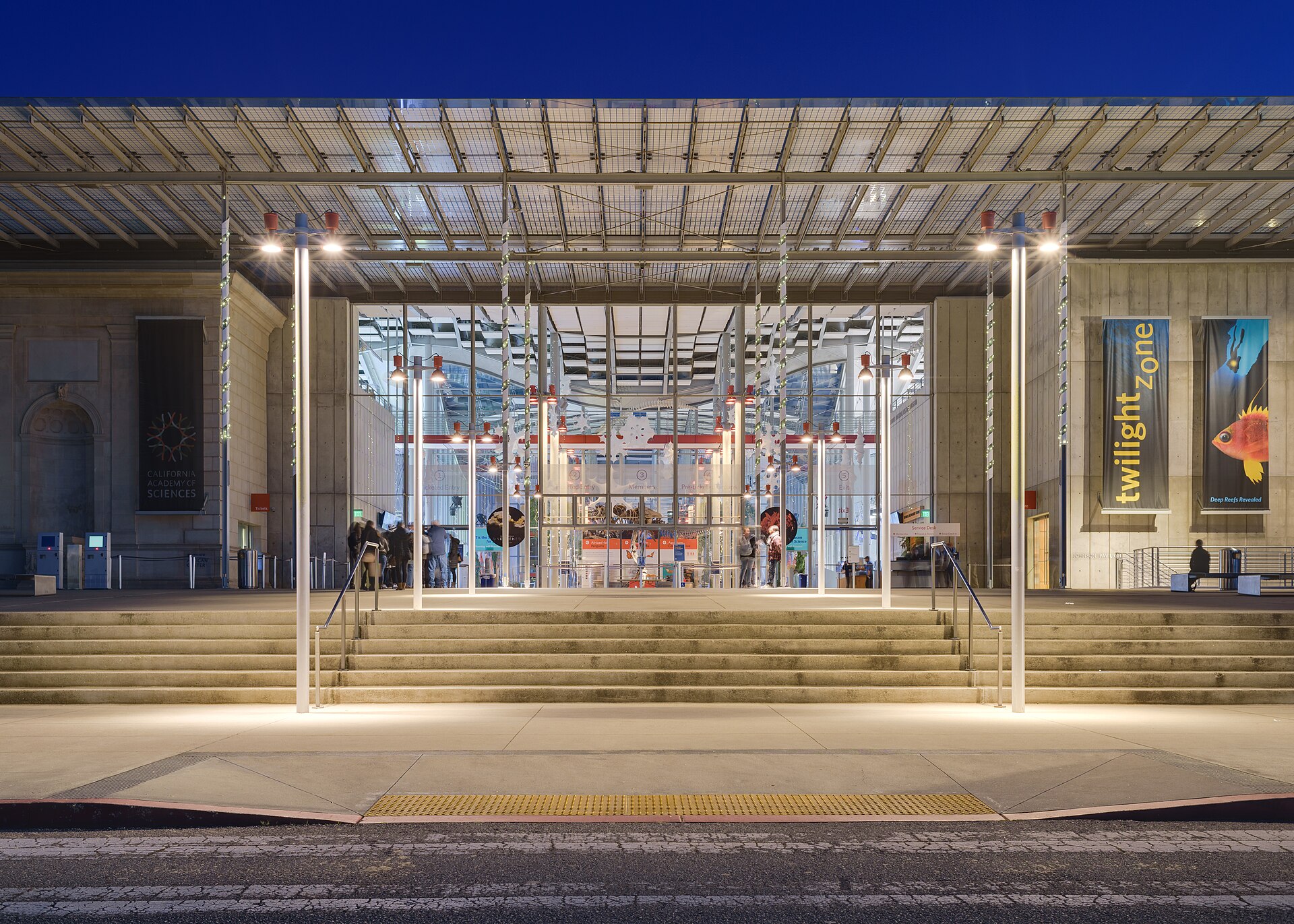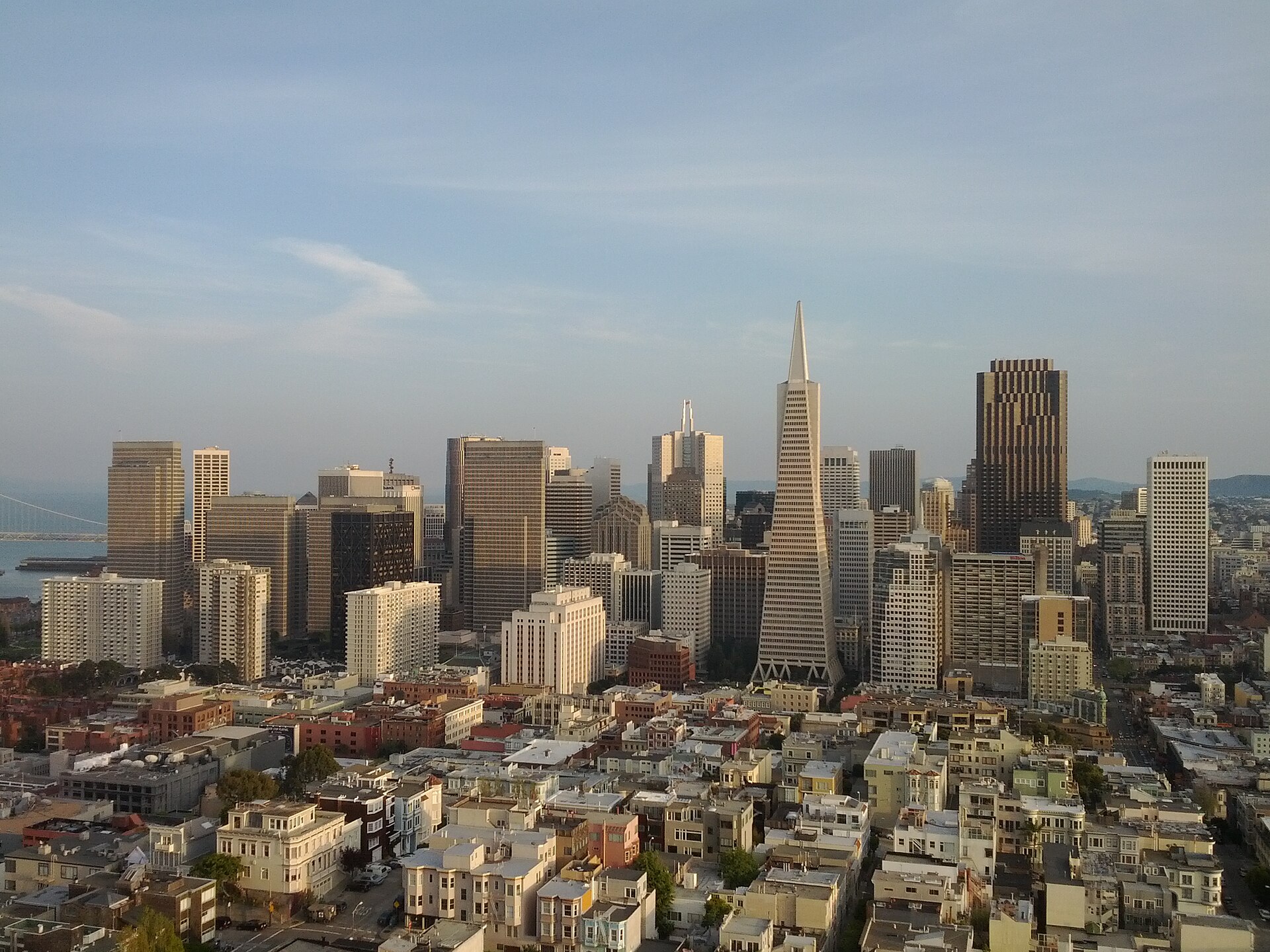
Coit Tower stands atop Telegraph Hill, a slender 210-foot Art Deco column built in 1933 with funds left to beautify the city. Two reasons to visit: the ground-floor murals — vivid Depression-era frescoes painted by local artists in 1934 under a federal works program, depicting California life and labor — and the observation deck at the top, reached by elevator, which offers 360-degree views of the bay, the Golden Gate and Bay Bridges, the waterfront, and the city's hills. The murals are free to view; the elevator to the top carries a fee.
Coit Tower has crowned Telegraph Hill since 1933, a 210-foot fluted Art Deco column built with a bequest from Lillie Hitchcock Coit, an eccentric San Francisco socialite who left a third of her fortune to beautify the city she loved. Its hilltop perch makes it one of the most visible landmarks on the skyline, and one of the best viewpoints in a city full of them.
The tower's interior holds a remarkable treasure: a series of murals painted in 1934 by some 25 local artists under the federal Public Works of Art Project, the first of the New Deal art programs. Rendered in fresco in a social-realist style, they depict California life during the Depression — agriculture, industry, city streets, libraries — and were considered politically provocative in their day. Viewing the ground-floor murals is free, and they're a genuine highlight for anyone interested in art or history.
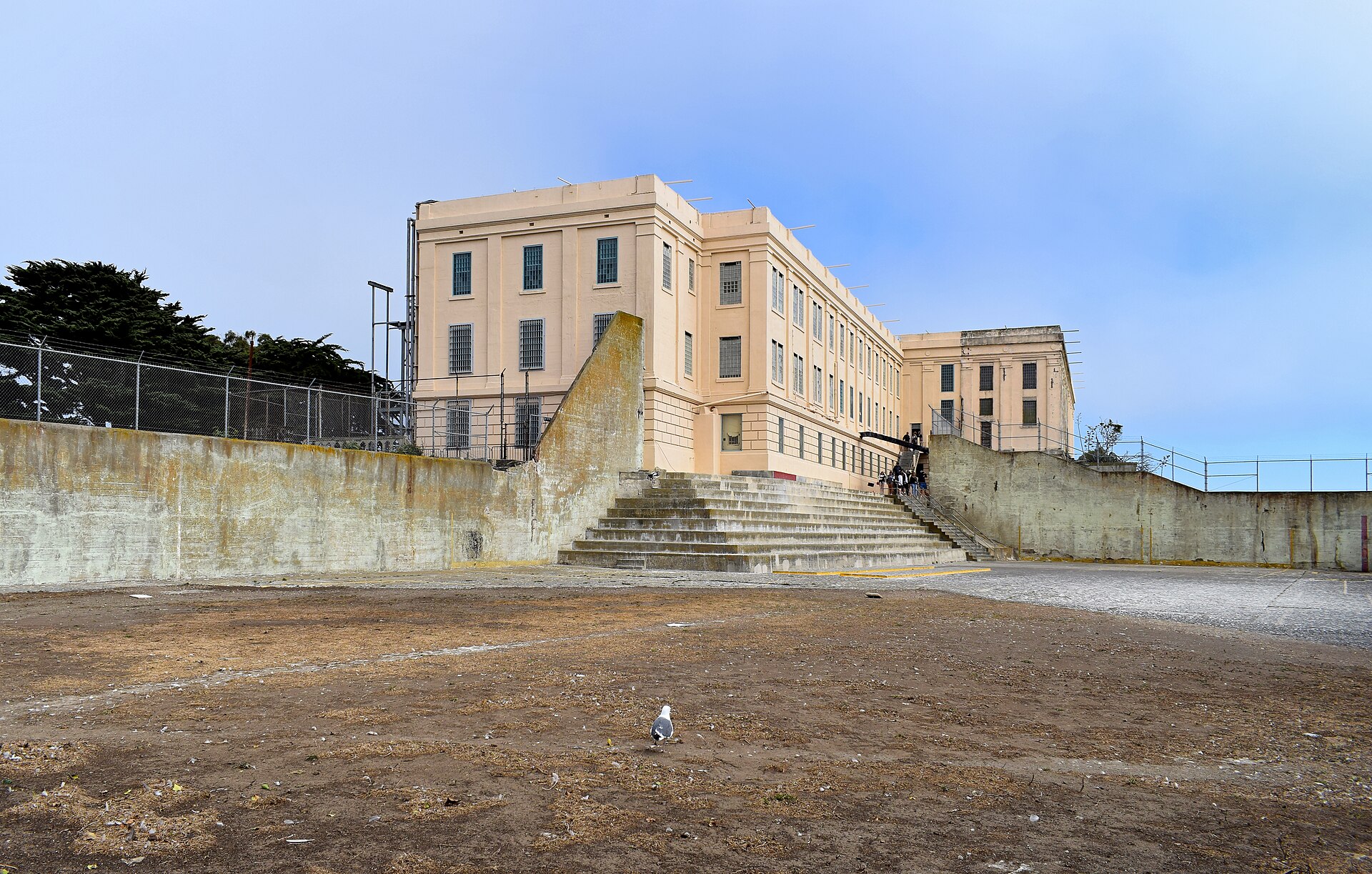
An elevator (with a fee) carries visitors to the enclosed observation deck near the top, where 360-degree windows frame the bay, the Golden Gate and Bay Bridges, Alcatraz and Angel Island, the waterfront, and the surrounding hills. Getting to the tower is part of the fun: Telegraph Hill is steep, and the lush Filbert Steps and Greenwich Steps that climb it — past hidden cottages and gardens, sometimes with the famous wild parrots of Telegraph Hill overhead — are a beloved walk.
Parking at the top is very limited; walking up or taking transit is wise. Lines for the elevator can form midday; mornings are calmer.
What to expect
The experience
Free to view the ground-floor WPA murals; a paid elevator carries you to the enclosed 360-degree observation deck near the top. Self-paced.
Best time
Mornings are calmest and clearest before fog and elevator lines build. Clear days give the best views.
How long
About an hour, including the murals and the deck.
Tips
Walk up via the lush Filbert or Greenwich Steps for a memorable approach (and maybe the wild parrots). Parking at the top is very limited — walk or take transit. The murals are free; only the elevator to the observation deck has a fee. Go early to beat midday elevator lines.
Quick picks
- Best for
- View-seekers and anyone interested in the WPA-era murals and city history.
- Families
- Older kids enjoy the elevator and the views; the steep approach can tire younger ones (and strollers struggle on the steps).
- Couples
- The hilltop views and the leafy Filbert Steps approach make a charming pairing.
- Pair with
- North Beach (Little Italy) and Chinatown are downhill; the Filbert and Greenwich Steps connect toward the waterfront.
- Time needed
- About an hour, plus the walk up.
Good questions
Is it free to visit Coit Tower?+
Viewing the ground-floor Depression-era WPA murals is free. The elevator ride up to the observation deck carries a fee.
What are the murals?+
Frescoes painted in 1934 by around 25 local artists under a New Deal works program, depicting California life and labor during the Depression in a social-realist style. They're a highlight in their own right.
What will I see from the top?+
360-degree views of San Francisco Bay, the Golden Gate and Bay Bridges, Alcatraz and Angel Island, the waterfront, and the city's hills.
How do I get there?+
Coit Tower sits atop Telegraph Hill. Parking is very limited, so walking up — ideally via the scenic Filbert or Greenwich Steps — or taking transit is best.
When is it least crowded?+
Mornings, before the fog and the midday elevator lines build. Clear days also give the best views from the deck.