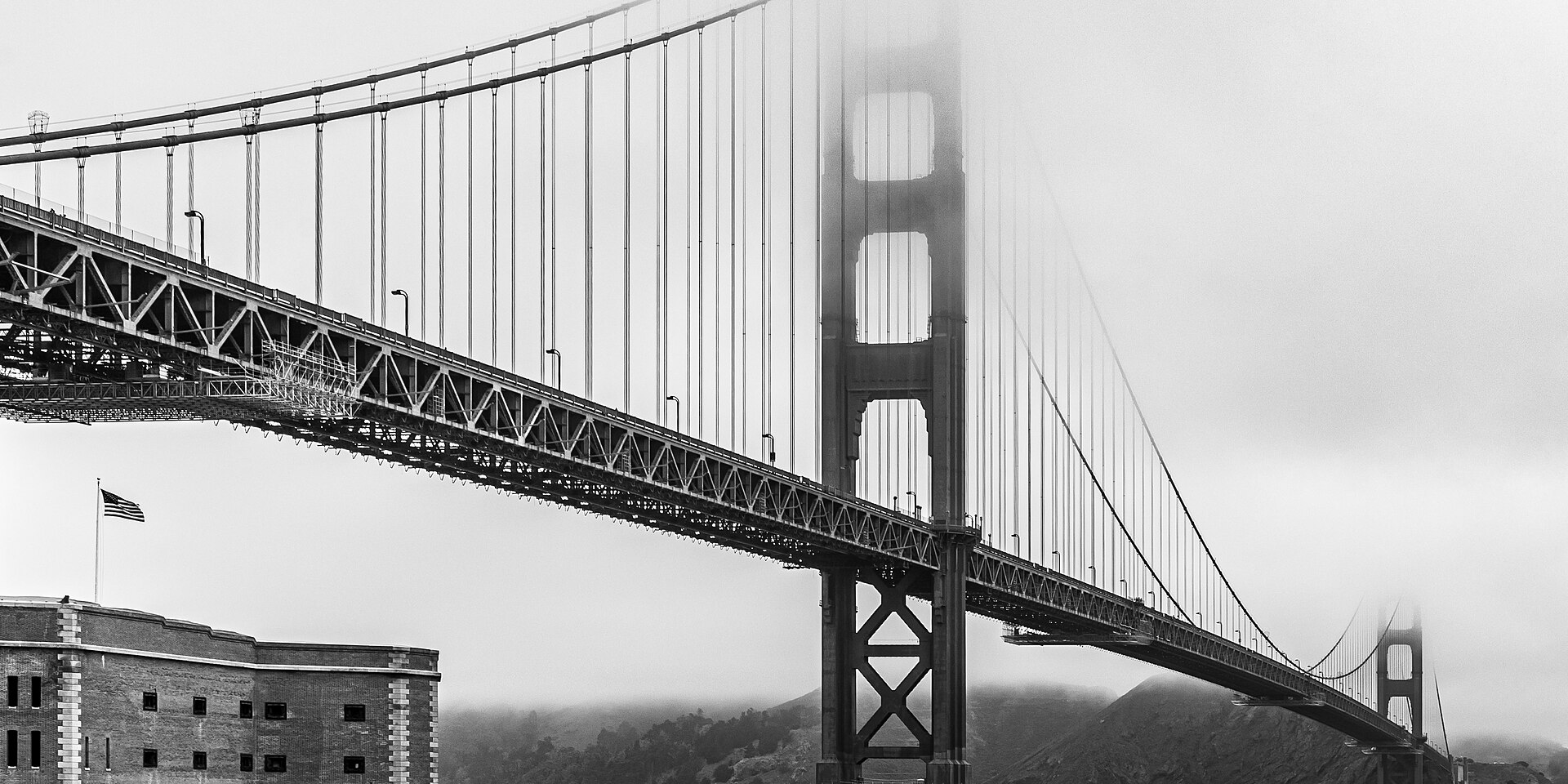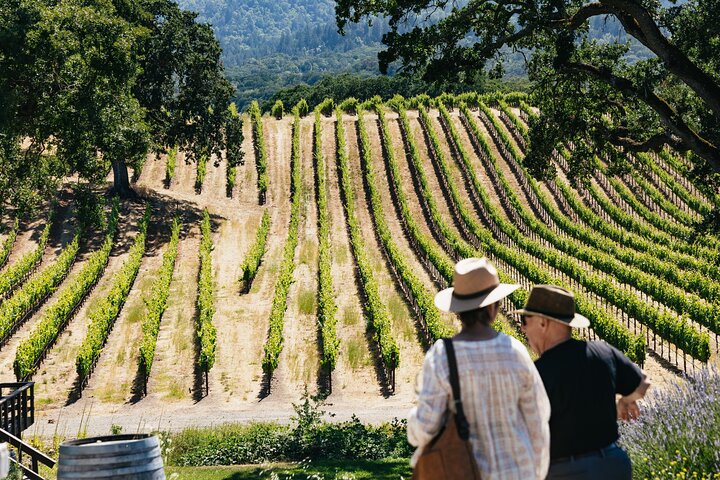
Wine country is the most popular escape from San Francisco, and a guided day trip is the easiest way to taste it without worrying about the drive home. The two valleys sit side by side north of the bay. Napa is the famous one, a narrow strip of vineyards where Cabernet Sauvignon gets most of the attention and many tasting rooms look more like estates than farms. Sonoma is broader and more relaxed, with a mix of cool-climate Pinot Noir and Chardonnay, old-vine Zinfandel and a town square that dates to the Mexican period. A full-day tour from the city typically crosses the Golden Gate Bridge, rolls through Marin and the baylands, and spends the middle of the day at a few wineries across one or both valleys, usually with a lunch stop in between. You taste in the cellar or on a terrace, hear how the wines are made, and ride back in the late afternoon with a view of the fog line. The tour suits couples, friends celebrating something and anyone who wants wine without renting a car. It is a long day, so plan for an early start and a slow evening afterward.
What you actually do on the tour depends on the route. Some itineraries favor Napa, with its big-name estates and cave tours; others split the day so you taste in both valleys and see the contrast. Either way, expect to visit several tasting rooms, to pour small amounts at each and to learn the basics from the people who work there: how a hillside differs from the valley floor, why Pinot Noir loves the cooler edge of Sonoma, and why Napa Cabernet became a global benchmark.
Tasting fees and winery visits are set by each tour, so check what the ticket includes before you book and whether lunch is part of it.
Timing matters. Late summer through autumn is harvest, the busiest and most atmospheric stretch, when the air smells of crushed grapes and the vines turn gold and red. Spring brings green hills and wild mustard between the rows, and winter is quiet, with cheaper rooms and the best chance of a real conversation with the person pouring.
Summer can be hot inland even when San Francisco is cold, so wear layers you can remove. Traffic on the way back, especially on Fridays and Sundays, can add time, which is another good reason to let someone else drive.
A few practical notes. Napa is also a destination in its own right with its own guide on this network, so if you want a multi-day stay with spa time and a long dinner, treat the day trip as a sampler and plan a return. Bring a light jacket, eat a proper breakfast, drink water between tastings and keep the evening free. If you are traveling with someone who does not drink, many wineries have grape juice, gardens and views to enjoy, though the day will feel longer for them.
Who should skip it? Anyone short on time in San Francisco, since the trip takes most of a day, and travelers who would rather hike or see museums. Who will love it? Anyone who has ever wanted to see where the wine comes from, and who prefers a ride with a view over a designated driver argument.
What to expect
The experience
A guided coach or van trip from San Francisco across the Golden Gate Bridge into wine country, with several winery visits and tastings across Napa, Sonoma or both.
Best time
Harvest from late summer into autumn is the most atmospheric; spring is green and mustard-yellow; winter is quiet and uncrowded.
How long
A full day, with an early departure and a late-afternoon return.
Tips
Eat breakfast, pace the tastings, carry water and bring a layer. Check whether lunch and tasting fees are included in the ticket.
Quick picks
- Best for
- Wine lovers and celebrations who want the valleys without driving.
- Families
- Better for older teens and adults; the day is long and built around tastings.
- Couples
- A classic romantic day out, especially in harvest season.
- Pair with
- A dinner at the Ferry Building or a quiet evening back at the hotel.
- Time needed
- One full day.
Good questions
Do I need to rent a car?+
No. A guided day trip handles the driving from San Francisco and back, which is the main reason people choose it for tastings.
What is the difference between Napa and Sonoma?+
Napa is a compact, famous valley known for Cabernet Sauvignon and polished estates. Sonoma is larger and more varied, with Pinot Noir, Chardonnay and Zinfandel and a more relaxed feel.
When is the best season?+
Harvest, roughly late summer into autumn, is the liveliest. Spring has green hills and wild mustard; winter is calm and cheaper.
How long is the day?+
Expect most of a day. The tour leaves San Francisco in the morning and returns in the late afternoon or early evening, depending on the route and traffic.
Can non-drinkers come along?+
Yes, though the focus is tasting. Many wineries have gardens and views, and a non-drinking guest can still enjoy the scenery and the lunch stop.