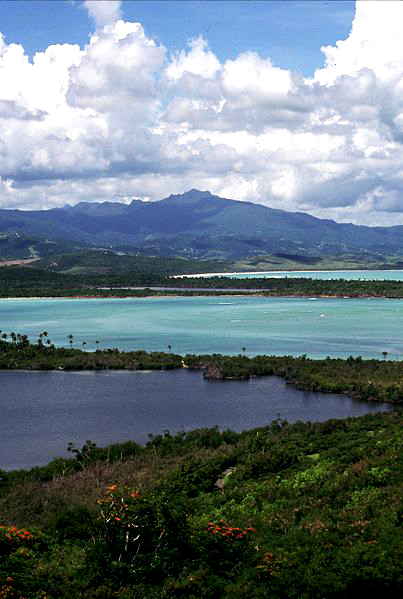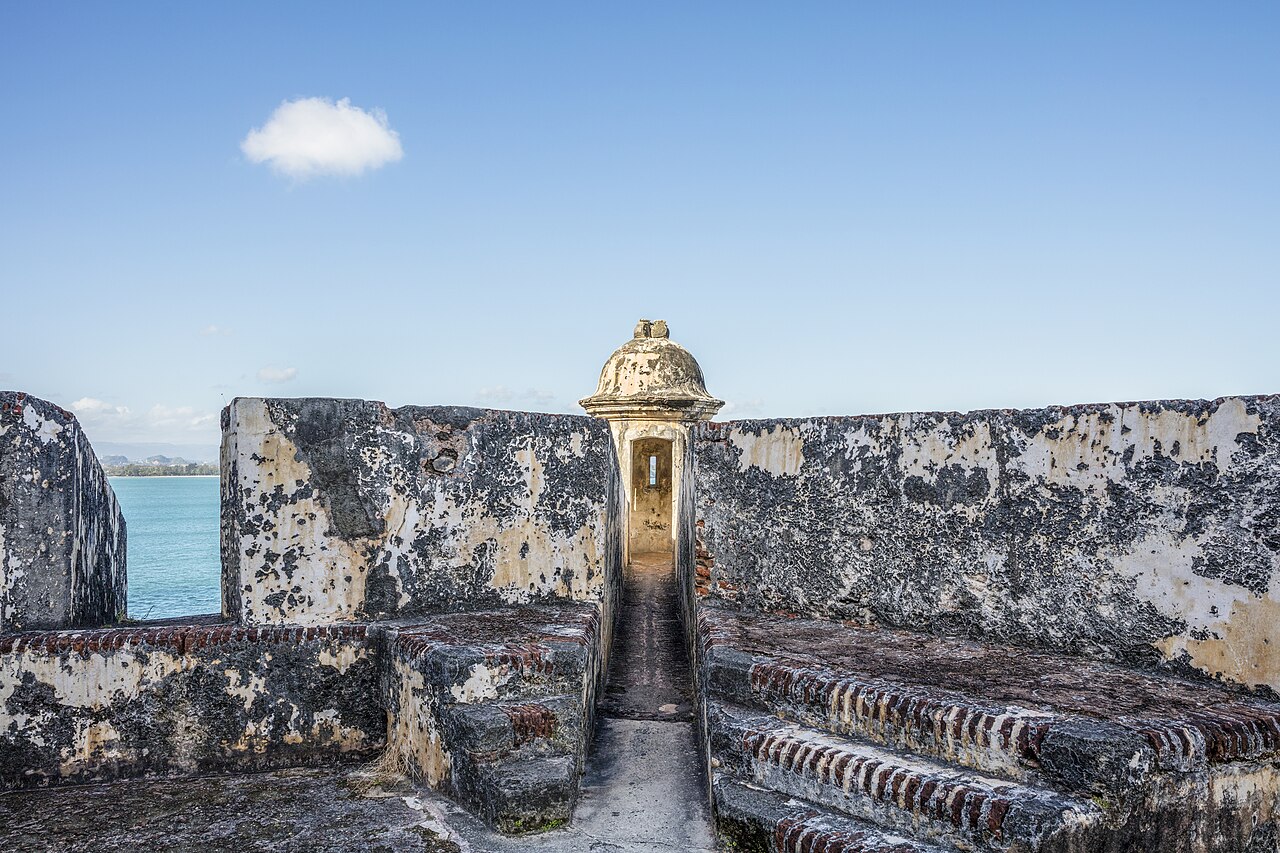
San Juan is a compact, walkable, very photogenic city on Puerto Rico's north coast, and it works for a long weekend or a full week. The old town sits on a small peninsula guarded by two great Spanish forts, the beach districts of Condado and Isla Verde are a short ride away, and the rainforest and the glowing bays are day trips. Puerto Rico is part of the United States, so US citizens do not need a passport, prices are in US dollars, and English and Spanish are both spoken. Here is how to plan it.
What to book ahead
Book the things with fixed schedules and limited capacity. The bioluminescent bay kayak at Laguna Grande in Fajardo runs on set evening departures and depends on the moon, so reserve it early, with free cancellation if possible. The Mosquito Bay day trip to Vieques involves ferries and sells out in winter. A guided El Yunque day trip is worth booking because it handles driving, parking and the park rules. The Casa Bacardi tour and the Old San Juan food tour are also popular, so reserve a slot. The forts can be visited on the day, but a guided walking tour is best booked a day or two ahead.
How many days
Three days covers the essentials, and four to five lets you add a beach day and a second excursion. With three days, give day one to Old San Juan: a morning walking tour, El Morro and San Cristobal, and a food tour or dinner in the old town. Give day two to El Yunque, with an evening kayak at Laguna Grande if you can pair them. Give day three to Casa Bacardi by ferry, a beach afternoon at Isla Verde or Condado, and the Museo de Arte de Puerto Rico if the weather turns. If you have more time, add Vieques for Mosquito Bay.
Getting around
Old San Juan is best on foot, and the free trolleys help on hot days, while the cobblestones are uneven, so wear closed shoes. Between Old San Juan, Condado, Isla Verde and Santurce, taxis and rideshares are easy and inexpensive. A cheap public ferry crosses the bay to Cataño for Casa Bacardi. A rental car is useful for independent trips to the east coast, but parking in the old town is hard and hotel parking is often valet only, so many visitors skip the car and book tours with pickup. Note that rideshare apps cannot pick up at the El Yunque recreational corridor.
Where the headline sights fit
El Morro and San Cristobal are open daily, according to the National Park Service, and they pair naturally with the old town walk. The Museo de Arte de Puerto Rico is closed Monday and Tuesday, so plan it for midweek or the weekend. El Yunque is about an hour from the city, and its official forest page says you do not need a reservation to enter the recreational corridor, though several trails and the La Mina falls are closed, so check the alerts page the night before. Laguna Grande and Mosquito Bay are best around the new moon.
When to go
The dry, cooler season from December to April is the most popular and the most expensive. Hurricane season runs from June to November, so travel insurance and flexible bookings are wise in the autumn months, and the rainforest is lush after rain. Summer is hot and humid, so start sightseeing early. Cruise ships fill the old town on many mornings, so a very early start or a late-afternoon visit is calmer.
What to eat and drink
Order mofongo, alcapurrias, tostones and fresh seafood, drink strong local coffee, and try a rum cocktail at Casa Bacardi or in the old town. A food tour on your first day teaches you what to order for the rest of the trip.
Safety and practical tips
Use normal city sense with valuables, take care with strong surf at Atlantic beaches and check flags, and carry water, sunscreen and a rain layer. Most tours accept free cancellation up to a day before, which is useful when weather and ferries change plans. Where you sleep shapes your trip, so read our guide to where to stay, which compares Old San Juan, Condado and the beach resorts.