Sapporo and ramen are closely linked in the minds of many travellers. Miso ramen, with its rich, savoury broth, wavy noodles and toppings of corn and butter, is widely associated with the city, and bowls are served from tiny counters to long-running specialist shops. Most visitors eat ramen here, but fewer learn how it is made. This hands-on class in Sapporo changes that. You spend a couple of hours in a small kitchen with an instructor, working through the parts of a bowl of ramen that normally happen out of sight: how the dough is mixed and rested, how it is rolled and cut into noodles, how the broth and seasoning come together and how the toppings are prepared. At the end you sit down and eat what you have made. The class suits people who enjoy cooking, families who want an activity that children can join in with, and anyone who likes to bring a skill home from a trip. It also makes a good indoor option on a snowy or rainy day, when a long outdoor itinerary is less appealing, and it works at any time of year. You do not need any cooking experience, because the instructor guides each step and explains the reasons behind it, from the role of the alkaline water in the noodles to why the broth is built in layers.
Why do this class
Eating ramen teaches you what you like, but making it teaches you why. The texture of a good noodle, springy and slightly chewy, depends on the dough, the resting time and the thickness of the cut, and handling it yourself makes those differences clear. Understanding the broth, the tare seasoning and the toppings also helps you read ramen menus around the city with more confidence, so that on your next night out you can choose between miso, soy and salt styles with a clearer idea of what to expect.
Many people find that the class makes every bowl that follows taste better.
What to expect
The class is small and hands-on, held in a kitchen set up for the activity. After a short introduction you make the noodles, work through the broth and seasoning and assemble the bowl with its toppings. The instructor demonstrates each step first, then lets you try it, and is on hand to correct your technique. Classes are usually conducted in English, and the pace is relaxed rather than competitive.
You finish by eating your own bowl at the table, which is often the highlight, and some groups share a few tips on where to find the best ramen in town. If you have dietary requirements, tell the organiser when you book, as the classic broth is meat based and noodles contain wheat, so some adjustments may not be possible.
Making a plan
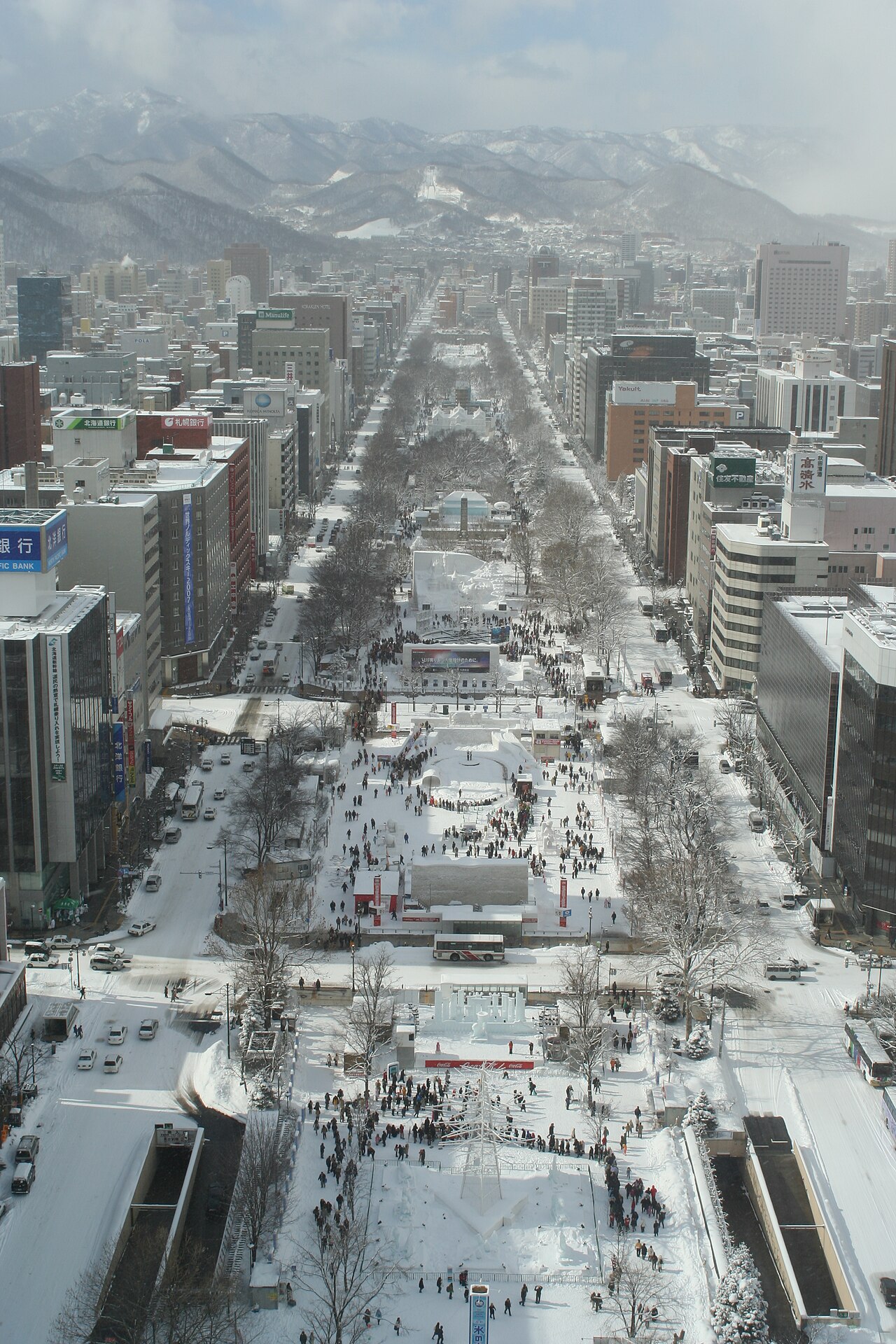
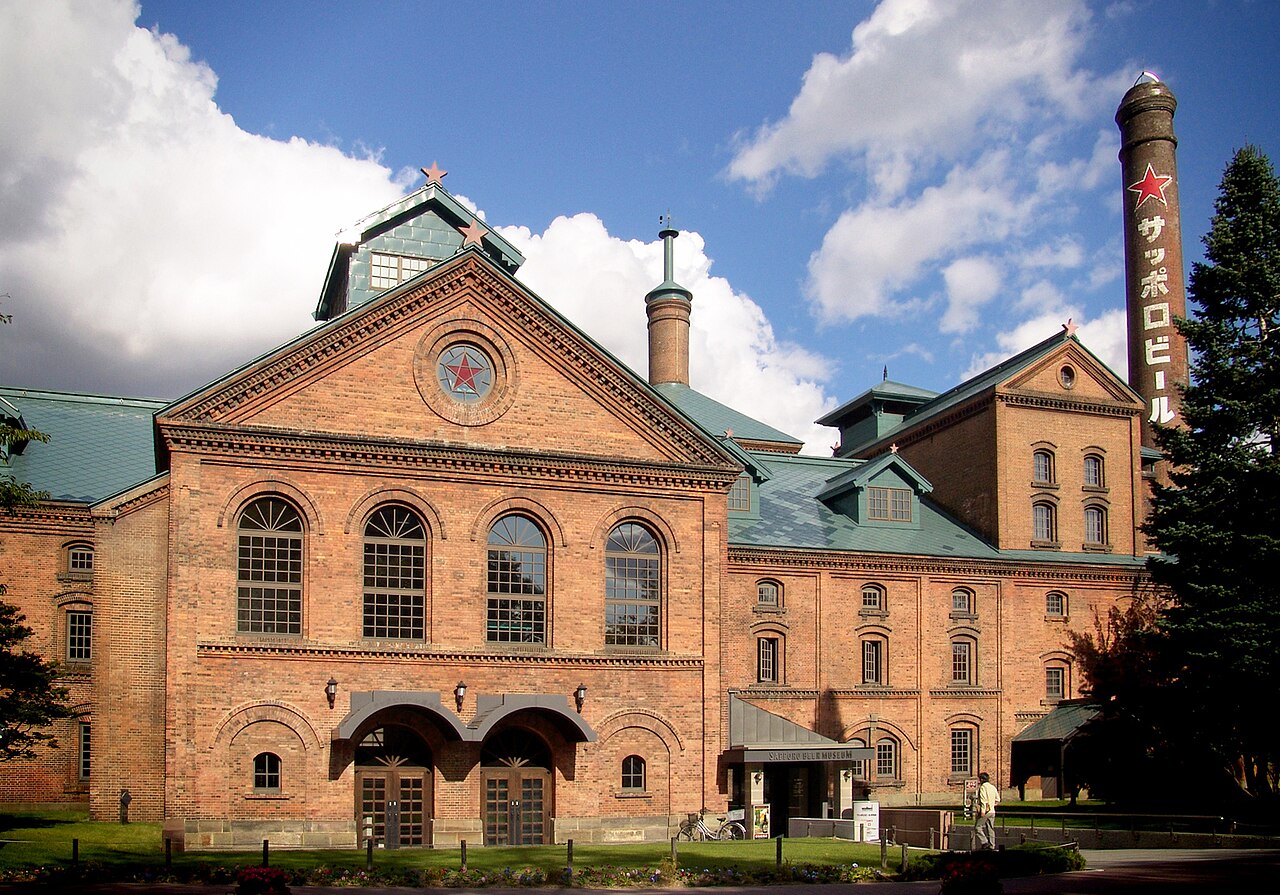
A two-hour class fits easily into a morning or afternoon, leaving the rest of the day free. It pairs naturally with a visit to Nijo Market for seafood, a walk in Odori Park or the Sapporo Beer Museum, and you can follow it with an evening tour of Susukino, where the late-night ramen counters are a ritual. Children usually enjoy rolling and cutting the dough, so it is a good family activity, but check the minimum age when you book.
In winter the warmth of the kitchen and a hot bowl at the end make this one of the most comfortable things to do in a cold city. Book ahead in busy periods such as the Snow Festival and summer holidays, since classes have limited places.
What to expect
The experience
A small hands-on cooking class where you make ramen noodles and a bowl of ramen with an instructor, then eat it.
Best time
Any time of year, and especially useful on a cold, snowy or rainy day.
How long
About two hours.
Tips
Tell the organiser about dietary needs when you book, since the broth and noodles are not easy to adapt, and arrive on time so you can join from the first step.
Quick picks
- Best for
- Food lovers and anyone who wants a hands-on activity that teaches a local skill.
- Families
- Children often enjoy rolling and cutting the dough, but check the minimum age when you book.
- Couples
- A warm, shared activity that ends with a meal you made together.
- Pair with
- Nijo Market, Odori Park and a Susukino food tour.
- Time needed
- Allow two and a half hours including travel.
Good questions
Do I need cooking experience?+
No. The instructor demonstrates each step and helps you through it, so beginners are welcome.
Is the class held in English?+
Classes are usually run in English, but confirm the language when you book.
Do I eat what I make?+
Yes. You finish by sitting down to eat your own bowl of ramen.
Can I join if I have dietary requirements?+
Tell the organiser when you book. The classic broth is meat based and the noodles contain wheat, so some requirements may be hard to meet.
Is it suitable for children?+
Often yes, since children can join the dough and noodle steps, but check the minimum age when you book.