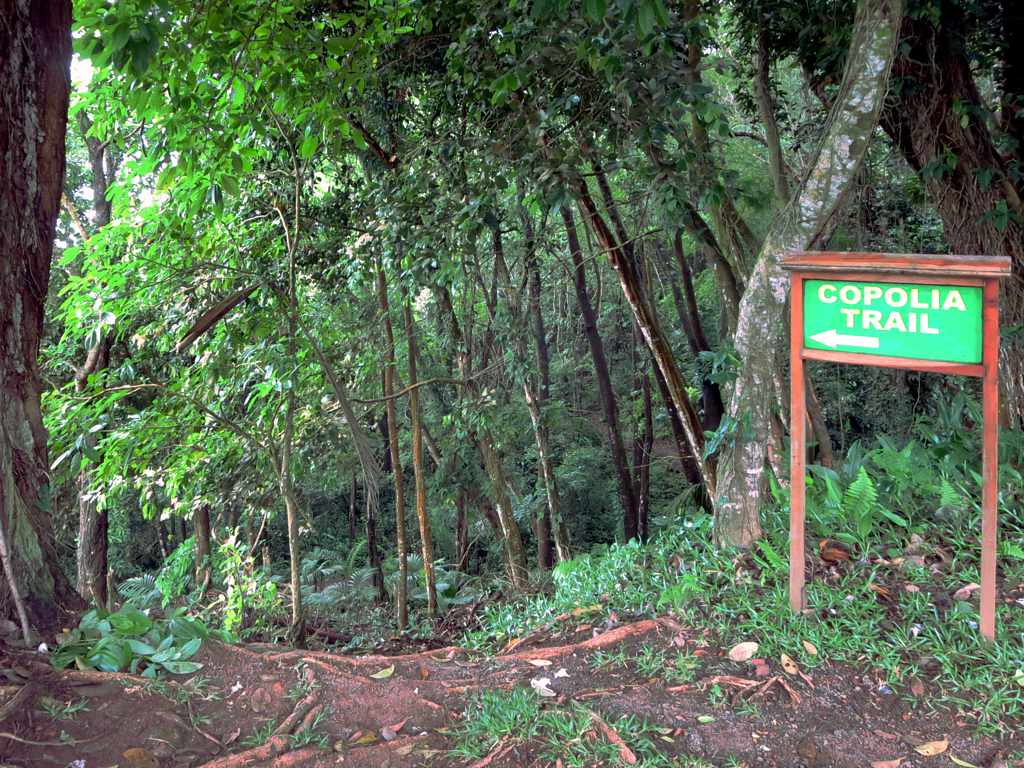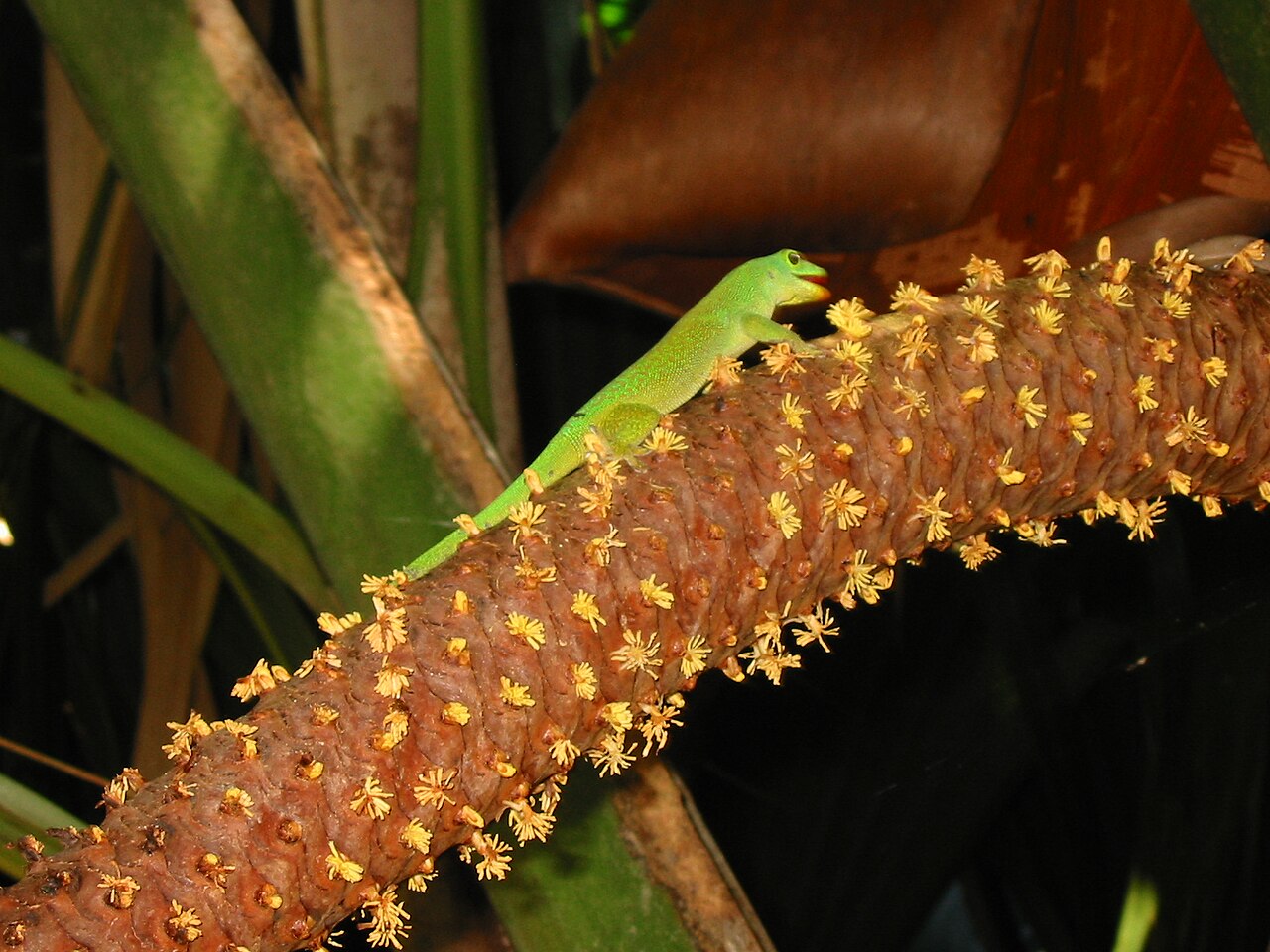
The Vallée de Mai is a small, dense palm forest in the heart of Praslin, protected as a UNESCO World Heritage Site and managed by the Seychelles Islands Foundation. It shelters all six of the Seychelles' endemic palm species and, above all, the coco de mer, whose enormous double nuts are the largest seeds in the plant world. The forest is hushed and green, with a canopy of fan-shaped fronds that filters the light into a dim, prehistoric glow, and many visitors say it feels like walking through a film set from the age of the dinosaurs. Walking routes run from roughly one and a half to four kilometres, a free leaflet and map is handed out at entry, and the paths are well maintained. Keep an ear out for the Seychelles black parrot, the national bird, which nests in the palms and is the main wildlife prize, alongside geckos, skinks and the occasional bright insect.
Entry is through a visitor centre with a ticket office, lockers, toilets, a souvenir shop selling certified coco de mer nuts and a cafeteria, so you can organise yourself before you walk. The reserve is open daily, with the latest entry in mid afternoon, and it closes on Christmas Day and New Year's Day. Tickets are paid in rupees, euros, dollars or pounds, in cash or by card, and the fee is modest by resort standards. Guides at the gate offer informal tours that explain the palms' strange reproduction, with separate male and female trees, and a guide greatly improves the visit if you want the black parrot pointed out.
Practicalities matter here. Wear flat, closed shoes, bring water, and carry a light rain jacket, particularly from December to March when showers are frequent. Smoking is not permitted anywhere in the reserve. The visitor centre and the first stretch of forest are wheelchair accessible, which is unusual for a tropical reserve. There is a bus stop outside the centre, and most visitors arrive by taxi, hire car or as part of an organised Praslin tour. Go early or late in the day to avoid the coach crowds and the hottest hours.
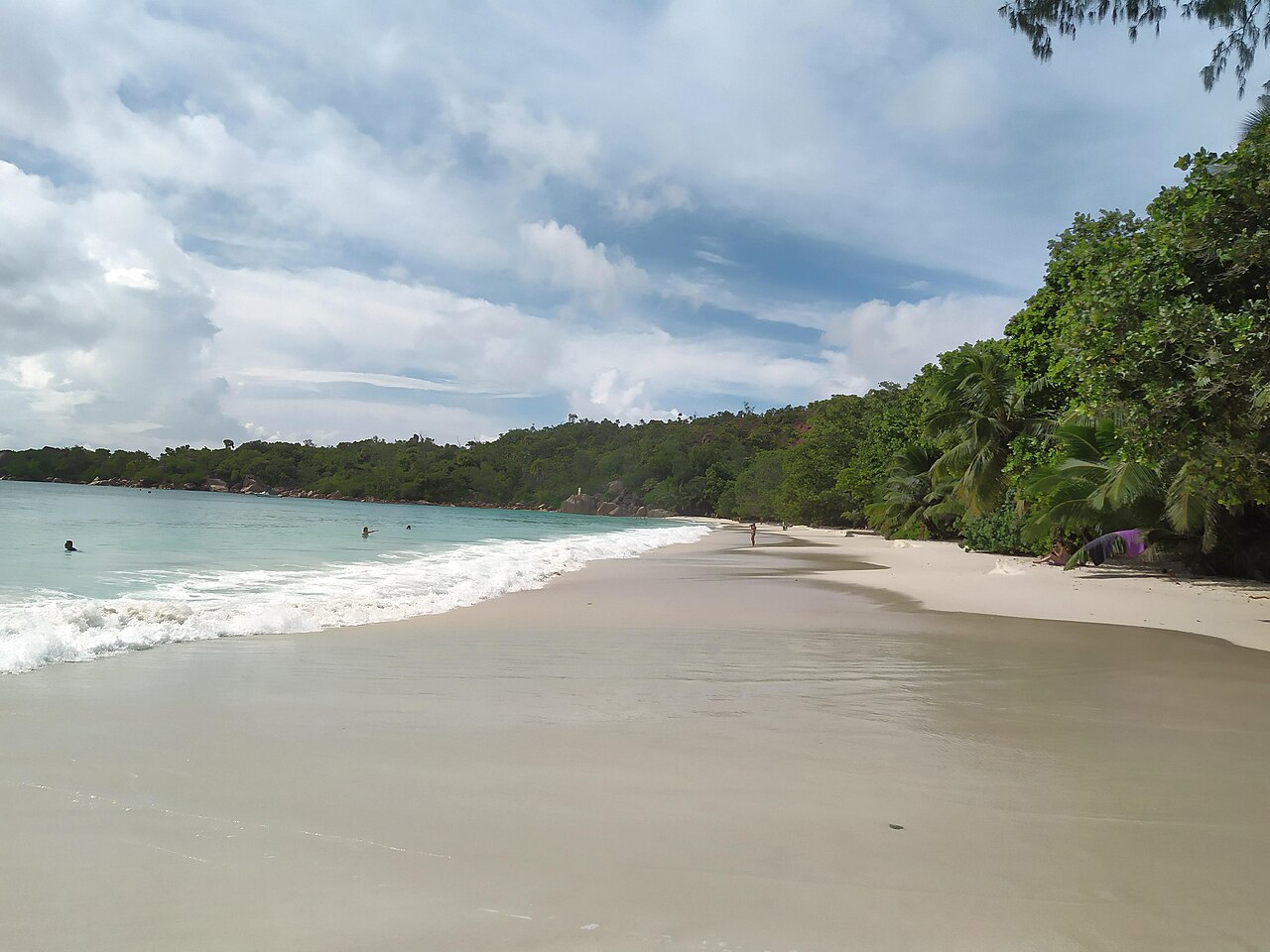
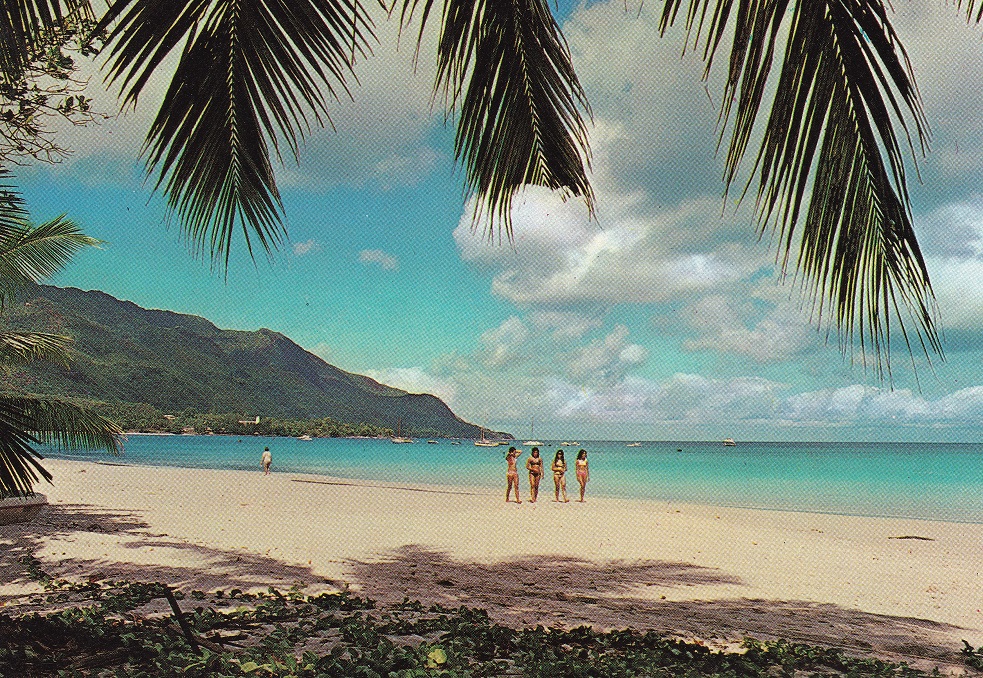
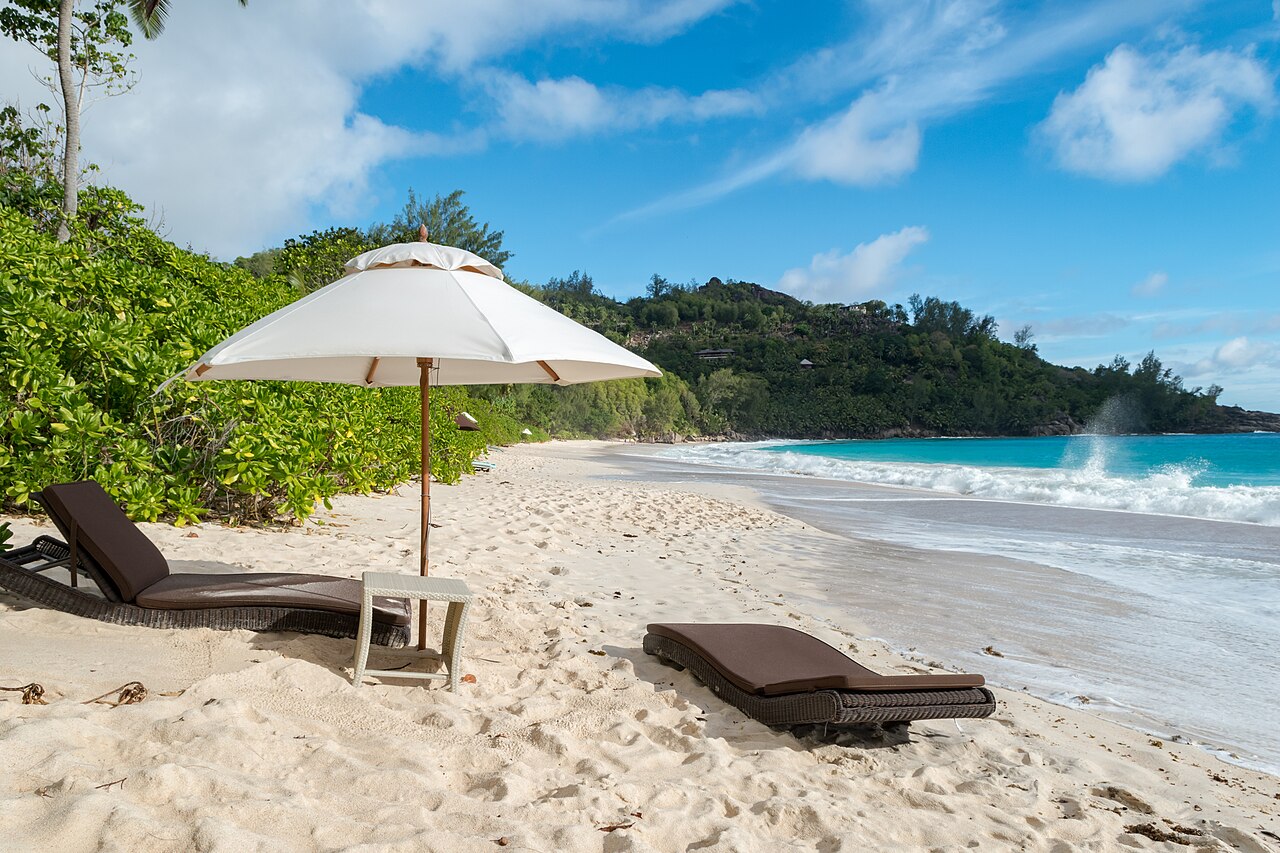
Who it suits: nature lovers, photographers, families with children who can walk an hour or two, and anyone visiting Praslin for even one night. Pair it with a beach afternoon at Anse Lazio and you have the classic Praslin day. Allow around two hours, a little longer if you take a guided route, and book your Praslin ferry and transport in advance in busy months.
What to expect
The experience
A self-guided walk along marked forest paths of roughly one and a half to four kilometres, with an optional guide at the gate and a free map leaflet.
Best time
Early morning or late afternoon, when the forest is coolest and the coach groups are elsewhere.
How long
About two hours at an easy pace, a little more with a guide.
Tips
Wear flat closed shoes, bring water and a rain layer, and ask a guide at the gate where the black parrots are feeding.
Quick picks
- Best for
- Nature lovers and every first-time visitor to Praslin.
- Families
- Good for children who can manage short, shaded walks; the first section is buggy and wheelchair friendly.
- Couples
- A quiet, atmospheric morning walk before a beach lunch at Anse Lazio.
- Pair with
- Anse Lazio for the classic Praslin day, or a ferry onward to La Digue.
- Time needed
- Two hours, plus transport from your hotel.
Good questions
What is special about the Vallée de Mai?+
It is a UNESCO World Heritage Site and the home of the coco de mer palm, whose double nut is the largest seed in the world. It also protects the Seychelles' endemic palms and the rare black parrot.
Is the Vallée de Mai open every day?+
It is open daily, with the last entry in the mid afternoon, and it closes on 25 December and 1 January. Check the Seychelles Islands Foundation page before you go.
How long do I need?+
Plan on about two hours for a relaxed walk along the main routes. Add time if you take a guide or want to sit in the cafeteria.
Do I need a guide?+
No, because the paths are marked and a map is provided, but a guide helps you spot the black parrot and explains the coco de mer. Guides are usually available at the gate.
How do I get there from my hotel?+
Taxis, hire cars and organised tours all serve the reserve, and a public bus stops outside the visitor centre. Most visitors combine it with a beach stop on the same day.