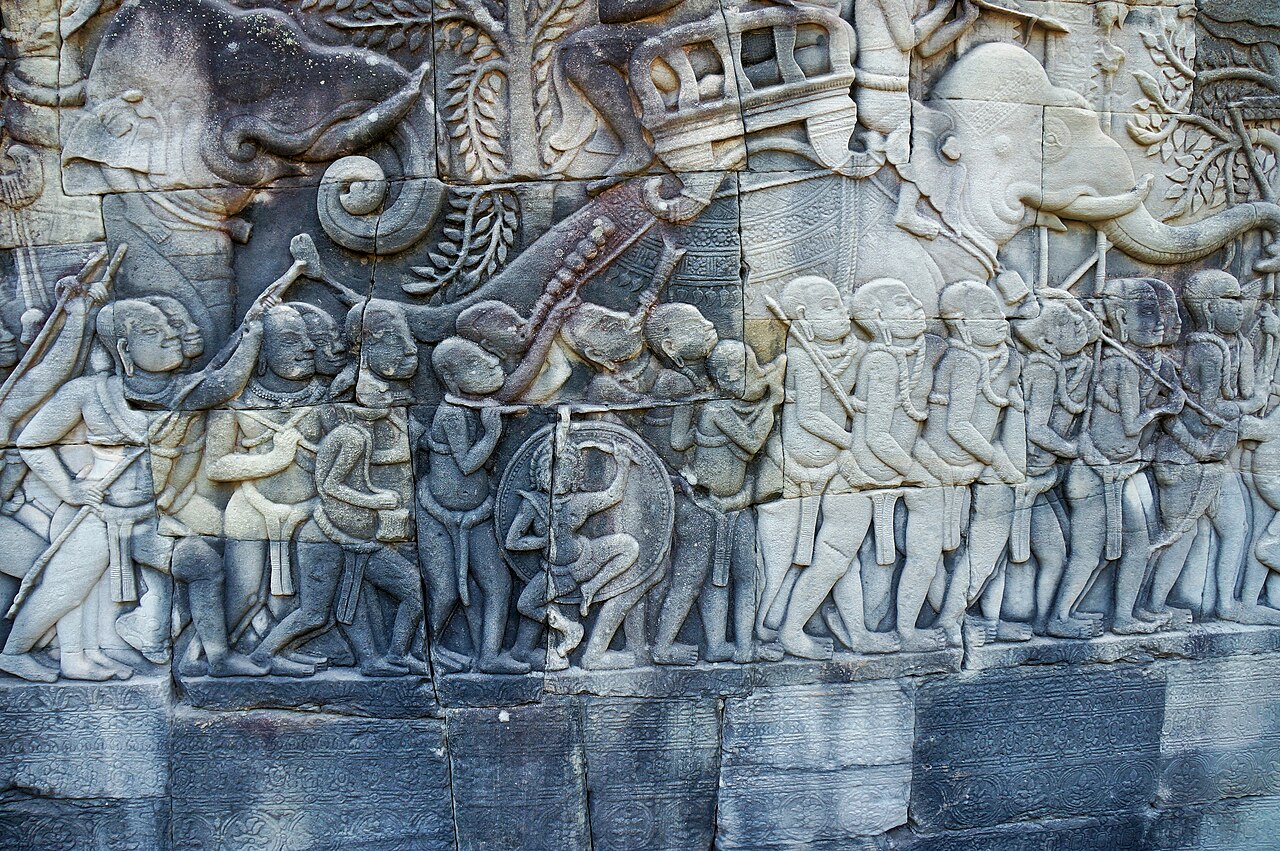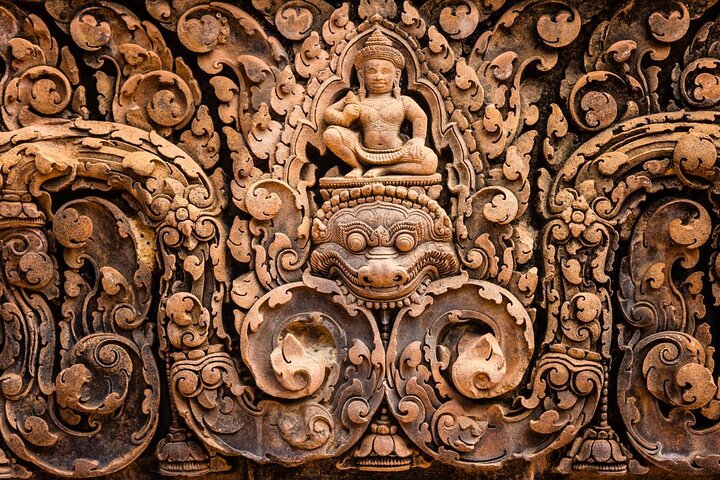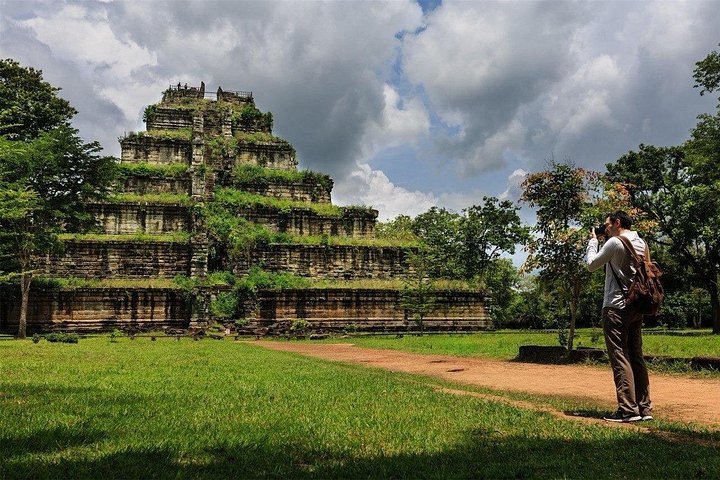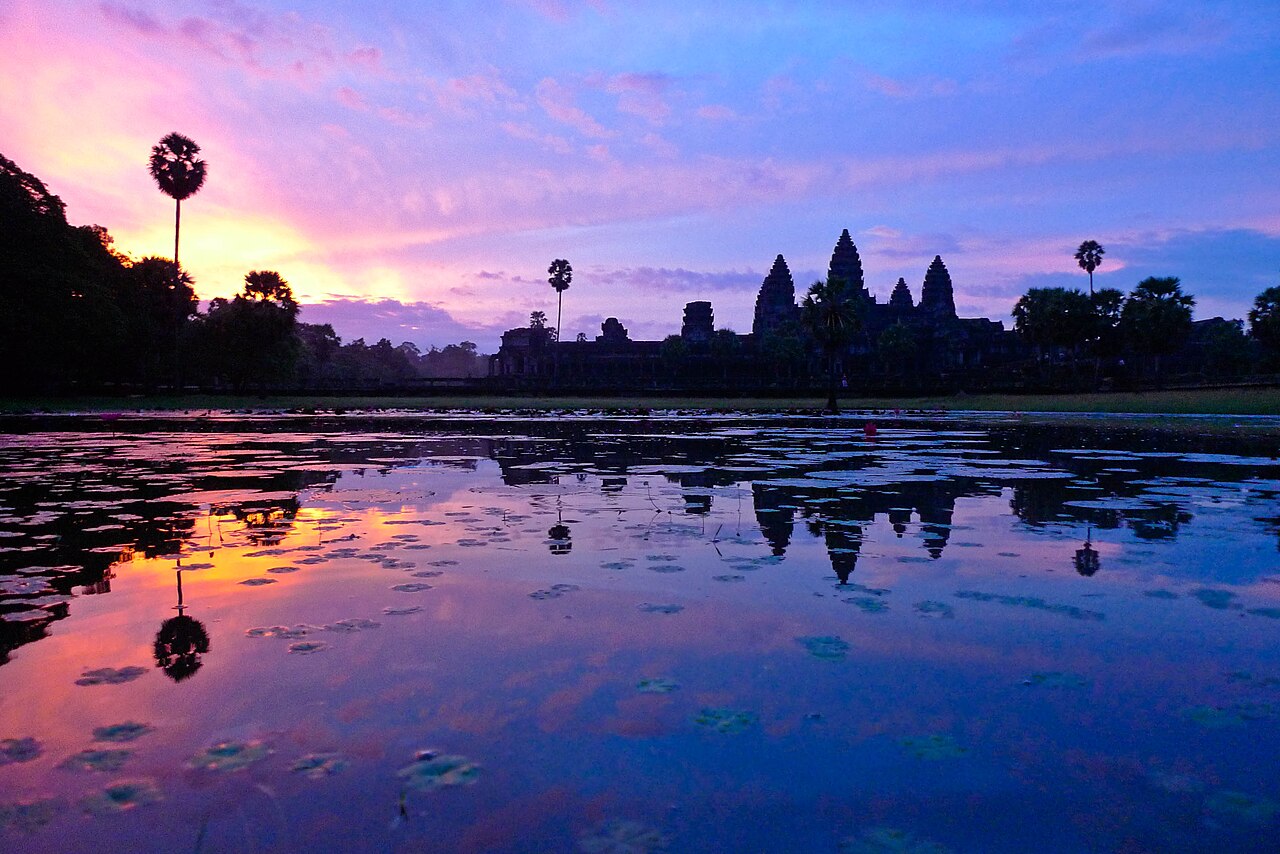
Angkor is a photographer’s dream and a photographer’s challenge. The light changes by the minute, the crowds gather at the same famous spots and the stonework is dense with detail, so a first-time visitor can easily come home with pictures that look like everyone else’s. A photography tour fixes that. A guide who is also a photographer takes you to the temples at the right hour, whether that is the blue light before sunrise at Angkor Wat, the golden early morning at the Bayon or the shafts of light through the trees at Ta Prohm, and shows you where to stand, what to frame and which details tell the story. Along the way you learn about composition, exposure and the use of natural light, and you can ask for tips on whatever camera you carry, from a phone to a full-frame body. The tour gives you access to quieter angles and less crowded moments, and a deeper understanding of the carvings that you are shooting. It suits beginners who want to improve and enthusiasts who want a local expert to unlock the best locations.
How to visit
Photography tours usually start early, with a pick-up before dawn for the sunrise at Angkor Wat, and continue to one or two more temples for the morning light. Some tours run in the late afternoon for a golden-hour and sunset session. You need an Angkor Pass, bought from the park’s authorised seller before the tour, and the operator explains whether it is included. Group sizes are generally small, so the guide can give individual advice.
What to expect
You will visit the key viewpoints, such as the reflection pond at Angkor Wat, the faces of the Bayon, the tree-wrapped doorways of Ta Prohm and the quieter lanes between the stones. Your guide helps with settings such as aperture and shutter speed, shows you how to avoid harsh midday contrast and suggests ways to include local life, such as monks in saffron robes or children playing.
Many guides know where to find the best light inside the galleries and can time your visit to minimise crowds. A good photographer-guide also tells you what is not allowed, such as drones and tripods in some areas, and how to behave respectfully at working temples.
Making the most of it
Bring your camera, spare batteries and memory cards, and a light bag, plus a lens cloth for the dust. A mid-range zoom and a wide-angle lens cover most situations, and a phone is perfectly adequate if that is what you have. Wear modest clothing with covered shoulders and knees, comfortable shoes and a hat, and carry water. Book the tour for the first day of your visit so that you can use the tips on later days, and choose the dry season from November to March for the clearest skies.
In the green season, dramatic clouds and rain-washed colours reward patient photographers. Be respectful when photographing people, ask permission and avoid photographing monks without their consent. After the tour, back up your images and edit a favourite set, which makes a lasting souvenir of your time in Siem Reap.
What to expect
The experience
A guided photography session at Angkor’s temples with a photographer-guide, timed for the best light.
Best time
Sunrise and the early morning for the softest light, or golden hour in the late afternoon.
How long
About four to six hours depending on the programme.
Tips
Buy your Angkor Pass beforehand, bring spare batteries and a lens cloth, dress modestly and ask permission before photographing people.
Quick picks
- Best for
- Keen photographers and anyone who wants better pictures of Angkor.
- Families
- Better for teenagers and adults who enjoy photography; the early start is tough for small children.
- Couples
- A shared creative morning that ends with images to treasure.
- Pair with
- A sunset at Phnom Bakheng or an evening at Phare for a second round of photographs.
- Time needed
- Half a day.
Good questions
Do I need an expensive camera?+
No. The guide can help with a phone or any camera, and the tips on light and composition apply to all of them.
Is the Angkor Pass included?+
Check the operator. You need a pass to enter the park, and it is sold only by the park’s authorised seller, so buy it in advance if it is not included.
Can I use a drone or tripod?+
Drones are restricted around the temples, and tripods may be limited in some areas. Your guide will explain the rules on the day.
What is the best time of year for photography?+
The dry season from November to March gives clear skies, while the green season has dramatic clouds and fewer visitors.
Can I photograph monks and local people?+
Ask permission first, and respect a refusal. Monks in particular should not be photographed without consent.