Pottery has deep roots in Cambodia. The kilns of the Angkor period produced glazed stoneware and ceramics that were traded across Southeast Asia, and today a new generation of potters is bringing the craft back. A pottery class in Siem Reap gives you the chance to sit at the wheel yourself, guided by a local ceramic artist who shows you how to centre the clay, open it up and pull the walls into a bowl, cup or small vase. You do not need any previous experience: the instructors are used to complete beginners and step in with a helping hand when the clay wobbles. The class is also a chance to hear about the local clay, the firing methods and the designs that echo Khmer carvings and everyday objects. It is a calm, absorbing activity, a welcome break from heat and crowds, and you leave with a real appreciation for the skill involved in pieces you might otherwise pass in a market. Many classes can fire and glaze your work afterwards, and some arrange for it to be collected or shipped.
How to visit
The class takes place at a studio in Siem Reap, and most sessions run for a couple of hours in the morning or afternoon. You are given an apron, a lump of clay and a place at a wheel, and the instructor demonstrates each step before you try it yourself. Details such as group size, whether you can take your piece home and how firing is handled are when you book, so read them before you choose a slot.
What to expect
Throwing clay is harder than it looks, and the first attempts are often lopsided. The instructor helps you centre the lump, a step that takes strength and patience, then shows you how to open the centre with your thumbs and draw the walls upward with steady pressure. Between attempts you can hand-build or decorate a smaller piece, carve a pattern into the surface and choose a glaze.
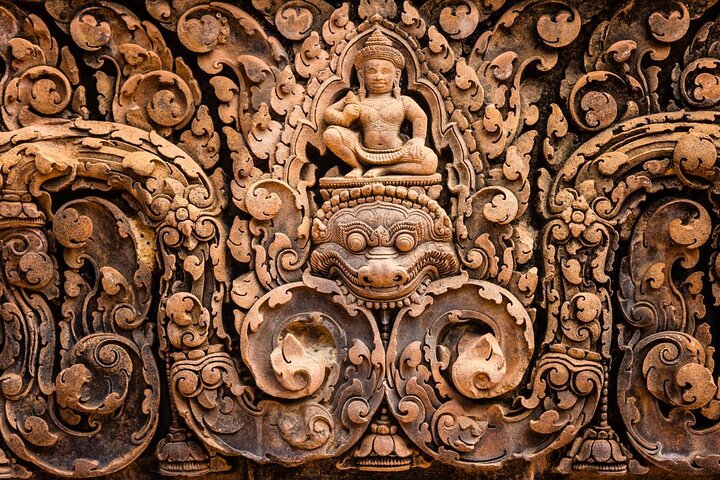
The studio air is warm, but the work is quiet and absorbing, and the atmosphere is friendly rather than competitive. Your teacher will share some of the history of Khmer ceramics, including the Angkor-era kilns around Siem Reap and the famous celadon glazes, and will often point out the techniques still used by village potters today.
Making the most of it
Wear clothes that you do not mind getting muddy and keep your nails short, as clay lodges under them. Leave rings and watches in your bag, and tie back long hair. The class suits couples, friends and families with older children, and it is an excellent rainy-day or rest-day activity that gives your legs a break from the temples.
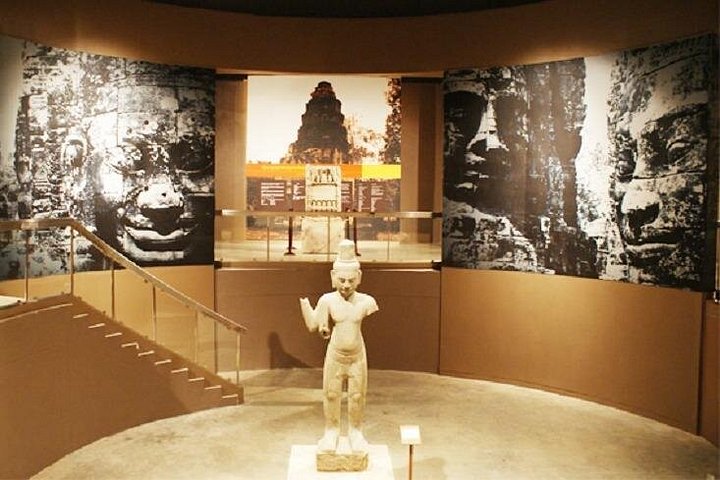
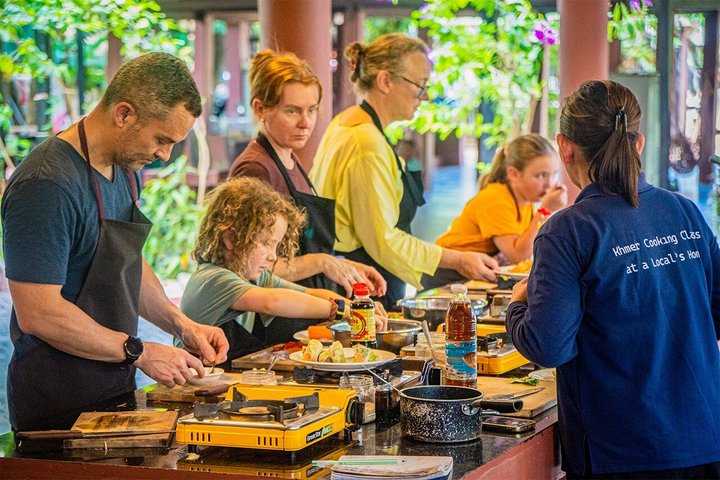
If you want to take your piece home, ask early about firing times, since the kiln needs several days, and about packing and shipping, because fired ceramics are fragile. A morning class pairs well with an afternoon at the silk farm or the cooking class, giving you a day of Cambodian crafts, and a visit to the Angkor National Museum puts the old ceramics you glimpse there in context.
What to expect
The experience
A guided class at the potter’s wheel, learning to centre, open and shape clay into a bowl or vase, with glazing options.
Best time
Any time of day; mornings are cooler, and it is a good rainy-day or rest-day plan.
How long
About two to three hours.
Tips
Wear clothes that can get dirty, keep nails short, leave jewellery at your hotel and ask about firing and shipping before you start.
Quick picks
- Best for
- Creative travellers and anyone who wants a hands-on activity after days of sightseeing.
- Families
- Suitable for older children and teenagers who can handle the wheel with help.
- Couples
- A relaxed shared activity that ends with a handmade keepsake.
- Pair with
- The Lotus Silk Farm or the Khmer cooking class for a full day of crafts.
- Time needed
- Two to three hours.
Good questions
Do I need pottery experience?+
No. The instructors teach complete beginners and help with each step. Expect your first pieces to be a little uneven.
Can I take my piece home?+
Many classes offer firing and glazing, and some can arrange collection or shipping. Fired ceramics need several days in the kiln, so ask about the timing when you book.
What should I wear to the class?+
Wear clothes that you do not mind getting muddy, keep your nails short and leave rings and watches at your hotel.
Is the class suitable for children?+
Older children and teenagers usually manage well with help from the teacher. Check the operator for age guidance.
How long does the class last?+
Most sessions last two to three hours. The operator lists the exact length and start times.