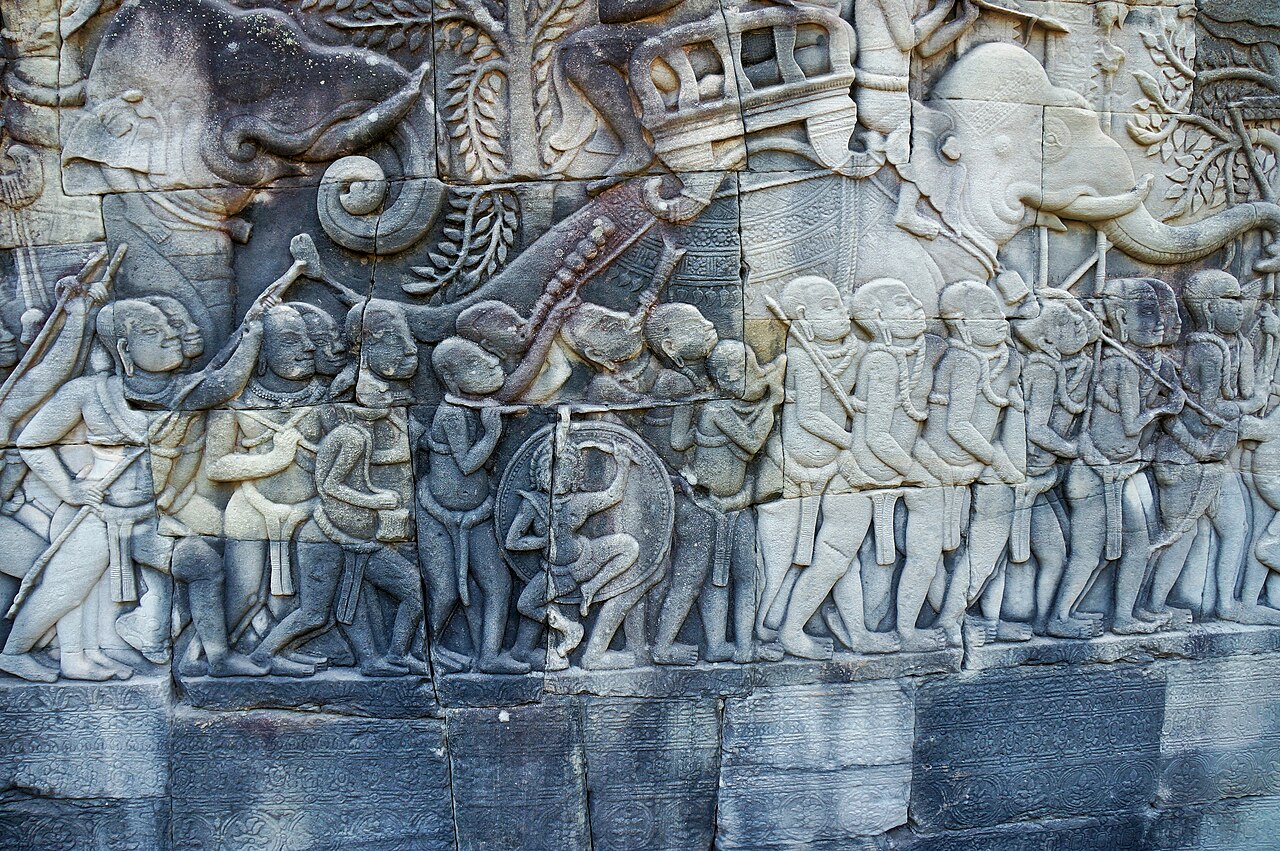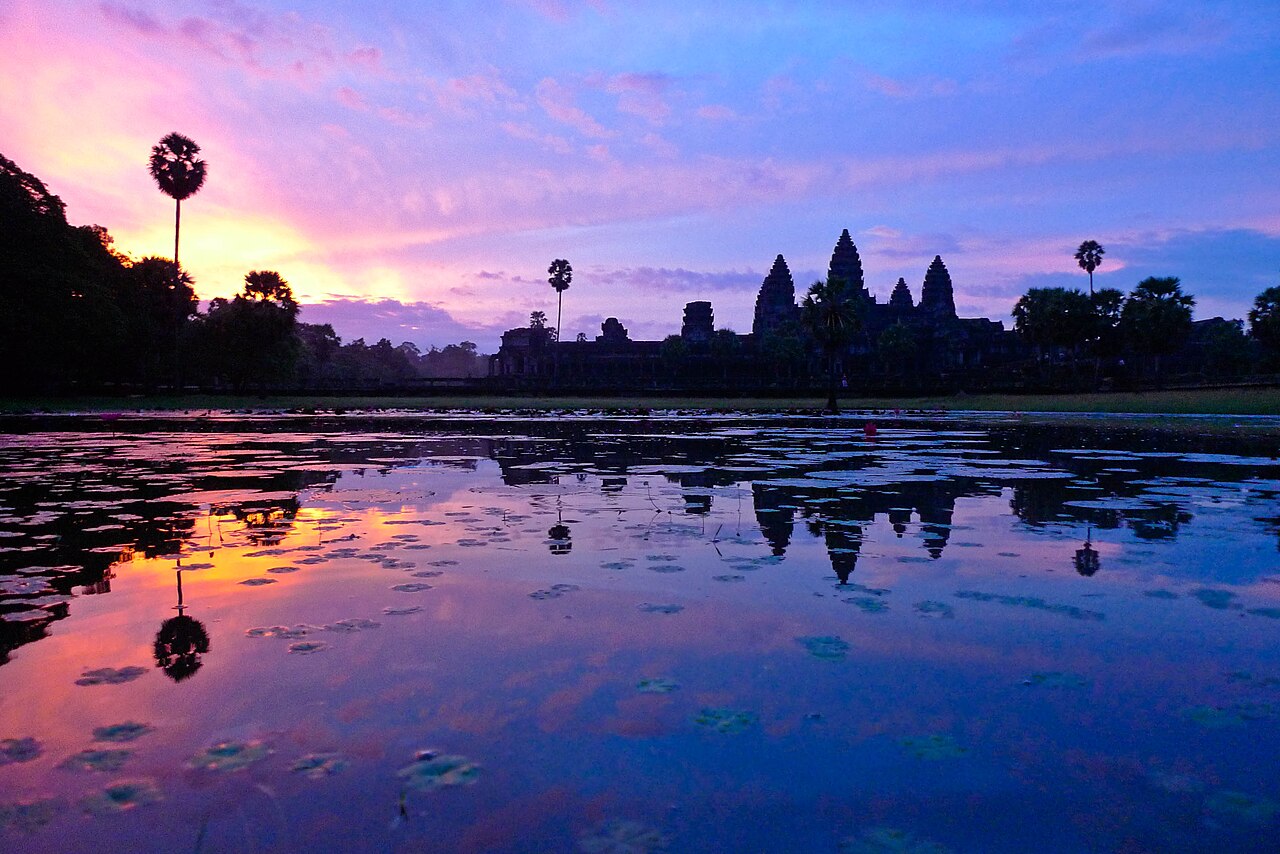
Angkor is vast: the archaeological park covers hundreds of square kilometres, and the temples range from world-famous monuments to forest ruins few people see. The good news is that Siem Reap makes it easy. The town sits a few kilometres south of the main temples, tuk-tuks are everywhere, and the classic sights fall into a few clear groups: the Small Circuit with Angkor Wat, Angkor Thom and Ta Prohm; the Grand Circuit and Banteay Srei further out; and the long day trips to Phnom Kulen, Beng Mealea and Koh Ker, and the Tonle Sap lake. Here is how to put a first trip together.
The Angkor Pass
Every visitor needs an Angkor Pass from Angkor Enterprise, the only valid seller; it is not sold at the temples. Fares for 2026 are 37 US dollars for one day, 62 dollars for three days used within a week and 72 dollars for seven days used within a month, and children under 12 enter free. Buy online or at the ticket office on Road 60, about four kilometres from town. The office opens at 5:30, after Angkor Wat opens for sunrise, so buy your pass online or the afternoon before. A pass dated for the next day also lets you in from 16:45 the evening before, which gives you a free sunset. Phnom Kulen and Koh Ker need their own separate tickets.
How many days
Two full days is the minimum: one for the Small Circuit with an Angkor Wat sunrise, Angkor Thom and the Bayon, and Ta Prohm, and one for Banteay Srei and the Grand Circuit. Three or four days, with the three-day pass, lets you slow down, add a day trip to Phnom Kulen or Beng Mealea and Koh Ker, and spend an afternoon on the Tonle Sap. Temple fatigue is real, so mix in a pool afternoon.
What to book ahead
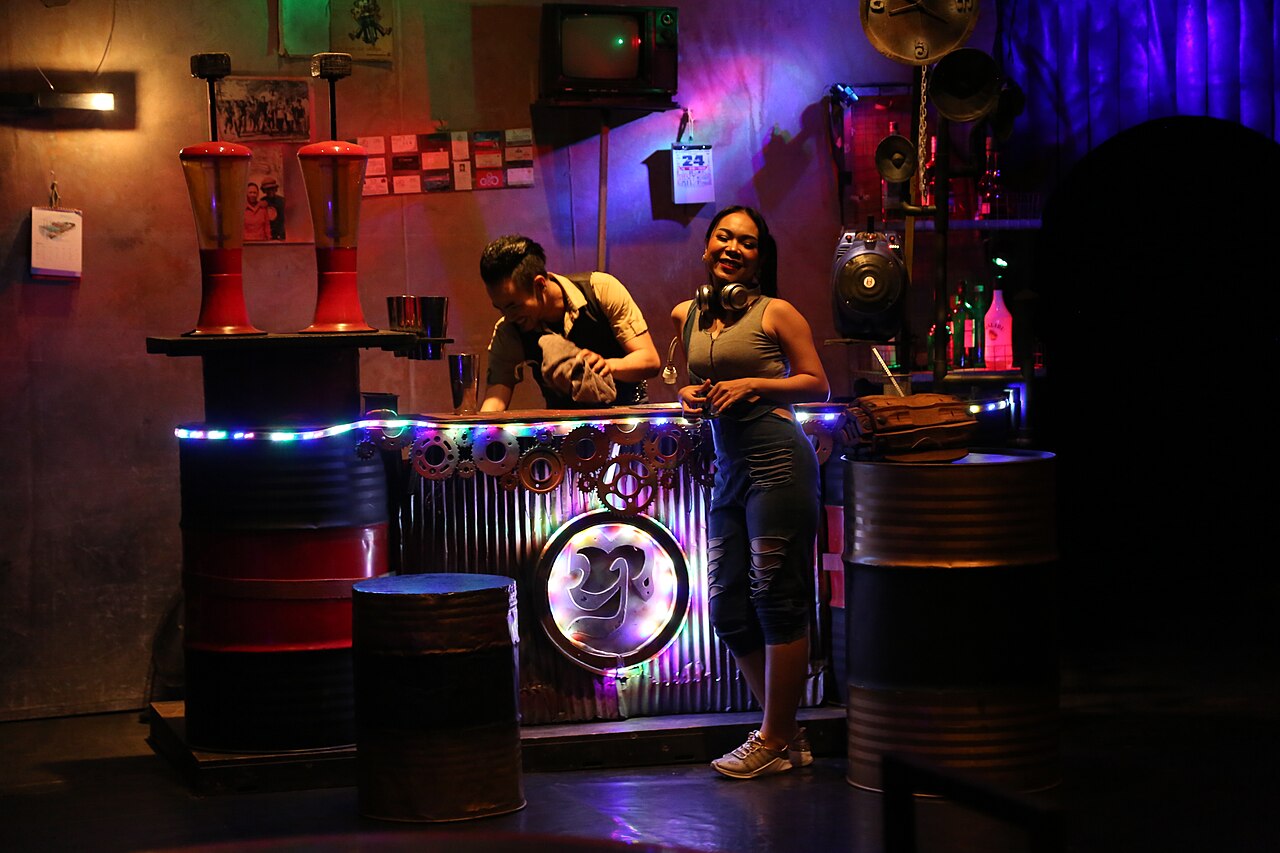
Book the Angkor Wat sunrise tour and your pass first. Phare, the Cambodian Circus is the essential evening and its best seats sell out in high season, so reserve a few days ahead; it plays nightly at 20:00, with 17:00 matinees on Wednesdays, Fridays and Sundays from November to March. The small-group food tour, the Vespa tours and the join-in day trips to Banteay Srei, Phnom Kulen and Beng Mealea all fill up in the busy months from November to February, so book at least a day or two in advance.
Getting around
Tuk-tuks are the classic way to tour the temples: hire one for the day through your hotel, agree the route and price in advance, and your driver waits at each temple. Cars with air conditioning cost more but are welcome in the heat, and bikes and e-bikes suit the flat Small Circuit. Guided tours add context that makes the carvings come alive. In town, everything around the Old Market and the river is walkable.
Arriving
Siem Reap Angkor International Airport opened in 2023 about 50 kilometres from town, roughly an hour by car; many hotels include or arrange pickups. Fly in rather than crossing overland from Thailand: the US travel advisory, set at Level 2 for Cambodia in September 2026, warns against areas along the Thai border, while Siem Reap and the temples remain open and welcoming.
A three-day plan
Day one: sunrise at Angkor Wat, then Angkor Thom and the Bayon, and Ta Prohm in the afternoon, or do all three on the bike tour; Phare in the evening. Day two: Banteay Srei and the Grand Circuit on a join-in tour, then the evening food tour. Day three: Phnom Kulen in the morning, or a slow morning and the Tonle Sap sunset Vespa tour in the afternoon.
Practical tips
Cover shoulders and knees at the temples, especially for the upper level of Angkor Wat. Carry water, sunscreen, a hat and insect repellent, and start early to beat the heat and crowds. US dollars are widely used alongside the Cambodian riel, so carry small notes. Stay on marked paths at remote sites, and be respectful of monks and worshippers.